

How to Adjust Your Skincare Routine During a Heat Wave
At a glance
Heat can make a familiar skincare routine suddenly feel wrong even when most of it still works. The useful question is which step has become uncomfortable or impractical—because the answer may be as simple as changing a texture, timing, or sunscreen habit rather than buying an entirely new summer routine.
Hot, humid weather can change how skincare feels and how easy it is to keep using. A cream that works well in cooler weather may suddenly feel heavy under sunscreen. Sweat can make products sting, contribute to buildup, and make sunscreen reapplication harder. If you spend more time outdoors, dependable sun protection matters, but hotter weather does not automatically mean stronger UV radiation.
Indoor conditions can create the opposite problem. Air conditioning may leave dry, mature, or sensitive skin feeling tight even when it is hot outside.
You do not need a separate summer routine. Identify the step that is getting in the way and make the smallest adjustment that improves your comfort, protection, or consistency.
How does extreme heat affect a skincare routine?
Heat does not automatically change what your skin needs. It changes how your products feel and how practical they are to use.
During a heat wave, you may deal with:
- More sweat and surface oil
- More frequent sunscreen application
- UV exposure during time outdoors, regardless of air temperature
- More friction from hats, headbands, towels, or protective clothing
- Heavier-feeling product layers
- More cleansing after outdoor activity
- Dryness from air-conditioned environments
Those changes can make an otherwise suitable routine feel uncomfortable. They can also tempt you to overcorrect with harsh cleansers, extra exfoliation, or several new “summer” products.
Adjust according to what your skin is doing. Increased shine calls for a different response than persistent tightness, burning, peeling, or an unexplained rash.
Cleanse after heavy sweating without over-cleansing
The American Academy of Dermatology recommends washing your face up to twice daily and after sweating heavily. It also advises using lukewarm water, a gentle cleanser, and your fingertips rather than scrubbing tools.[1]
After exercise or prolonged outdoor activity, cleanse when sweat, sunscreen, oil, and debris have accumulated. You do not need to leave that mixture sitting on acne-prone skin for hours when you can wash comfortably.
Light perspiration does not require a full cleansing routine every time you feel warm. Blot sweat with a clean towel or cloth rather than rubbing it across the skin. The AAD specifically recommends blotting rather than wiping sweat because wiping can irritate the skin and contribute to breakouts.[2]
Repeated washing can create another problem. If your skin begins to feel tight, sting when products are applied, or show new flaking, reduce unnecessary cleansing and reassess the cleanser itself.
A heat-wave cleanser should remove buildup without leaving your skin uncomfortable. A stronger foam or exfoliating cleanser is not automatically better because the weather is hot.
Adjust your moisturizer’s texture before removing it
Humidity can make a rich moisturizer feel excessive, but it does not eliminate your skin’s need for hydration and barrier support. Cleansing, air conditioning, sun exposure, prescription treatments, and exfoliating products can still leave skin dry or irritated.
Before replacing your moisturizer, try:
- Using a smaller amount in the morning
- Applying it only to drier areas
- Keeping the richer formula for nighttime
- Allowing each layer to set before sunscreen
- Switching only the morning moisturizer to a lotion, fluid, or gel cream
Ingredients such as glycerin, hyaluronic acid, ceramides, and dimethicone can support hydration, smoothness, or reduced moisture loss. Their presence does not tell you how heavy the finished formula will feel.
If your skin is dry, sensitive, or feels tight in air-conditioned rooms, you may still need a cream at night. If your skin is oily or acne-prone, you may prefer a lighter morning layer without needing to abandon moisturizer entirely.
Choose sunscreen you can maintain in heat and humidity
Sunscreen becomes harder to manage when you are sweating, swimming, towel drying, or applying several layers. The better heat-wave sunscreen is the one you can use in an adequate amount and reapply without avoiding it.
Look for:
- Broad-spectrum protection
- SPF 30 or higher
- Water resistance when you expect to sweat or swim
- A finish you can apply generously
- A format that is practical to reapply
Air temperature alone does not tell you how strong UV radiation is. Check the local UV Index instead of judging UV exposure by how hot it feels. The AAD recommends broad-spectrum, water-resistant sunscreen with SPF 30 or higher. Water resistance lasts either 40 or 80 minutes, as stated on the label.[3]
When you are outdoors, reapply sunscreen approximately every two hours and after swimming or sweating, following the directions on the bottle.[4] If you are relying on a water-resistant sunscreen during prolonged swimming or sweating, its labeled 40- or 80-minute period still matters. Reapply after towel drying.
Water-resistant does not mean waterproof. No sunscreen is meant to last through an entire hot day without maintenance.
If your usual sunscreen becomes uncomfortable, consider a lighter fluid, milk, or gel texture. A noncomedogenic label can be a useful clue for acne-prone skin, but it does not guarantee that a formula will feel light or prevent every breakout. Read What Does Noncomedogenic Really Mean? for more context.
Do not assume one UV-filter category is universally lighter or better for acne-prone skin. Compare the complete formula whether it uses organic UV filters, zinc oxide, titanium dioxide, or a combination.
Use sunscreen alongside shade, sunglasses, hats, and protective clothing. Covering exposed skin reduces the surface area that depends entirely on repeated sunscreen application.
Should you stop retinol or retinoids during a heat wave?
Do not stop a well-tolerated retinoid merely because the temperature rises. Heat alone does not determine whether the product still belongs in your routine.
Pay attention to your skin instead. Consider simplifying when you notice:
- Persistent burning
- New or worsening peeling
- Redness that does not settle
- Stinging from normally comfortable products
- Sunburn or another visible injury
Topical tretinoin can cause dryness, burning, stinging, peeling, swelling, and redness. Official drug information also advises avoiding unnecessary or prolonged sun and ultraviolet exposure and using protective clothing, sunglasses, and sunscreen.[5]
If an over-the-counter retinoid becomes difficult to tolerate, pause other optional irritants and reduce routine complexity. Follow the product directions rather than increasing use to compensate for missed nights.
Do not make a long-term change to a prescription schedule based only on the weather. If irritation becomes persistent, ask the prescriber how to manage it.
Be more cautious with exfoliating acids when sun exposure increases
Heat does not automatically make every exfoliating acid unsafe. The problem is that more sun exposure, sweating, cleansing, and irritation can make an already demanding routine harder to tolerate.
FDA guidance warns that cosmetics containing alpha hydroxy acids can increase sun sensitivity during use and for up to a week after stopping. That makes sunscreen and other sun protection especially important when an AHA is part of your routine.[6]
Alpha hydroxy acids include ingredients such as glycolic acid, lactic acid, and mandelic acid.
If your skin is calm and protected, an established acid routine may remain tolerable. If heat, sweat, frequent cleansing, or sun exposure has already left your skin stinging or peeling, skip optional exfoliation until comfort returns.
Do not stack an exfoliating cleanser, leave-on acid, scrub, peel, and retinoid simply because increased oil or congestion makes your skin feel less clean. More exfoliation can create irritation without fixing the reason your routine feels heavy.
Do not try to dry out oily skin
More shine does not necessarily mean you need a stronger cleanser, alcohol-heavy toner, daily clay mask, or extra acne treatment.
AAD guidance for acne-prone skin recommends gentle cleansing up to twice daily and after sweating, using a gentle non-abrasive cleanser and avoiding scrubbing.[7]
Use lightweight products and blot excess shine when needed. Before adding another treatment, consider whether the change began after:
- Switching sunscreen
- Wearing a hat, helmet, or headband for longer periods
- Using a heavier leave-in hair product
- Applying more layers than usual
- Leaving sweat on the skin after activity
- Increasing cleansing or exfoliation
For acne-prone skin, change one variable at a time. That makes it easier to identify whether the problem is buildup, friction, irritation, or a specific product.
Could the bumps be heat rash instead of acne?
Not every cluster of bumps that appears during extreme heat is acne.
Heat rash can cause small raised spots, bumps, or blisters, sometimes with an itchy or prickly feeling. The spots may appear red on white skin but can be harder to see or look grey or white on brown or black skin. CDC/NIOSH guidance recommends moving to a cooler, less humid environment when possible and keeping the area dry.[8]
Do not automatically treat unfamiliar heat-related bumps as acne or cover them with rich ointments and heavy creams. CDC/NIOSH guidance specifically advises against ointments and creams for heat rash.[8]
Seek medical care when a rash is severe, painful, spreading, infected-looking, associated with other symptoms, or not improving. An article cannot determine whether unfamiliar bumps are acne, heat rash, folliculitis, dermatitis, or another condition.
Adjust the evening routine after a hot day
Your evening routine should remove sunscreen, sweat, and buildup without becoming another source of irritation.
One gentle cleanser may be enough. If you wore a long-wearing, water-resistant sunscreen, a cleansing oil, balm, or micellar product can help loosen it before a mild water-based cleanser. Double cleansing is useful only when it improves removal without leaving your skin tight or uncomfortable.
After cleansing, assess your skin before applying treatments.
- If it feels calm: Continue your established routine.
- If it feels tight or mildly irritated: Skip optional exfoliation and use a straightforward moisturizer.
- If it is sunburned, hot, or significantly painful: Stop irritating actives and seek appropriate guidance when symptoms are severe or concerning.
Do not build a complicated “recovery” routine simply because your skin feels warm. More layers can increase stinging and make it harder to identify what your skin tolerates.
A practical heat-wave skincare routine
Morning
- Cleanse gently, or rinse if a full cleanse is unnecessary.
- Use one established treatment only if it remains comfortable.
- Apply moisturizer where needed.
- Apply broad-spectrum sunscreen with SPF 30 or higher.
- Add shade, sunglasses, a hat, or protective clothing.
During the day
- Blot sweat instead of rubbing your skin.
- Reapply sunscreen approximately every two hours while outdoors.
- Follow the 40- or 80-minute water-resistance directions when swimming or sweating.
- Reapply after towel drying.
- Cleanse after heavy sweating when practical.
Evening
- Remove sunscreen, sweat, and buildup gently.
- Use established treatments only if your skin feels calm.
- Apply a moisturizer that matches how your skin feels that evening.
What do you probably not need to buy?
A heat wave does not automatically require a summer cleanser, cooling toner, detox mask, gel serum, separate barrier product, and new night cream.
Before buying anything, identify the failure:
- Your moisturizer feels heavy: Use less, change placement, or move the richer product to nighttime.
- Your sunscreen is difficult to maintain: Replace the sunscreen rather than rebuilding your entire routine.
- Sweat-related congestion appears: Improve cleansing after heavy sweating before adding another exfoliant.
- Your skin begins to sting or peel: Remove optional actives before buying a complicated recovery system.
- Air conditioning leaves your skin tight: Add moisture where needed instead of assuming hot weather requires lighter products at every step.
The right heat-wave adjustment is usually one product change, one schedule change, or better sunscreen maintenance—not an entirely new routine.
The BB Perspective
A heat wave is a reason to reassess your routine, not replace it. Keep the products that remain comfortable and practical, then change the one step that is getting in the way.
If your moisturizer feels heavy, adjust the texture or amount. If your sunscreen is difficult to apply generously or reapply, replace the sunscreen. If normally comfortable products begin to sting, burn, or peel, simplify the active routine instead of adding more “recovery” products.
Your most practical heat-wave routine is usually the least dramatic one: dependable sun protection, gentle cleansing after heavy sweating, enough moisturizer for comfort, and fewer unnecessary changes. Fix what is failing and leave the rest alone.
Last reviewed: October 2026
Sources
American Academy of Dermatology Association. Face Washing 101. Accessed September 2026.
AAD recommends a gentle, non-abrasive cleanser, lukewarm water, fingertip application, and limiting face washing to twice daily and after sweating heavily. Return to citation.
American Academy of Dermatology Association. 12 Summer Skin Problems You Can Prevent. Accessed September 2026.
AAD advises blotting sweat with a clean towel rather than wiping it across acne-prone skin. The same guidance notes that hot, humid weather can still coincide with dry, irritated skin, including from air conditioning. Return to citation.
American Academy of Dermatology Association. How to Select a Sunscreen. Accessed September 2026; U.S. Environmental Protection Agency. Learn About the UV Index. Updated January 27, 2026. Accessed October 2026.
AAD recommends broad-spectrum sunscreen with SPF 30 or higher and water resistance, including the 40- or 80-minute label periods. EPA explains that the UV Index depends on conditions such as sun angle, clouds, and ozone—not simply how hot the air feels. Return to citation.
American Academy of Dermatology Association. Sunscreen FAQs. Accessed September 2026.
AAD recommends reapplying sunscreen approximately every two hours while outdoors and after swimming or sweating according to the directions on the bottle. It also states that no sunscreen is waterproof or sweatproof. Return to citation.
National Library of Medicine. Tretinoin Topical. MedlinePlus. Last revised December 15, 2025. Accessed September 2026.
MedlinePlus lists dryness, itching, burning, stinging, peeling, swelling, redness, blistering, and flaky skin among possible topical tretinoin side effects. It also advises avoiding unnecessary or prolonged sun and ultraviolet exposure and using protective clothing, sunglasses, and sunscreen. Return to citation.
U.S. Food and Drug Administration. Guidance for Industry: Labeling for Cosmetics Containing Alpha Hydroxy Acids. January 2005. Accessed September 2026.
FDA says evidence suggests topically applied cosmetics containing AHAs may increase sun sensitivity during use and for up to a week after stopping. The agency recommends sunscreen, protective clothing, and limiting sun exposure while using the product and for a week afterward. Return to citation.
American Academy of Dermatology Association. Acne: Tips for Managing. Last updated November 16, 2022. Accessed September 2026.
AAD recommends gently washing acne-prone skin up to twice daily and after sweating, choosing a gentle non-abrasive cleanser, and applying cleanser with the fingertips rather than scrubbing. Return to citation.
Centers for Disease Control and Prevention, National Institute for Occupational Safety and Health. Heat-Related Illnesses. Updated March 3, 2026. Accessed September 2026; National Health Service. Heat rash (prickly heat). Last reviewed May 9, 2024. Accessed October 2026.
CDC/NIOSH describes heat-rash bumps or blisters and recommends a cooler, less humid environment, keeping the area dry, and avoiding ointments and creams. NHS describes small, sometimes itchy or prickly raised spots and how their color or visibility can differ across skin tones. Return to citation.
Related product BeautyBriefs
These BeautyBriefs cover products relevant to the needs discussed in this Beauty Briefing. Inclusion here reflects topic relevance, not a rating or endorsement.

Allies of Skin
Allies of Skin The Lab Drop 10/10/10 Multi GF Exo Advanced Recovery Ampoules
If you are considering Allies of Skin Lab Drop 10/10/10 Ampoules for visible aging, its growth-factor and exosome-themed complexes make an ambitious treatment story. The brand's reported improvements do not establish biological…
Read the BeautyBrief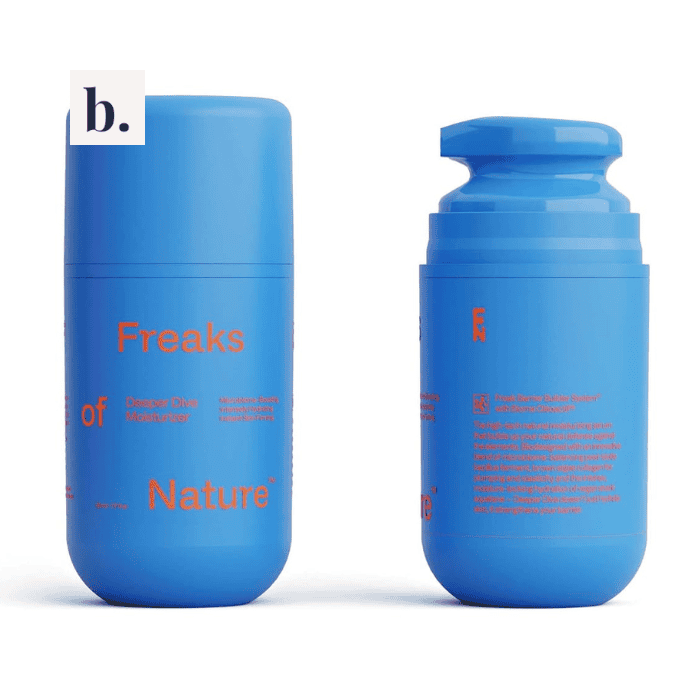
Freaks of Nature
Freaks of Nature Deeper Dive Hydrator
If you prefer an oil-based moisturizer, Deeper Dive offers a short squalane-and-plant-oil formula for surface softness. Its microbiome test does not establish clearer skin or repaired barrier function, so choose it for…
Read the BeautyBrief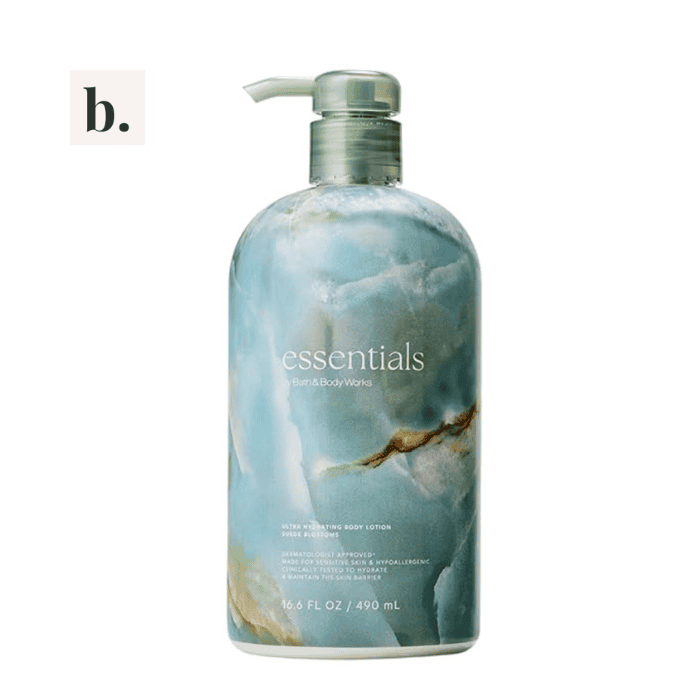
Bath & Body Works
Bath & Body Works Suede Blossoms Ultra Hydrating Body Lotion
If your body skin is normal or dry and you enjoy scented lotion, Suede Blossoms offers familiar humectants and emollients for everyday softness. Its hypoallergenic label does not guarantee fragrance tolerance, and…
Read the BeautyBrief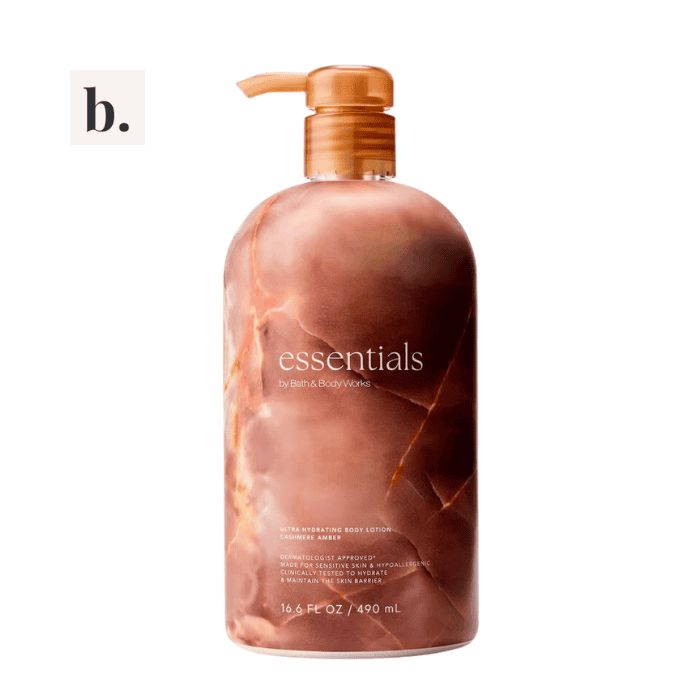
Bath & Body Works
Bath & Body Works Cashmere Amber Ultra Hydrating Body Lotion
If your body skin is normal or dry and you enjoy an amber fragrance, Cashmere Amber offers familiar humectants and emollients for everyday softness. Its hypoallergenic label does not guarantee fragrance tolerance,…
Read the BeautyBrief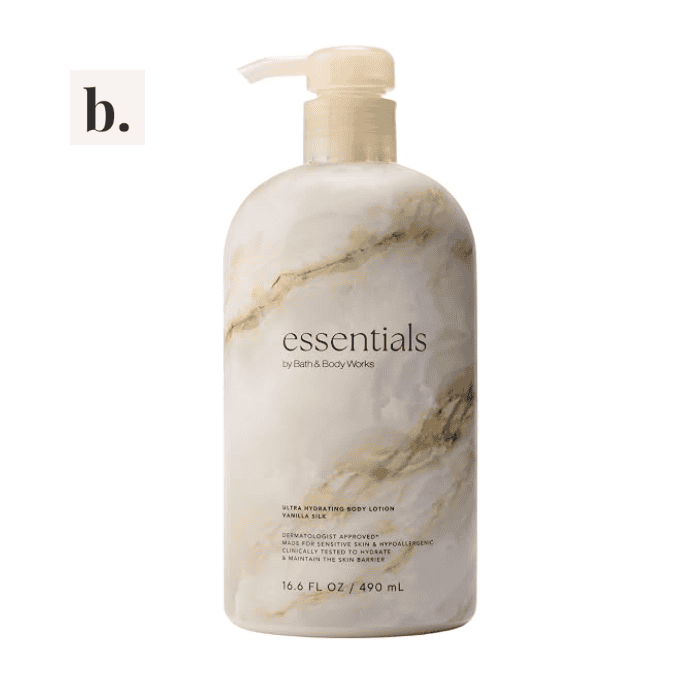
Bath & Body Works
Bath & Body Works Vanilla Silk Ultra Hydrating Body Lotion
If your body skin is normal or dry and you enjoy vanilla fragrance, Vanilla Silk combines humectants and emollients for everyday softness. Its hypoallergenic claim does not guarantee fragrance tolerance, and the…
Read the BeautyBrief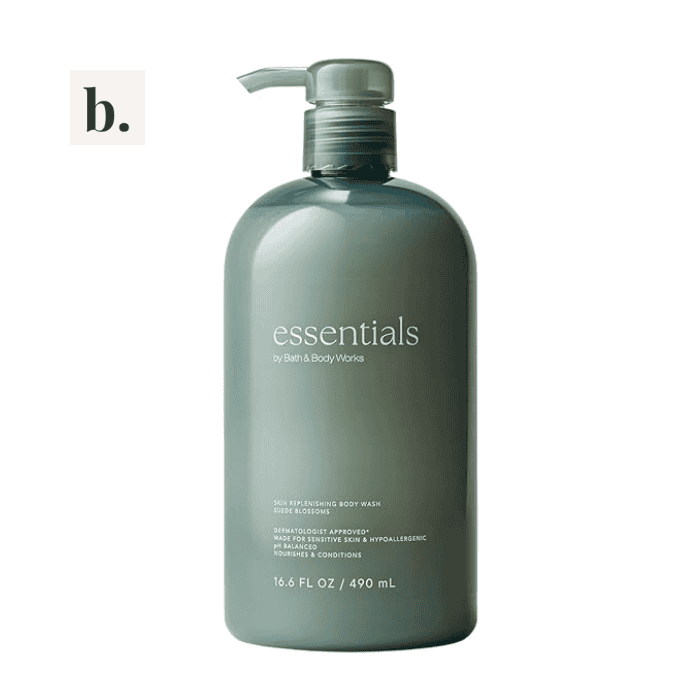
Bath & Body Works
Bath & Body Works Suede Blossoms Skin Replenishing Body Wash
If you enjoy sueded-jasmine fragrance and tolerate scented cleansers, this wash pairs a sulfate-free cleansing system with glycerin for comfort-focused daily use. Its hypoallergenic and dermatologist-approved positioning does not guarantee fragrance tolerance…
Read the BeautyBrief