
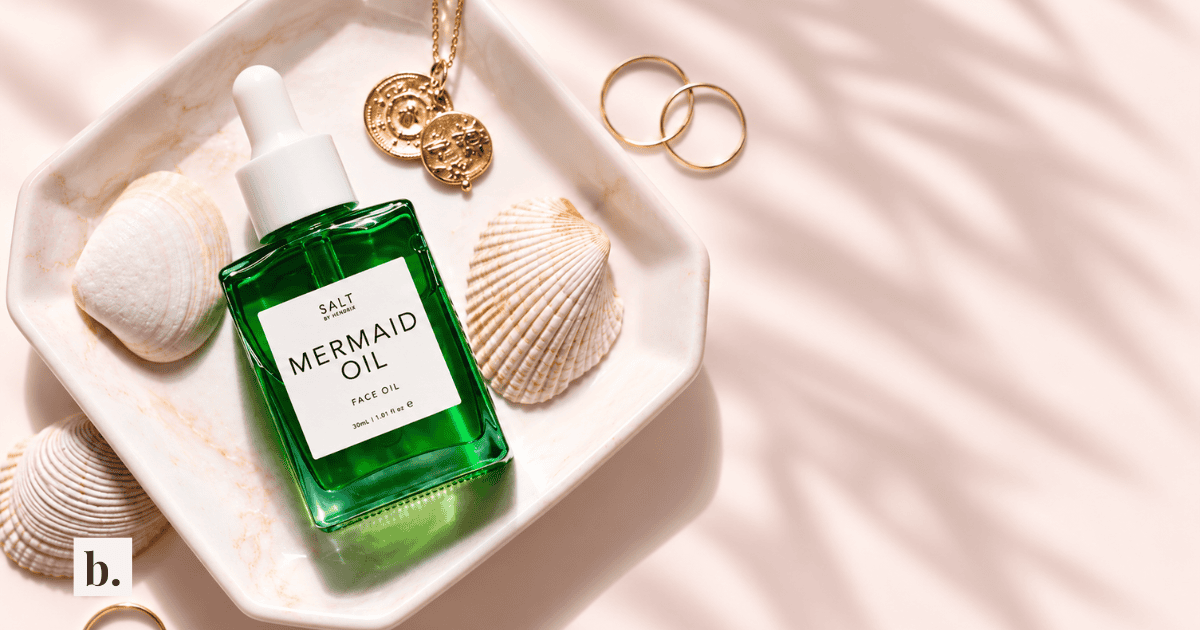
Do You Need a Face Oil? When Facial Oils Help—and When They Just Add Another Step
At a glance
A face oil makes your skin feel softer, but that does not mean your routine needs one. Whether an oil earns a place depends on what your moisturizer already provides, how your skin feels throughout the day, and what you expect the extra step to accomplish.
If you are considering a facial oil because your skin feels tight, flaky, or dull, start by looking at your moisturizer. Many facial oils provide softness and a richer finish, but they do not replace everything a complete moisturizer does.
The meaningful question is not whether oils are good for skin. It is whether adding one solves a problem your current routine has not solved.
What does a face oil actually do?
Most facial oils work primarily as emollients: they smooth and soften the skin surface. Some oil-rich formulas also help slow moisture loss by leaving a protective film, although the strength of that effect depends on the oil and the complete formula. [1]
This explains why skin often feels smoother immediately after applying an oil. That effect is real, but it is different from treating acne, increasing collagen, fading pigmentation, or permanently repairing the skin barrier. An oil’s pleasing finish does not establish those treatment claims.
Face oil vs. moisturizer: what is the difference?
A well-designed moisturizer can combine three useful functions. Humectants, such as glycerin, help support water content in the outer skin. Emollients improve softness and smoothness. Occlusives reduce evaporative moisture loss. [2]
A nearly pure facial oil mainly supplies the emollient part of that system. Some oils also contribute occlusion, but they generally do not bring the water-based humectants found in creams and lotions. That is why a face oil can make dehydrated-feeling skin more comfortable without necessarily being the most complete solution.
If your moisturizer already contains suitable humectants, emollients, and occlusives, a separate oil often repeats a job it is already doing.
When does adding a facial oil make sense?
An oil has a practical role when your skin still feels rough or uncomfortable despite using a moisturizer, especially in dry weather. A few drops applied to dry-feeling areas can add softness without requiring a complete routine change.
You may also simply prefer the slip, glow, or richer nighttime finish of an oil. Sensory preference is a legitimate reason to use a product, provided you like the finish and it does not create problems for your skin.
Keep the result specific: an oil that improves comfort has earned a role as an emollient. It has not automatically earned credit for treating wrinkles, acne, or another concern.
When is face oil just another unnecessary step?
If your skin stays comfortable with your existing moisturizer, adding oil is optional. It is also worth reconsidering if the extra layer feels greasy, pills under other products, or interferes with the sunscreen finish you prefer.
For persistent dryness, a richer moisturizer that combines humectants with appropriate emollients and occlusives can be more practical than layering several separate bottles. Petrolatum-rich products offer a more pronounced moisture-sealing approach than many lightweight botanical oils, although their feel and suitability differ. [2]
Do face oils help dehydrated skin?
Dryness and dehydration are related, but they do not describe exactly the same thing. Dry skin involves a weakened ability to retain moisture and often feels rough or flaky; dehydration refers to low water content in the skin’s outer layer. You can experience both at once.
Because most oils are not humectants, putting oil alone on skin that needs water-binding support can leave the underlying problem unresolved. Check whether your moisturizer supplies ingredients such as glycerin alongside the emollients and occlusives that help maintain comfort.
Can you use a face oil with tretinoin or exfoliating acids?
Yes, a simple facial oil can fit into a routine that includes retinoids or exfoliating acids. But an oil is not a guarantee against irritation, and adding more layers does not make an overly irritating treatment schedule appropriate.
If your skin develops persistent burning, significant peeling, swelling, or increasing redness, do not try to cover the symptoms with more oil. Review the treatment instructions and seek clinical advice for persistent or severe irritation. A gentle moisturizer is a more useful foundation than a complicated collection of comforting extras.
Does the type of facial oil matter?
It matters for texture, feel, and how much moisture-sealing support a formula offers. It does not establish that one fashionable oil is universally superior.
Squalane is a straightforward emollient suited to people who want softness without assuming a treatment benefit. Jojoba oil is a wax-ester-rich emollient; its chemistry does not prove that it prevents breakouts. Meadowfoam seed oil offers a richer conditioning option, but a separate bottle is still unnecessary when your moisturizer does enough.
Choose the finished formula for how it fits your skin and routine, not because the label features an exotic oil or a long list of botanical extracts. If you are acne-prone or reactive, introduce a new leave-on oil cautiously and watch how your skin responds rather than relying on universal claims that a particular oil cannot clog pores.
Where should face oil go in your routine?
If you use a separate facial oil, start with a small amount after lighter products or use it alongside your moisturizer, depending on the products’ directions and the finish you prefer. The common rule of applying products strictly from thinnest to thickest is a convenience, not a universal law of absorption. For a closer look at sequence and treatment-specific exceptions, see Does Skincare Order Really Affect Absorption?
During the day, make sure your oil does not prevent an even application of sunscreen. A facial oil is not a sunscreen substitute.
What should you check before buying a face oil?
First, identify the job you want it to do. Is your current moisturizer failing to keep your skin comfortable, or do you simply want a glossier finish? Those are different reasons to spend money.
Next, consider the complete ingredient list, expected finish, compatibility with other steps, packaging, and how much product you actually need. A basic oil that delivers the texture you want can be a better fit than a Premium blend whose additional claims lack product-specific evidence.
Finally, test the routine rather than the marketing. If a suitable moisturizer solves the same problem, there is no reason to add a dedicated oil just to make the routine feel complete.
The BB Perspective
A face oil is a useful optional texture and comfort product, not a required skincare category. It earns its place when it contributes softness or richness your moisturizer does not provide and when you enjoy using it.
For most routines, prioritize a moisturizer that meets your skin’s hydration and moisture-retention needs. Add a facial oil only for a specific, noticeable benefit. More steps do not automatically mean better skin.
Last reviewed: October 2026
Sources
Kang SY, Um JY, Chung BY, et al. Moisturizer in Patients with Inflammatory Skin Diseases. Medicina (Kaunas). 2022;58(7):888. doi:10.3390/medicina58070888. PMID: 35888607.
This review describes humectant, emollient, and occlusive functions. Its inflammatory-skin-disease context should not be treated as a direct clinical trial of consumer facial oils. Return to citation
DermNet. Emollients and moisturisers. Clinical education reference. Explains differences among humectants, emollients, and occlusives; not a comparison trial of finished facial oils. Return to citation
Related product BeautyBriefs
These BeautyBriefs cover products relevant to the needs discussed in this Beauty Briefing. Inclusion here reflects topic relevance, not a rating or endorsement.

Allies of Skin
Allies of Skin The Lab Drop 10/10/10 Multi GF Exo Advanced Recovery Ampoules
If you are considering Allies of Skin Lab Drop 10/10/10 Ampoules for visible aging, its growth-factor and exosome-themed complexes make an ambitious treatment story. The brand's reported improvements do not establish biological…
Read the BeautyBrief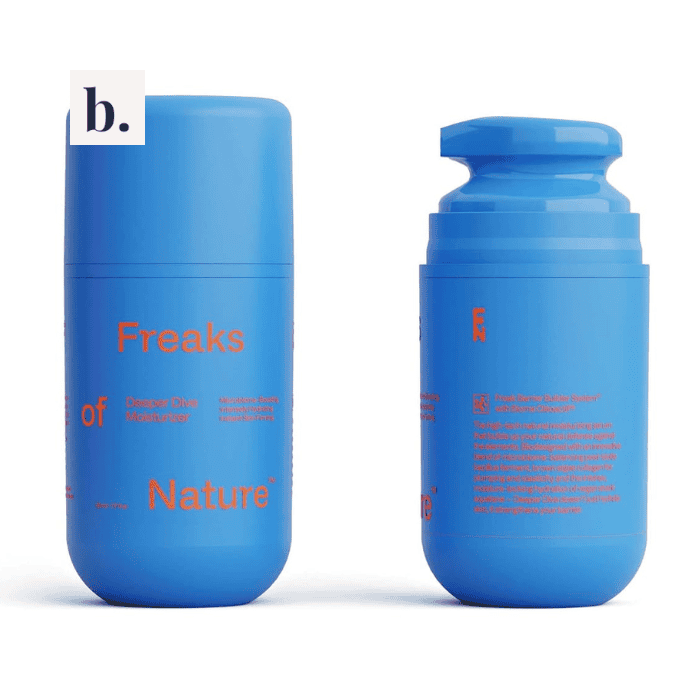
Freaks of Nature
Freaks of Nature Deeper Dive Hydrator
If you prefer an oil-based moisturizer, Deeper Dive offers a short squalane-and-plant-oil formula for surface softness. Its microbiome test does not establish clearer skin or repaired barrier function, so choose it for…
Read the BeautyBrief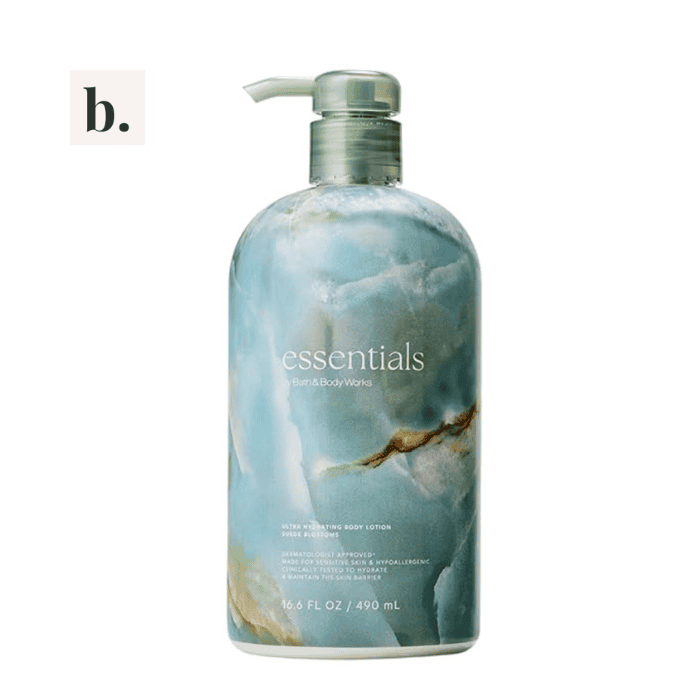
Bath & Body Works
Bath & Body Works Suede Blossoms Ultra Hydrating Body Lotion
If your body skin is normal or dry and you enjoy scented lotion, Suede Blossoms offers familiar humectants and emollients for everyday softness. Its hypoallergenic label does not guarantee fragrance tolerance, and…
Read the BeautyBrief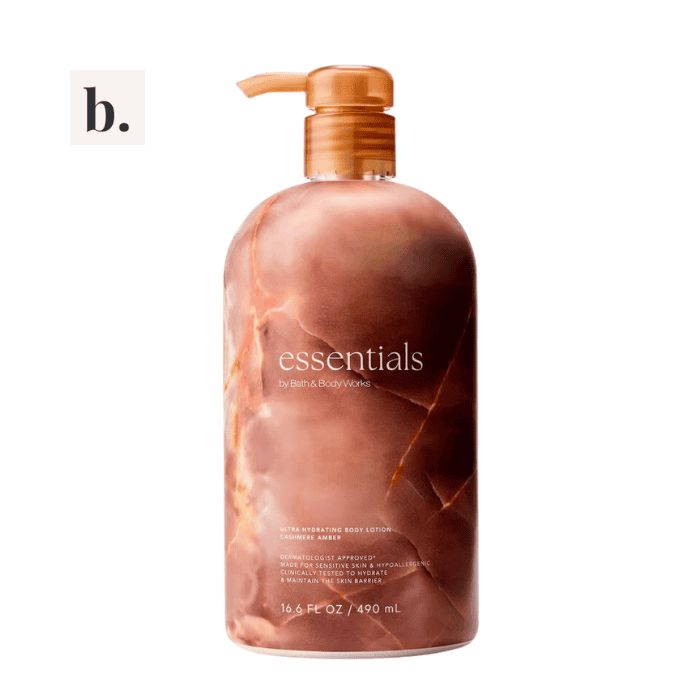
Bath & Body Works
Bath & Body Works Cashmere Amber Ultra Hydrating Body Lotion
If your body skin is normal or dry and you enjoy an amber fragrance, Cashmere Amber offers familiar humectants and emollients for everyday softness. Its hypoallergenic label does not guarantee fragrance tolerance,…
Read the BeautyBrief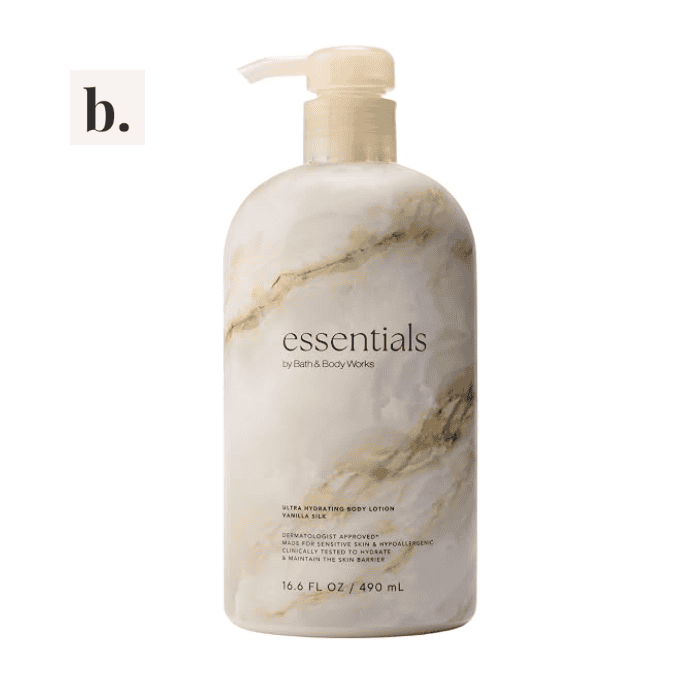
Bath & Body Works
Bath & Body Works Vanilla Silk Ultra Hydrating Body Lotion
If your body skin is normal or dry and you enjoy vanilla fragrance, Vanilla Silk combines humectants and emollients for everyday softness. Its hypoallergenic claim does not guarantee fragrance tolerance, and the…
Read the BeautyBrief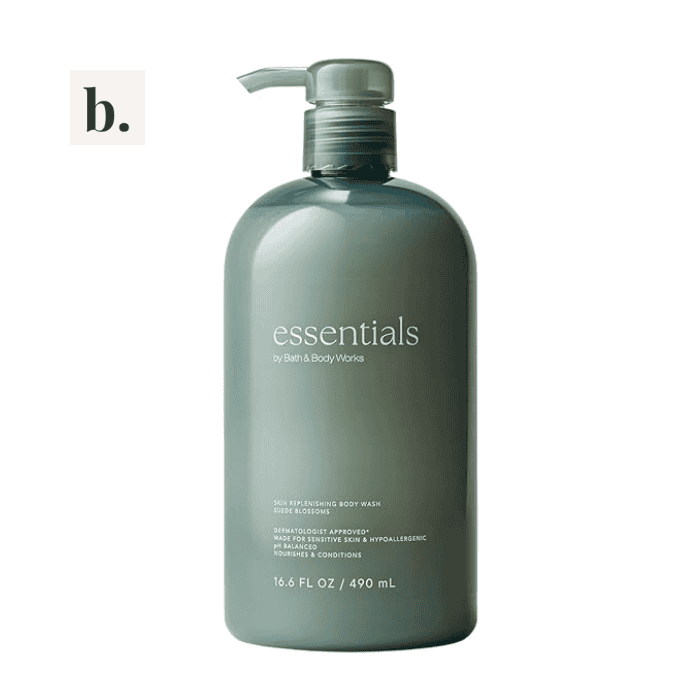
Bath & Body Works
Bath & Body Works Suede Blossoms Skin Replenishing Body Wash
If you enjoy sueded-jasmine fragrance and tolerate scented cleansers, this wash pairs a sulfate-free cleansing system with glycerin for comfort-focused daily use. Its hypoallergenic and dermatologist-approved positioning does not guarantee fragrance tolerance…
Read the BeautyBrief