
Do Microdart Pimple Patches Work Better Than Regular Patches? What the Evidence Shows
If you’re choosing a pimple patch, compare hydrocolloid, salicylic-acid, microdart, and dark-spot formats to find the right option for your blemish.

If you’re choosing a pimple patch, compare hydrocolloid, salicylic-acid, microdart, and dark-spot formats to find the right option for your blemish.
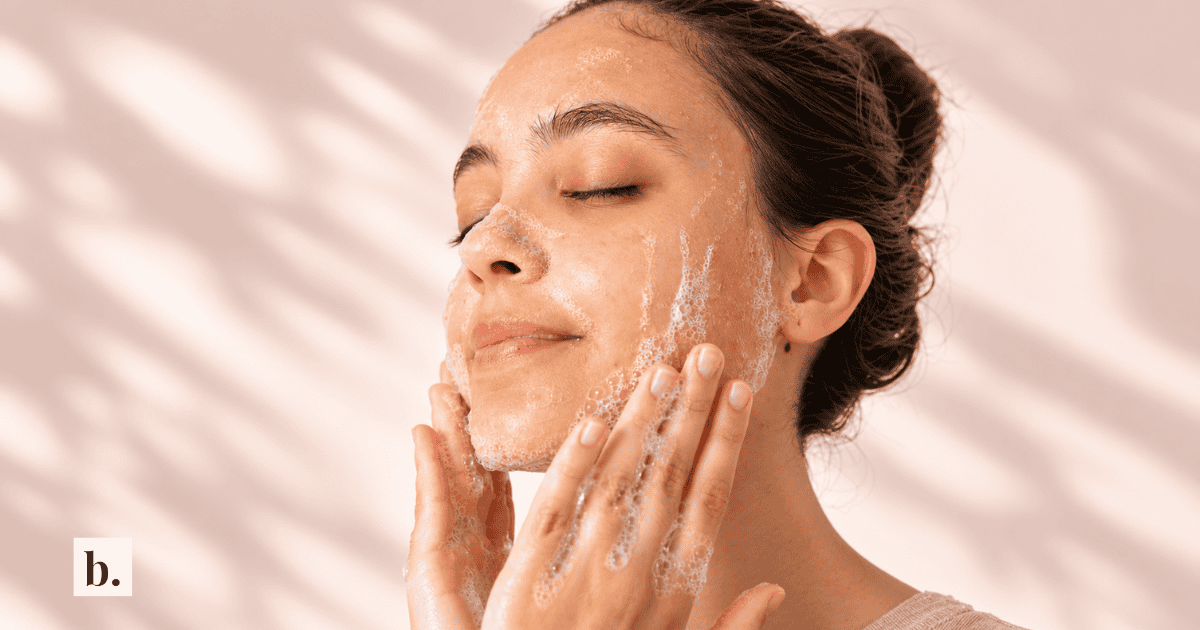
If you’re choosing a face wash, compare foaming, hydrating, acne-treatment, and barrier-friendly formulas by how they cleanse and how your skin feels.
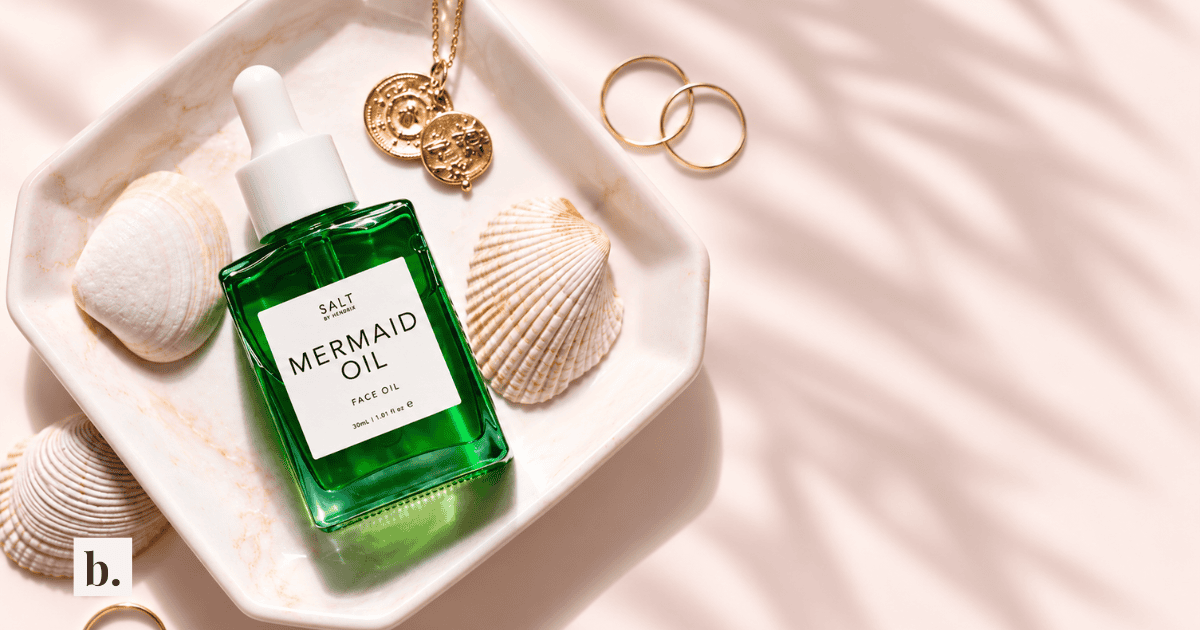
Do you need a face oil? Understand when facial oils add useful softness, how they compare with moisturizers, and when the extra skincare step is unnecessary.

Learn what air pollution actually does to skin, which anti-pollution skincare claims have evidence, and whether you need a separate pollution-protection product.

Learn what low humidity actually does to skin, what TEWL means, when a humidifier helps, and how to adjust humectants, emollients, and occlusion when dry air makes your skin feel tight.

Learn what human studies actually show about dissolving microneedle eye patches for wrinkles, including hydration, crow’s-feet results, barrier disruption, tolerability, and why product-specific testing matters.

If your skin flushes, stings, or reacts easily, learn how to choose a gentle cleanser, moisturizer, sunscreen, and treatment without overloading your routine.

Learn how skincare around your eyes can contribute to dryness or irritation, what the evidence says about retinoids, surfactants, tea tree oil, preservatives, and product migration, and what to change first.

At-home exfoliating acid strength is not just a percentage. Learn how pH, contact time, format, frequency, and routine stacking change exposure—and where high-concentration chemical peels cross into professional-supervision territory.

Loose or crepey skin after GLP-1 weight loss can reflect dryness, volume loss, or true laxity. Learn what skincare can improve, what it cannot replace, and how to judge firming claims.