

Affordable Retinol Alternatives: What to Use Instead
At a glance
“Retinol alternative” can mean very different things depending on why you wanted retinol in the first place. The most useful substitute may not mimic retinol at all—it may simply target your actual concern more directly, with less irritation, less expense, or a better fit for your routine.
Retinol is inexpensive in theory, but the products built around it are not always easy to use. Dryness, flaking, stinging, slow introduction, and pregnancy-related restrictions can make even a low-cost retinol a poor fit for you. Retinoids also have a deeper evidence base for acne and photoaging than most cosmetic alternatives, especially prescription tretinoin.[1]
That does not mean you need to force a retinoid routine. A good alternative may be gentler, cheaper, easier to use consistently, or better targeted to the problem you actually want to solve. The key is to avoid treating every “retinol-like” claim as clinical equivalence.
Buy based on the result you need, the formula’s likely tolerability, and whether the product can replace a real routine step. Save your money when a serum promises retinol-level transformation without enough evidence to support that claim.
What to consider instead of retinol
| If you wanted retinol for… | Consider first | What it does not replace |
|---|---|---|
| Acne/clogged pores | Salicylic acid or azelaic acid | Full retinoid effect |
| Redness + post-breakout marks | Azelaic acid | Wrinkle treatment |
| Uneven tone | Vitamin C or azelaic acid | Sunscreen |
| Retinoid intolerance + visible aging | Bakuchiol or peptide moisturizer | Strong retinoid evidence |
| Surface roughness | AHA such as lactic acid or glycolic acid | Retinoid-equivalent acne or photoaging treatment |
| Barrier support | Niacinamide/peptides | A true retinoid substitute |
Which BB-reviewed retinol-free products should you compare?
For searches such as “best retinol alternative,” the practical answer starts with the job you need done. These published BeautyBriefs are retinol-free product examples by shopper concern, not head-to-head winners or clinically equivalent replacements for retinoids:
- Gentler, budget-friendly moisturizing with peptide support: The INKEY List Peptide Moisturizer (Budget). A lightweight moisturizer with identified peptide complexes. Hydration and routine comfort are clearer benefits than clinically quantified wrinkle correction.
- Richer, fragrance-free night care without retinoids: Cetaphil Healthy Renew Night Cream (Mid-Range). A fit for dry, normal, combination, or sensitive skin prioritizing overnight moisture and some visible-aging support. Cetaphil reports finished-product results, but public study details are limited; this is not proven to perform like retinol.
- Barrier support and a lightweight finish: Naturium Niacinamide Gel Cream 5% (Mid-Range). A disclosed 5% niacinamide moisturizer for hydration and skin appearance, not a retinoid-strength wrinkle treatment or an acne medication.
- Clogged pores and mild breakouts: The INKEY List Salicylic Acid Cleanser (Budget). Its labeled 2% salicylic acid has an acne-treatment role, but it is a rinse-off cleanser, not a leave-on retinoid substitute or wrinkle treatment.
What about bakuchiol? The ingredient-level evidence discussed below comes from a specific small trial using 0.5% bakuchiol in a leave-on formula. When choosing a finished bakuchiol product, check the actual disclosed concentration, formula, directions, tolerability, and product-specific testing; a “retinol alternative” label alone does not establish equivalence.
Retinol benchmarks—not alternatives: BB also reviews Olay Regenerist Retinol24 Night Moisturizer and Neutrogena Rapid Tone Repair Retinol + Vitamin C Correcting Cream. Both contain actual retinol. Compare these if you are deciding whether to stay with a retinoid or choose a different type of product; do not mistake them for retinol-free options.
First, be clear about what you are replacing
Retinol is a vitamin A derivative. After conversion in the skin, retinoids can influence cell turnover and collagen-related processes, which is why they are used for acne, rough texture, fine lines, and uneven tone. The tradeoff is predictable: retinoids can irritate skin, especially when used too often or layered with too many other actives.
For a closer look at the ingredient you may want to replace, see BB’s Retinol ingredient page. Retinol and prescription tretinoin belong to the retinoid family but do not have identical potency or evidence for every outcome.
The American Academy of Dermatology advises avoiding prescription retinoids and over-the-counter retinol products during pregnancy.[2] If you are pregnant, trying to become pregnant, or breastfeeding, ask your obstetrician or dermatologist which acne or anti-aging products fit your situation.
If pregnancy is the reason you are avoiding retinoids, do not assume every product described as an “alternative” is automatically appropriate. AAD advises discussing treatment changes with your clinicians and specifically recommends limiting or discussing several other skincare actives during pregnancy.[2]
An alternative may replace one retinol goal. It usually will not replace the whole category. If fine lines are your main concern and your skin tolerates retinoids, a basic retinol or retinal product may still be better value than an expensive alternative serum. If your barrier is compromised or you cannot use retinoids, forcing the category is not discipline. It is poor product fit.
Azelaic acid for acne, redness, and dark marks
Azelaic acid is one of the stronger alternatives when your real priority is acne, visible redness, or post-breakout discoloration. A systematic review found it more effective than vehicle for acne, rosacea, and melasma, while finding no eligible randomized trials for skin-aging outcomes.[3]
If you are dealing with both breakouts and uneven tone, azelaic acid can be a more efficient purchase than a retinol product plus a separate brightening treatment. Look for a formula with a disclosed active, a simple base, and no unnecessary fragrance if your skin is reactive.
Do not expect azelaic acid to erase deep wrinkles. Its value is in its range across acne, discoloration, and visible redness, not in acting like prescription retinoic acid.
Salicylic acid for clogged pores and active breakouts
If your reason for buying retinol is blackheads, clogged pores, or recurring pimples, salicylic acid may be the more direct affordable option. FDA’s OTC acne monograph permits salicylic acid at 0.5% to 2% as an acne active ingredient.[4]
A leave-on salicylic acid product can be useful for congestion, but daily use is not automatically better. Start conservatively if your routine already contains other products that leave your skin dry or irritated.
Do not assume a formula is better because it stacks salicylic acid with several other exfoliating ingredients. More actives can make the routine harder to tolerate without making it more useful for your actual concern.
Vitamin C for discoloration and dullness
Vitamin C is not a retinol replacement for acne, but it can make more sense when your main goal is brighter-looking skin or visible sun-related aging. A 2023 systematic review found seven qualifying randomized publications with 139 participants. The results were encouraging for pigmentation and photoaging, but formulas, concentrations, protocols, and combination treatments varied, and the authors concluded that more research is needed.[5] It does not replace sunscreen.
L-ascorbic acid has the most familiar evidence base, but it can be unstable and irritating. Some affordable formulas use gentler derivatives that are easier to tolerate but less directly studied. Neither route is automatically superior. A stable product you use consistently is better value than a high-strength serum that oxidizes quickly or stings every time you apply it.
Packaging matters, but there is no single best container for every vitamin C formula. For forms that degrade readily with light or air, opaque, air-limiting packaging can be helpful. Other vitamin C derivatives and well-stabilized finished formulas have different stability needs, so a clear dropper bottle is not automatically inferior. Look for product-specific stability information rather than judging the bottle alone.
If vitamin C better matches your goal, BB’s How to Choose Vitamin C Serum Without Wasting Money compares forms, concentration, stability, finished-product evidence, and price before you buy.
Niacinamide for barrier support and uneven tone
Niacinamide is frequently oversold as a solution for everything. It is not. Still, it can earn routine space when you want barrier support and a lower-irritation approach to uneven tone. A small randomized split-face trial found improvement in melasma with 4% niacinamide, although that does not make niacinamide a replacement for retinoids across every aging or acne concern.[6]
The problem is concentration theater. A 10% niacinamide serum is not automatically better than a lower-strength formula. If your moisturizer already contains niacinamide and is doing the job you need, buying a separate serum may be redundant.
Niacinamide is most rational as a supporting active. It is not a standalone answer to pronounced acne scarring, melasma, or deep wrinkles. Those concerns usually need a more targeted plan and, in some cases, a dermatologist.
Peptides for a gentler anti-aging routine
Peptides are reasonable to consider when you want a comfortable anti-aging moisturizer and cannot or do not want to use retinoids. The evidence is much less straightforward than the marketing suggests. A 2026 systematic review included 19 randomized trials, but only two evaluated topical peptide formulations; most of the pooled evidence came from oral peptides.[7]
That does not make every peptide product a waste of money. A modestly priced moisturizer with peptides, humectants, and barrier-supporting ingredients can still be a sensible purchase for dry or sensitive skin. Much of the visible benefit may come from hydration and improved comfort, with the peptides treated as a possible bonus rather than the reason to pay a large premium.
Be skeptical of expensive peptide serums that make medical-style collagen claims without clear formula information, finished-product testing, or a realistic timeline. Packaging and proprietary complex names are not evidence.
For the bigger comparison of peptides and newer skin-longevity claims against established retinoids, read Are New Skin-Longevity Ingredients Better Than Retinoids?. It explains why a gentler product can be a better personal fit without being a stronger wrinkle treatment.
Bakuchiol when you want the closest concept
Bakuchiol is the most recognizable “retinol alternative” because it is marketed around retinol-like benefits. In a small 12-week randomized double-blind trial, bakuchiol 0.5% used twice daily and retinol 0.5% used once daily both improved measured photoaging outcomes, while retinol users reported more scaling and stinging.[8]
That result is interesting, but it does not make bakuchiol interchangeable with retinol, retinal, adapalene, or tretinoin. The evidence base is smaller, and the product formula still matters. Bakuchiol can be worth considering when retinoids are consistently irritating and your goal is mild texture or early visible aging.
The price-value problem is common. Bakuchiol products are often sold at premium prices despite modest evidence and formulas that lean heavily on oils, fragrance, or botanical storytelling. An affordable, fragrance-free bakuchiol product can be worth trying, but only if you would still consider the base formula useful without the hero ingredient.
AHAs for surface texture, with limits
Lactic acid and glycolic acid can improve the look of dullness and rough surface texture by exfoliating the outer layer of skin. If you want smoother makeup application or less visible flaking, an AHA may offer faster cosmetic improvement than a retinol product.
AHAs are not interchangeable with retinoids for acne or skin aging. FDA guidance also warns that cosmetics containing alpha hydroxy acids can increase sun sensitivity during use and for up to a week after stopping.[9]
That does not mean AHAs have no effects beyond surface exfoliation. A clinical review describes glycolic acid use for acne and hyperpigmentation.[10] An older pilot study applying 25% AHA lotion to photoaged forearm skin also found improvements in dermal measures, including collagen density, compared with a placebo-treated site.[11] These studies do not establish that a typical over-the-counter AHA serum matches retinoid treatment: concentration, formulation, study population, and treatment setting matter. Choose an AHA for a goal its particular product can realistically address, not as a promised retinoid equivalent.
Start with one exfoliating product, use it sparingly, and avoid layering it with other strong actives on the same night unless you know your skin can handle that combination.
How to judge value before you buy
The best affordable retinol alternatives are often unglamorous: practical packaging, a focused ingredient list, and a realistic claim. Before checking out, ask whether the product targets your actual concern, whether the active ingredient is plausibly present at a useful level, and whether you can use it often enough to see a result.
Check for routine duplication. A niacinamide serum, brightening toner, and moisturizer may all contain niacinamide. Two exfoliating products can quietly become an irritation problem. Price should be considered per ounce or per application, but tolerability is part of value too.
When comparing finished products, also check the current U.S. ingredient list for retinol or other vitamin A derivatives, whether the formula is leave-on or rinse-off, and whether the claimed result was demonstrated in the product sold to you. A formula that is useful for hydration, pore cleansing, or visible redness does not automatically duplicate retinol’s skin-aging benefits.
Sun protection deserves more priority than another “retinol alternative” serum. The American Academy of Dermatology recommends broad-spectrum, water-resistant sunscreen with SPF 30 or higher.[12] If visible sun-related aging or discoloration is your concern, it is hard to justify spending heavily on treatment while neglecting that step.
The BB Perspective
The smartest retinol alternative is not the one that sounds most like retinol. It is the one that solves the specific problem retinol was supposed to solve for you.
For acne and clogged pores, salicylic acid or azelaic acid may be more direct. For uneven tone, vitamin C, azelaic acid, niacinamide, and sunscreen often matter more than a generic “renewal” serum. For sensitive or dry skin, a peptide or niacinamide moisturizer may be more useful than another active treatment.
Retinoids still have the stronger evidence base for several acne and photoaging outcomes. The reason to choose an alternative is not that it is secretly the same. The reason is that it may fit your skin, routine, budget, or life stage better. That is enough, as long as the product earns its place without pretending to be something it is not.
Last reviewed: October 2026
Sources
Balado-Simó P, Morgado-Carrasco D, Gómez-Armayones S, et al. An Updated Review of Topical Tretinoin in Dermatology: From Acne and Photoaging to Skin Cancer. Journal of Clinical Medicine. 2025;14(22):7958. doi:10.3390/jcm14227958.
This review summarizes the established evidence for topical tretinoin in acne and photoaging. It supports the article’s distinction between the stronger retinoid evidence base and the more limited evidence for most cosmetic alternatives. Return to citation.
American Academy of Dermatology Association. Dermatologist-Approved Pregnancy Skin Care. Accessed September 2026.
AAD advises avoiding prescription retinoids and over-the-counter retinol products during pregnancy and recommends discussing pregnancy and breastfeeding skincare with appropriate clinicians. Return to citation.
King S, Campbell J, Rowe R, et al. A Systematic Review to Evaluate the Efficacy of Azelaic Acid in the Management of Acne, Rosacea, Melasma and Skin Aging. Journal of Cosmetic Dermatology. 2023;22(10):2650-2662. doi:10.1111/jocd.15923.
The review found randomized-trial support for azelaic acid in acne, rosacea, and melasma, while finding no eligible randomized trials evaluating skin-aging outcomes. Return to citation.
U.S. Food and Drug Administration. Final Administrative Order OTC000013: OTC Monograph M006, Topical Acne Drug Products for Over-the-Counter Human Use. Posted November 23, 2021. Accessed September 2026.
The monograph lists salicylic acid at 0.5% to 2% among permitted active ingredients for OTC acne drug products. Return to citation.
Correia G, Magina S. Efficacy of Topical Vitamin C in Melasma and Photoaging: A Systematic Review. Journal of Cosmetic Dermatology. 2023;22(7):1938-1945. doi:10.1111/jocd.15748.
This systematic review included seven randomized publications with 139 participants. It found encouraging results for pigmentation and photoaging while noting substantial variation in formulas, concentrations, study methods, and combination treatments. The authors concluded that more research is needed, including work to establish an ideal topical vitamin C concentration. Return to citation.
Navarrete-Solís J, Castanedo-Cázares JP, Torres-Álvarez B, et al. A Double-Blind, Randomized Clinical Trial of Niacinamide 4% versus Hydroquinone 4% in the Treatment of Melasma. Dermatology Research and Practice. 2011;2011:379173. doi:10.1155/2011/379173.
This small split-face trial supports cautious language about topical niacinamide for pigmentation. It does not establish niacinamide as a substitute for retinoids across acne or skin-aging outcomes. Return to citation.
Nukaly HY, Halawani IR, Irtaza HM, et al. Oral and Topical Peptides for Skin Aging: Systematic Review and Meta-Analysis of Randomized Controlled Trials. Frontiers in Medicine. 2026;13:1618306. doi:10.3389/fmed.2026.1618306.
The review included 19 randomized trials, but only two evaluated topical peptide formulations; most participants and pooled effects came from oral peptide studies. This limits how confidently the findings can be applied to topical peptide skincare. Return to citation.
Dhaliwal S, Rybak I, Ellis SR, et al. Prospective, Randomized, Double-Blind Assessment of Topical Bakuchiol and Retinol for Facial Photoageing. British Journal of Dermatology. 2019;180(2):289-296. doi:10.1111/bjd.16918.
In this 44-participant, 12-week trial, bakuchiol 0.5% twice daily and retinol 0.5% once daily both improved measured photoaging outcomes, while retinol users reported more scaling and stinging. The study does not establish equivalence between bakuchiol and the broader retinoid category. Return to citation.
U.S. Food and Drug Administration. Guidance for Industry: Labeling for Cosmetics Containing Alpha Hydroxy Acids. January 2005. Accessed September 2026.
FDA says cosmetics containing alpha hydroxy acids may increase sun sensitivity during use and for up to a week after stopping, supporting the article’s emphasis on sun protection. Return to citation.
Green BA, Yu RJ, Van Scott EJ. Clinical and Cosmeceutical Uses of Hydroxyacids. Clinics in Dermatology. 2009;27(5):495-501. doi:10.1016/j.clindermatol.2009.06.023.
This clinical review discusses glycolic acid in treatment formulations used for hyperpigmentation, acne, and photoaged skin. The authors were affiliated with NeoStrata, a skincare company involved with hydroxy-acid products; this industry context matters when weighing the review. It does not establish the effectiveness of every retail AHA product. Return to citation.
Ditre CM, Griffin TD, Murphy GF, et al. Effects of Alpha-Hydroxy Acids on Photoaged Skin: A Pilot Clinical, Histologic, and Ultrastructural Study. Journal of the American Academy of Dermatology. 1996;34(2 Pt 1):187-195. doi:10.1016/S0190-9622(96)80110-1.
In this pilot study, 25% AHA lotion applied to one forearm was compared with placebo on the other over about six months. Reported changes included increased thickness and collagen density in the papillary dermis. The concentration and forearm study design limit extrapolation to typical retail facial exfoliants; some investigators also had industry relationships with NeoStrata. Return to citation.
American Academy of Dermatology Association. Sunscreen FAQs. Accessed September 2026.
AAD recommends broad-spectrum, water-resistant sunscreen with SPF 30 or higher and notes that consistent sun protection helps reduce premature skin aging from ultraviolet exposure. Return to citation.
Related product BeautyBriefs
These BeautyBriefs cover products relevant to the needs discussed in this Beauty Briefing. Inclusion here reflects topic relevance, not a rating or endorsement.

Allies of Skin
Allies of Skin The Lab Drop 10/10/10 Multi GF Exo Advanced Recovery Ampoules
If you are considering Allies of Skin Lab Drop 10/10/10 Ampoules for visible aging, its growth-factor and exosome-themed complexes make an ambitious treatment story. The brand's reported improvements do not establish biological…
Read the BeautyBrief
Schaf
Schaf Moisturizer 3.0
If you prefer a fragrance-free cream, Schaf Moisturizer 3.0 offers rich emollience alongside niacinamide and bakuchiol. Its Premium value rests on how the texture and ingredient blend suit you, not established retinoid-level…
Read the BeautyBrief
Oak Essentials
Oak Essentials Antioxidant Hand Serum
If your hands look dry, Oak Essentials Hand Serum offers humectants and emollients for softness. Its Premium value depends on the scented finish, not unproven cellular regeneration.
Read the BeautyBrief
Neutrogena
Neutrogena Rapid Wrinkle Repair Retinol Regenerating Cream
If your skin tolerates retinol and fragrance, Rapid Wrinkle Repair offers a moisturizing format for gradual fine-line care. Its Mid-Range value rests on texture and convenience rather than a disclosed retinol concentration.
Read the BeautyBrief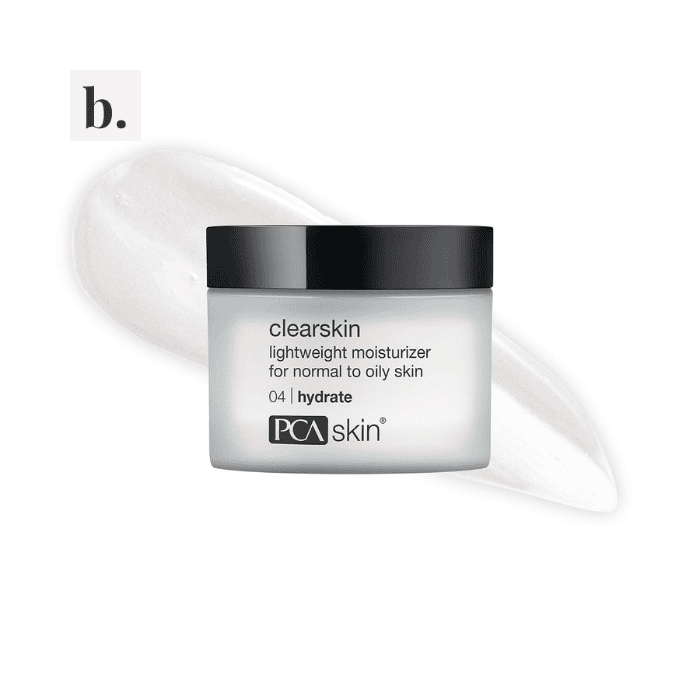
PCA SKIN
PCA SKIN Clearskin
If your skin is oily or breakout-prone and you want a light moisturizer, Clearskin offers a useful Premium formula with disclosed 4% niacinamide. Its post-breakout tone benefits are plausible rather than proven…
Read the BeautyBrief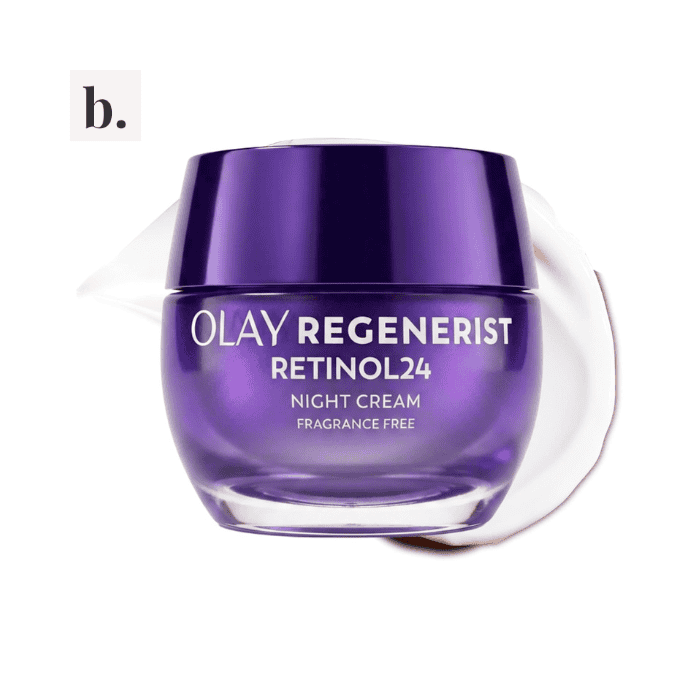
Olay
Olay Regenerist Retinol24 Night Moisturizer
If your skin tolerates retinoids, Olay Retinol24 offers a convenient fragrance-free night moisturizer with two vitamin A derivatives. Its Mid-Range value depends on routine simplicity rather than known retinol strength.
Read the BeautyBrief