

Are New Skin-Longevity Ingredients Better Than Retinoids?
At a glance
Skin-longevity products promise a newer way to support aging skin, often through peptides, antioxidants, cellular-stress pathways, or proprietary technologies. Some of those ingredients are genuinely useful, but “longevity” covers products doing very different jobs. The useful comparison is not old versus new—it is whether the newer formula solves your concern better enough to earn a place beside, or instead of, a retinoid.
Skin longevity has become a major skincare idea, but the label can describe everything from a well-made moisturizer to an expensive serum built around peptides, NAD+-related pathways, growth factors, exosomes, or proprietary cellular-aging technology.
That makes “Are longevity ingredients better than retinoids?” too broad to answer with one winner.
If you want fewer visible wrinkles, one category has a much deeper clinical record. If your bigger problem is dryness, irritation, or making an effective routine easier to tolerate, a newer formula may still be the better purchase for you.
In this Briefing
- Why retinoids still lead for wrinkles
- When a longevity product can be the smarter buy
- What the newer ingredients actually add
- When the marketing is ahead of the evidence
- How to compare a longevity serum with a retinoid
- Can you use them together?
- Is a longevity serum worth paying more for?
- Which one deserves your money?
If wrinkles are your main concern, retinoids still have the edge
For visible photoaging, especially fine lines and rough texture, retinoids remain the more established place to start.
A 2025 systematic review and meta-analysis of randomized trials found that topical tretinoin improved both fine and coarse facial wrinkles caused by photodamage compared with vehicle formulas.[1] A separate 2025 network meta-analysis also found benefits from retinoid treatments, including tretinoin and retinol, across several photoaging outcomes.[2]
That does not mean every cosmetic retinol or retinal serum performs like prescription tretinoin. Retinoid type, concentration, stability, packaging, delivery, and the rest of the formula all matter.
But if the job is improving established fine lines and uneven texture, the retinoid category has more direct human evidence than most ingredients currently sold under a longevity story.
The tradeoff is tolerability. Retinoids can cause dryness, peeling, redness, burning, and stinging. A theoretically stronger treatment is not better for you if you cannot use it consistently.
If you are pregnant, the comparison changes. The American College of Obstetricians and Gynecologists states that topical retinoids are generally recommended to be avoided during pregnancy even though systemic absorption is low.[3]
When can a skin-longevity product be the smarter buy?
A longevity-style formula makes more sense when it solves a different problem better than a retinoid does.
- Your main problem is dryness or irritation. A comfortable moisturizer or barrier-supportive serum may improve how your skin looks and feels more reliably than a retinoid you keep stopping.
- You already use a retinoid successfully. Another product can earn a place if it adds hydration, antioxidant support, or another benefit your current routine is missing.
- The finished product has useful human testing. Evidence on the formula you are buying matters more than a long explanation of an interesting cellular pathway.
- It makes an effective routine easier to use. Better texture, tolerability, stability, packaging, or fewer steps can be worth paying for.
The product should earn its place in your routine for something it actually does. “Longevity” by itself is not a skin benefit.
What do niacinamide, peptides, ectoin, and other longevity ingredients actually add?
Many ingredients used in longevity formulas are useful. The problem starts when a familiar benefit is repackaged as proof of something much bigger.
Niacinamide
Niacinamide has human evidence for improving visible signs such as fine lines, uneven pigmentation, texture, and blotchiness in a tested 5% moisturizer.[4]
That supports niacinamide as a useful cosmetic ingredient. It does not establish every niacinamide serum as a retinoid replacement, and it does not turn ordinary niacinamide into a premium longevity technology.
Peptides
Peptides are much harder to treat as one category because different peptides, concentrations, delivery systems, and finished products are not interchangeable.
A 2026 systematic review and meta-analysis found modest improvements in some skin-aging measures across peptide trials, but the wrinkle benefit was driven largely by oral polypeptide studies rather than topical peptide products. Of 1,341 participants, 1,236 received oral peptides and 105 received topical formulations.[5]
A newer 2026 critical review reinforces why you should not treat “peptides” as a single anti-aging technology. It separates signal peptides, copper-binding peptides, neuromodulatory peptides, pigment-modulating peptides, oral collagen-derived peptides, and growth-factor or regenerative preparations because they differ in molecular identity, biological target, route, and evidence base.[6]
The same review highlights a second problem for you when you are comparing products: delivery technology changes what you are actually evaluating. Lipidation, encapsulation, microneedles, and other delivery systems can change exposure, but they also make it harder to tell whether a clinical result came from the peptide itself, the delivery system, the vehicle, or the combination. Controlled human studies have reported improvements in selected endpoints such as wrinkles, hydration, elasticity, dermal density, and pigmentation, but many remain limited by small samples, short follow-up, industry sponsorship, or multi-ingredient formulas.[6]
That makes peptide evidence useful only at the level it was actually tested. Evidence for one sequence, one delivery system, or one finished formula does not establish that another topical peptide serum will perform the same way—or outperform a retinoid.
Ectoin
Ectoin is easier to justify as a supportive ingredient than as a major wrinkle-correction technology.
A systematic review of ectoin-containing topical formulas focused mainly on atopic dermatitis and other barrier-impaired conditions. The formulas improved dryness and related symptoms in the included studies, but that evidence does not establish ectoin as a retinoid alternative for photoaging.[7]
If ectoin makes a longevity serum more comfortable or useful for dry, easily irritated skin, that can be a meaningful advantage. It just is not the same job as treating wrinkles with a retinoid.
NAD+, growth factors, exosomes, and other newer technologies
The same evidence rule applies to NAD+-focused formulas, growth factors, senescence-related technologies, PDRN products, and exosome-related skincare.
Interesting biology can explain why an ingredient deserves research. It does not prove that the finished serum in your cart delivers enough of the right material, in the right form, to outperform a well-supported retinoid.
The newer or more technical the claim becomes, the more useful finished-product human evidence becomes.
IF1: when a real biological pathway is not the same as skincare proof
Biophysical Therapeutics announced the IF1 skincare brand in September 2026 around ATPase Inhibitory Factor 1, or IF1 protein, and positioned the technology within a skin-longevity story.[8]
IF1 itself is biologically real. Peer-reviewed research describes it as a regulator of mitochondrial ATP synthase and cellular energy metabolism.[9] That gives you a biological mechanism worth investigating. It does not establish that an IF1-containing moisturizer changes visible human skin aging.
The company’s own product pages also create an important buying problem. As of October 2026, the IF1 homepage presents a 50 mL IF1 Skin Moisturizer with a Buy Now option, while the company’s preorder page says the IF1-protein moisturizer is still being optimized and offers a different moisturizer without IF1 protein for immediate purchase.[8] Because the official pages conflict, you should treat the product’s current availability as unresolved rather than assuming either page tells the whole story.
More important to your decision, the public science page focuses on species-level biology and mouse evidence. The company pages reviewed do not cite a randomized controlled human trial of the finished IF1 moisturizer showing that it visibly reduces wrinkles, improves firmness, changes pigmentation, or increases skin density.[8]
This is the central distinction for longevity skincare: a biological aging mechanism is not the same as proof that the finished product in your routine changes visible skin aging. A pathway can justify research without proving that the moisturizer you buy delivers a meaningful cosmetic result.
RLX-201: finished-product testing is not proof of age reversal
A 2026 trial of Re-Q Pro-Longevity Face Serum, which contains Rapalogix’s RLX-201, is a useful example of stronger evidence for a newer skincare formula. In a 12-week randomized, double-blind study, 47 women were assigned either the serum or a matching formula without RLX-201; 44 completed the trial. The RLX-201 group showed greater improvements in several measures of firmness, elasticity, and sagging than the control group.[10]
That is human testing of the finished formula, not just an ingredient theory. But the experiment measuring suppression of the mTORC1 cellular pathway was conducted in laboratory-grown human skin models, while the study’s skin-biopsy analysis was exploratory. Better firmness and a change in a pathway associated with aging do not establish that your skin has become biologically younger or that the serum slows biological aging.
The trial was small, followed participants for only 12 weeks, included women only, and involved researchers affiliated with the manufacturer. It did not compare RLX-201 with tretinoin, retinol, or another retinoid. If your retinoid already works for you, this study is a reason to take the newer formula’s cosmetic results seriously—not evidence that you should replace it.
How can you tell when the marketing is ahead of the evidence?
Compare the size of the promise with the type of proof the brand gives you.
A moisturizer does not need a landmark clinical trial to credibly promise hydration. A serum claiming to reverse cellular aging, rebuild skin structure, extend skin longevity, or replace a retinoid is making a much larger promise.
Be more cautious when the main support is:
- a cell or laboratory pathway;
- a supplier study on a raw ingredient;
- a patent or proprietary-complex story;
- before-and-after photos without a meaningful comparison;
- consumer-perception results presented as proof of structural skin change;
- research on an oral ingredient used to support a topical serum;
- research on one finished product used to imply that every product with the same ingredient will perform similarly.
Those forms of evidence are not automatically useless. They simply answer smaller questions than the marketing may suggest.
How should you compare a longevity serum with a retinoid?
Start with the result you actually want.
- Fine lines and rough texture: A well-chosen retinoid has the stronger evidence base.
- Uneven-looking tone: Compare complete formulas. Retinoids, vitamin C, niacinamide, and other ingredients can play different roles.
- Dryness or a stressed barrier: Prioritize a moisturizer or barrier-supportive formula before assuming you need another anti-aging treatment.
- Easily irritated skin: A formula you can use comfortably may be more useful than a stronger product you repeatedly stop.
- You already use a retinoid successfully: Add a longevity product only when it gives you a separate benefit.
This prevents you from comparing products that are not really competing for the same job.
If you are specifically avoiding retinol and need practical, lower-cost products grouped by concern, BB’s Affordable Retinol Alternatives: What to Use Instead separates peptide and niacinamide moisturizers, acne-focused options, and true retinol benchmarks. Those alternatives meet different shopper needs rather than replicating retinoid results.
Can you use a longevity serum with a retinoid?
Often, yes. The ingredient list and your tolerance matter more than the longevity label.
Many formulas are built around niacinamide, peptides, antioxidants, humectants, and other supportive ingredients that can fit comfortably into your retinoid routine.
The bigger risk is duplication. A peptide serum, antioxidant serum, and longevity moisturizer may all promise firmness, resilience, and smoother-looking skin. Buying all three does not guarantee three distinct benefits.
Also check whether the product adds another retinoid, exfoliating acids, or other potentially irritating actives. More activity is not automatically a better routine.
Is a skin-longevity serum worth paying more for?
Sometimes, but the premium needs a reason you can identify.
A higher price is easier to defend when it buys meaningful finished-product testing, a difficult-to-stabilize ingredient in protective packaging, a delivery system with relevant evidence, substantially better tolerability, or a formula that replaces other steps.
What does not justify the premium by itself is the word “longevity,” a patent, a fermentation story, a proprietary complex, or a cellular pathway shown only in laboratory research.
BB’s Briefing on whether luxury serums are worth it uses the same standard: the extra money should buy an advantage you can actually use.
Which one deserves your money?
If your main goal is visible photoaging and you tolerate retinoids well, a retinoid remains the more evidence-backed place to spend first.
If your main problem is dryness, sensitivity, or a routine that becomes uncomfortable with stronger treatments, a longevity-style moisturizer or supportive serum may be the better purchase even if it is not the stronger wrinkle treatment.
And if sunscreen, moisturizer, and a retinoid are already working well for you, a new longevity product needs to add something specific before it earns another step.
The BB Perspective
You should not treat skin-longevity ingredients as a replacement class for retinoids. If visible photoaging is your main concern, retinoids still have the stronger direct evidence. Many longevity ingredients make more sense when you judge them by familiar benefits such as hydration, barrier support, antioxidant support, or improved tolerability.
You also do not need to dismiss newer technologies. You need to judge them at the level of the actual formula and the actual benefit being promised—not by how advanced the pathway sounds.
If wrinkles are your main concern and you tolerate a retinoid, newness is not a reason to switch. If your skin needs something different, choose the formula that solves that problem well. Newer does not automatically mean better.
Last reviewed: October 2026
Sources
Huang HY, Lee LTJ. Tretinoin for Photodamaged Facial Skin: Systematic Review and Meta-Analysis of Randomized Controlled Trials. Dermatology Practical & Conceptual. 2025;15(4):e20255172. doi:10.5826/dpc.1504a5172. PMID: 41236273.
The review included eight randomized trials with 1,361 participants and found that topical tretinoin improved fine and coarse facial wrinkles caused by photodamage compared with vehicle. The trials varied in formulation, strength, follow-up, and outcome measurement, so the findings support tretinoin for photodamaged wrinkles rather than every cosmetic retinoid product. Return to citation.
Lin L, Chen X, Liu C, et al. Comparative efficacy of topical interventions for facial photoaging: a network meta-analysis. Scientific Reports. 2025;15:26889. doi:10.1038/s41598-025-12597-0. PMID: 40707570.
The analysis included 23 randomized trials with 3,905 participants and found benefits from several retinoids across photoaging outcomes, including fine wrinkles and hyperpigmentation. The included products, strengths, and study methods varied, and the authors noted limited racial diversity, variable assessments, and possible commercial bias in the underlying evidence. Several authors were affiliated with the HBN Research Institute and Biological Laboratory at Shenzhen Hujia Technology Co., Ltd.; the paper itself declared no competing interests and reported public research funding. Return to citation.
American College of Obstetricians and Gynecologists. Skin Conditions During Pregnancy. Accessed September 2026.
ACOG states that topical retinoids have low systemic absorption but that their use is generally recommended to be avoided during pregnancy. This is pregnancy guidance rather than a comparison of anti-aging ingredients. Return to citation.
Bissett DL, Miyamoto K, Sun P, Li J, Berge CA. Topical niacinamide reduces yellowing, wrinkling, red blotchiness, and hyperpigmented spots in aging facial skin. International Journal of Cosmetic Science. 2004;26(5):231-238. doi:10.1111/j.1467-2494.2004.00228.x. PMID: 18492135.
This 12-week, double-blind, split-face study in 50 women compared a moisturizer containing 5% niacinamide with the same moisturizer base without niacinamide and reported improvements in several visible aging measures. The evidence belongs most directly to that tested formula and concentration rather than every niacinamide product. All listed authors were affiliated with The Procter & Gamble Company. Return to citation.
Nukaly HY, Halawani IR, Irtaza HM, et al. Oral and topical peptides for skin aging: systematic review and meta-analysis of randomized controlled trials. Frontiers in Medicine. 2026;13:1618306. doi:10.3389/fmed.2026.1618306. PMID: 41924746.
The review included 19 randomized trials with 1,341 participants: 1,236 in oral-peptide studies and 105 in topical-formulation studies. Peptides showed modest pooled improvements in some outcomes, but the wrinkle benefit was driven largely by oral polypeptides, limiting what the analysis can establish about topical peptide serums. Effects on elasticity and density were inconsistent. The authors reported no external financial support and no commercial or financial conflicts of interest. Return to citation.
Yi KH, Kim HS, Lee HE, Choi WS, Kim JH. Peptides in Aesthetic Dermatology: Classification, Fibroblast-Centered Mechanisms, Delivery Technologies, and Clinical Evidence. Life. 2026;16(10):1660. doi:10.3390/life16101660.
This critical narrative review, published October 2, 2026, separates peptide classes, routes, and delivery technologies rather than treating peptides as interchangeable. It concludes that current evidence supports product-specific interpretation and notes that many human studies are limited by small samples, short follow-up, industry sponsorship, or multi-ingredient formulations. It also explains that lipidation, encapsulation, microneedles, and other delivery systems can change exposure while making peptide-specific attribution more difficult. Return to citation.
Kauth M, Trusova OV. Topical Ectoine Application in Children and Adults to Treat Inflammatory Diseases Associated with an Impaired Skin Barrier: A Systematic Review. Dermatology and Therapy. 2022;12(2):295-313. PMID: 35038127.
The review included six clinical studies, five involving atopic dermatitis and one involving retinoid dermatitis. Ectoin-containing formulas improved dryness and related symptoms in the included studies, making this evidence more relevant to barrier support than wrinkle correction. One author was affiliated with the research and development department of Bitop AG, a commercial affiliation that should be considered when interpreting the review. Return to citation.
Biophysical Therapeutics. Biophysical Therapeutics Brings Longevity Science to Skincare With Its New IF1 Brand. PR Newswire. September 23, 2026. See also the IF1 product site, science page, and preorder page. Accessed October 2026.
These company sources document the IF1 brand, its longevity positioning, and the evidence the company presents publicly. The official pages are currently inconsistent about commercial status: the main product page presents the IF1-protein moisturizer with a Buy Now option, while the preorder page says that product is still being optimized and offers a separate non-IF1 moisturizer for immediate purchase. The public pages reviewed do not cite a randomized controlled human trial of the finished IF1 moisturizer demonstrating visible anti-aging efficacy. Return to citation.
Esparza-Moltó PB, et al. Tissue-specific expression and post-transcriptional regulation of the ATPase inhibitory factor 1 in human and mouse tissues. FASEB Journal. 2019. PMID: 30204502.
This peer-reviewed research supports IF1 as a genuine regulator within mitochondrial energy biology. It is mechanistic biology, not evidence that topical IF1 in a finished cosmetic penetrates skin or improves visible signs of aging in people. Return to citation.
Draelos ZD, Mehta RC, Jha M, Day D, Randhawa MK. A Novel TORC1 Inhibitor, RLX-201, Improves Skin Health, Biomechanics, and Extracellular Matrix Integrity in a Double-Blind Clinical Study. Journal of Cosmetic Dermatology. 2026;25(10):e71219. Published October 7, 2026. doi:10.1111/jocd.71219.
This 12-week randomized, double-blind, vehicle-controlled study assigned 47 women to an RLX-201-containing serum or the matching vehicle; 44 completed treatment. Several clinical and instrumental skin measures favored the RLX-201 formula. mTORC1 activity was evaluated separately in reconstructed human skin models, and skin biopsies from six participants were exploratory. The study did not test biological age reversal or compare the serum with a retinoid. Three authors listed Rapalogix Health affiliations. Return to citation.
Related product BeautyBriefs
These BeautyBriefs cover products relevant to the needs discussed in this Beauty Briefing. Inclusion here reflects topic relevance, not a rating or endorsement.
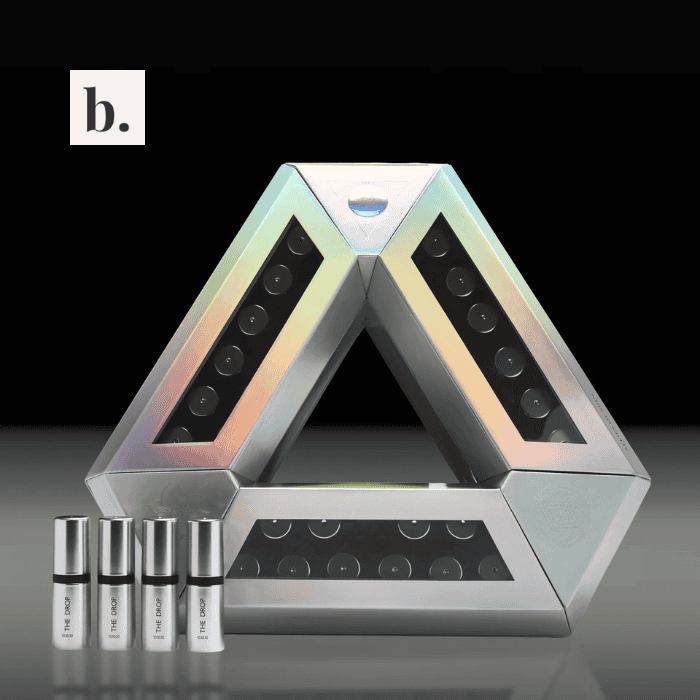
Allies of Skin
Allies of Skin The Lab Drop 10/10/10 Multi GF Exo Advanced Recovery Ampoules
If you want a specialized growth-factor and peptide serum, these ampoules combine hydrating ingredients with brand-reported visible-skin improvements. The four-week study does not prove biological age reversal, treatment-level repair or superiority to…
Read the BeautyBrief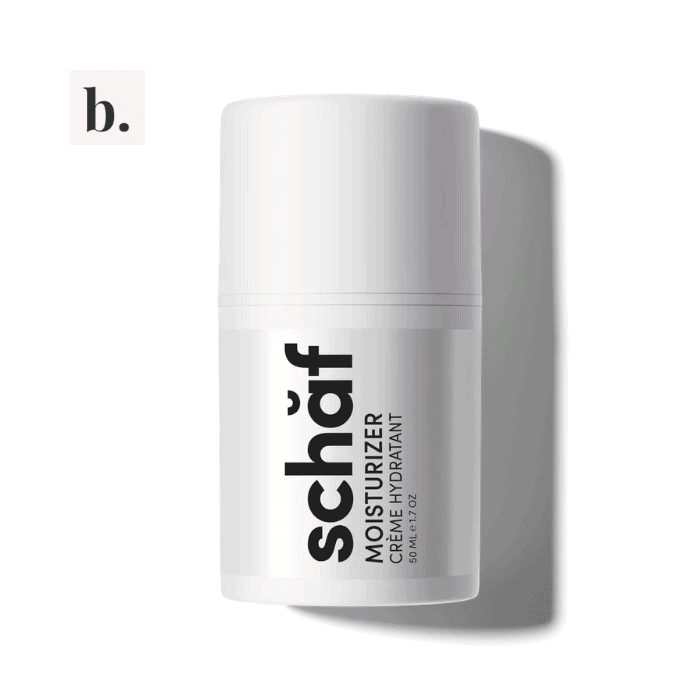
Schaf
Schaf Moisturizer 3.0
If you prefer a richer fragrance-free moisturizer, Schaf Moisturizer 3.0 combines humectants and emollients for daily comfort. Its reported 3% bakuchiol and 3% niacinamide do not independently establish the finished product's wrinkle…
Read the BeautyBrief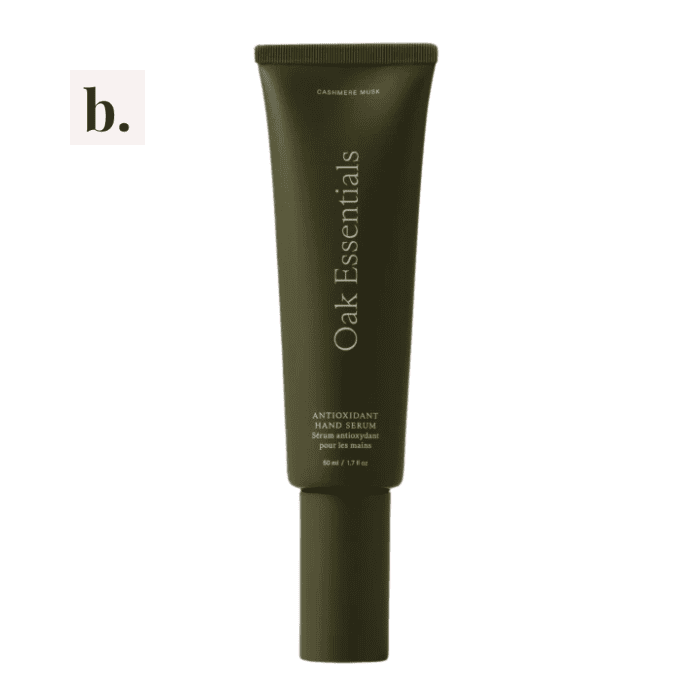
Oak Essentials
Oak Essentials Antioxidant Hand Serum
If you want a lightweight serum for dry hands, Oak Essentials combines humectants with conditioning ingredients and a Cashmere Musk scent. Its two-week consumer study supports reported comfort, not measured improvement in…
Read the BeautyBrief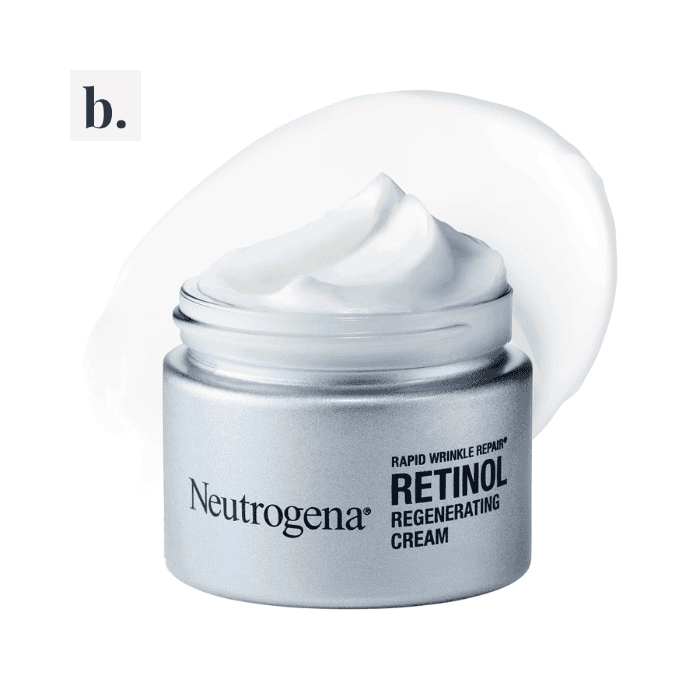
Neutrogena
Neutrogena Rapid Wrinkle Repair Retinol Regenerating Cream
If you prefer a rich retinol moisturizer and tolerate fragrance, Rapid Wrinkle Repair Regenerating Cream provides a plausible route to gradual fine-line improvement. Its retinol concentration is undisclosed, and separate retinol studies…
Read the BeautyBrief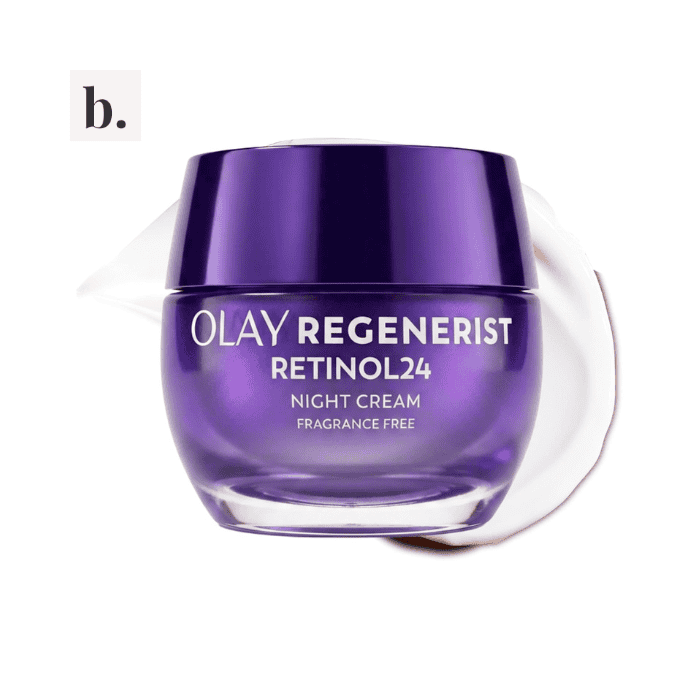
Olay
Olay Regenerist Retinol24 Night Moisturizer
This is best aligned with dry, normal, or oily skin that wants a fragrance-free retinoid night moisturizer with niacinamide, peptides, and hydration support. The formula has a credible leave-on treatment core, while…
Read the BeautyBrief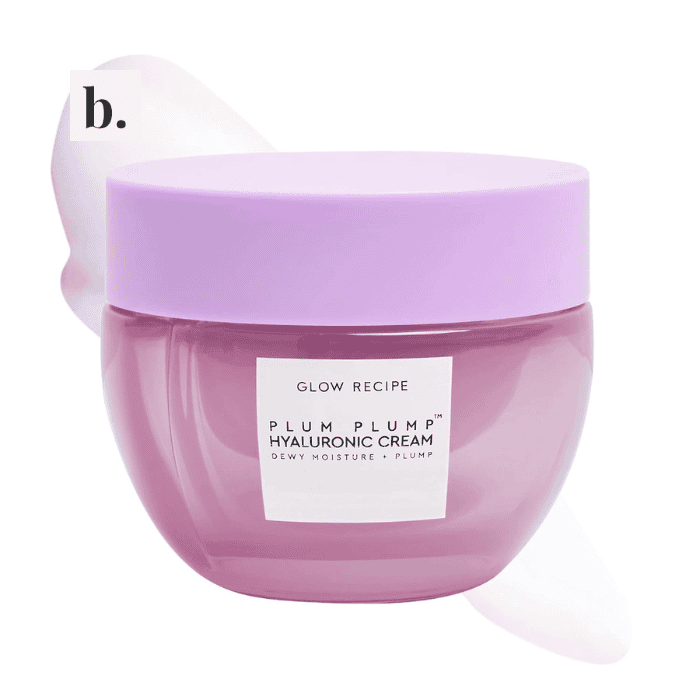
Glow Recipe
Glow Recipe Plum Plump Hyaluronic Cream
This is best aligned with dry, normal, combination, or oily skin that wants lightweight texture with a broad hydration system. The formula is well aligned with hydration and temporary plumping, while fragrance…
Read the BeautyBrief