

Do You Need a Body Butter Balm If You Already Use Body Lotion?
At a glance
Is a body butter or balm really an upgrade over lotion—or just a richer way to moisturize? The difference depends less on what the jar is called and more on why your skin still feels dry. Before buying a second full-body product, look at what your current lotion actually delivers and whether a richer formula would solve a problem it leaves behind.
You probably do not need two full-body moisturizers.
A body butter balm earns a place when it solves something your lotion does not: dry shins that feel tight again by afternoon, rough elbows that stay flaky, hands that crack from frequent washing, or winter dryness that overwhelms a lighter formula.
If your current lotion already keeps your skin comfortable, adding a dense balm on top is unlikely to transform the result. And when the lotion consistently falls short everywhere, replacing it with a richer moisturizer is usually simpler than layering two products over your whole body.
In this Briefing
What actually changes from lotion to body butter or balm?
The product name is not a reliable performance grade.
“Body butter” and “body balm” are broad cosmetic descriptions rather than standardized moisturizer strengths. One butter may be a water-based cream with a dense texture. Another may be nearly water-free and built mostly from oils, waxes, and plant butters. A balm may be heavily occlusive, or it may simply be a rich cream marketed with a more luxurious name.
What matters is the moisturizing system.
Most moisturizers use some combination of three overlapping ingredient roles:
- Humectants help increase water in the outer skin. Common examples include glycerin, hyaluronic acid, and urea.
- Emollients smooth and soften rough-feeling skin.
- Occlusives reduce water loss from the skin. Examples include petrolatum, mineral oil, and dimethicone.
Modern formulas frequently combine all three functions rather than fitting neatly into one category.[1]
That is why a lotion can outperform a body butter. A well-designed lotion containing glycerin plus useful emollient and occlusive support may keep your skin comfortable longer than a whipped butter that feels rich at application but does not manage water loss as effectively.
The reverse can also be true. A dense cream or petrolatum-rich balm may be much more useful when your skin is very dry.
Judge the formula by what happens several hours later, not by how luxurious it feels in the first minute.
Do you need both lotion and a body butter balm?
Usually, no.
Keep the lotion alone if your skin stays comfortable until your next shower or normal moisturizing time. If tightness, itching, ashiness, and flaking are controlled, the moisturizer is doing its job.
Consider switching to a richer moisturizer if dryness returns across large areas within a few hours. AAD’s current dry-skin guidance recommends a cream or ointment rather than a lotion for overly dry skin and advises applying moisturizer promptly after bathing while the skin is still damp.[2]
Consider adding a balm only to specific areas when most of your body does well with lotion but elbows, knees, heels, hands, or lower legs need more occlusion.
That targeted approach often makes more sense than covering your entire body twice. You use less product, avoid unnecessary greasiness and clothing transfer, and keep the lighter texture where it already works.
The question is not “Is a balm stronger than lotion?” It is “Where is my current moisturizer failing?”
When does a richer moisturizer earn a place?
Your skin feels dry again a few hours after lotion
If tightness or flaking returns quickly, look for more sustained emollient and occlusive support. Petrolatum, mineral oil, dimethicone, lanolin, squalane, fatty alcohols, and plant butters can all contribute depending on the formula.
You do not need all of them, and a longer ingredient list is not automatically better.
Your hands take more wear than the rest of your body
Frequent handwashing, cleaning, sanitizer use, and repeated towel drying can make a lightweight body lotion feel inadequate on the hands.
A fragrance-free cream or ointment after washing and before bed can be more practical than repeatedly applying a light lotion. AAD similarly recommends reapplying moisturizer after handwashing when dry skin is a problem.[2]
Your lotion works in summer but not winter
A moisturizer does not have to serve you equally well in every climate.
Cold weather, low humidity, and indoor heating can make skin feel drier. Switching from lotion to a cream or ointment for part of the year can be more sensible than assuming you need a permanent two-product routine.
Only a few areas stay rough
Elbows, heels, knees, and lower legs often tolerate a denser formula more easily than the chest, back, or other large body areas.
A small amount of balm or ointment on those areas at night may solve the problem without turning an expensive jar into a full-body moisturizer you replace every few weeks.
Make sure the problem is actually ordinary dryness
Not every rough patch needs more oil or occlusion.
Persistent small bumps on the upper arms or thighs may be keratosis pilaris. AAD recommends moisturizers and keratolytic ingredients such as urea or lactic acid to help with dryness and excess surface buildup, while warning that overuse can make the skin irritated or raw.[3]
That makes a plain body butter a less targeted purchase when bumpiness—not simply dryness—is the main concern.
The same reasoning applies when the skin is inflamed rather than merely dry. Persistent rash, significant itching, cracking, bleeding, pain, or burning can point to eczema, contact dermatitis, psoriasis, infection, or another condition that needs a different approach.
AAD advises seeing a dermatologist when dry skin remains troublesome despite reasonable skin care or when it becomes painful, cracked, bleeding, or persistently irritated.[2]
More occlusion is not automatically the right answer just because the skin feels rough.
What should you look for before buying a richer body moisturizer?
Start with what your current lotion is missing.
If skin feels tight soon after application, look for a formula that combines water-binding ingredients with stronger emollient or occlusive support.
Useful ingredients can include:
- glycerin;
- petrolatum;
- mineral oil;
- dimethicone;
- ceramides;
- colloidal oatmeal;
- squalane;
- urea;
- lactic acid;
- shea butter.
This is not a shopping checklist. You do not need a moisturizer containing every “good” ingredient.
For uncomplicated dryness, a short formula built around glycerin and petrolatum may outperform a much more expensive butter with six botanical oils and an elaborate ingredient story. For rough keratotic areas, urea or lactic acid may be more useful than simply adding more oil. For easily irritated skin, a simpler fragrance-free cream may be easier to live with than a highly scented butter.
Packaging matters mainly when it changes how you use the product. A pump can make frequent full-body application easier. A tube travels well and reduces direct finger contact with the bulk formula. A jar can make sense for a very dense balm that would not dispense well through a pump.
There is no universal packaging winner. The best package protects the formula adequately and makes it easy to use enough product consistently.
Does fragrance matter in a body butter or balm?
Fragrance does not improve moisturization.
That does not mean every fragranced body moisturizer is a bad purchase. Scent may be part of why you enjoy using it, and many people tolerate fragranced products without a problem.
But fragrance becomes a poor tradeoff when the skin is already irritated, eczema-prone, or known to react to fragrance. AAD recommends fragrance-free moisturizer for overly dry skin, and FDA lists fragrance among the major allergen categories associated with cosmetic reactions.[2][4]
There is an important labeling limitation: FDA says fragrance-free has no federal standard or definition governing its use in U.S. cosmetics. If you have a diagnosed fragrance allergy, do not rely only on the front-label claim; check the ingredient list and follow the specific avoidance guidance you have been given.[4]
“Natural” fragrance and essential oils are not automatically gentler. The source of a scented ingredient does not tell you whether your skin will tolerate it.
Should you use lotion and balm together?
You can, but layering is a problem-solving technique—not a required moisture routine.
If you want both, apply your lotion or cream after bathing while the skin is still slightly damp. Then use the denser balm or ointment only over the areas that remain dry.
Putting the more occlusive product last makes practical sense because it can help reduce water loss from the skin and from the moisturizer underneath.
But a separate lotion layer is not necessary when one richer cream or ointment already gives you enough hydration and occlusion.
Also look at what may be defeating your moisturizer. AAD recommends short warm—not hot—showers, gentle fragrance-free cleansing products, and prompt moisturization for dry skin.[2]
If very hot showers or harsh cleansing leave your skin tight every day, buying a heavier butter may treat the aftermath without fixing the routine that keeps creating the dryness.
So, should you buy a body butter balm?
Do not add it if your current lotion keeps your skin comfortable and the second product would mainly give you a richer texture, fragrance, or nicer jar.
Replace the lotion if large areas of your body stay dry despite regular application. A cream or ointment may give you the richer formula you need without adding another step.
Add a balm selectively if your lotion works almost everywhere but a few areas still need more occlusion.
Price the product according to how you will actually use it. A premium balm can be reasonable when one jar lasts months on elbows and heels. The same jar may be poor value if it becomes a full-body product you replace frequently and a basic cream would keep your skin just as comfortable.
Before buying, answer three questions: What problem will this solve? Where will I use it? What does it provide that my current lotion does not?
If the answer is mostly “it feels richer,” you may be buying an experience rather than a missing skincare step. That can still be worth paying for—but it should be a choice, not a requirement.
The BB Perspective
Body moisturizer marketing makes texture sound like a treatment ladder: lotion, then cream, then butter, then balm. Real formulas are not that orderly.
Your goal can be simpler: use one moisturizer that keeps your skin comfortable. Move to a cream or ointment when a light lotion is not enough. Add a balm only where extra occlusion solves a specific remaining problem.
Do not buy a second full-body moisturizer just because the label sounds more intensive. Let the dryness prove that you need something more, then choose the formula that fixes it with the fewest unnecessary steps.
Last reviewed: October 2026
Sources
Rajkumar J, Chandan N, Lio P, Shi V. The Skin Barrier and Moisturization: Function, Disruption, and Mechanisms of Repair. Skin Pharmacology and Physiology. 2023;36(4):174-185. doi:10.1159/000534136. PMID: 37717558.
This peer-reviewed review describes the complementary roles of humectants, emollients, and occlusives and reviews how moisturizers can improve hydration and reduce transepidermal water loss. Two authors disclosed relationships with dermatology and skincare companies. BB uses the review as a formula framework rather than proof that any one lotion, butter, balm, or cream is inherently superior. Return to citation.
American Academy of Dermatology Association. Dermatologists’ Top Tips for Relieving Dry Skin. Current dermatologist-reviewed guidance. Accessed September 2026.
AAD recommends warm rather than hot bathing, gentle fragrance-free cleansing, applying moisturizer promptly while skin is still damp, reapplying moisturizer when needed, and choosing a cream or ointment rather than a lotion for overly dry skin. It also advises medical evaluation when significant dryness or irritation does not improve with appropriate self-care. BB uses this source to support escalation from lotion to a richer single moisturizer rather than assuming that two full-body layers are necessary. Return to citation.
American Academy of Dermatology Association. Keratosis Pilaris: Diagnosis and Treatment. Accessed September 2026.
AAD recommends moisturization for keratosis pilaris and identifies ingredients including urea and lactic acid as options for itch, dryness, and excess surface buildup. It also cautions that keratolytic products can make skin dry or irritated when overused. BB uses this guidance to distinguish persistent bumpy texture from ordinary dryness that simply needs a richer occlusive moisturizer. Return to citation.
U.S. Food and Drug Administration. Allergens in Cosmetics. Accessed September 2026.
FDA identifies fragrance as one of the major allergen categories associated with cosmetic reactions and advises people with known sensitivities to review ingredient labels carefully. FDA also states that terms including “fragrance-free” and “for sensitive skin” have no federal standard or definition governing their use in U.S. cosmetics. BB therefore treats fragrance-free as a useful shopping filter rather than a guarantee that a moisturizer cannot cause a reaction. Return to citation.
Related product BeautyBriefs
These BeautyBriefs cover products relevant to the needs discussed in this Beauty Briefing. Inclusion here reflects topic relevance, not a rating or endorsement.

Allies of Skin
Allies of Skin The Lab Drop 10/10/10 Multi GF Exo Advanced Recovery Ampoules
If you are considering Allies of Skin Lab Drop 10/10/10 Ampoules for visible aging, its growth-factor and exosome-themed complexes make an ambitious treatment story. The brand's reported improvements do not establish biological…
Read the BeautyBrief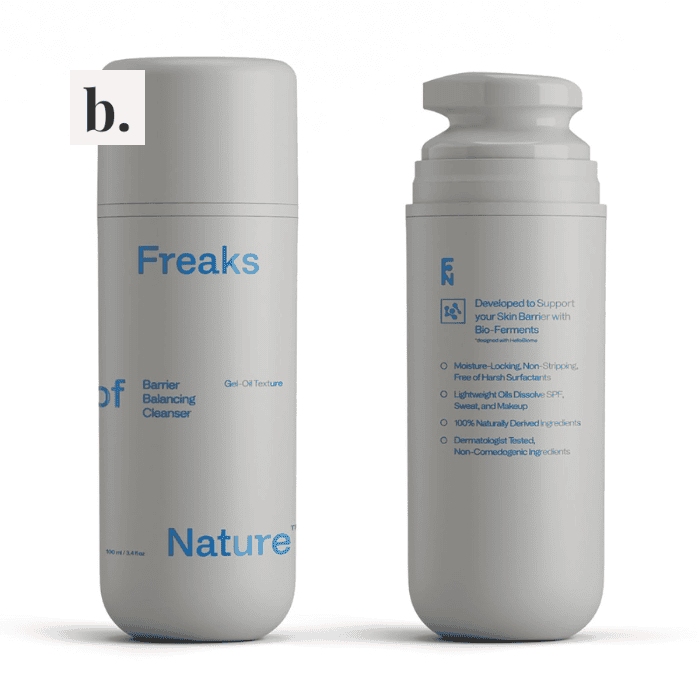
Freaks of Nature
Freaks of Nature Barrier Balancing Face Wash
If you want a gel-to-oil face wash for sunscreen and daily buildup, this Mid-Range cleanser offers a distinctive milky texture with supportive oils and humectants. Its consumer survey does not establish measured…
Read the BeautyBrief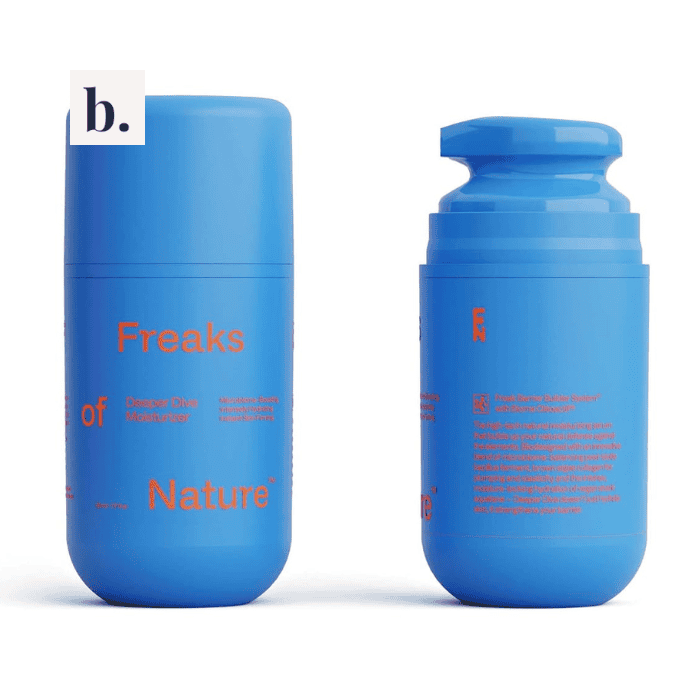
Freaks of Nature
Freaks of Nature Deeper Dive Hydrator
If you prefer an oil-based moisturizer, Deeper Dive offers a short squalane-and-plant-oil formula for surface softness. Its microbiome test does not establish clearer skin or repaired barrier function, so choose it for…
Read the BeautyBrief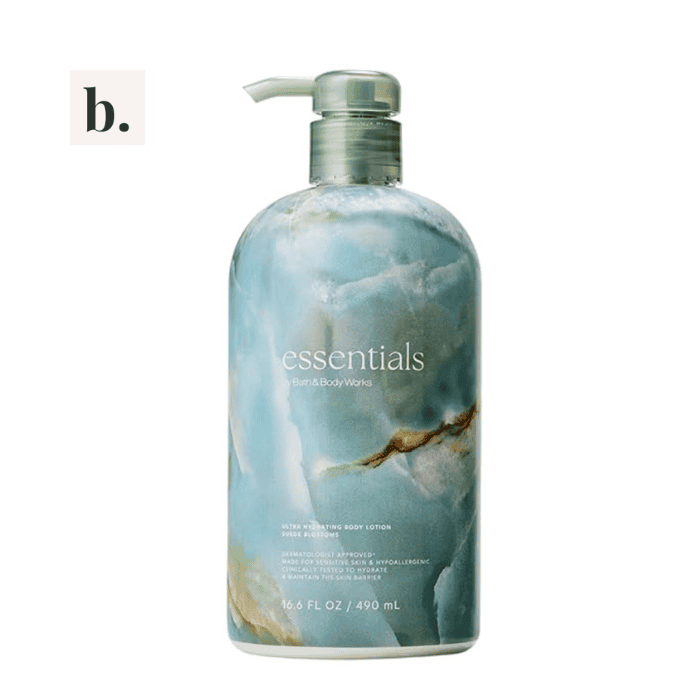
Bath & Body Works
Bath & Body Works Suede Blossoms Ultra Hydrating Body Lotion
If your body skin is normal or dry and you enjoy scented lotion, Suede Blossoms offers familiar humectants and emollients for everyday softness. Its hypoallergenic label does not guarantee fragrance tolerance, and…
Read the BeautyBrief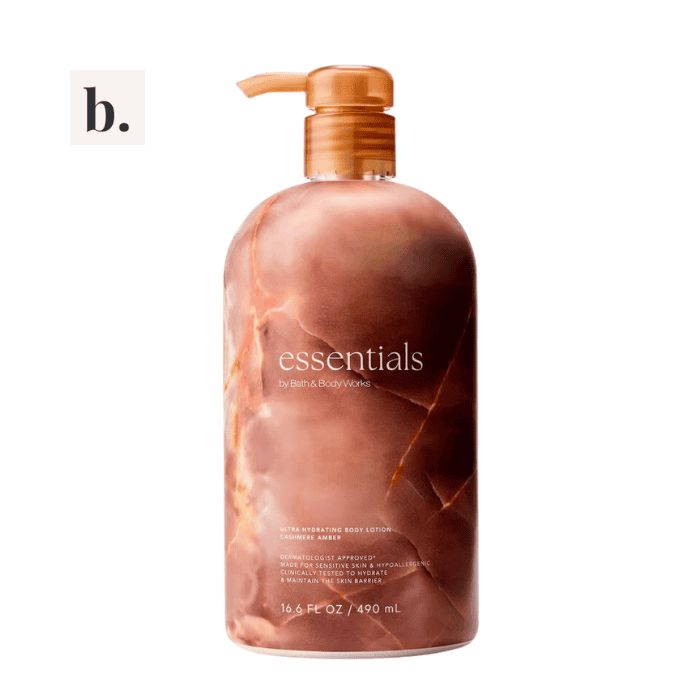
Bath & Body Works
Bath & Body Works Cashmere Amber Ultra Hydrating Body Lotion
If your body skin is normal or dry and you enjoy an amber fragrance, Cashmere Amber offers familiar humectants and emollients for everyday softness. Its hypoallergenic label does not guarantee fragrance tolerance,…
Read the BeautyBrief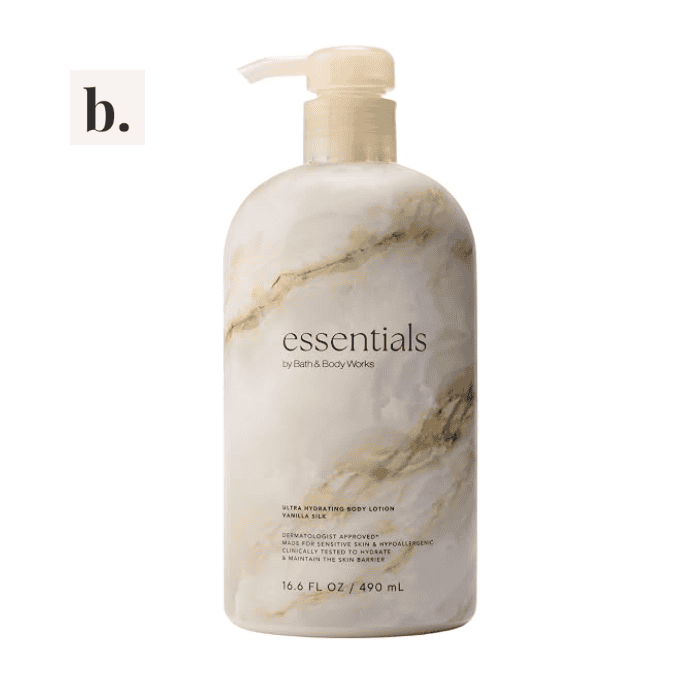
Bath & Body Works
Bath & Body Works Vanilla Silk Ultra Hydrating Body Lotion
If your body skin is normal or dry and you enjoy vanilla fragrance, Vanilla Silk combines humectants and emollients for everyday softness. Its hypoallergenic claim does not guarantee fragrance tolerance, and the…
Read the BeautyBrief