

Body Serum vs. Body Lotion: Do You Need Both?
At a glance
Body serums can look like the natural next step when lotion no longer feels sophisticated enough. But the label does not tell you whether the bottle adds anything your moisturizer is missing. The useful comparison is between the jobs the two formulas perform—and whether adding a second product changes the result enough to justify using it over a much larger area.
A body serum can make a routine feel more sophisticated. That does not make it necessary.
Body lotions are generally designed to moisturize large areas of skin at a practical cost. Products called body serums often use lighter textures and emphasize a treatment ingredient, such as an exfoliating acid, retinoid, niacinamide, or pigment-focused active.
Those descriptions can be useful, but the labels are not performance grades. A serum is not automatically stronger, more concentrated, or more effective than a lotion. A 12 oz treatment lotion with a clearly disclosed active may provide more meaningful care—and better value—than a 2 oz serum built mainly around familiar humectants and a premium story.
The buying question is not whether serums or lotions are better. It is whether one product can handle your main concern or whether two formulas perform genuinely different jobs.
In this Briefing
- Do you need both?
- How body serum and lotion formulas differ
- When body lotion is the better buy
- When a body serum earns a place
- Rough and bumpy skin
- Body acne and ingrown-hair concerns
- Uneven-looking tone and lingering marks
- Retinoid body products
- How to spot duplicate formulas
- How to compare value
- How to layer serum and lotion
- Which one should you buy?
Do you need both body serum and body lotion?
Usually, no. One well-chosen product is enough for ordinary dryness, tightness, ashiness, or maintenance.
A basic hydrating serum followed by a basic lotion is often redundant. Both may rely on glycerin, hyaluronic acid, glycols, lightweight emollients, and film-forming ingredients. The lotion may already provide the hydration and moisture retention the serum promises to add.
Layering both can feel pleasant and may increase short-term hydration. That does not automatically create a visible benefit large enough to justify buying, applying, and replacing two products across a large surface area.
The stronger case for a two-step routine is a clear division of labor:
- A treatment product addresses roughness, acne, or discoloration on selected areas
- A plain lotion maintains moisture and comfort
That pairing is functional. A hydrating serum and hydrating lotion with nearly identical claims are usually a marketing-driven pairing.
How do body serum and body lotion formulas differ?
A body lotion is usually built to spread easily over a large area while combining several kinds of moisturizing ingredients:
- Humectants that help attract and retain water
- Emollients that soften and smooth the skin surface
- Occlusives that reduce water loss
Moisturizer research describes humectants, emollients, and occlusives as complementary parts of hydration and barrier support.[1]
Common lotion ingredients include glycerin, fatty alcohols, triglycerides, plant oils, squalane, dimethicone, petrolatum, and ceramides. The exact balance determines whether the product feels like a light lotion, rich cream, or occlusive balm.
Body serums are often thinner and may be water-based, gel-based, oil-based, or lightly emulsified. Some contain a meaningful treatment system. Others are simply lightweight moisturizers marketed under a more premium category name.
A serum may emphasize:
- Lactic acid, glycolic acid, or salicylic acid
- Urea
- Niacinamide
- Retinoids
- Tranexamic acid or other pigment-focused ingredients
- Antioxidants or botanical extracts
The word serum does not guarantee a higher concentration of any ingredient. Compare the exact active, formula, directions, package size, and price rather than assuming the thinner product is the treatment product.
When is body lotion the better buy?
Choose lotion as your primary product when your main concerns are:
- Dryness
- Tightness
- Ashiness
- Seasonal flaking
- General maintenance
- Comfort after bathing or shaving
Lotion is usually the more economical format for covering arms, legs, torso, and hands. A product that is affordable enough to apply generously will often provide more practical value than a small serum you ration.
AAD guidance for dry skin recommends applying moisturizer soon after bathing while the skin is still damp and choosing fragrance-free products when irritation is a concern.[2]
Consistency matters more than category prestige. A lotion used after most showers will generally contribute more than an elegant serum applied occasionally because it feels too expensive to finish.
Lotion is also the safer starting point when the skin is already stinging, flaking, inflamed, or reacting to several active products. A fragrance-free cream or lotion with a straightforward moisturizing system is usually a more sensible first purchase than another exfoliating or retinoid treatment.
Persistent, painful, widespread, or worsening dryness and rash can reflect a skin condition rather than a missing cosmetic product. That deserves medical evaluation rather than repeated product experimentation.
When does a body serum earn a place?
A body serum earns consideration when it adds a distinct benefit your lotion does not provide.
Before buying, complete this sentence:
“I am adding this serum because it contains _____ to address _____.”
A convincing answer might be:
- Lactic acid to address rough bumps on the upper arms
- Salicylic acid to address clogged pores on the back or chest
- A retinoid to address selected signs of photoaging on tolerated areas
- A pigment-focused formula for marks left after acne or ingrown hairs
“More hydration,” “glow,” “skin renewal,” or “body care upgrade” may be too vague when the lotion already addresses the same need.
The product also has to be usable. A treatment that causes persistent burning, requires more product than the bottle can economically provide, or conflicts with the rest of your routine has not earned its second spot.
For rough and bumpy skin, compare treatment lotions with serums
Keratosis pilaris and other forms of rough texture are among the better reasons to consider a targeted body product. Ingredients such as urea, lactic acid, glycolic acid, and salicylic acid can help loosen surface buildup or soften thick, rough skin.
The AAD lists urea and lactic acid among ingredients used in moisturizers for keratosis pilaris and also recommends exfoliating ingredients such as glycolic acid, lactic acid, salicylic acid, retinoids, and urea when appropriate. Moisturization still matters because these treatments can leave the skin dry or irritated.[3]
Do not assume the product called a serum is the strongest or best value. Treatment lotions and creams often combine an exfoliating or keratolytic ingredient with enough moisturizing support to perform both jobs in one step.
Compare:
- The specific active ingredient
- Any disclosed concentration
- Whether the product also moisturizes adequately
- The amount needed for the affected area
- How often the directions recommend use
- The package size and monthly cost
Start slowly when using a leave-on acid or strong urea formula. Applying too frequently can cause burning, redness, peeling, or more visible irritation. Do not apply a strong exfoliant immediately after shaving or onto broken skin.
Alpha hydroxy acids can also increase sun sensitivity. FDA recommends sunscreen, protective clothing, and limiting sun exposure while using an AHA cosmetic and for a week afterward.[4]
For body acne and ingrown-hair concerns, use a targeted treatment
A leave-on body product containing salicylic acid can be reasonable for clogged pores and mild acne-prone areas. A wash or treatment with benzoyl peroxide may be another option depending on the type of breakout and the product directions.
The AAD acne guideline supports several topical therapies, including salicylic acid, benzoyl peroxide, topical retinoids, and azelaic acid.[5]
This is a case for selective treatment rather than layering serum and lotion from neck to toe. Apply the acne treatment only where needed, then use a compatible moisturizer on areas that become dry.
Be careful not to treat every post-shaving bump as acne. Friction, folliculitis, irritation, and ingrown hairs can look similar. A strong acid layered onto freshly shaved or inflamed skin can worsen discomfort without addressing the cause.
Body acne that is painful, scarring, widespread, or unresponsive to appropriate over-the-counter treatment may require a dermatologist rather than a more expensive serum.
For uneven-looking tone, control the cause before adding products
Marks left after acne, folliculitis, insect bites, irritation, or ingrown hairs can take months to fade. The first priority is reducing the inflammation that continues to create new marks.
A body serum may contain niacinamide, tranexamic acid, vitamin C derivatives, azelaic acid, retinoids, or exfoliating acids. The ingredient name alone does not establish that the finished formula will visibly improve pigmentation.
Ask:
- What caused the marks?
- Is the triggering acne, picking, friction, or irritation still active?
- Does the product identify a meaningful active or only use broad brightening language?
- Can you apply enough product to the full affected area?
- Are exposed areas receiving sun protection?
Sun protection still matters when you are trying to fade dark marks on exposed areas. AAD guidance recommends broad-spectrum sunscreen and notes that visible light can worsen some forms of hyperpigmentation.[6] On shoulders, chest, arms, and legs, sunscreen and protective clothing may matter more than adding another brightening product.
Do not treat rapidly changing, unexplained, or unusual discoloration as a cosmetic problem without appropriate evaluation.
Do you need a retinoid body serum?
A retinoid body product may appeal to you if rough texture, acne, or visible photoaging is the concern. It is not a universal body-care requirement.
Body skin can tolerate some products differently from facial skin, but large-area use also increases the amount applied. Formula strength, frequency, irritation potential, sun exposure, and total routine overlap all matter.
Compare a retinoid serum with retinoid lotions and creams serving the same purpose. A lotion may be easier to spread over a larger area, provide more moisture support, and cost less to keep using.
Do not layer several retinoid products on the same area simply because one is labeled a serum and another a lotion. If you are pregnant or trying to become pregnant, avoid retinoids; AAD advises against prescription and over-the-counter retinoids during pregnancy.[7] If you are breastfeeding or already use a prescription retinoid, ask your healthcare professional about the exact product and schedule rather than adding another retinoid on your own.
How can you tell whether the serum duplicates your lotion?
Ignore the product names and compare the promises and functional ingredients.
The two products probably overlap when both primarily promise:
- Hydration
- Plumping
- Softer skin
- Barrier support
- Glow
- Smoother texture through moisturization alone
They may also share glycerin, hyaluronic acid, niacinamide, panthenol, squalane, silicones, and lightweight emollients.
Duplication is not inherently harmful. It is a value problem when the second product adds little noticeable benefit, makes the routine sticky or slow, or prevents you from applying enough product consistently.
The two products are more likely to complement each other when:
- The serum contains a distinct treatment active
- The lotion contains the richer moisturizing system
- The treatment is used only on selected areas
- The lotion reduces treatment-related dryness
- Both products remain tolerable together
Why do many body serums fail the value test?
Body products are used over much larger areas than facial products. Size and cost per ounce are central to the decision.
A 2 oz serum can be reasonably sized for spot treatment and poor value for both legs, arms, chest, and torso. If the directions require several pumps per area, the bottle may last only a few weeks.
Calculate:
- Price per ounce or milliliter
- Number of pumps or amount required per use
- Size of the treatment area
- Recommended frequency
- Likely number of uses per package
- Whether a treatment lotion provides the same active
Read How to Calculate Skincare Value when comparing different sizes and application schedules.
Higher cost can be justified when it buys something useful: a difficult-to-formulate active, protective packaging, meaningful finished-product testing, or a texture that makes consistent use much easier. It is not justified merely by the words body serum, clinical grade, high potency, or multi-benefit.
Fragrance also needs honest treatment. A scented body serum can be enjoyable and may function partly as a sensory luxury. That is a valid purchase when you value the experience. Do not confuse that enjoyment with evidence that the product is necessary or more effective.
How should you layer body serum and lotion?
When both products have distinct roles, follow the product directions first.
A practical order is usually:
- Apply the treatment serum to clean, dry skin on the intended areas.
- Allow it to settle enough that the next layer does not immediately pill or dilute unevenly.
- Apply lotion where additional moisture is needed.
Some exfoliating or acne treatments can sting more on damp skin, so “apply to damp skin” is not a universal rule. Follow the treatment label.
For ordinary moisturizer, applying soon after bathing while the skin remains slightly damp can help capture water at the surface. Do not introduce a body treatment and a new fragranced lotion at the same time if you are prone to irritation. One change at a time makes reactions easier to identify.
Stop or reduce optional actives when the skin develops persistent burning, redness, cracking, or peeling. Irritation is not evidence that a treatment is working.
Which one should you buy?
Choose body lotion when dryness, tightness, ashiness, or routine maintenance is the main concern.
Choose a treatment lotion instead of two products when one formula combines the active you need with enough moisturizing support.
Add a body serum when it performs a distinct treatment job, suits the size of the target area, and offers an advantage that a treatment lotion does not.
Use both selectively when the serum treats roughness, acne, or discoloration and the lotion maintains comfort without duplicating the same claim.
Do not buy the serum when it is primarily another lightweight hydrator, the bottle is too small for realistic use, or the premium depends more on the category name than the formula.
You probably do not need a two-step body routine everywhere, every day. The better purchase is the smallest number of products that addresses the actual concern, remains comfortable enough to use, and earns its cost before the bottle is empty.
The BB Perspective
Body serum is a format, not a requirement. For ordinary dryness, one well-formulated lotion or cream usually does the job more efficiently because you can use it generously over a large area without adding another step.
Add a second product only when it has a separate job your moisturizer does not already handle—such as treating rough bumps, acne, or persistent dark marks on selected areas. If both bottles mainly promise hydration, softness, glow, and barrier support, compare the formulas before paying for two versions of the same step. The better body routine is usually the smallest one that solves the problem and is practical enough to keep using.
Last reviewed: September 2026
Sources
Rajkumar J, Chandan N, Lio P, Shi V. The Skin Barrier and Moisturization: Function, Disruption, and Mechanisms of Repair. Skin Pharmacology and Physiology. 2023;36(4):174-185. doi:10.1159/000534136.
This review describes humectants, emollients, and occlusives as complementary parts of moisturization and physical skin-barrier support. Two authors disclosed relationships with dermatology and skincare companies. BB uses it as a formula framework rather than proof that any serum, lotion, or cream is inherently superior. Return to citation.
American Academy of Dermatology Association. Dermatologists’ Top Tips for Relieving Dry Skin. Accessed September 2026.
AAD recommends applying moisturizer while the skin is still damp after bathing and choosing fragrance-free products when dryness or irritation is a concern. This supports lotion or cream as the first purchase for ordinary body dryness. Return to citation.
American Academy of Dermatology Association. Keratosis Pilaris: Diagnosis and Treatment. Accessed September 2026.
AAD lists urea and lactic acid in moisturizers used for keratosis pilaris and describes exfoliating options including glycolic acid, lactic acid, salicylic acid, retinoids, and urea. It also emphasizes continued moisturization because treatment can dry or irritate the skin. Return to citation.
U.S. Food and Drug Administration. Alpha Hydroxy Acids. Accessed September 2026.
FDA explains that some topical AHA cosmetics can increase sensitivity to ultraviolet radiation and recommends sunscreen, protective clothing, and limiting sun exposure during use and for a week afterward. Return to citation.
American Academy of Dermatology Association. Acne Clinical Guideline. Accessed September 2026.
The current AAD guideline recommends several topical acne therapies, including benzoyl peroxide, topical retinoids, salicylic acid, and azelaic acid. The guideline addresses acne treatment broadly and does not establish that every cosmetic body serum containing one of these ingredients will perform effectively. Return to citation.
American Academy of Dermatology Association. How to Decode a Sunscreen Label. Accessed September 2026.
AAD explains that visible light can contribute to hyperpigmentation and recommends tinted broad-spectrum sunscreen with SPF 30 or higher for additional visible-light protection when that concern is relevant. Return to citation.
American Academy of Dermatology Association. Dermatologist-Approved Pregnancy Skin Care. Accessed September 2026.
AAD advises avoiding prescription and over-the-counter retinoids during pregnancy, including tretinoin, tazarotene, adapalene, and retinol products. It also recommends discussing medication and skincare changes with your obstetrician and dermatologist during pregnancy and breastfeeding. BB uses this source only for the pregnancy and breastfeeding caution in the retinoid section. Return to citation.
Related product BeautyBriefs
These BeautyBriefs cover products relevant to the needs discussed in this Beauty Briefing. Inclusion here reflects topic relevance, not a rating or endorsement.

Allies of Skin
Allies of Skin The Lab Drop 10/10/10 Multi GF Exo Advanced Recovery Ampoules
If you are considering Allies of Skin Lab Drop 10/10/10 Ampoules for visible aging, its growth-factor and exosome-themed complexes make an ambitious treatment story. The brand's reported improvements do not establish biological…
Read the BeautyBrief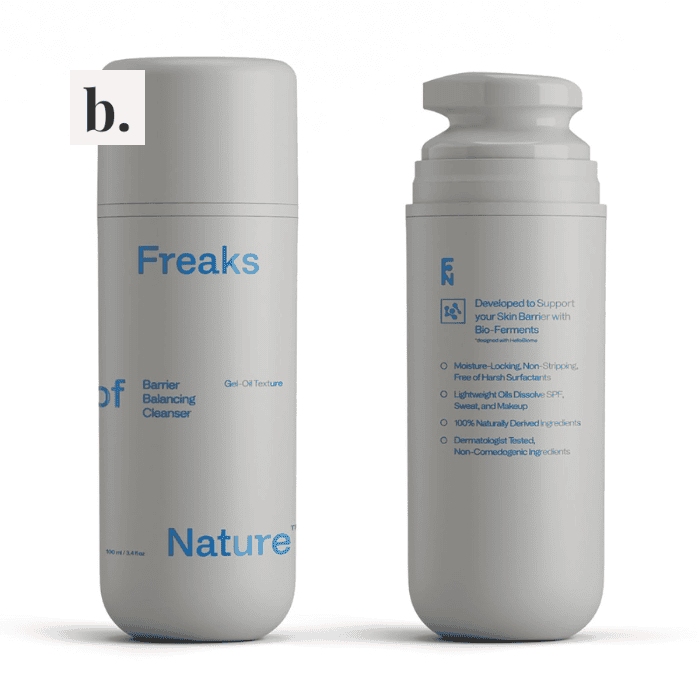
Freaks of Nature
Freaks of Nature Barrier Balancing Face Wash
If you want a gel-to-oil face wash for sunscreen and daily buildup, this Mid-Range cleanser offers a distinctive milky texture with supportive oils and humectants. Its consumer survey does not establish measured…
Read the BeautyBrief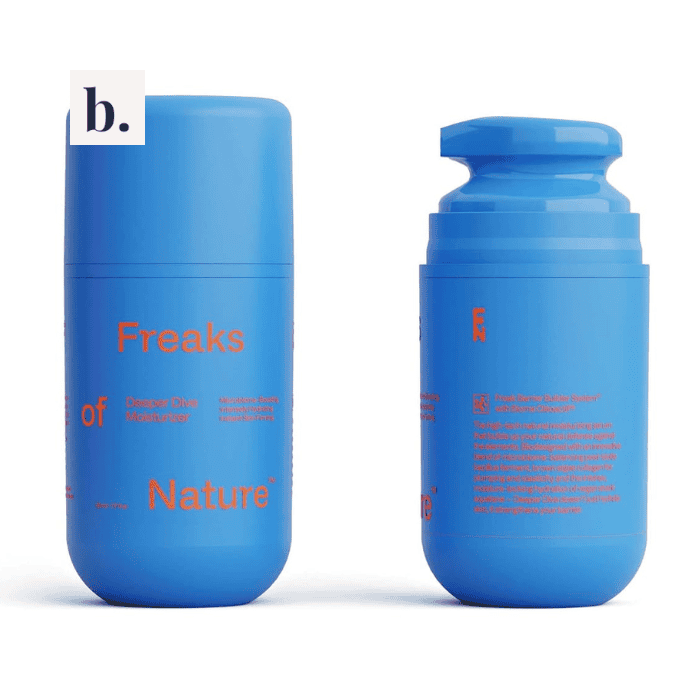
Freaks of Nature
Freaks of Nature Deeper Dive Hydrator
If you prefer an oil-based moisturizer, Deeper Dive offers a short squalane-and-plant-oil formula for surface softness. Its microbiome test does not establish clearer skin or repaired barrier function, so choose it for…
Read the BeautyBrief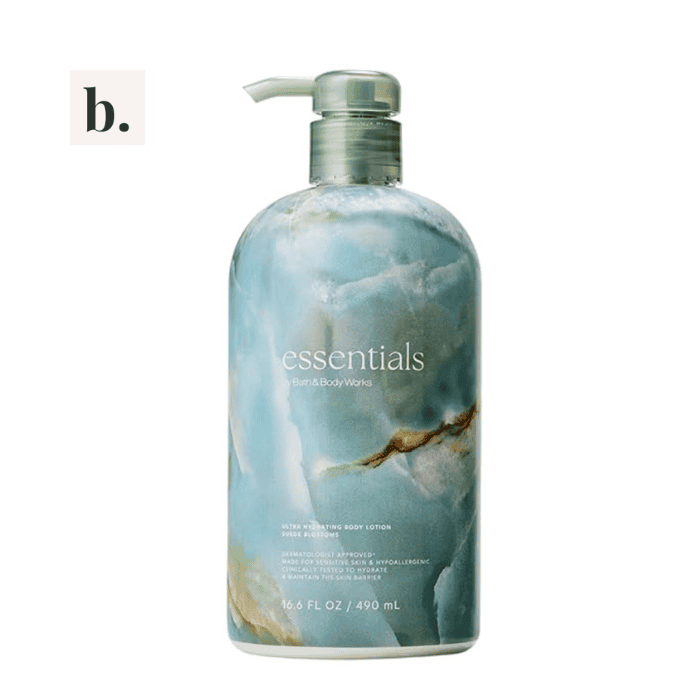
Bath & Body Works
Bath & Body Works Suede Blossoms Ultra Hydrating Body Lotion
If your body skin is normal or dry and you enjoy scented lotion, Suede Blossoms offers familiar humectants and emollients for everyday softness. Its hypoallergenic label does not guarantee fragrance tolerance, and…
Read the BeautyBrief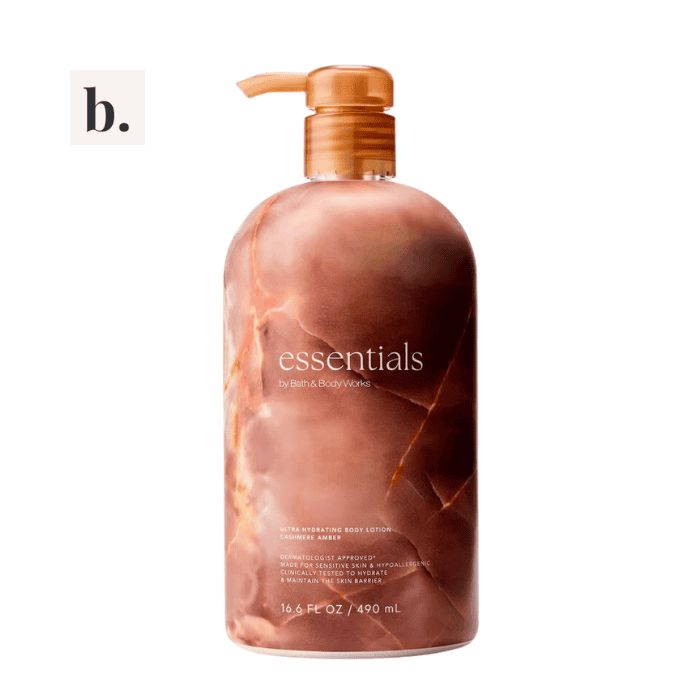
Bath & Body Works
Bath & Body Works Cashmere Amber Ultra Hydrating Body Lotion
If your body skin is normal or dry and you enjoy an amber fragrance, Cashmere Amber offers familiar humectants and emollients for everyday softness. Its hypoallergenic label does not guarantee fragrance tolerance,…
Read the BeautyBrief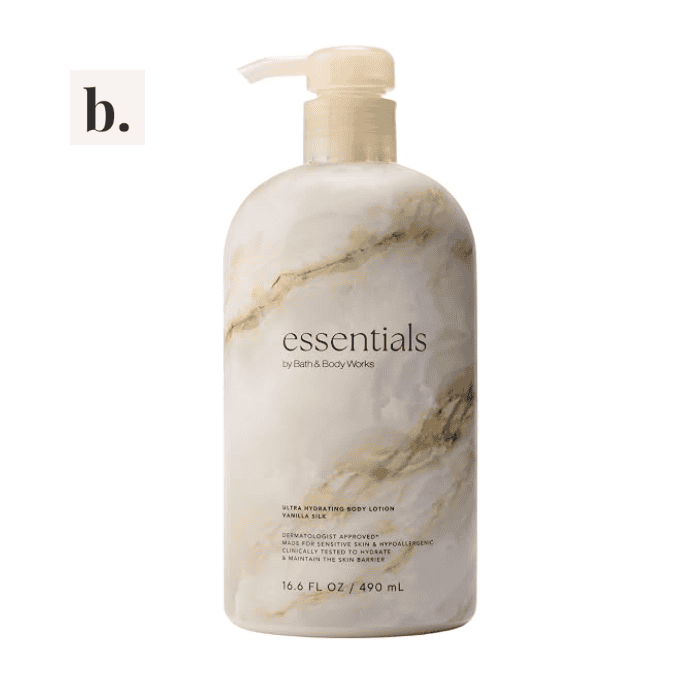
Bath & Body Works
Bath & Body Works Vanilla Silk Ultra Hydrating Body Lotion
If your body skin is normal or dry and you enjoy vanilla fragrance, Vanilla Silk combines humectants and emollients for everyday softness. Its hypoallergenic claim does not guarantee fragrance tolerance, and the…
Read the BeautyBrief