
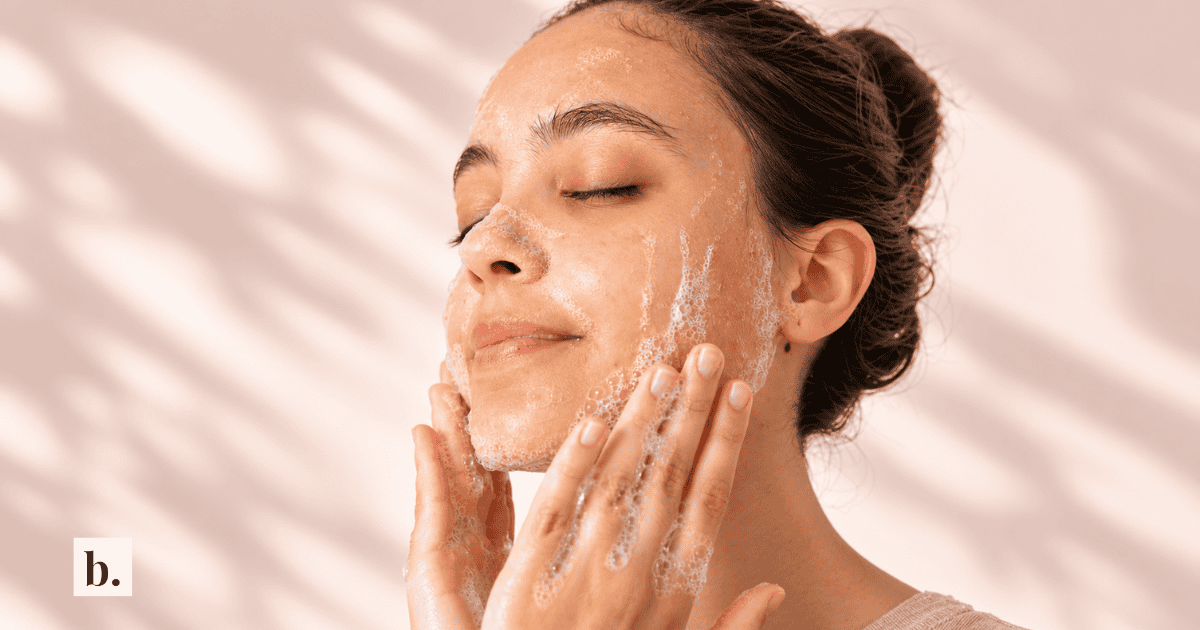
How to Choose a Facial Cleanser for Your Skin Type
At a glance
A cleanser needs to remove what is on your skin without making the next step harder to tolerate. But “hydrating,” “foaming,” “barrier-friendly,” and “acne-clearing” describe different jobs—not automatic guarantees of gentleness or better results. The choice becomes easier when you compare the complete formula, how it rinses, and what your skin actually needs removed.
When you’re shopping for a cleanser, you’ll often see two extremes: a rich cream wash that promises to protect moisture, and a deep-cleaning foam that promises to remove every trace of oil. Neither format is automatically the better buy. Some gentle formulas foam; some rich creams leave residue or struggle with heavy sunscreen.
Start with your skin’s usual behavior, not the label’s preferred skin type. Dry skin tends to feel rough or tight, oily skin becomes shiny, and combination skin has both oilier and drier areas. Sensitivity is another dimension: it can occur alongside any of those types. The American Academy of Dermatology recommends choosing care based on the skin’s actual needs.[1]
What does a facial cleanser need to do?
For your everyday routine, the cleanser’s job is straightforward: remove surface oil, sweat, dirt, sunscreen, and other residue without excessive tightness or irritation. A cleanser is not automatically a treatment merely because its label mentions pores, glow, microbiome balance, or the moisture barrier.
Use this short comparison before deciding whether you need a different bottle:
| Your main concern | Start with | Main tradeoff |
|---|---|---|
| Dryness or a tight after-wash feel | Gentle cream or low-foam cleanser | Heavy sunscreen may need separate removal |
| Oiliness and daily buildup | Mild gel or foaming cleanser | More lather does not guarantee better skin fit |
| Reactive or treatment-stressed skin | Simple, low-irritation formula | A “barrier” label does not prove barrier repair |
| Acne and clogged pores | Basic cleanser, or a medicated wash if treatment is needed | Added acne actives can duplicate treatment and increase dryness |
| Heavy sunscreen or long-wear residue | Balm or oil-style first cleanse when necessary | Two cleansers are not always needed |
Hydrating versus foaming cleanser: which is better?
When you see “hydrating,” that usually describes a creamier texture or a formula designed for comfortable after-rinse feel. “Foaming” describes what happens when the cleanser mixes with water and air. These are not opposite chemical categories. Both use ingredients that help lift oils and debris from the skin.
The surfactants in your cleanser do much of the cleaning. Their concentration, combination, pH, and supporting ingredients help determine how a formula interacts with skin proteins and lipids. Research on soap and synthetic-detergent systems shows why the entire cleanser matters more than whether it makes large bubbles.[2]
If you prefer a creamy, low-foam wash, BB’s CeraVe Hydrating Facial Cleanser BeautyBrief evaluates a creamy, low-foam Budget formula designed for normal-to-dry or sensitive skin. Its glycerin, ceramides, and hyaluronate support a comfortable formula, although a rinse-off wash is not equivalent to a leave-on moisturizer.
If your skin is normal to oily, the CeraVe Foaming Facial Cleanser BeautyBrief examines a Budget gel-to-foam formula with conventional cleansing agents, glycerin, niacinamide, and ceramides. That is a daily cleansing option, not an acne medication. It does not become a stronger treatment because it contains niacinamide.
If you prefer a more intense cleansing feel, compare those with Clinique All About Clean Rinse-Off Foaming Cleanser: its dense cream-mousse and soap-style cleansing system give combination or oily skin a more intensive clean-feeling finish. BB’s review treats that stronger cleansing style as a tradeoff, especially for dry or treatment-stressed skin.
You don’t need to rule out every foam. Hero Cosmetics Gentle Cleanser is a useful counterexample: its mild foaming formula is positioned for sensitive and acne-prone skin, with humectant support and documented brand testing. It is still a basic cleanser, not a medicated acne wash.
What does the ingredient list tell you about gentleness?
When you read the ingredient list, start with the cleansing system rather than the ingredients highlighted in large type. A combination of mild surfactants and a balanced base often matters more than a single fashionable extract. Traditional soap-style fatty-acid salts and milder synthetic surfactant blends behave differently, but no one ingredient name predicts how a finished cleanser will feel.
Next, as you compare formulas, look for supporting components such as glycerin, emollients, fatty alcohols, and polymers. These can influence slip, moisture feel, and the interaction between surfactants and skin. BB’s glycerin ingredient page explains the humectant role. In a cleanser, however, the short contact time means ingredient presence alone does not establish a durable hydration or repair result.
Do not buy a cleanser only because it claims a pH close to the skin’s natural pH. Controlled formulation studies found that low pH does not automatically make every surfactant system milder; the ingredients and pH interact.[3]
Also check the full formula for individual triggers. “Dermatologist-tested,” “hypoallergenic,” and “non-comedogenic” are not substitutes for tolerability on your skin. BB’s non-comedogenic claims Briefing provides more context on what that label does and does not establish.
Which cleanser format fits your skin type?
Dry or easily tight-feeling skin
Start with a cream or milky low-foam formula if your skin feels tight after washing or you rely on products that already increase dryness. CeraVe Hydrating Facial Cleanser and Thayers Hydrating Milky Cleanser illustrate two Budget low-foam approaches. BB’s product evaluations support their comfort-oriented formulation, not an assumption that they treat an underlying skin condition.
If your skin is dry but you still prefer foam, judge the finished product rather than rejecting the category altogether. The aim is enough cleansing without that persistent squeaky or uncomfortable finish.
Oily skin
A well-designed foam or gel wash often makes sense when everyday oil and residue are your main concerns. CeraVe Foaming Facial Cleanser offers a Budget example; Clinique Rinse-Off Foaming Cleanser offers a more intensive Mid-Range texture and cleaning feel. More aggressive removal is not inherently better—particularly when it leaves you stinging, tight, or repeatedly washing again.
Combination skin
Choose based on your most difficult area and what the cleanser leaves behind. A mild foaming wash can serve an oily T-zone without requiring a second cleanser for drier cheeks. Vanicream Gentle Facial Cleanser is one example of a fragrance-free Budget foaming option; its simple formula can fit many routines, but persistent tightness is a reason to choose a creamier texture.
Sensitive, rosacea-prone, or treatment-stressed skin
If your skin is sensitive or rosacea-prone, prioritize low irritation and uncomplicated cleansing. The AAD recommends a mild cleanser applied with fingertips and rinsed gently for rosacea-prone skin; scrubbing and irritating products can make an already reactive routine less comfortable.[4] BB also has a dedicated rosacea-prone skincare Briefing for the broader product-selection question.
If you want a low-lather option for sensitive skin, Naturium Multi-Calm Cream Cleanser is a Budget, low-foam product example that combines mild cleansing with glycerin, squalane, niacinamide, oat, and panthenol. Aveeno Calm + Restore Gentle Nourishing Oat Face Cleanser provides another low-lather choice. Their rinse-off formulas support comfortable cleansing but do not establish treatment-level repair of rosacea or the skin barrier.
Acne-prone skin: basic cleanser or medicated acne wash?
Acne-prone skin does not automatically need an acne-treatment cleanser. A gentle daily cleanser removes oil and buildup while your chosen leave-on acne treatment does its work. The AAD recommends gentle washing rather than scrubbing and warns that irritating skin-care steps can make acne routines harder to tolerate.[5]
If your concern is blackheads, clogged pores, or active acne, a medicated cleanser is a different purchase. CeraVe Acne Control Cleanser is a Budget example with 2% salicylic acid as its labeled acne-treatment active. Its U.S. Drug Facts label also warns that dryness and irritation are more likely when another topical acne medication is used at the same time.[6]
If you’re comparing medicated washes, CeraVe Acne Foaming Cream Cleanser uses 4% benzoyl peroxide as a labeled acne-treatment active. That makes it different from a basic foaming cleanser or from a cleansing product containing a small, undisclosed amount of an exfoliating ingredient. Benzoyl peroxide can irritate skin and bleach fabrics, so the exact product instructions and routine overlap matter.
When you’re choosing an acne wash, not every salicylic-acid cleanser is the same purchase. BB’s CeraVe Renewing SA Cleanser review identifies an exfoliating cleanser for rough texture with an undisclosed salicylic-acid concentration; that does not establish the same clearly dosed acne-treatment role as a labeled 2% product.
When a medicated wash is unnecessary, Hero Cosmetics Gentle Cleanser is one example of a basic cleanser specifically evaluated for sensitive or acne-prone skin. Buying an additional medicated wash only to feel that you are doing more for acne can add irritation without adding a needed treatment step.
Can a barrier-friendly cleanser actually repair the skin barrier?
For your skin barrier, a cleanser helps protect your routine when it removes what needs removing without creating avoidable disruption. That is a realistic and useful meaning of barrier-friendly cleansing. It is different from proving that a rinse-off product repairs an impaired skin barrier, treats eczema, or performs like a leave-on barrier moisturizer.
When you compare barrier-friendly formulas, surfactant mildness, after-rinse feel, use frequency, and the rest of your routine deserve more attention than whether ceramides, oat, niacinamide, or hyaluronic acid appear on the front label. Research describes how cleanser formulas can lessen surfactant interaction with skin, but it does not validate every finished product carrying a barrier claim.[2]
If your skin is barrier-sensitive, compare the low-foam formulas above and the Vanicream Gentle Facial Cleanser BeautyBrief. Choose the one that cleanses adequately without persistent tightness. If skin is inflamed or repeatedly stings despite gentle care, a clinician can help assess the underlying problem; buying increasingly elaborate cleansers is not a substitute.
When is an oil or balm cleanser useful?
If you find that regular washing leaves heavy, water-resistant sunscreen or long-wear residue behind, a balm or oil-based first cleanse is worth considering. The Ordinary Squalane Cleanser is a Budget balm-style example intended to break down sunscreen, makeup, and oily buildup while leaving a comfortable finish.
If you prefer an oil-to-milk cleanser, BYOMA Milky Oil Cleanser is another Budget oil-to-milk option, with moisturizing components and a reported hydration-support story. Its rosemary leaf oil is a relevant formula flag if your skin reacts to aromatic plant materials.
Double cleansing is not a universal requirement. If one cleanser removes your sunscreen and daily buildup comfortably, adding a second cleanser can create more cost and another possible source of irritation. Choose a first cleanse to solve a removal problem you actually experience.
How often should you wash your face?
For your daily wash, follow the AAD’s recommendation to cleanse gently with lukewarm water and fingertips rather than scrubbing with abrasive tools. Its general advice is to limit cleansing to twice daily and after sweating; extra scrubbing or repeated washing does not mean better cleansing.[7]
For especially dry or sensitive skin, the frequency and formula may need adjusting based on tolerance and the need to remove sunscreen or residue. If your face feels tight immediately after washing, reassess the product, water temperature, amount used, and how often you cleanse before shopping for additional active ingredients.
Which cleanser deserves your money?
First decide whether you need ordinary cleansing, help with removing persistent sunscreen, or a labeled acne-treatment step. Then compare product size, how much you use, after-rinse comfort, and whether the formula actually replaces another product.
A Budget cleanser that leaves skin comfortable and removes daily residue is not automatically a lesser purchase than a Mid-Range cream-mousse or a Premium brand name. Pay more when the texture, tolerability, removal performance, or exact formula consistently gives you something the simpler option does not.
For most routines, the sensible buying sequence is simple: get the daily cleanser right first; add a balm only if removal is inadequate; choose a medicated wash only when you want that specific acne-treatment function. A cleanser cannot solve every acne, pigmentation, barrier, and aging concern while it is rinsed off.
The BB Perspective
When you’re choosing a face wash, don’t confuse hydrating with gentle or foaming with harsh. The complete cleanser and its after-rinse performance matter more than bubbles, a single humectant, or a claim about pH. Sensitive skin can tolerate some foams; oily skin can do well with a milder wash.
If you’re treating acne, decide separately whether you need a medicated wash. A labeled salicylic-acid or benzoyl-peroxide wash adds an active treatment that a basic cleanser does not provide—and adds potential overlap with the rest of an acne routine. A gentle face wash is not inadequate simply because it lacks an acne drug.
Buy the simplest cleanser that removes what you need removed without making your skin or routine less comfortable. Spend extra only when a product’s finished formula, fit, and practical use justify the difference.
Last reviewed: October 2026
Sources
American Academy of Dermatology Association. Skin care on a budget. Accessed October 2026.
Distinguishes common skin types and recommends choosing gentle skincare to suit skin needs rather than assuming higher prices perform better. Return to citation.
Mijaljica D, Spada F, Harrison IP. Molecules. 2022;27(6):2010. doi:10.3390/molecules27062010. PMID: 35335373. Skin Cleansing without or with Compromise: Soaps and Syndets. Accessed October 2026.
Review of surfactant chemistry, soap/syndet differences, cleanser mildness, and barrier effects. All three authors were affiliated with Ego Pharmaceuticals Pty Ltd., a skincare-product manufacturer; the analysis describes formulation principles, not clinical rankings of BB-reviewed cleansers. Return to citation.
Hawkins S, Dasgupta BR, Ananthapadmanabhan KP. Role of pH in skin cleansing. International Journal of Cosmetic Science. 2021;43(4):474–483. doi:10.1111/ics.12721. PMID: 34137035.
This Unilever-funded work used controlled forearm cleanser-application studies of cleansing bars and body washes to show that lowering cleanser pH alone did not ensure less irritation or dryness. Surfactants, other ingredients, and their interactions with skin mattered. Two authors were affiliated with Unilever Research and Development. These results support a formulation principle, not a face-to-face ranking of the retail cleansers mentioned in this Briefing. Return to citation.
American Academy of Dermatology Association. Updated April 3, 2024. 7 rosacea skin care tips dermatologists recommend. Accessed October 2026.
Provides guidance for choosing mild cleansers and reducing cleansing-related irritation in rosacea-prone skin. Return to citation.
American Academy of Dermatology Association. Acne: Tips for managing. Accessed October 2026.
Recommends gentle, non-abrasive cleansing and avoiding excessive irritation while acne treatments do their work. Return to citation.
National Library of Medicine, DailyMed. U.S. OTC label, updated March 28, 2025. CeraVe Acne Control Cleanser Oil Absorbing Technology — Drug Facts. Accessed October 2026.
Establishes that salicylic acid 2% is the labeled acne-treatment active in this specific medicated cleanser and documents the increased dryness/irritation risk with other topical acne medication. Return to citation.
American Academy of Dermatology Association. Face washing 101. Accessed October 2026.
Advises gentle use of fingertips, lukewarm water, avoiding scrubbing, and washing generally no more than twice daily and after sweating. Return to citation.
Related product BeautyBriefs
These BeautyBriefs cover products relevant to the needs discussed in this Beauty Briefing. Inclusion here reflects topic relevance, not a rating or endorsement.

Allies of Skin
Allies of Skin The Lab Drop 10/10/10 Multi GF Exo Advanced Recovery Ampoules
If you are considering Allies of Skin Lab Drop 10/10/10 Ampoules for visible aging, its growth-factor and exosome-themed complexes make an ambitious treatment story. The brand's reported improvements do not establish biological…
Read the BeautyBrief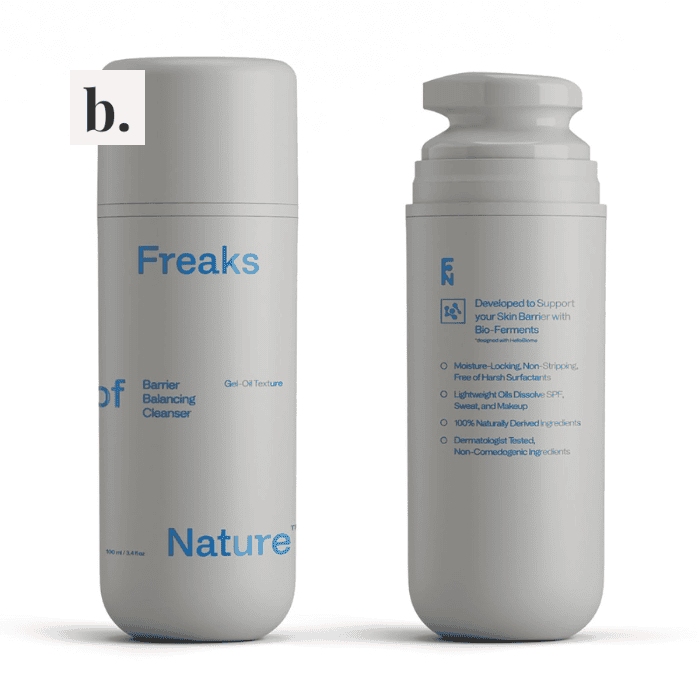
Freaks of Nature
Freaks of Nature Barrier Balancing Face Wash
If you want a gel-to-oil face wash for sunscreen and daily buildup, this Mid-Range cleanser offers a distinctive milky texture with supportive oils and humectants. Its consumer survey does not establish measured…
Read the BeautyBrief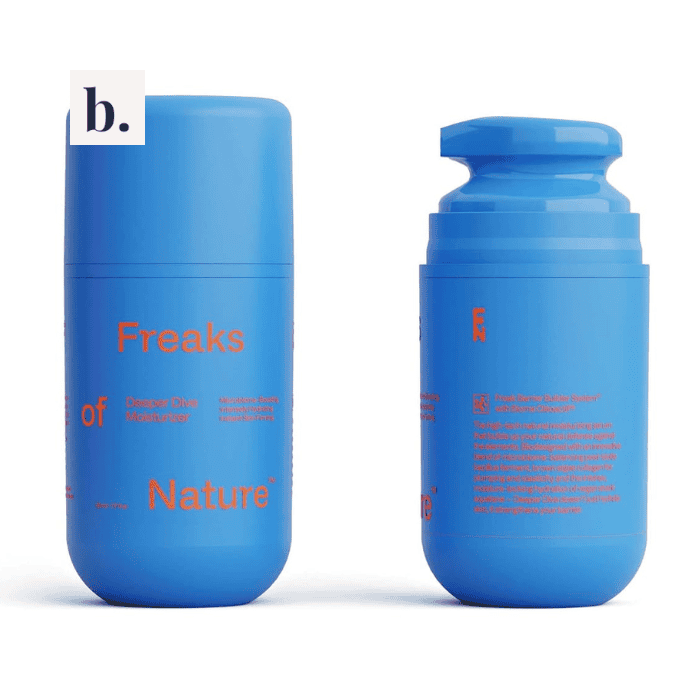
Freaks of Nature
Freaks of Nature Deeper Dive Hydrator
If you prefer an oil-based moisturizer, Deeper Dive offers a short squalane-and-plant-oil formula for surface softness. Its microbiome test does not establish clearer skin or repaired barrier function, so choose it for…
Read the BeautyBrief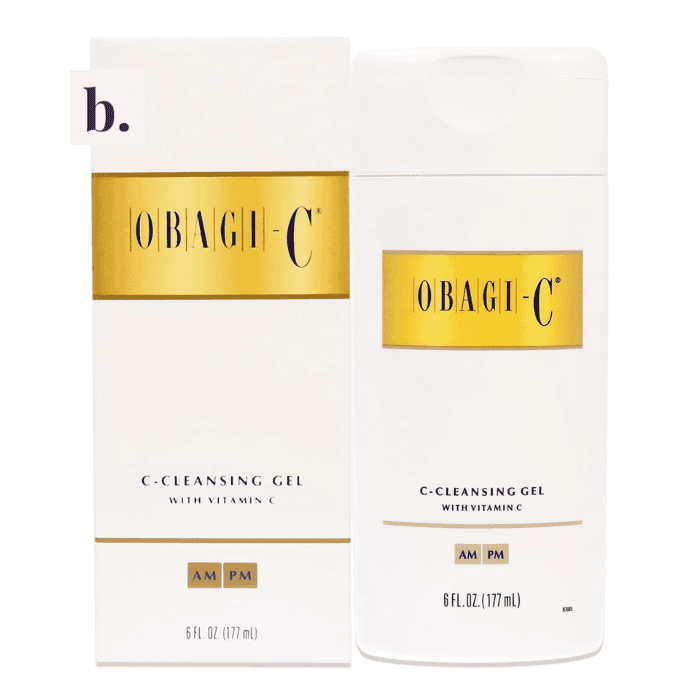
Obagi
Obagi-C® Fx C-Cleansing Gel
If you want a traditional foaming cleanser, Obagi-C Fx C-Cleansing Gel provides useful everyday washing for oil and residue. Its vitamin C does not establish the results of a leave-on treatment, while…
Read the BeautyBrief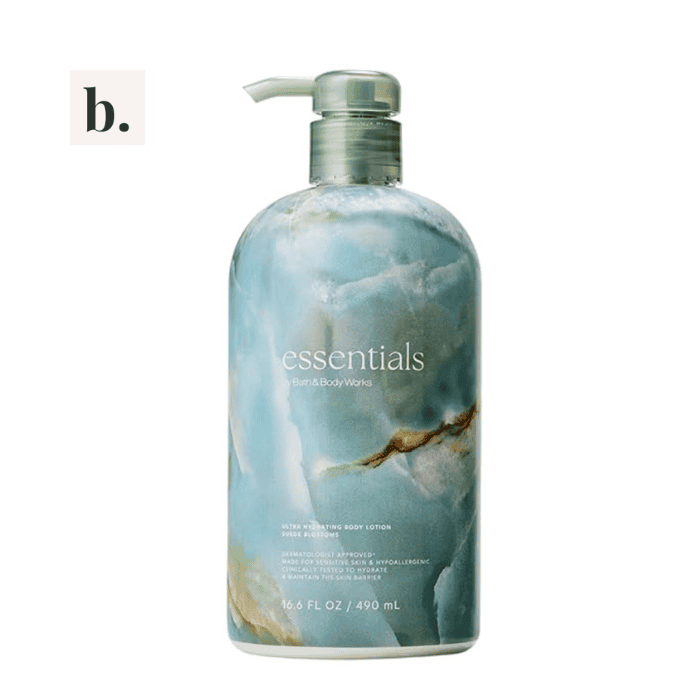
Bath & Body Works
Bath & Body Works Suede Blossoms Ultra Hydrating Body Lotion
If your body skin is normal or dry and you enjoy scented lotion, Suede Blossoms offers familiar humectants and emollients for everyday softness. Its hypoallergenic label does not guarantee fragrance tolerance, and…
Read the BeautyBrief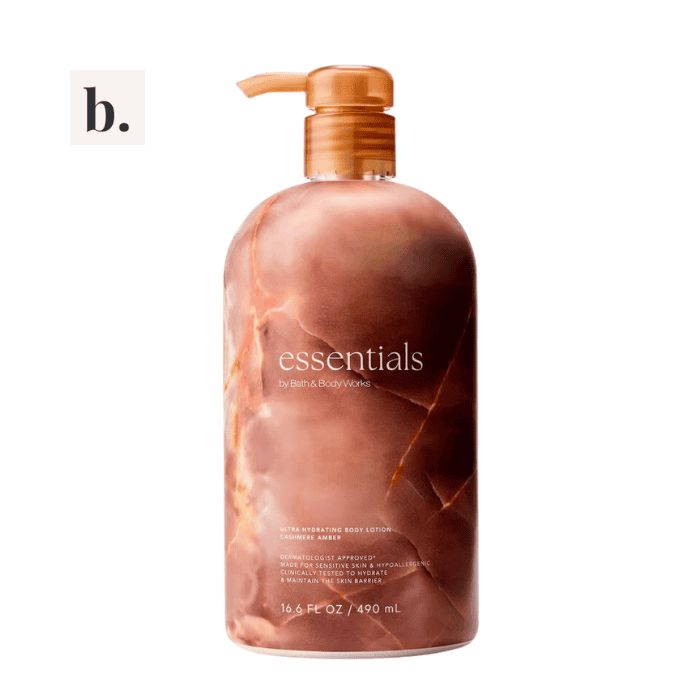
Bath & Body Works
Bath & Body Works Cashmere Amber Ultra Hydrating Body Lotion
If your body skin is normal or dry and you enjoy an amber fragrance, Cashmere Amber offers familiar humectants and emollients for everyday softness. Its hypoallergenic label does not guarantee fragrance tolerance,…
Read the BeautyBrief