

Skin Longevity vs. Anti-Aging: What You Need to Know
At a glance
Skin longevity sounds newer than anti-aging because it promises something broader: not just fewer visible signs of age, but skin that stays resilient and functional over time. The useful question is whether that new language changes what deserves a place in your routine—or simply gives familiar skincare a more futuristic story.
You are increasingly seeing skin longevity discussed in skincare marketing. Instead of simply promising to fight wrinkles, newer products increasingly talk about prevention, resilience, and helping skin function well over time. Current beauty-industry coverage shows that the language is changing, but the practical question for you is simpler: does “longevity” change what a product can realistically do, or just how it is marketed?[1]
That distinction matters. The language can be more useful when it moves the conversation toward prevention, comfort, realistic expectations, and products you can use consistently. It becomes less useful when familiar formulas are repackaged with claims about cellular age, mitochondrial energy, or biological-age reversal without stronger evidence.
For buying purposes, treat “skin longevity” as a marketing umbrella rather than a standardized product category. A moisturizer, sunscreen, serum, supplement, device, or professional treatment can all use the phrase. The label itself tells you very little until you know the specific benefit being promised, how the finished product is supposed to provide it, and what evidence supports the claim.
What does skin longevity mean in skincare?
In practical skincare terms, skin longevity means trying to preserve skin function, comfort, and healthy appearance over time rather than treating every visible sign of age as something that must be erased.
That can include:
- Limiting avoidable ultraviolet damage
- Maintaining hydration and barrier comfort
- Managing uneven tone, rough texture, or other concerns that matter to you
- Using active treatments at a frequency your skin can tolerate
- Reducing unnecessary irritation
- Choosing products you can use consistently enough to benefit from them
What matters for your routine is the emphasis on maintenance and prevention. But “skin longevity” has no single regulated definition or performance standard. A product described this way does not automatically protect against UV exposure, repair the barrier, increase collagen, or slow biological aging.
Each promise still needs to be evaluated on its own.
Is skin longevity actually replacing anti-aging?
No. The language is changing, but anti-aging has not disappeared.
In 2026, longevity has become a prominent beauty theme, and brands are using it to frame skincare around prevention, resilience, and maintaining function. At the same time, dermatologists interviewed about the trend have described it as an expansion of the aging conversation rather than a replacement for everything that came before.[1]
That is a more accurate way to think about it. Sunscreen does not become a different product because the package talks about longevity. A moisturizer does not become more advanced because it promises “cellular vitality.” A retinoid does not lose decades of evidence because a newer serum targets a fashionable pathway.
The new language earns its place only when it helps you make a better decision.
Is skin longevity new skincare science?
Mostly, no.
You already have familiar, well-supported options for a longevity-minded routine. The American Academy of Dermatology places sunscreen and moisturizer at the foundation of anti-aging skincare and advises you to focus on one concern rather than layering multiple products simply because they promise age-related benefits.[2]
What is newer is the scientific language surrounding some longevity products. Brands are borrowing ideas from aging research—including cellular energy, NAD+, inflammation, and cell-to-cell signaling—to explain why a formula might support skin over time.[1]
Those research areas can be legitimate. The problem starts when an interesting scientific idea is presented as proof that the finished cosmetic will make skin age more slowly or reverse biological aging.
Ask what the product actually improves. “Improves hydration” is a result you can understand. “Supports cellular longevity” needs more explanation: what was measured, in whom, for how long, using the exact finished formula, and why the result matters to you?
What actually supports long-term skin health?
A longevity-minded routine does not need to be experimental or expensive. The strongest starting point is still a short list of products with clear jobs.
Consistent sun protection
Daily UV protection has a direct role in reducing preventable photoaging. The AAD recommends broad-spectrum, water-resistant sunscreen with SPF 30 or higher and identifies sunscreen as one of the most important products for limiting premature signs of skin aging.[2]
The product still has to be usable. A sunscreen that stings, pills, leaves a finish you dislike, or feels so unpleasant that you underapply it has poor practical value. Choose a formula you can apply generously and maintain consistently.
If you prefer mineral filters, BB’s zinc oxide Ingredient page explains why the finished sunscreen matters more than the filter percentage alone.
A retinoid you can tolerate
Prescription tretinoin has one of the strongest evidence bases among topical treatments for photoaging. A 2024 systematic review described tretinoin as the gold-standard topical therapy while also finding that irritation and tolerability often limit use.[3]
That tradeoff matters. A treatment cannot contribute much to a long-term routine if burning, peeling, or discomfort repeatedly forces you to stop.
Stronger is not automatically better. The right retinoid, frequency, moisturizer, and application method depend on the product, your routine, and how your skin responds. Over-the-counter retinol products also vary in concentration, stability, delivery, and supporting evidence.
A dependable moisturizer
Moisturizers can improve hydration, reduce water loss, soften rough skin, and make a routine easier to tolerate. Humectants, emollients, and occlusives perform different but complementary jobs in a finished formula.[4]
A moisturizer does not need a longevity complex to be useful. Ingredients such as glycerin, ceramides, and hyaluronic acid can contribute to hydration or barrier comfort when they are used in a well-built formula.
Texture and routine fit matter too. If your skin is dry, you may prefer a richer cream. If your skin is oily or acne-prone, you may prefer a lighter lotion or gel cream. If your skin is sensitive, a formula with fewer potential irritants may be easier to fit into your routine. Prestige packaging does not make a moisturizer more supportive of “longevity.”
Targeted products with one clear job
You can add a targeted product when it addresses a concern your basic routine does not handle well.
Niacinamide, azelaic acid, and peptides can play very different roles depending on the formula and the concern. They do not all need to appear in the same routine.
You do not need to buy more products just because they promise skin longevity. Adding too much to your routine can increase cost, duplication, and irritation without giving you better results.
Which skin-longevity claims deserve skepticism?
Be cautious when the scientific vocabulary sounds more specific than the consumer benefit.
Terms such as cellular renewal, epigenetic support, mitochondrial energy, senescence defense, biological age reversal, and DNA support may sound highly specific. That does not mean the finished cosmetic has been shown to change visible aging or preserve skin function in ordinary use.
Look for the gap between the evidence and the claim:
- Was the research conducted in cells, animals, isolated tissue, or people?
- Was the exact finished product tested?
- Was there a useful comparison group?
- Was the outcome visible or otherwise meaningful to you?
- Did the study measure a short-term laboratory marker and market it as long-term rejuvenation?
- Was the product used the same way it is sold?
- Were company funding and author relationships disclosed?
A promising laboratory result may justify more research. It does not automatically justify a higher price.
Be wary when a longevity claim starts sounding medical. FDA distinguishes ordinary cosmetic appearance claims from claims that a product changes how the body is structured or functions, which can change how the product is regulated.[5]
Replacing the phrase “anti-aging” with “longevity” does not make an unsupported structural or medical claim more credible.
How should you evaluate a skin-longevity product before buying?
Use five checks before paying extra for the longevity story.
1. Translate the promise
Turn the marketing language into one practical result. Does the product protect against UV exposure, improve hydration, reduce the appearance of uneven tone, smooth rough texture, or soften visible fine lines?
If the brand cannot explain what “supports longevity” means in a way you can evaluate, the claim is too vague to carry much weight.
2. Match the claim to the product format
A cleanser has brief contact with the skin. A moisturizer can improve hydration and comfort. A sunscreen can reduce UV exposure when applied correctly. A leave-on treatment may provide a targeted benefit over time.
Do not give a rinse-off product the same long-term value as a well-supported leave-on treatment simply because both highlight the same ingredient.
3. Look for evidence on the finished product
Ingredient research can tell you whether an idea is reasonable. Finished-product testing is more useful when you are deciding whether to buy the exact formula in front of you.
Better evidence tells you who used the product, for how long, what it was compared with, what changed, and whether the result was large enough to matter to you.
4. Compare it with established options
Ask whether sunscreen, a retinoid, a dependable moisturizer, or a conventional targeted product can address the same need more directly.
Novelty can justify interest. It does not automatically deserve priority in your routine.
5. Ask what the premium actually buys
A higher price may reflect difficult formulation, better packaging, a proprietary delivery system, meaningful finished-product testing, or improved tolerability. It may also reflect luxury positioning and a fashionable scientific narrative.
The AAD specifically cautions against assuming that a more expensive anti-aging product will work better.[2]
Ask what the product does better than the closest credible alternative. The difference should matter to your skin and be large enough to justify the added cost.
What does a realistic skin-longevity routine look like?
Keep your longevity-minded routine simple enough to follow and flexible enough to change as your skin changes.
Morning
- Cleanse only as much as your skin needs
- Use one targeted treatment when it serves a clear purpose
- Apply moisturizer when needed for comfort
- Use broad-spectrum sunscreen and other sun-protective measures
Evening
- Remove sunscreen, makeup, and daily buildup without leaving skin tight
- Use a tolerable retinoid or another treatment for a specific concern
- Apply enough moisturizer to keep skin comfortable
Add active products one at a time. The AAD advises starting with one anti-aging product because using several at once can irritate the skin and make signs of aging more noticeable.[6]
If your routine repeatedly irritates your skin, requires frequent recovery periods, or feels too complicated to maintain, it is not serving your long-term goals well—no matter how advanced the products sound.
The BB Perspective
Skin longevity is a useful idea when it shifts your attention from chasing youth to protecting what already works: dependable sun protection, a comfortable barrier, targeted treatment, and a routine you can actually maintain.
It is less useful as a shopping category. The word “longevity” does not tell you whether a formula works, whether a cellular claim matters in real skin, or whether a $150 serum is better than the products already in your routine.
Before paying for a longevity claim, mentally remove the word from the package. If the formula, evidence, purpose, tolerability, and price still make sense, the product may deserve consideration. If the longevity story was doing most of the work, it has not earned the premium.
Last reviewed: September 2026
Sources
Pai D. Longevity Skin Care Takes a New Approach to Aging. Vogue. June 18, 2026.
This current industry overview documents the rise of longevity positioning in skincare and includes dermatologist commentary that longevity is expanding, rather than literally replacing, the anti-aging conversation. BB uses it to establish the current market trend, not to prove product efficacy. Return to citation.
American Academy of Dermatology Association. How to Select Anti-Aging Skin Care Products. Accessed September 2026.
The AAD places sunscreen and moisturizer at the foundation of anti-aging skincare, advises focusing on one concern, recommends broad-spectrum SPF 30 or higher, and cautions that higher price does not guarantee better results. Return to citation.
Siddiqui Z, Zufall A, Nash M, et al. Comparing Tretinoin to Other Topical Therapies in the Treatment of Skin Photoaging: A Systematic Review. American Journal of Clinical Dermatology. 2024;25(6):873-890. doi:10.1007/s40257-024-00893-w.
This systematic review evaluated 25 comparative studies and describes tretinoin as the gold-standard topical therapy for photoaging while noting that irritation and poor tolerability can limit use. Return to citation.
Purnamawati S, Indrastuti N, Danarti R, Saefudin T. The Role of Moisturizers in Addressing Various Kinds of Dermatitis: A Review. Clinical Medicine & Research. 2017;15(3-4):75-87.
This review explains the complementary roles of humectants, emollients, and occlusives and supports the general discussion of hydration, reduced water loss, surface smoothness, and formula fit. It does not support a special “longevity” effect. Return to citation.
U.S. Food and Drug Administration. Wrinkle Treatments and Other Anti-Aging Products. Accessed September 2026.
FDA explains the distinction between cosmetic appearance claims and claims intended to affect the structure or function of the body, which may cause a product to be regulated as a drug or medical device. Return to citation.
American Academy of Dermatology Association. How to Maximize Results From Anti-Aging Skin Care Products. Accessed September 2026.
The AAD recommends starting with one anti-aging product because using several at once can irritate the skin. This supports a gradual, tolerability-focused routine rather than adding multiple active products at the same time. Return to citation.
Related product BeautyBriefs
These BeautyBriefs cover products relevant to the needs discussed in this Beauty Briefing. Inclusion here reflects topic relevance, not a rating or endorsement.

Allies of Skin
Allies of Skin The Lab Drop 10/10/10 Multi GF Exo Advanced Recovery Ampoules
If you are considering Allies of Skin Lab Drop 10/10/10 Ampoules for visible aging, its growth-factor and exosome-themed complexes make an ambitious treatment story. The brand's reported improvements do not establish biological…
Read the BeautyBrief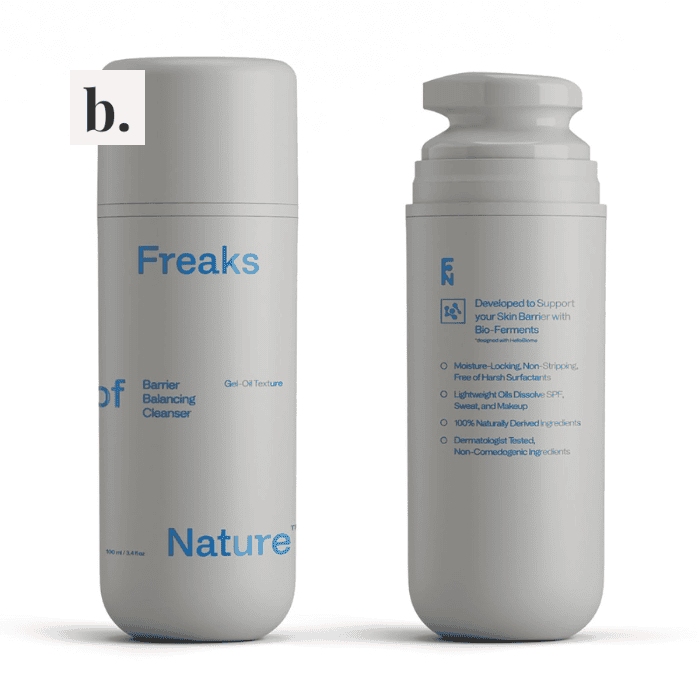
Freaks of Nature
Freaks of Nature Barrier Balancing Face Wash
If you want a gel-to-oil face wash for sunscreen and daily buildup, this Mid-Range cleanser offers a distinctive milky texture with supportive oils and humectants. Its consumer survey does not establish measured…
Read the BeautyBrief
Schaf
Schaf Moisturizer 3.0
If you prefer a fragrance-free cream, Schaf Moisturizer 3.0 offers rich emollience alongside niacinamide and bakuchiol. Its Premium value rests on how the texture and ingredient blend suit you, not established retinoid-level…
Read the BeautyBrief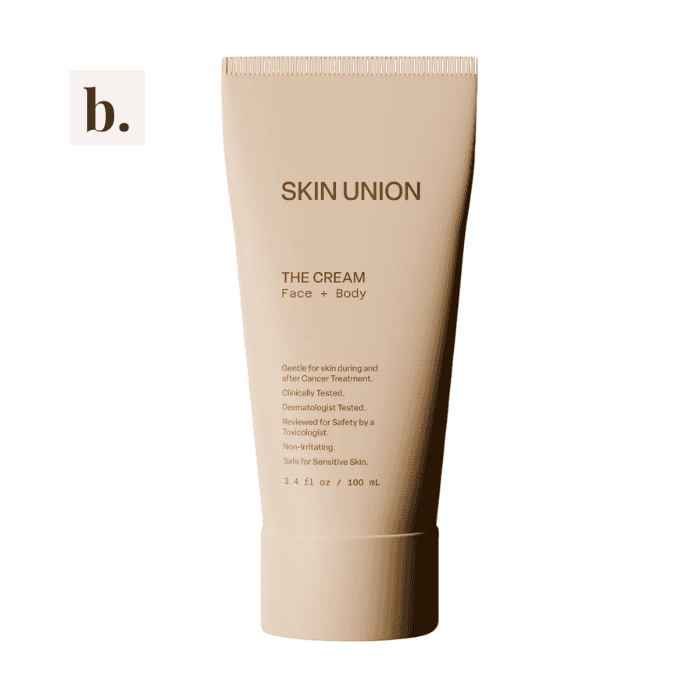
Skin Union
Skin Union The Cream
If your face or body needs moisture without fragrance, The Cream combines plant oils, oat beta-glucan and a ceramide. Its value rests on that moisturizing system, while sensitive-skin clinical outcomes remain unreported.
Read the BeautyBrief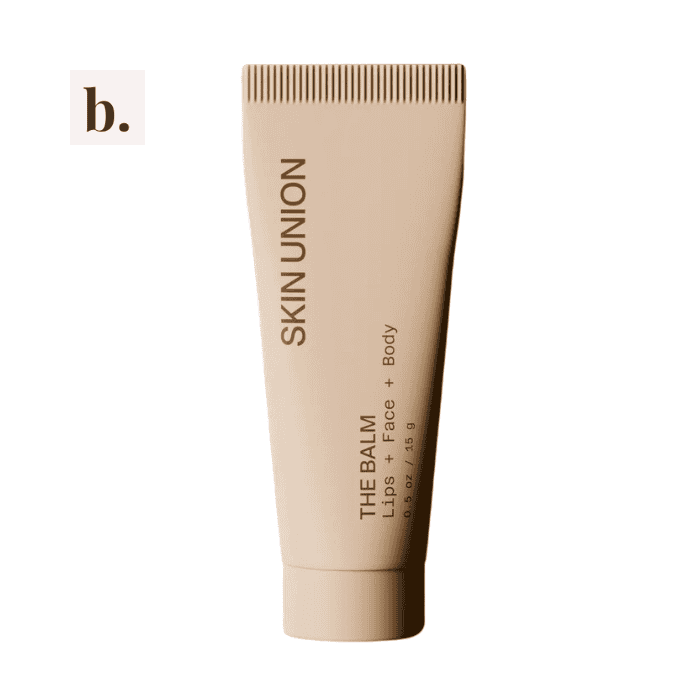
Skin Union
Skin Union The Balm
If your lips or dry patches need extra protection, The Balm supplies a rich sunflower-and-shea base with lanolin. It is not vegan, and its clinical healing claims remain unestablished while testing is…
Read the BeautyBrief
Oak Essentials
Oak Essentials Antioxidant Hand Serum
If your hands look dry, Oak Essentials Hand Serum offers humectants and emollients for softness. Its Premium value depends on the scented finish, not unproven cellular regeneration.
Read the BeautyBrief