

Encapsulated vs. Regular Benzoyl Peroxide for Rosacea-Prone Skin
At a glance
If your skin is prone to rosacea, “encapsulated benzoyl peroxide” can sound like a gentler solution. One prescription 5% microencapsulated cream has FDA approval for inflammatory rosacea lesions, but that does not establish that every encapsulated formula is gentler than regular benzoyl peroxide. Your decision depends on the exact product, the symptoms you want to treat, and the evidence behind its delivery system.
If regular benzoyl peroxide has left your skin burning, peeling, or visibly red, an “encapsulated” version can sound like the obvious upgrade. For rosacea-prone skin, there is a real reason to pay attention to the delivery system—but also an important limit to the evidence.
Before you assume encapsulation is just marketing, consider EPSOLAY: this prescription 5% microencapsulated benzoyl peroxide cream is FDA-approved for inflammatory rosacea lesions in adults. In its pivotal trials, that finished formula reduced papules and pustules more effectively than its vehicle cream and was generally well tolerated. The evidence applies to this prescription product.
What should you not take from those results? The trials did not compare microencapsulated benzoyl peroxide directly with regular, unencapsulated benzoyl peroxide. You have evidence that one prescription product works, not proof that every encapsulated version is automatically gentler or more effective than conventional formulas.
Why regular benzoyl peroxide can be difficult for rosacea-prone skin
If you have reactive skin, you already know why ordinary benzoyl peroxide can be difficult to tolerate. It is an established acne ingredient, but dryness, peeling, stinging, burning, and redness can make your routine harder to manage.
The American Academy of Dermatology notes that ordinary benzoyl peroxide can irritate sensitive skin enough to make it an unacceptable treatment for rosacea. The newer prescription microencapsulated form was developed to release benzoyl peroxide gradually and is now one FDA-approved option for the acne-like inflammatory bumps of rosacea.[1]
If you have rosacea-prone skin, don’t treat it as ordinary acne-prone skin with a little extra sensitivity. A formula that makes sense for acne can be a poor match when you also experience persistent redness, flushing, burning, or stinging.
What does encapsulation actually change?
In the FDA-approved prescription cream, solid benzoyl peroxide is incorporated into microcapsules rather than simply dispersed through a conventional gel or cream base.[2]
For your skin, the formulation idea is controlled release. Rather than exposing the surface to benzoyl peroxide in the same way as a conventional formula, the prescription microcapsules release the active gradually. That describes the delivery design—not a guarantee that your skin will never become irritated.
When you compare products, don’t assume “encapsulated benzoyl peroxide” means one standardized technology. Different products can use different carriers, particle designs, percentages, bases, and release systems. You need to evaluate the full formula, not just the word encapsulated on the label.
What does the clinical evidence actually show?
The strongest evidence comes from two 12-week, randomized, double-blind Phase III trials of prescription microencapsulated benzoyl peroxide cream 5% in adults with moderate-to-severe papulopustular rosacea.
Across the two studies, 733 participants were randomized to the 5% microencapsulated cream or its vehicle. At Week 12, clear or almost-clear ratings were achieved by 43.5% of participants using microencapsulated benzoyl peroxide versus 16.1% using vehicle in one trial, and 50.1% versus 25.9% in the other. Inflammatory lesion counts also improved significantly more with the active cream.[3]
What do those trial results tell you? The specific prescription formula has demonstrated effectiveness for inflammatory rosacea lesions.
What they do not tell you is whether encapsulation outperforms regular benzoyl peroxide, because the trials did not include an unencapsulated comparator. The trial authors noted that limitation. Sol-Gel Technologies sponsored the trials, and Sol-Gel Technologies and Galderma funded medical writing support. You should consider those relationships when weighing the findings.[3]
Does microencapsulated benzoyl peroxide cause less irritation?
You can take some reassurance from the prescription cream’s clinical tolerability results, but you should not read “microencapsulated” as “irritation-free.”
The current prescribing information warns that erythema, scaling, dryness, stinging, burning, irritation, and contact dermatitis can still occur. In the pivotal trials, the most common adverse reactions occurring in at least 1% of treated participants were application-site pain, redness, itching, and swelling.[2]
For your buying decision, “a different delivery system” and “gentle for everyone” are two very different claims.
Here’s the distinction worth keeping: you have direct rosacea efficacy and tolerability data for the prescription microencapsulated cream, and its delivery system is part of that clinically tested formula. You do not have a head-to-head trial proving it is universally less irritating than every conventional benzoyl peroxide product.
Does the prescription evidence apply to OTC encapsulated benzoyl peroxide?
If you’re wondering whether every OTC encapsulated formula offers the same benefits, the answer is no—not automatically.
This is where you need to distinguish a verified prescription treatment from a cosmetic or OTC product using similar language.
If you see “encapsulated,” “microencapsulated,” or “time-release” on an OTC acne wash or gel, don’t mistake that wording for proof that it performs like the prescription 5% rosacea cream.
Before you compare results, check what is actually comparable: the carrier and release system, benzoyl peroxide percentage, rinse-off versus leave-on format, full formula, testing, and who participated in the studies. Those differences can change what the evidence means for your skin.
If an OTC brand implies that its encapsulated acne product is proven for rosacea, look for evidence on that exact finished product. Research on the prescription cream should not be treated as interchangeable proof.
If you’re choosing between a daily cleanser and a medicated acne wash, BB’s facial-cleanser selection Briefing explains what a rinse-off treatment does—and why you should not confuse it with a prescription leave-on cream for rosacea.
Who is benzoyl peroxide actually relevant for?
The FDA-approved microencapsulated product is indicated for the inflammatory lesions of rosacea—the papules and pustules that can resemble acne.[2]
For your routine, that indication matters: benzoyl peroxide is not a treatment for every feature of rosacea.
If your main concern is persistent facial redness, flushing, visible blood vessels, or eye symptoms rather than inflammatory bumps, benzoyl peroxide is not targeting the main problem. AAD lists different treatment approaches for those rosacea features.[1]
Acne and rosacea can also coexist. If you are not sure whether persistent bumps are acne, rosacea, or both, repeatedly switching among acne products can make an already reactive routine harder to interpret. That is a better point to get dermatology guidance than to keep escalating active ingredients.
For a broader routine decision, see BB’s rosacea-prone skincare Briefing. It puts treatment evidence alongside the gentle cleansing, moisturizer, sunscreen, and irritation prevention you also need to consider.
What about azelaic acid?
If you’re discussing alternative treatments for inflammatory rosacea bumps, azelaic acid is another FDA-approved topical option. The AAD includes it among treatments for acne-like rosacea breakouts.[1]
That does not make azelaic acid the automatic choice for you. It means you have more than one potential treatment path and should not assume benzoyl peroxide is the answer simply because newer delivery technology sounds more advanced.
If you are comparing prescription options, the question is not which active sounds strongest. It is which treatment best matches the rosacea features you actually have and the level of irritation your skin can tolerate.
How should you judge an encapsulated benzoyl peroxide product?
When you compare encapsulated products, look past the technology name and ask what actually changes your treatment decision.
- What is the product for? Acne and rosacea are not interchangeable indications.
- Is it prescription or OTC? The 5% microencapsulated cream with direct rosacea trials is a prescription drug.
- Was the finished product studied? A delivery technology is more convincing when evidence belongs to the formula in front of you.
- What is the product format? A leave-on cream and a rinse-off cleanser do not create the same exposure.
- What else is in the routine? Combining benzoyl peroxide with several exfoliating or potentially irritating products can make reactive skin harder to manage.
If you already use a retinoid, salicylic acid, or another active treatment, do not assume adding benzoyl peroxide is automatically the next step. More actives can mean more irritation without solving the underlying question of whether the bumps are acne, rosacea, or both.
What should you know before using the prescription cream?
If your clinician prescribes the FDA-approved 5% microencapsulated cream, follow its directions: once-daily application to clean, dry skin as instructed. The label also warns you about irritation, possible hypersensitivity, increased sun sensitivity, and bleaching of hair or colored fabric.[2]
You should not build a do-it-yourself treatment schedule around the word “encapsulated.” Use prescription rosacea treatment according to the label and your clinician’s directions, not an OTC product’s marketing language.
If a nonprescription benzoyl peroxide product is being used for acne instead, follow that product’s directions rather than borrowing the schedule from a rosacea prescription.
When is paying more for encapsulation justified?
For you, paying more for encapsulation makes sense only when a clinically tested finished formula addresses a genuine treatment problem.
If you’re evaluating the prescription 5% microencapsulated cream, its randomized rosacea trials and FDA approval support a specific use: inflammatory lesions. That is the kind of finished-product evidence that can make delivery technology worth considering.
An expensive OTC acne product does not clear the same bar simply because its packaging uses the same technology word. If the brand cannot show why its encapsulation changes performance, tolerability, or delivery in the finished formula, the premium is harder to justify.
If your main concern is irritation rather than inflammatory bumps, you might get more value from a simple moisturizer containing barrier-supportive ingredients such as ceramides than from adding another active. Your routine does not need extra treatment steps merely because the technology is newer.
The BB Perspective
You can take encapsulated benzoyl peroxide seriously as a delivery technology—but don’t let the marketing broaden the research beyond what was actually tested.
For you, the strongest evidence is for one prescription 5% microencapsulated formula approved for inflammatory rosacea lesions. There is still no head-to-head trial showing that every encapsulated benzoyl peroxide product is gentler or more effective than regular benzoyl peroxide.
For rosacea-prone skin, do not buy the word encapsulated. Buy the evidence behind the exact product, and make sure benzoyl peroxide is targeting the problem you actually need to treat.
Last reviewed: October 2026
Sources
American Academy of Dermatology Association. Rosacea: Diagnosis and Treatment. Accessed October 2026.
AAD lists FDA-approved treatments for acne-like rosacea breakouts, including azelaic acid and encapsulated benzoyl peroxide cream 5%, and explains that microencapsulation gradually releases benzoyl peroxide. It also distinguishes inflammatory bumps from other rosacea features such as persistent facial color. Return to citation.
DailyMed. EPSOLAY (benzoyl peroxide) cream, 5% — Prescribing Information. Label revised February 2025. Accessed October 2026.
The prescribing information identifies EPSOLAY as a 5% benzoyl peroxide cream indicated for inflammatory lesions of rosacea in adults. It describes the microcapsule formulation, once-daily use, clinical-trial safety findings, and warnings for irritation, hypersensitivity, photosensitivity, and bleaching of hair or fabrics. Return to citation.
Bhatia ND, Werschler WP, Baldwin H, et al. Efficacy and Safety of Microencapsulated Benzoyl Peroxide Cream, 5%, in Rosacea: Results From Two Phase III, Randomized, Vehicle-Controlled Trials. Journal of Clinical and Aesthetic Dermatology. 2023;16(8):34-40.
Two 12-week, double-blind, vehicle-controlled Phase III trials randomized 733 adults with moderate-to-severe papulopustular rosacea. The 5% microencapsulated cream improved investigator ratings and inflammatory lesion counts compared with vehicle. No ordinary benzoyl peroxide comparator was included. Sol-Gel Technologies sponsored the trials; Sol-Gel Technologies and Galderma funded medical writing, and multiple authors reported industry relationships. Return to citation.
Related product BeautyBriefs
These BeautyBriefs cover products relevant to the needs discussed in this Beauty Briefing. Inclusion here reflects topic relevance, not a rating or endorsement.
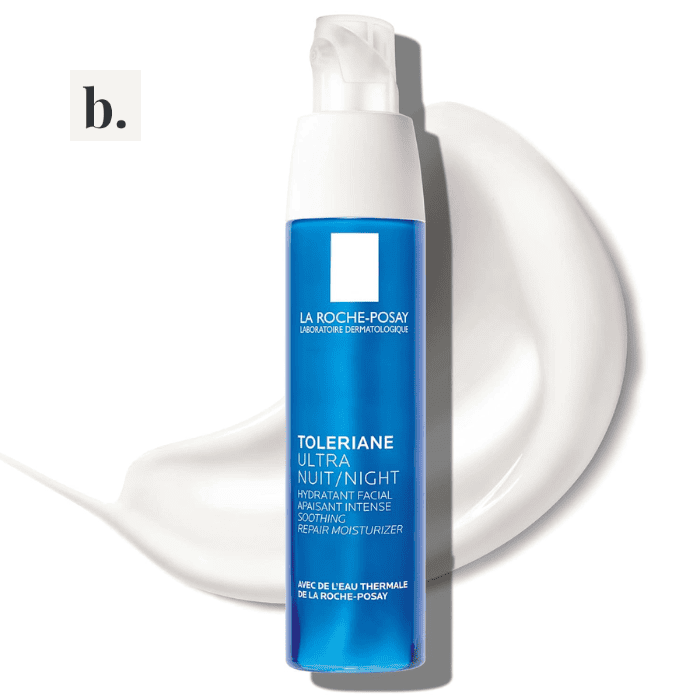
La Roche-Posay
La Roche-Posay Toleriane Dermallergo Night Moisturizer
If your skin is easily unsettled by fragranced products, Dermallergo Night offers a useful Mid-Range moisturizing option with gentle-feeling texture and protective packaging. Its four-week consumer test supports reported comfort, not treatment…
Read the BeautyBrief
Obagi
Obagi SUZANOBAGIMD® Intensive Daily Repair
If you want a combined moisturizer and exfoliant, Intensive Daily Repair offers two PHAs and a substantial conditioning base. Its Premium price makes sense when that combination simplifies your routine, while very…
Read the BeautyBrief
PCA SKIN
PCA SKIN ReBalance
If your skin prefers a light cream, PCA SKIN ReBalance offers practical moisture and skin-conditioning support. Its Premium value depends on the finish you prefer rather than proven pH correction.
Read the BeautyBrief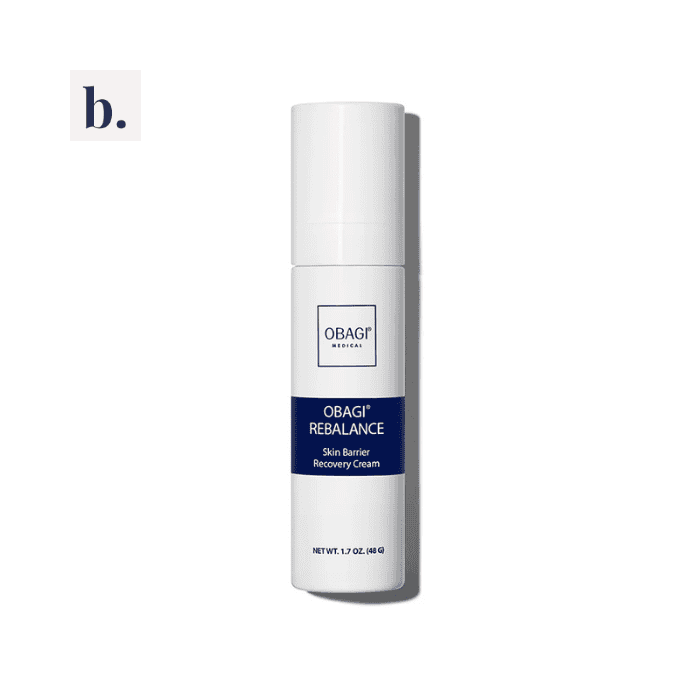
Obagi
Obagi® Rebalance Skin Barrier Recovery Cream
If your skin needs substantial moisture and comfort, Obagi Rebalance offers a thoughtful barrier-lipid system supported by brand-reported testing. Its eczema-focused acceptance adds shopping context, but neither the seal nor the ingredient…
Read the BeautyBrief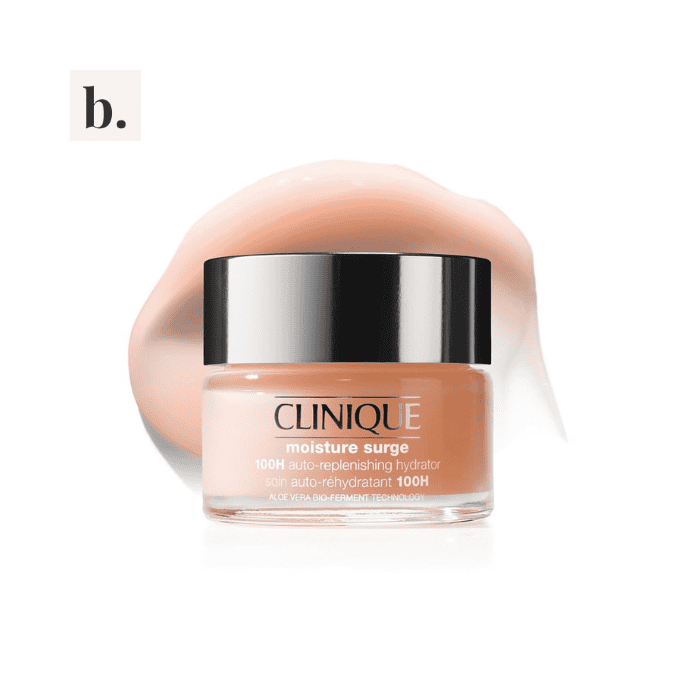
Clinique
Clinique Moisture Surge™ 100H Auto-Replenishing Hydrator
If you dislike thick creams, Clinique Moisture Surge 100H offers practical, lightweight hydration in an oil-free gel. Its Mid-Range value rests on texture and comfort rather than a universal 100-hour promise.
Read the BeautyBrief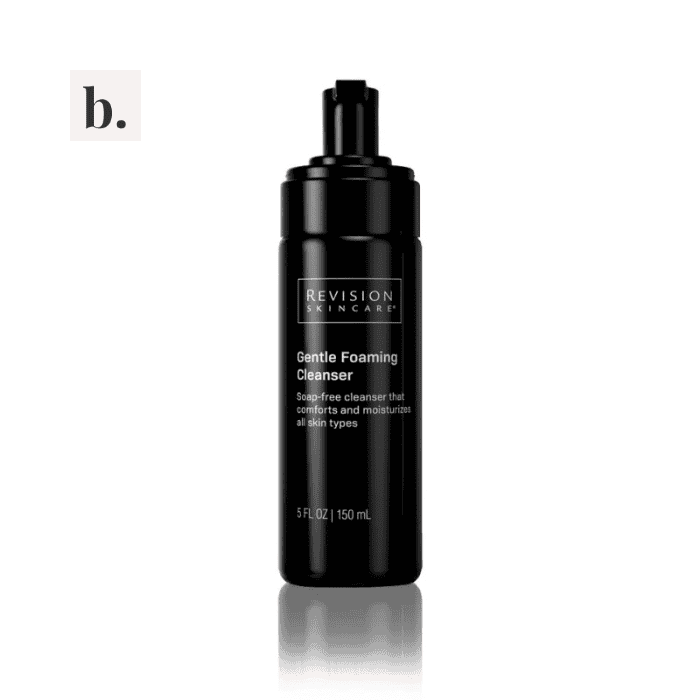
Revision Skincare
Revision Skincare Gentle Foaming Cleanser
If you like a foamy cleanser without a tight after-feel, Revision provides an amino-acid-led option with conditioning ingredients. Its Premium value depends on texture and individual comfort rather than a uniquely proven…
Read the BeautyBrief