

Does Plant-Derived PDRN Skincare Work as Well as Salmon PDRN?
At a glance
Plant-derived PDRN is moving quickly from laboratory research into skincare, with peony, rose, Gynostemma, and other botanical sources now appearing in the literature. Some of those materials show biological activity similar to salmon-derived PDRN in early testing. The harder question is whether that makes the two interchangeable in a serum—and current research leaves several important gaps.
PDRN has moved quickly from regenerative medicine into serums, creams, masks, and other skincare. As the category grows, brands are increasingly distinguishing between conventional fish-derived PDRN and newer plant-derived versions.
Plant sources have an obvious appeal if you want to avoid fish-derived ingredients. They also give brands a newer sustainability and technology story to tell.
What the evidence does not yet support is treating plant-derived PDRN and salmon-derived PDRN as clinically interchangeable skincare ingredients.
That is not the same as saying plant PDRN does not work. Recent plant studies show real biological activity, and one laboratory study directly compared a plant-derived preparation with salmon PDRN and found some similar skin-barrier-related effects. But source is only one part of the comparison. Fragment size, molecular-weight distribution, purity, processing, delivery, dose, and finished-product testing can all change what a PDRN material actually does.
In this Briefing
- What PDRN actually is
- Why plant and salmon PDRN are not automatically equivalent
- Why salmon-derived PDRN has the stronger evidence base
- What plant-derived PDRN research shows
- What direct plant-vs-salmon research exists?
- Why topical delivery matters
- When plant-derived PDRN can still make sense
- How to shop for a PDRN product
- Which source makes more sense to buy?
What is PDRN?
PDRN, short for polydeoxyribonucleotide, refers to mixtures of DNA fragments. Conventional PDRN used in medical and regenerative research has commonly been produced from purified salmonid DNA.
The ingredient name can make PDRN sound more uniform than it is. In practice, a DNA-fragment preparation can differ in fragment length, molecular-weight distribution, purity, integrity, residual material from processing, and how it is delivered.
That becomes especially important as plant-derived materials enter the category.
A 2026 review devoted specifically to plant-derived PN and PDRN concluded that these materials should be evaluated as a combination of source, processing, structure, delivery platform, and biological function. The authors cautioned that current plant evidence remains predominantly preclinical and should not be read as proof that plant-derived preparations are clinically equivalent to conventional animal-derived PDRN.[1]
For your skincare decision, the word PDRN on an ingredient story is only the beginning of the evaluation.
PDRN is a DNA-fragment preparation, not an exosome or extracellular-vesicle product. Both appear in regenerative skincare marketing, but their evidence cannot be borrowed from each other. For the broader buying-claims framework, see What Does Regenerative Skincare Actually Mean?
Why are plant and salmon PDRN not automatically equivalent?
Because the source name does not tell you that two PDRN materials have the same physical or biological properties.
Plant-derived preparations can differ in DNA-fragment distribution, molecular weight, purity, integrity, residual RNA, free nucleotides or nucleosides, and plant-derived compounds left after extraction and purification.[1]
Even two plant-derived PDRN materials can behave differently depending on how the source material is processed. Peony research, for example, found different activity among high-, medium-, and low-molecular-weight fractions from the same plant source.[2]
That does not make plant PDRN inherently weaker. It means “plant PDRN” is not one standardized ingredient that can automatically be substituted for a characterized salmon-derived preparation.
A convincing equivalence claim would ideally compare the two under matched conditions: comparable DNA dose, fragment distribution, purity, delivery system, application method, and outcome measurements. The 2026 plant-PDRN review concluded that those direct matched comparisons remain limited.[1]
So if a product page tells you its plant-derived PDRN “works exactly like salmon PDRN,” the claim is currently stronger than the clinical evidence.
Why does salmon-derived PDRN have the stronger evidence base?
Mostly because it has been studied longer and across more medical and dermatologic applications.
A 2026 systematic review of randomized PN and PDRN trials found only seven eligible studies with 183 participants across skin rejuvenation, postoperative scar prevention, and wound healing. The results were encouraging, particularly in wound-healing settings, but the authors emphasized the small studies, mixed treatment protocols, and inconsistent outcome measures.[3]
That is an important reality check. Conventional PDRN has the more established research history, but even that dermatology evidence base is not large enough for you to treat every PDRN cosmetic as proven.
Topical evidence became more interesting in July 2026. Researchers tested a high-purity salmon-sperm-derived preparation called PDRN-850K, with an average molecular weight no greater than 850 kDa, using cell models, reconstructed epidermis, ex vivo skin, penetration testing, and a randomized split-face human study.[4]
In the human portion, 31 women applied a 0.1% PDRN-850K eye cream on one periocular side and a 0.1% retinol eye cream on the other for 28 days. The PDRN side showed greater improvement in several measured periocular outcomes, including wrinkle measurements and ultrasound measures of dermal thickness and density.[4]
The comparison lasted only 28 days, so it does not establish longer-term superiority over retinol or prescription retinoids. Some early ultrasound changes could also reflect temporary hydration or plumping rather than lasting dermal remodeling.[4]
That is unusually relevant because it tested topical use on people rather than relying on injections or wound-healing evidence.
It is still one short study of one characterized PDRN material and one finished formula. Several authors had affiliations with UNISKIN Research Institute/Inertia Shanghai Biotechnology and DermaHealth Shanghai Biotechnology. The paper reports that the authors declared no conflicts of interest. Those affiliations are still useful context, and the study should not be treated as proof that all salmon-PDRN skincare will outperform other ingredients.[4]
It also does not establish PDRN as a replacement for retinoids. It tells us that one topical salmon-derived preparation now has direct human evidence worth taking seriously.
What does the plant-derived PDRN research show?
The plant side of the category is moving quickly, but most of the evidence is still laboratory, ex vivo, or very small human testing.
Peony-derived PDRN
A study published in the 2026 volume of the International Journal of Molecular Sciences evaluated PDRN isolated from Paeonia lactiflora. Researchers separated the material into different fragment-size groups and found that the low-molecular-weight fraction produced the strongest results in several laboratory measures involving cell proliferation, migration, extracellular-matrix-related genes, oxidative stress, inflammation, and barrier-related markers.[2]
The study also included a small clinical assessment involving 10 participants. A 1% low-molecular-weight peony-PDRN cream improved barrier-recovery measurements after two weeks in an irritation model. Periorbital elasticity also increased from baseline after four weeks, while the control cream showed little change. The published elasticity table reports significance for the within-treatment change, rather than establishing statistically significant superiority between the formulas.[2]
Those results are encouraging, but 10 participants and a four-week study are far from enough to establish equivalence with salmon-derived PDRN. All six authors were employees of NewLife BST Co., Ltd., which is also important context when interpreting an early commercial ingredient-development study.[2]
Rose-derived PDRN
A 2025 study tested rose-derived PDRN in stressed primary human keratinocytes and ex vivo human skin. Researchers reported changes in mitochondrial function, oxidative damage, autophagy-related markers, inflammation, and collagen integrity under laboratory stress conditions.[5]
This is interesting mechanistic and skin-explant evidence. It is not a clinical trial showing that a finished rose-PDRN serum improves wrinkles, firmness, or barrier function when people use it at home.
The research also had clear commercial involvement: two authors were affiliated with Lancôme, two with OxiProteomics, and one with CILIA Consulting.[5]
Snow-lotus-derived PDRN
A 2025 laboratory study of PDRN isolated from Saussurea involucrata, commonly called snow lotus, reported increased proliferation and migration in human skin cells, increased collagen synthesis, and lower MMP1 expression.[6]
Again, that supports biological activity. It does not tell you whether a finished snow-lotus PDRN cream penetrates intact human skin effectively, improves visible aging, or matches salmon-derived PDRN at an equivalent dose. All listed authors were affiliated with NewLife BST Co., Ltd.[6]
What direct plant-vs-salmon research exists?
There is some direct comparison, but it is still preclinical.
A 2025 study compared PDRN derived from Gynostemma pentaphyllum callus with commercially sourced salmon PDRN in skin-cell experiments. The plant-derived material improved keratinocyte viability and showed antioxidant, wound-healing, UV-protective, and barrier-related effects that the authors described as comparable to salmon PDRN in several assays.[7]
That is useful because it moves beyond comparing two completely separate research programs. It shows that at least one plant-derived PDRN can produce overlapping biological effects with salmon PDRN under laboratory conditions.
It still does not answer the question most relevant to skincare: whether a plant-PDRN serum works as well as a salmon-PDRN serum on human facial skin.
The study was performed in cell models rather than a clinical trial, and the authors were affiliated with BIO-FD&C Co., Ltd. and Sphebio Co., Ltd. The work received Korean public research funding and reported no competing financial interests.[7]
This is why the best current answer is more nuanced than “there are no comparisons.” Comparisons exist. What is missing is convincing clinical equivalence.
Why does topical delivery matter so much?
Because evidence from injections, cell cultures, and wound-healing applications cannot simply be transferred to an everyday serum.
PDRN is a DNA-based macromolecular material, so getting meaningful amounts through the skin barrier is a real formulation challenge. The 2026 PDRN-850K study found time-dependent PDRN-associated signal in viable epidermal regions using its particular medium-length preparation and several penetration models, including pilot in vivo Raman measurements.[4]
The exploratory in vivo Raman assessment involved one volunteer, and the detected signals could not conclusively establish where intact exogenous PDRN reached individual cells. The penetration findings are promising but remain specific to this preparation and testing approach.[4]
That is encouraging for that preparation. It does not establish that every molecular size, source, or cosmetic vehicle delivers PDRN the same way.
Fragment size, concentration, stability, vehicle, and delivery system all matter. A label that says “1% PDRN” does not tell you the molecular-weight distribution, purity, integrity, or how much reaches viable skin.
This is also why source alone is a poor shortcut. A well-characterized plant-derived PDRN in a tested delivery system could ultimately make a stronger buying case than a vague salmon-PDRN serum with no finished-product data.
When can plant-derived PDRN still make sense?
Plant-derived PDRN offers a clear advantage if avoiding fish-derived PDRN matters to you.
Your preference does not require plant PDRN to outperform salmon PDRN. An animal-free PDRN source can be valuable on its own.
Just keep the claim precise: a plant-derived PDRN ingredient does not automatically make the finished product vegan. Other ingredients or manufacturing choices can still be animal-derived, so look for documentation from the brand if a vegan product is important to you.
Plant PDRN can also make sense when the brand is transparent about its source and processing, the complete formula suits your skin, the price is reasonable, and the claims stay within what the product has actually been tested to do.
Current research does not justify paying more simply because plant PDRN is described as automatically cleaner, safer, purer, or more advanced than salmon PDRN.
The reverse is also true. Salmon sourcing does not rescue a weak formula. A poorly documented salmon-PDRN serum does not become the better product merely because conventional PDRN has the longer research history.
How should you shop for a PDRN skincare product?
Start with what you want the product to improve, then work backward to the evidence.
- Source: Does the brand identify salmon, trout, peony, rose, Gynostemma, snow lotus, or another source—or does it simply say “PDRN”?
- Finished-product evidence: Was the serum or cream you can actually buy tested on people, or is the brand borrowing research from a raw material?
- Relevant outcome: If the product promises improved wrinkles, elasticity, or barrier function, did its testing actually measure that?
- Delivery: Does the evidence involve ordinary topical use, or does it come from injections, microneedling, skin explants, or cell culture?
- Formula quality: Does the product still have a sensible base for your skin? Established ingredients such as ceramides and glycerin can matter more to everyday hydration than an impressive PDRN story.
- Price: Are you paying for a better-tested formula and delivery system, or mostly for a newer source claim?
Do not assume a higher PDRN percentage is automatically better. The plant literature itself shows that fragment size and processing can change activity, while the 2026 review argues that dose has to be interpreted alongside molecular distribution, purity, integrity, and delivery.[1]
Keep the rest of your routine in perspective too. For visible photoaging, daily sunscreen and a tolerable retinoid still have a much deeper evidence base than topical PDRN. For dryness, a well-built moisturizer may give you a more noticeable and predictable benefit.
So, which PDRN source makes more sense to buy?
If your priority is the stronger current evidence base, salmon-derived PDRN has the advantage. It has the longer research history and now includes direct topical human evidence for at least one specifically characterized preparation.
If your priority is an animal-free PDRN source, plant-derived PDRN is a reasonable emerging option. Peony has small human data, Gynostemma has direct laboratory comparison with salmon PDRN, and rose and snow-lotus preparations have produced promising laboratory or ex vivo results.
What we still do not have is strong clinical evidence showing that plant-derived PDRN, as a category, works as well as salmon-derived PDRN on human facial skin.
That could change as better plant formulations reach controlled human trials. For now, do not turn source into a shortcut for judging the whole product.
The BB Perspective
Plant-derived PDRN has moved beyond a marketing idea. There is enough laboratory, ex vivo, and early human research to treat it as a legitimate emerging skincare technology.
But “promising alternative” and “clinically equivalent” are not the same conclusion. Salmon-derived PDRN still has the stronger overall evidence base, while plant studies remain smaller, more variable, and heavily dependent on the exact source and processing method.
If avoiding fish-derived ingredients matters to you, a well-documented plant-PDRN formula can make sense now. Otherwise, choose between PDRN products by the finished formula, delivery evidence, human testing, and price—not by assuming that salmon is automatically superior or that plant-derived PDRN is automatically more advanced.
Last reviewed: October 2026
Sources
Kim HJ, Lee JW, Kim S, Son KH. Plant-Derived Polynucleotides/Polydeoxyribonucleotides in Skin Biomaterials: Delivery Platforms and Bioactivity Attribution. Journal of Functional Biomaterials. 2026;17(7):351. Published July 18, 2026. doi:10.3390/jfb17070351. PMID: 42506577. Accessed September 2026.
This review specifically evaluates plant-derived and other non-animal PN/PDRN preparations. It concludes that current plant evidence remains predominantly preclinical and does not establish clinical equivalence with conventional animal-derived PDRN. It emphasizes molecular-weight distribution, purity, DNA integrity, residual materials, processing, delivery, and matched controls when comparing preparations. One author was affiliated with Sphebio Co., Ltd.; the remaining authors listed academic or medical-center affiliations. Return to citation.
Bak SU, Jung MS, Kim DJ, Jin HU, Lee SY, An CE. Anti-Aging Efficacy of Low-Molecular-Weight Polydeoxyribonucleotide Derived from Paeonia lactiflora. International Journal of Molecular Sciences. 2026;27(1):220. Published December 24, 2025. PMID: 41516097.
The study compared high-, medium-, and low-molecular-weight peony-derived PDRN fractions and found the strongest laboratory activity with the low-molecular-weight fraction. Small human testing involved 10 participants, including a two-week barrier-recovery assessment with a 1% low-molecular-weight peony-PDRN cream and a four-week periorbital-elasticity assessment using a control cream. The reported statistical significance for elasticity was for the within-treatment change from baseline, not a formal between-formula superiority test. The study did not compare peony PDRN clinically with salmon PDRN. All authors were employees of NewLife BST Co., Ltd.; the article reported no external funding and the authors declared no conflicts of interest. Return to citation.
Alhussain AM, Albusayys STM, Alfhadi MA, et al. Polynucleotides and Polydeoxyribonucleotides for Skin Rejuvenation, Postoperative Scar Prevention, and Wound Healing: A Systematic Review of Randomized Clinical Trials. Cureus. 2026;18(7):e112403. PMID: 42572627.
The review identified seven randomized trials involving 183 participants across skin rejuvenation, postoperative scar prevention, and wound healing. Results were encouraging, with the most consistent benefit in wound-healing applications, but the evidence was limited by small sample sizes, heterogeneous protocols, and variable outcomes. The review evaluates the broader PN/PDRN clinical literature rather than plant-versus-salmon equivalence or ordinary cosmetic serums. Return to citation.
Ye R, Wang Q, Du L, Li L, Hu F. Topical medium-length PDRN enhances dermal extracellular matrix repair in photodamaged skin via PI3K-Akt/TGF-β-regulated pathways. PLOS One. 2026;21(7):e0350905. doi:10.1371/journal.pone.0350905. PMID: 42430369.
This study evaluated a high-purity salmon-sperm-derived PDRN preparation with an average molecular weight no greater than 850 kDa using cell, reconstructed-epidermis, ex vivo, penetration, and clinical methods. In a randomized double-blind split-face study, 31 women used 0.1% PDRN-850K eye cream on one periocular side and 0.1% retinol on the other for 28 days; several wrinkle and dermal measurements improved more on the PDRN side. The study was short and applies most directly to this characterized preparation and formula. The 28-day comparison does not establish longer-term superiority over retinoids, and early ultrasound changes could reflect transient hydration or plumping. Exploratory in vivo Raman data came from one volunteer, and Raman spectroscopy could not conclusively establish intracellular localization of intact exogenous PDRN. Several authors had affiliations with UNISKIN Research Institute/Inertia Shanghai Biotechnology and DermaHealth Shanghai Biotechnology; the paper reports that the authors declared no conflicts of interest. Return to citation.
Cavagnino A, Azadiguian G, Breton L, Baraibar M, Black AF. Modulating Skin Aging Molecular Targets and Longevity Drivers Through a Novel Natural Product: Rose-Derived Polydeoxyribonucleotide (Rose PDRN). Current Issues in Molecular Biology. 2025;47(12):971. PMID: 41614736.
The study tested rose-derived PDRN in primary human keratinocytes and ex vivo human skin exposed to environmental stressors and reported changes in mitochondrial, oxidative-stress, autophagy, inflammatory, and collagen-related measurements. It did not include a clinical trial of a finished consumer product or a direct salmon-PDRN comparison. Two authors were affiliated with Lancôme, two with OxiProteomics, and one with CILIA Consulting. Return to citation.
Kim DJ, Bak SU, Lee SY, Jung MS, Jin HU, An CE. Skin regenerative potential of polydeoxyribonucleotide isolated from Saussurea involucrata. Cellular and Molecular Biology. 2025;71(11):94-99.
This laboratory study of snow-lotus-derived PDRN reported increased proliferation and migration in human skin cells, increased collagen synthesis, and reduced MMP1 expression. It did not test a finished topical product in people or compare the material clinically with salmon-derived PDRN. All listed authors were affiliated with the Skin Science Research Center at NewLife BST Co., Ltd. Return to citation.
Kim E, Choi S, Jang J, et al. Effects of polydeoxyribonucleotide derived from Gynostemma pentaphyllum callus on skin barrier function. Biochemical and Biophysical Research Communications. 2025;776:152180. doi:10.1016/j.bbrc.2025.152180. PMID: 40527178.
This study directly compared Gynostemma-derived PDRN with commercially sourced salmon PDRN in skin-cell experiments. The plant-derived material showed comparable effects in several laboratory measures involving keratinocyte viability, antioxidant activity, wound-healing behavior, UV protection, and barrier-related proteins. It was an in vitro study rather than a human clinical equivalence trial. Authors were affiliated with BIO-FD&C Co., Ltd. and Sphebio Co., Ltd.; the work received Korean public research funding and the authors reported no known competing financial interests. Return to citation.
Related product BeautyBriefs
These BeautyBriefs cover products relevant to the needs discussed in this Beauty Briefing. Inclusion here reflects topic relevance, not a rating or endorsement.

Allies of Skin
Allies of Skin The Lab Drop 10/10/10 Multi GF Exo Advanced Recovery Ampoules
If you are considering Allies of Skin Lab Drop 10/10/10 Ampoules for visible aging, its growth-factor and exosome-themed complexes make an ambitious treatment story. The brand's reported improvements do not establish biological…
Read the BeautyBrief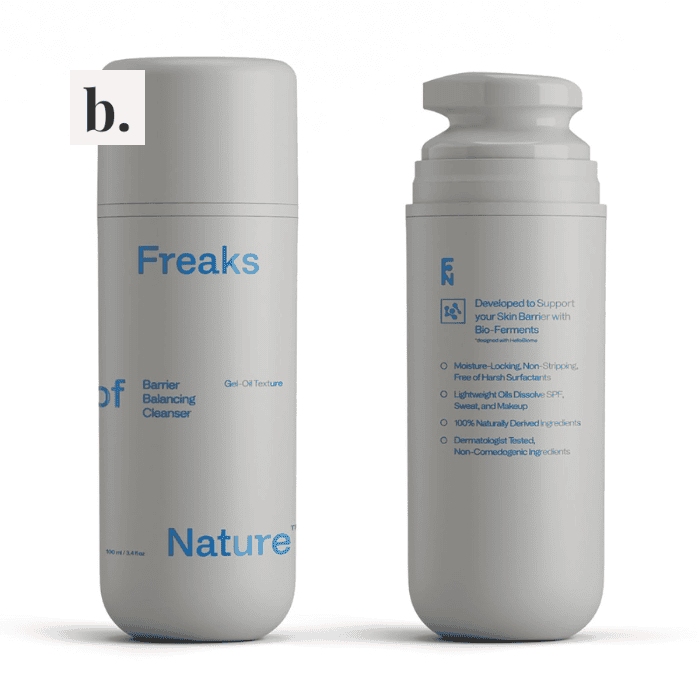
Freaks of Nature
Freaks of Nature Barrier Balancing Face Wash
If you want a gel-to-oil face wash for sunscreen and daily buildup, this Mid-Range cleanser offers a distinctive milky texture with supportive oils and humectants. Its consumer survey does not establish measured…
Read the BeautyBrief
Schaf
Schaf Moisturizer 3.0
If you prefer a fragrance-free cream, Schaf Moisturizer 3.0 offers rich emollience alongside niacinamide and bakuchiol. Its Premium value rests on how the texture and ingredient blend suit you, not established retinoid-level…
Read the BeautyBrief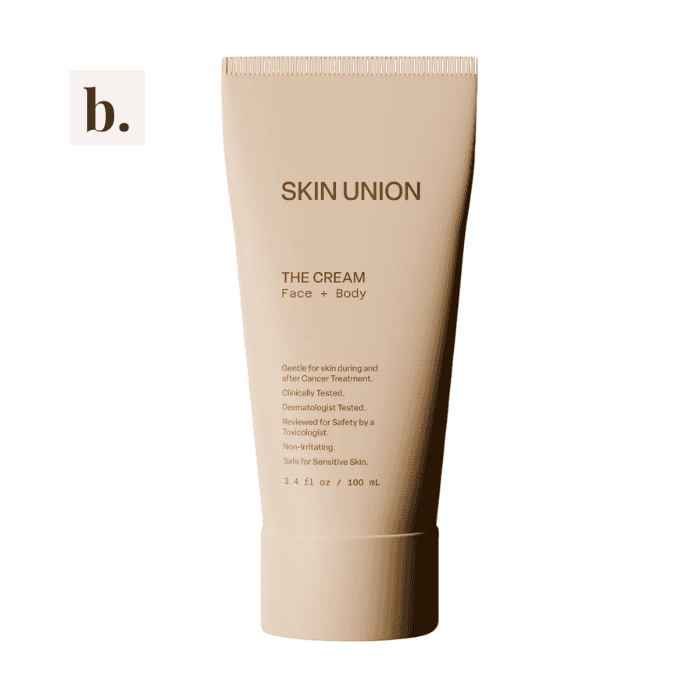
Skin Union
Skin Union The Cream
If your face or body needs moisture without fragrance, The Cream combines plant oils, oat beta-glucan and a ceramide. Its value rests on that moisturizing system, while sensitive-skin clinical outcomes remain unreported.
Read the BeautyBrief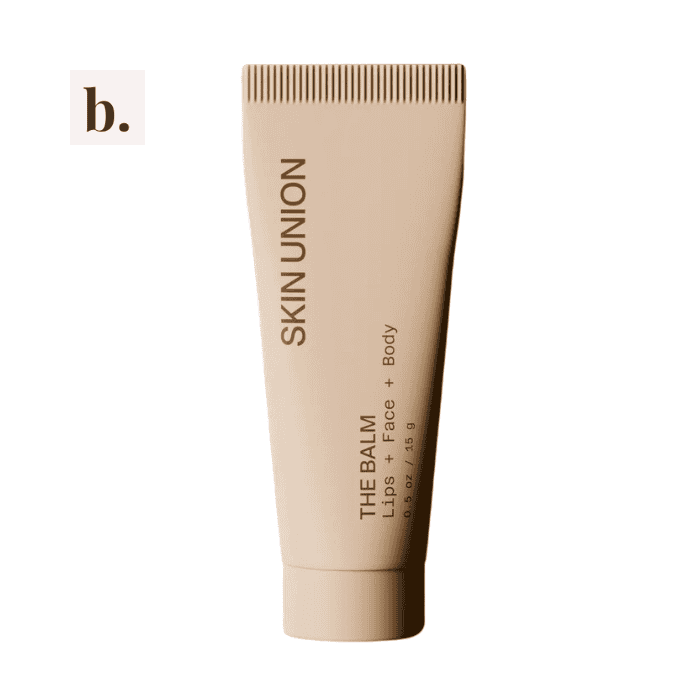
Skin Union
Skin Union The Balm
If your lips or dry patches need extra protection, The Balm supplies a rich sunflower-and-shea base with lanolin. It is not vegan, and its clinical healing claims remain unestablished while testing is…
Read the BeautyBrief
Oak Essentials
Oak Essentials Antioxidant Hand Serum
If your hands look dry, Oak Essentials Hand Serum offers humectants and emollients for softness. Its Premium value depends on the scented finish, not unproven cellular regeneration.
Read the BeautyBrief