
PCA SKIN Facial Wash Oily/Problem Review
BeautyBrief™
Brand
PCA SKIN
Product
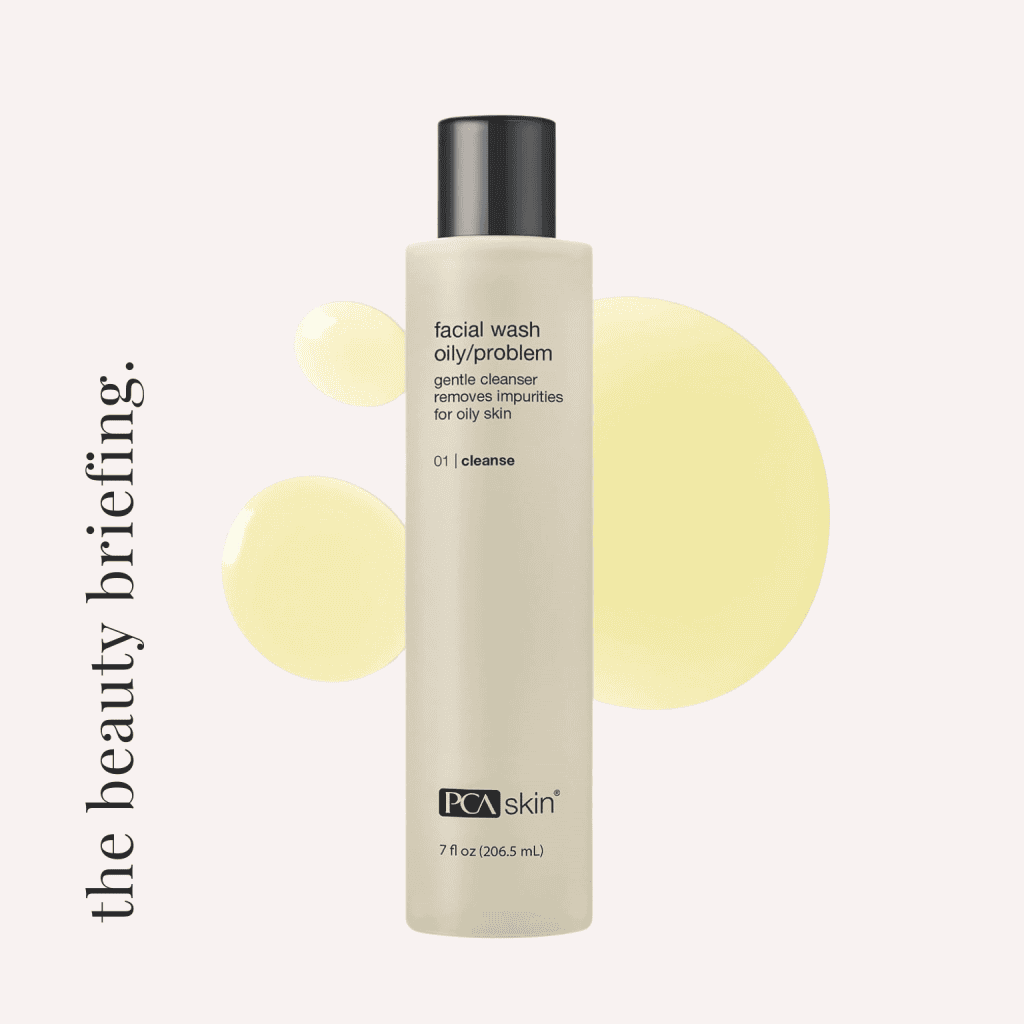
Facial Wash Oily/Problem
Claims check
The surfactant system plus gluconolactone and lactic acid support thorough cleansing and mild rinse-off exfoliation, while the short-contact format and lack of product-specific acne-treatment data limit how much weight to give the breakout-prevention claim.
Shopper fit
- Combination
- Oily
- Acne-Prone
Formula flags
- Exfoliating acids
Shopper preferences
- None Found
Key ingredients
| Gluconolactone | Adds PHA exfoliation and humectant support in a rinse-off format. |
|---|---|
| Glycerin | Adds water-binding support within the cleansing formula. |
| Lactic Acid | Adds AHA exfoliation with limited cleanser contact time. |
| Lauramidopropyl Betaine | Provides part of the primary cleansing system. |
| Aloe Vera Leaf Juice | Adds supporting skin-conditioning context. |
Price tier
$$ Mid-Range
Value check
The Mid-Range tier makes the most sense for shoppers who specifically want cleansing and mild acid exfoliation in one step; routines already using a dedicated exfoliant or acne treatment gain less from the added cost.
Where to buy
We may earn a commission through these links at no additional cost to you. This does not affect our BeautyBrief.
Bottom line
This cleanser is best aligned with combination, oily, and acne-prone routines that want mild exfoliation built into cleansing. The formula supports oil removal and rinse-off exfoliation, but it is not a stand-alone acne treatment and active-heavy routines may get better value from a simpler wash.
PCA SKIN Facial Wash Oily/Problem is a Mid-Range exfoliating cleanser for combination, oily, and acne-prone routines that want more than basic oil removal. Its surfactant system is paired with gluconolactone and lactic acid, giving the rinse-off formula a real but limited exfoliating component.[1]
The main tradeoff is routine overlap. Because the acids are used in a cleanser, they should be expected to contribute less exfoliation than a leave-on treatment. Shoppers already using AHAs, BHAs, retinoids, or other exfoliating steps may get more value from a simpler cleanser.
What it claims
PCA SKIN says Facial Wash Oily/Problem purifies pores and removes excess oil, makeup, dirt, and environmental impurities from breakout-prone skin, gently exfoliates to help prevent future breakouts, soothes and protects, and cleans deeply without leaving skin stripped.[1]
Claims vs. formula
The cleansing and exfoliating story is well aligned with the formula. Lauramidopropyl betaine, sodium laurylglucosides hydroxypropylsulfonate, and sodium lauroyl sarcosinate provide the cleansing system. Gluconolactone and lactic acid add rinse-off exfoliation, while glycerin and aloe vera leaf juice add supporting hydration and conditioning.[1]
The brand’s “helps prevent future breakouts” wording should not be read as evidence that this cleanser replaces a dedicated acne treatment. PCA SKIN does not disclose the acid concentrations or finished-product acne-treatment data on the current product page, and the short-contact format limits how much treatment weight the exfoliating acids should carry.
The formula is also fragrance free in current U.S. retail records, which is useful for routines already managing multiple active steps, but that does not remove the need to watch for irritation from cumulative exfoliation.
Ingredients that matter
Gluconolactone: Adds PHA exfoliation and humectant support in a rinse-off format.
Glycerin: Adds water-binding support within the cleansing formula.
Lactic acid: Adds AHA exfoliation with limited cleanser contact time.
Lauramidopropyl betaine: Provides part of the primary cleansing system.
Aloe vera leaf juice: Adds supporting skin-conditioning context.

Gluconolactone
Gluconolactone is a PHA with some human evidence for mild exfoliation and smoother-looking texture in specific formulas. Concentration, pH, format, other acids, and the finished formula determine how gentle or…
Read the IngredientBrief
Glycerin
If your skin feels dry or tight, glycerin helps your skin hold moisture. You don't need a high percentage or a separate serum when your moisturizer already works well.
Read the IngredientBrief
Lactic Acid
If roughness or dullness bothers you, lactic acid is a proven exfoliant. Choose a formula with a pH and strength your skin tolerates; a higher percentage isn't automatically better.
Read the IngredientBriefWhat to expect in the short term
Expect a light-foaming cleanse that removes routine oil and surface buildup while adding some smoothing from the acid system. PCA SKIN directs users to apply a dime-sized amount to damp skin, massage into a light lather, rinse with warm water, and follow with the rest of the routine.[1]
What to expect over time
Regular use can support cleaner-feeling skin and mild surface exfoliation, but the acids remain secondary to the cleanser’s main job. Shoppers already using leave-on exfoliants, retinoids, or other active-heavy steps should judge this cleanser by total routine tolerance rather than assume more exfoliation is automatically better.
The current official page does not publish a finished-product acne severity study for Facial Wash Oily/Problem, so BB keeps the long-term expectation tied to cleansing, oil removal, and modest rinse-off exfoliation rather than treatment-level acne clearance.
Who it fits
Combination, oily, and acne-prone skin are the clearest fits because PCA SKIN specifically positions the cleanser for excess oil and breakout-prone skin. Dry or highly sensitive skin has less reason to choose an acid-containing foaming cleanser when a simpler formula can handle the basic cleansing job with less routine overlap.[1]
No controlled Shopper Preference is carried into BeautyBrief because the current public materials reviewed for this FIX do not provide the specific certification or product-testing documentation required by V2.
Compare before you buy
PCA SKIN Acne Control Prebiotic Gel Cleanser is the more treatment-focused in-brand option for shoppers whose main concern is active acne. It uses 2% salicylic acid plus 1% azelaic acid and 1% niacinamide, and PCA SKIN publishes a 15-subject case study reporting a 35% reduction in acne severity after eight weeks.[2]
Facial Wash Oily/Problem is the better fit when the goal is cleansing plus mild rinse-off exfoliation without moving to a medicated-style acne cleanser. At the Mid-Range tier, its value makes the most sense for shoppers who specifically want those two jobs combined; routines already using a dedicated exfoliant or acne treatment gain less from the added cost.
Final Assessment
PCA SKIN Facial Wash Oily/Problem has a clear role for combination, oily, and acne-prone routines that want mild exfoliation built into cleansing. The formula supports thorough cleansing and rinse-off exfoliation, but it should not be treated as a stand-alone acne treatment, and active-heavy routines may get better value from a simpler wash. Its strongest case is convenience: one cleanser that handles oil, buildup, and a modest amount of exfoliation without pretending to replace leave-on acne care.
Where to buy
Choose a retailer to view current pricing and availability.
We may earn a commission through these links at no additional cost to you. This does not affect our BeautyBrief.
Last reviewed: October 2026
Sources
- PCA SKIN. Facial Wash Oily/Problem. Current official U.S. product page. Accessed October 6, 2026.
Used to verify current product identity, 7 oz size, complete ordered U.S. formula, breakout-prone and oily-skin positioning, cleansing and exfoliation claims, directions, brand-direct Price Tier context, and current product status.
- PCA SKIN. Acne Control Prebiotic Gel Cleanser. Current official U.S. product page. Accessed October 6, 2026.
Used only for the in-brand comparison with the more treatment-focused acne cleanser, including its 2% salicylic acid, 1% azelaic acid, 1% niacinamide, and published 15-subject acne-severity result.