
Propanediol in Skincare
Propanediol is a common solvent and moisture-supporting ingredient that helps formulas spread and feel lighter. It is useful but highly replaceable, so the complete formula matters more than the ingredient name.
- Aliases
- 1,3-Propanediol
- Ingredient category
- Humectant, Solvent
- Most relevant for
- Dryness
- Evidence strength
- Well Supported for Solvent function and supporting moisture retention in cosmetic formulas
- Formula matters
- Its contribution depends on concentration, product format, water content, and the surrounding humectants, emollients, solvents, and active ingredients.
- Separate product needed?
- Usually No. Propanediol works best as a supporting part of a complete formula; there is no practical need to seek it out as a dedicated step.
BB takeaway
Propanediol is a useful formula workhorse for solvent function, texture, and moisture support. Judge the finished product rather than treating the ingredient as a hero active.
Ingredient evidence does not prove the performance of every finished product containing it.
What is propanediol?
Propanediol is a small diol used in skincare mainly as a solvent and formula-supporting ingredient. It helps dissolve other ingredients, influences texture, and can contribute to a more hydrated skin feel. Cosmetic propanediol may be manufactured from plant-derived feedstocks or by other industrial processes; the source does not by itself predict how a finished product performs.[1]
It is not the same ingredient as propylene glycol. The names are similar, but judge each listed ingredient and the finished formula separately.
What does propanediol do for skin?
Propanediol most often supports the formula rather than acting as the main reason to buy a product. It can help hold water within a formulation, improve spread, and dissolve ingredients that need a compatible liquid phase. In moisturizers and serums, that can contribute to a lighter, smoother application and useful moisture support.
Its presence does not establish a barrier-repair, anti-aging, acne, or soothing treatment benefit. Those claims depend on the complete formula and, when relevant, finished-product evidence.
What the evidence says about propanediol skincare
The strongest evidence supports propanediol as an established cosmetic solvent and formulation ingredient with a favorable safety record at current cosmetic use levels. The Expert Panel for Cosmetic Ingredient Safety reviewed propanediol with related alkane diols and concluded that propanediol is safe in cosmetics in the present practices of use and concentration described in the assessment.[2]
The same assessment documents broad cosmetic use and notes that lower-molecular-weight diols can affect the skin penetration of other ingredients. For your routine, that is a formula-design issue rather than a reason to fear propanediol itself: what it is paired with still matters.[2]
How propanediol form and formulation affect results
Concentration, product format, water content, surrounding humectants, emollients, solvents, and active ingredients determine what propanediol contributes. In a water-gel moisturizer it may help create a fluid, quick-spreading feel; in a richer cream it can sit quietly behind a much larger emollient system.
Ingredient-list placement does not reveal the exact percentage or prove that propanediol is doing most of the hydration work. A formula with glycerin, sodium PCA, sodium hyaluronate, urea, lipids, or occlusives may rely on those ingredients just as much or more.
Who may benefit from propanediol skincare?
If you prefer lightweight hydrating products, you will often encounter propanediol in serums, gel creams, lotions, and cleansers. It can be useful when a formulator wants moisture support and solvent function without making the product feel heavy.
No one needs to seek propanediol out specifically if an existing moisturizer or serum already keeps skin comfortable. It is highly replaceable by other well-established formula ingredients.
Propanediol side effects and irritation risk
Propanediol is widely used and the current cosmetic safety assessment supports its use under present practices and concentrations.[2] That does not guarantee that every finished product will suit your skin.
If a product causes persistent burning, itching, swelling, or a worsening rash, stop the product and judge the complete ingredient list rather than assuming propanediol is responsible from its name alone.
How to use propanediol in your skincare routine
There is no special application method for propanediol. Use the serum, moisturizer, cleanser, or other finished product according to its directions.
If the product is primarily hydrating, apply it where it makes sense in the routine and use a moisturizer or more occlusive step when the skin needs additional moisture retention. Propanediol does not replace sunscreen during the day.
How long does propanediol take to work?
Its formula and sensory effects are immediate. A product containing propanediol can spread more easily and feel more hydrating from the first application.
There is no reason to assign propanediol a multi-week treatment timeline. Longer-term changes in dryness depend on the complete routine and the finished product, not on propanediol accumulating in skin.
What can you use with propanediol?
Propanediol is used alongside a wide range of skincare ingredients, including glycerin, sodium hyaluronate, niacinamide, peptides, ceramides, cetearyl alcohol, retinoids, exfoliating acids, and vitamin C. Its main role is supportive rather than a source of routine conflict.
When a formula contains potentially irritating actives, tolerability still depends on the active level, vehicle, frequency, and the rest of the routine.
How to choose a propanediol product
Do not choose a product because propanediol appears high on the ingredient list. Start with the concern the product is meant to solve, then look at the complete hydration, treatment, or cleansing system.
For dryness, ask whether the formula also provides enough humectant, emollient, and occlusive support for your skin. Propanediol is common enough that it does not independently justify Premium pricing.
Do you need a separate propanediol product?
Usually no. Propanediol is most useful as part of a complete formula, not as a dedicated skincare step. If another product already hydrates well and has a texture you like, there is no routine gap to fill.
The BB Perspective
Propanediol is a useful formulation workhorse. It helps with solvent function, texture, and moisture support, and it appears across many well-designed cleansers, serums, and moisturizers.
Its value is easy to overread from an ingredient list. Propanediol does not tell you how hydrating, gentle, or effective the finished product will be.
Treat it as a supporting ingredient and base your buying decision on the complete formula, texture, evidence, and price.
Last reviewed: September 2026
Sources
Ingredient reference used for cosmetic identity and formula-function context. Return to citation.
Scott LN, et al. Safety Assessment of Alkane Diols as Used in Cosmetics. International Journal of Toxicology. 2024. doi:10.1177/10915818231224234.
The Expert Panel assessed propanediol with related alkane diols and found it safe under reviewed cosmetic uses. It also discusses formulation and dermal penetration; these are not trials of stand-alone hydration benefits. The publication was sponsored by Cosmetic Ingredient Review, which is funded by the Personal Care Products Council, a cosmetics-industry trade association. Return to citation.
Products featuring Propanediol
These evaluated products list Propanediol among the Key Ingredients that meaningfully shape the formula. Inclusion here reflects ingredient relevance, not an endorsement or rating.
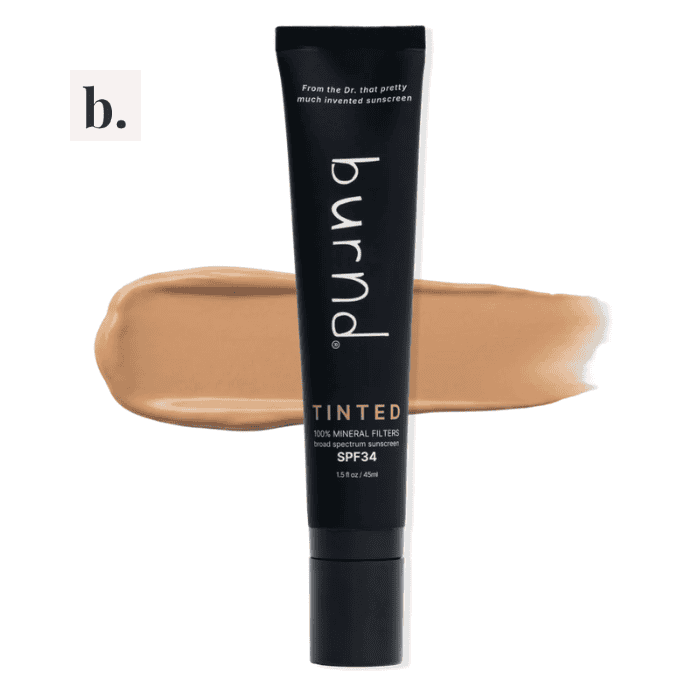
burnd
Tinted SPF 34
If you want a tinted mineral sunscreen with a wearable finish, burnd SPF 34 provides zinc oxide protection and pigment-based coverage. Its photolyase ingredient is not proof that the finished sunscreen reverses…
Read the BeautyBrief
The INKEY List
Omega Water Cream
If your skin is oily or combination and likes lighter moisture, Omega Water Cream offers strong Budget value. If you need more occlusive comfort, compare a richer cream.
Read the BeautyBrief
The INKEY List
Bio-Active Ceramide Moisturizer
If you want a richer cream with ceramide-related evidence, this offers useful Mid-Range value. If you expect the four-times wrinkle figure from the finished product, the evidence does not establish that result.
Read the BeautyBrief
Good Molecules
Lightweight Daily Moisturizer
If you want a simple, affordable daily moisturizer, Good Molecules offers useful Budget hydration and transparent ingredients. If your skin needs a richer occlusive cream or targeted treatment, choose another product.
Read the BeautyBrief
Good Molecules
Hydrating Gel Moisturizer with Electrolytes
If you want weightless moisture for combination or oily skin, this gel offers practical Budget value. If you need acne or pigmentation treatment, choose a targeted formula.
Read the BeautyBrief
Tower 28
SOS Recovery Cream
If you want an everyday cream with useful sensitive-skin testing, SOS Recovery Cream provides meaningful Mid-Range value. If basic fragrance-free hydration is all you need, a simpler moisturizer may serve you just…
Read the BeautyBrief