
Cetearyl Alcohol in Skincare
Cetearyl Alcohol is a fatty alcohol used to soften skin, stabilize emulsions, and build creamy texture. It is not the same type of alcohol as ethanol or Alcohol Denat., and its value depends on the complete formula.
- Aliases
- Cetostearyl Alcohol, Cetyl/Stearyl Alcohol
- Ingredient category
- Emollient, Emulsifier, Texture & Thickening Agent
- Most relevant for
- Dryness
- Evidence strength
- Well Supported for Softening and conditioning dry-feeling skin in leave-on moisturizing formulas
- Formula matters
- The amount used, product format, and surrounding emollients, emulsifiers, humectants, and occlusives determine how rich, creamy, and comfortable the finished product feels.
- Separate product needed?
- Usually No. You do not need Cetearyl Alcohol separately; it works as a supporting ingredient inside moisturizers, cleansers, and other emulsions.
BB takeaway
Cetearyl Alcohol is a useful fatty alcohol for softness and formula structure, not a drying alcohol or hero treatment. Judge the complete moisturizer or cleanser rather than chasing or avoiding it by name.
Ingredient evidence does not prove the performance of every finished product containing it.
What is cetearyl alcohol?
Cetearyl Alcohol is a fatty alcohol made from a mixture of Cetyl Alcohol and Stearyl Alcohol. It is used in creams, lotions, cleansers, conditioners, and other emulsions to soften skin, help oil and water stay mixed, and give products more body.[1]
The word “alcohol” causes unnecessary confusion. FDA explains that cosmetic “alcohol,” used by itself, refers to ethyl alcohol, while fatty alcohols such as cetyl, stearyl, and cetearyl alcohol have different effects on skin.[2]
Cetearyl Alcohol is also known as Cetostearyl Alcohol and Cetyl/Stearyl Alcohol.[3]
What does cetearyl alcohol do for skin?
Cetearyl Alcohol works mainly as an emollient and formula-building ingredient. It softens and smooths the skin while also helping creams and lotions maintain a stable, consistent texture.[1]
Those functions matter to how a moisturizer feels and performs, but Cetearyl Alcohol is not a stand-alone treatment for eczema, wrinkles, acne, or barrier damage. Its value comes from how it supports the complete formula.
What the evidence says about cetearyl alcohol skincare
Cetearyl Alcohol is well supported for its established cosmetic role as a skin-conditioning emollient and emulsion-support ingredient. COSMILE identifies emollient, emulsion-stabilizing, emulsifying, and viscosity-controlling functions for Cetearyl Alcohol.[1]
Cosmetic Ingredient Review also has a final safety assessment covering Cetearyl Alcohol and related long-chain fatty alcohols. The panel concluded that the assessed fatty alcohols were safe as cosmetic ingredients in the practices of use reviewed.[4]
For your routine, Cetearyl Alcohol is a useful emollient and structural ingredient, not the type of alcohol you may worry about when you see “alcohol” on a label.
How cetearyl alcohol form and formulation affect results
Cetearyl Alcohol usually works as one part of an emulsion system. Its amount, the oil-to-water balance, and the surrounding emollients, emulsifiers, waxes, silicones, humectants, and occlusives all affect whether a product feels light, creamy, waxy, rich, or heavy.
In a cleanser, it often supports a creamy texture and softer after-feel. In a moisturizer, it adds body and emollience. The same ingredient therefore contributes differently depending on the product format.
Ingredient-list position does not reveal the exact percentage, so a high position alone does not prove that the product will be more moisturizing or better tolerated.
Who may benefit from cetearyl alcohol skincare?
Cetearyl Alcohol is most relevant in moisturizers for dry or rough-feeling skin and in formulas where a creamy, cushioned texture is desirable.
Oily or acne-prone skin does not need to avoid it automatically. If a rich cream feels too heavy, a lighter formula containing Cetearyl Alcohol may still suit your skin. The complete product matters more than the fatty-alcohol name.
Cetearyl alcohol side effects and irritation risk
Cetearyl Alcohol has a long history of cosmetic use and is not the same as ethanol or Alcohol Denat.[2] CIR’s final report concluded that Cetearyl Alcohol and the related fatty alcohols it assessed were safe in the cosmetic uses reviewed.[4]
That does not make every finished formula reaction-proof. Fragrance, preservatives, active ingredients, and other components of the product remain relevant when a finished formula causes stinging, itching, or irritation.
If a product repeatedly causes burning, swelling, itching, or an eczema-like rash, stop using the product and evaluate the complete formula rather than assuming all “alcohols” are the problem.
How to use cetearyl alcohol in your skincare routine
Use the finished product according to its format. A moisturizer containing Cetearyl Alcohol simply serves as your moisturizing step; a cleanser containing it is used and rinsed as directed.
There is no reason to add a separate Cetearyl Alcohol product. Its benefit is built into the structure, texture, and emollience of the finished formula.
How long does cetearyl alcohol take to work?
Its main cosmetic effects are immediate. Cetearyl Alcohol helps the product feel creamy and stable and contributes to a softer, smoother skin feel when the formula is applied.
Longer-term improvement in dryness depends on the complete moisturizer and routine rather than Cetearyl Alcohol building up in the skin over time.
What can you use with cetearyl alcohol?
Cetearyl Alcohol fits easily into moisturizing formulas with glycerin, hyaluronic acid, ceramides, and petrolatum.
Those ingredients perform different jobs within a moisturizing system. The useful question is whether the finished product gives your skin enough hydration, softness, and moisture retention without an uncomfortable texture.
How to choose a cetearyl alcohol product
Judge the complete formula rather than choosing or rejecting a product because Cetearyl Alcohol appears on the ingredient list.
For moisturizers, look at the whole moisturizing system: humectants, emollients, occlusives, barrier lipids, fragrance, texture, and how rich the product feels. For cleansers, judge cleansing strength and after-feel rather than assuming the fatty alcohol makes the wash moisturizing.
Cetearyl Alcohol alone does not justify Premium pricing. Pay more only when the finished formula, texture, tolerability, packaging, testing, or performance provides a meaningful advantage.
Do you need a separate cetearyl alcohol product?
Usually, no.
Cetearyl Alcohol is a supporting ingredient that works inside creams, lotions, cleansers, and other emulsions. If your current moisturizer or cleanser already works well for you, there is no reason to seek it out as a separate step.
The BB Perspective
Cetearyl Alcohol is a useful fatty alcohol for softness, emulsion stability, and creamy texture. The word “alcohol” does not make it equivalent to ethanol or Alcohol Denat.
It is also highly replaceable and not a hero treatment. Judge the complete moisturizer or cleanser rather than avoiding or chasing Cetearyl Alcohol by name.
Last reviewed: September 2026
Sources
COSMILE Europe. Cetearyl Alcohol.
COSMILE identifies Cetearyl Alcohol as a mixture of Cetyl Alcohol and Stearyl Alcohol and lists emollient, emulsion-stabilizing, emulsifying, surfactant, and viscosity-controlling cosmetic functions. This source supports identity and cosmetic function rather than treatment claims. Return to citation.
U.S. Food and Drug Administration. “Alcohol Free.”
FDA explains that cosmetic “alcohol,” used by itself, refers to ethyl alcohol and distinguishes fatty alcohols such as Cetyl Alcohol, Stearyl Alcohol, and Cetearyl Alcohol from ethanol. This source supports the shopper-facing distinction between fatty alcohols and drying ethyl alcohol. Return to citation.
National Library of Medicine. PubChem: Cetearyl Alcohol.
PubChem identifies Cetearyl Alcohol as a mixture of Cetyl Alcohol and Stearyl Alcohol and lists Cetostearyl Alcohol and Cetyl/Stearyl Alcohol among recognized synonyms. This source supports the alias field. Return to citation.
Cosmetic Ingredient Review. Cetearyl Alcohol.
CIR’s ingredient record links its final safety assessment of Cetearyl Alcohol and related fatty alcohols and finds them safe in the reviewed cosmetic uses. This is a safety finding, not proof that every finished formula is non-irritating. CIR is funded by the Personal Care Products Council, a cosmetics-industry trade association. Return to citation.
Products featuring Cetearyl Alcohol
These evaluated products list Cetearyl Alcohol among the Key Ingredients that meaningfully shape the formula. Inclusion here reflects ingredient relevance, not an endorsement or rating.

Oak Essentials
Antioxidant Hand Serum
If your hands look dry, Oak Essentials Hand Serum offers humectants and emollients for softness. Its Premium value depends on the scented finish, not unproven cellular regeneration.
Read the BeautyBrief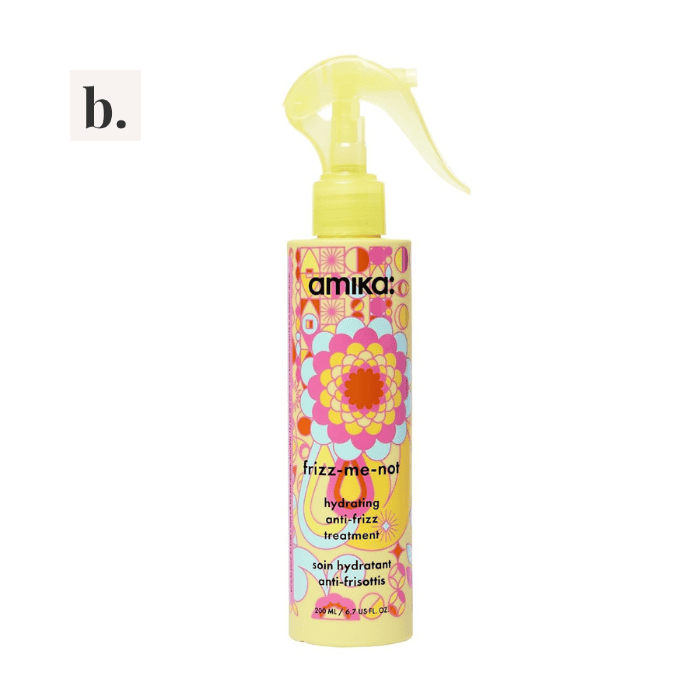
amika
Frizz-Me-Not Hydrating Anti-Frizz Treatment
If you blow-dry or diffuse medium-to-coarse hair, Frizz-Me-Not offers a strong conditioning and humidity-control system. Its brand-reported three-day and thermal claims depend on heat activation, making the Mid-Range price harder to justify…
Read the BeautyBrief
amika
Bust Your Brass Cool Blonde Strength Repair Conditioner
If your blonde, silver or gray hair looks brassy, Bust Your Brass offers violet toning and conditioning slip. Its reported breakage and strength gains apply to the shampoo-and-conditioner pairing, so choose it…
Read the BeautyBrief
amika
The Kure Intense Strength Repair Mask
If your hair feels rough or damaged, The Kure offers a rich weekly conditioning mask with brand-reported improvements in strength and breakage. Its Premium value is strongest for damaged, higher-porosity hair that…
Read the BeautyBrief
Pantene
Abbey Yung Deep Nourishing Transforming Cream to Mist Spray
If your hair needs smoothing and easier detangling before styling, Pantene's cream-to-mist offers a practical Budget option. Its exact heat-protection threshold remains brand-reported, and fragrance or silicone buildup may affect fit.
Read the BeautyBrief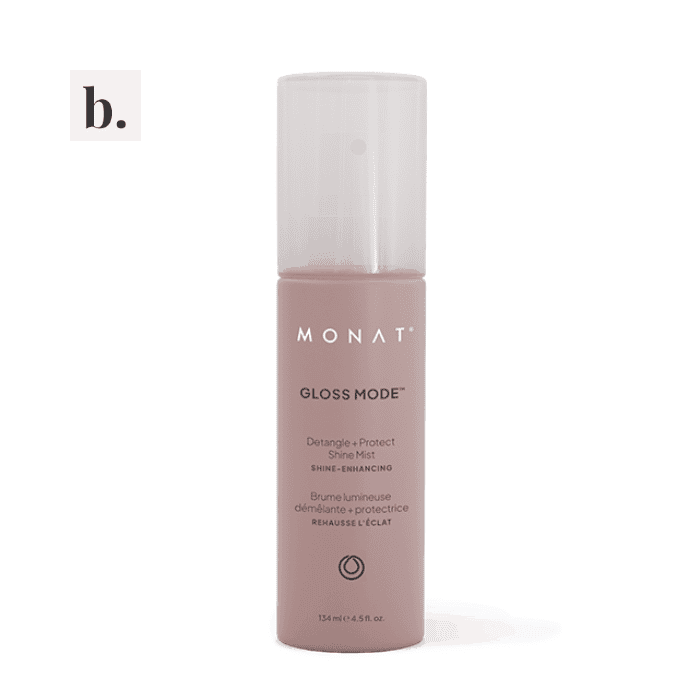
MONAT
GLOSS MODE Detangle + Protect Shine Mist
If your hair tangles easily or needs a lightweight styling step, MONAT Shine Mist provides conditioning slip and an instrument-tested heat-protection claim up to 450°F under specific test conditions. That result does…
Read the BeautyBrief