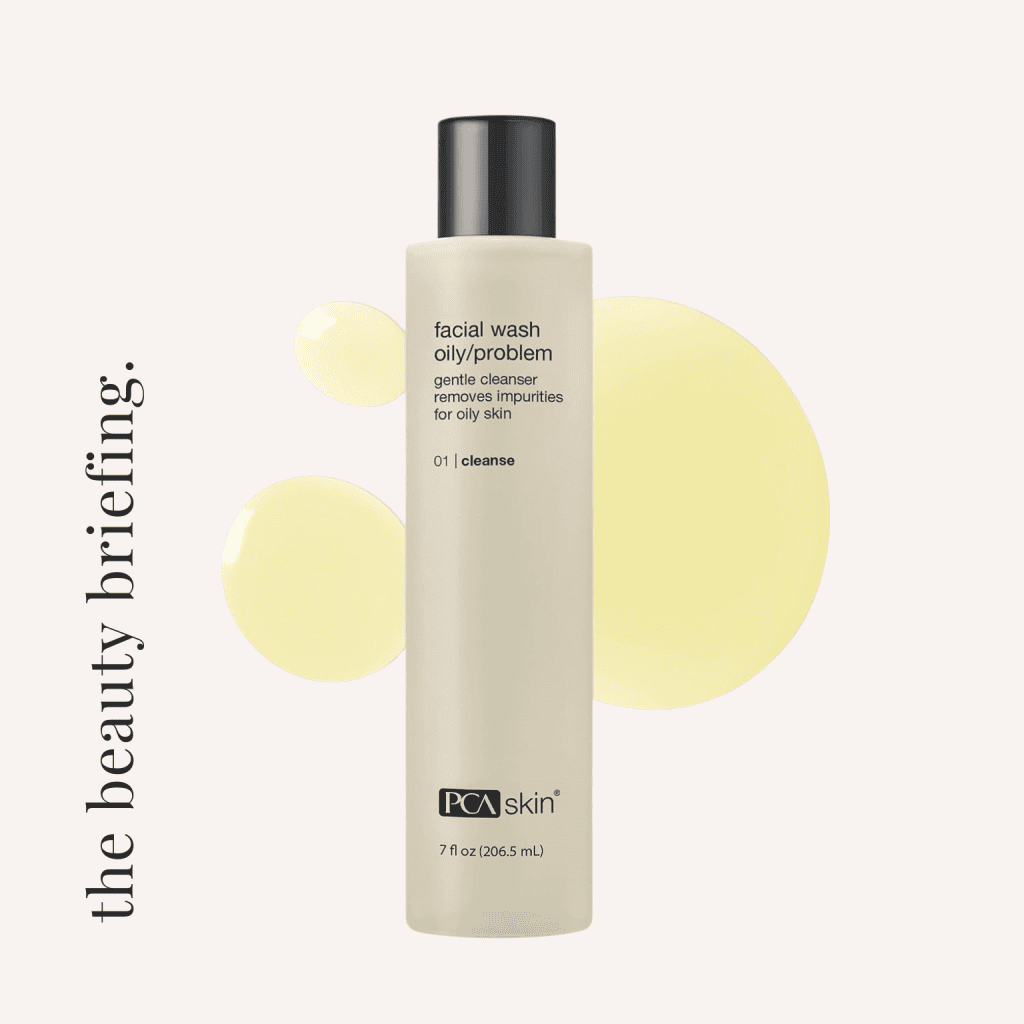
PCA SKIN Facial Wash Oily/Problem Review
BeautyBrief™
Brand
PCA SKIN
Product
Facial Wash Oily/Problem
Claims check
The formula supports excess-oil cleansing and modest rinse-off exfoliation, but the undisclosed acid strengths and limited finished-product evidence do not establish acne prevention.
Shopper fit
- Combination
- Oily
- Acne-Prone
Formula flags
- Exfoliating acids
Shopper preferences
- None Found
Key ingredients
| Gluconolactone | Adds potential mild exfoliation and moisture-binding support during cleansing. |
|---|---|
| Glycerin | Adds water-binding support alongside the surfactant system. |
| Lactic Acid | Provides an additional exfoliating-acid component in the rinse-off formula. |
| Lauramidopropyl Betaine | Helps the cleanser remove excess surface oil and buildup. |
| Aloe Barbadensis Leaf Juice | Provides supporting skin-conditioning value within the wash. |
Price tier
$$ Mid-Range
Value check
At the Mid-Range tier, you get a cleanser that combines oil removal with mild acid exfoliation, but a simpler wash offers better value when your routine already includes acne or exfoliating treatments.
Where to buy
We may earn a commission through these links at no additional cost to you. This does not affect our BeautyBrief.
Bottom line
If your skin is oily, combination or breakout-prone, this cleanser combines daily oil removal with some rinse-off exfoliation. Its short contact time and undisclosed acid percentages limit acne-treatment expectations, so choose it for cleansing convenience rather than as a substitute for targeted care.
If your skin is oily, combination or prone to breakouts, PCA SKIN Facial Wash Oily/Problem combines cleansing agents with gluconolactone and lactic acid. You get a formula designed to remove excess oil and surface buildup while adding mild exfoliation to the wash step.[1]
The main limitation is contact time. Because you rinse this cleanser off, its acids should not be treated as a substitute for an established acne treatment. If your routine already includes retinoids, salicylic acid or exfoliating treatments, a simpler cleanser may give you the same cleansing benefit with less overlap.
What it claims
PCA SKIN describes the cleanser as a way to remove oil, makeup, dirt and environmental buildup from breakout-prone skin. The brand also says it purifies pores, gently exfoliates, helps prevent future breakouts and cleans without leaving skin stripped.[1]
Those are different promises. Oil and debris removal belong to the immediate cleansing job; fewer future breakouts would require more specific finished-product evidence.
Claims vs. formula
Lauramidopropyl betaine, sodium laurylglucosides hydroxypropylsulfonate and sodium lauroyl sarcosinate form the cleansing system. Gluconolactone, a polyhydroxy acid (PHA), and lactic acid, an alpha hydroxy acid (AHA), contribute an exfoliation rationale, while glycerin and aloe vera leaf juice add water-binding and conditioning support.[1]
The combination makes oil removal and modest surface smoothing plausible, but concentration, finished-product pH and how long the wash stays on your face all matter. PCA SKIN does not disclose the acid percentages or a controlled acne-treatment result for this particular cleanser. The presence of exfoliating acids alone does not establish that it prevents acne.
Routine compatibility also matters. The American Academy of Dermatology advises assessing other exfoliating products and topical retinoids because combining them may increase dryness or irritation.[2] The AAD acne guideline identifies established topical acne treatments, including benzoyl peroxide, retinoids and selected acids; you should not assume this cleanser has the same treatment evidence merely because it contains AHAs and a PHA.[3]
Ingredients that matter
The key ingredients play different jobs within one short-contact formula. Lauramidopropyl betaine and the other surfactants lift oil and debris; glycerin and aloe vera leaf juice provide some moisturizing and conditioning balance so your cleanser is not built around detergency alone.
Gluconolactone sits relatively high in the ingredient list and lactic acid appears farther down, but ingredient order does not reveal the full acid strength or finished pH. Both ingredients have an exfoliating role in suitable formulations, yet a rinse-off product cannot be assumed to deliver the results of a leave-on acid serum. Look at your entire routine rather than counting acids in this one bottle.

Gluconolactone
Gluconolactone is a PHA with some human evidence for mild exfoliation and smoother-looking texture in specific formulas. Concentration, pH, format, other acids, and the finished formula determine how gentle or…
Read the IngredientBrief
Glycerin
If your skin feels dry or tight, glycerin helps your skin hold moisture. You don't need a high percentage or a separate serum when your moisturizer already works well.
Read the IngredientBrief
Lactic Acid
If roughness or dullness bothers you, lactic acid is a proven exfoliant. Choose a formula with a pH and strength your skin tolerates; a higher percentage isn't automatically better.
Read the IngredientBriefWhat to expect in the short term
Expect a light-foaming wash aimed at excess surface oil and daily buildup. PCA SKIN directs you to apply a small amount to damp skin, massage into a light lather and rinse with warm water before continuing with the rest of your routine.[1]
If your face feels very tight, stings or develops persistent redness, reduce unnecessary exfoliation rather than assuming more activity means better results. A cleanser should leave your skin ready for the next step, not uncomfortable.
What to expect over time
With regular use, the most defensible result is cleaner-feeling skin and some possible smoothing from the acid-containing formula. A meaningful reduction in acne lesions has not been established for this specific cleanser by publicly disclosed controlled product testing, so your long-term expectations should stay grounded in cleansing and modest exfoliation.
If you use a leave-on retinoid or another acne treatment, assess whether the extra exfoliation helps your routine or simply adds irritation. The AAD recommends adjusting exfoliation to your skin’s response rather than treating frequent exfoliation as automatically better.[2]
Who it fits
If you have oily or combination skin and want a foaming cleanser that also includes mild exfoliating acids, this is the clearest match. The formula is also positioned for breakout-prone skin, but that describes your routine fit rather than proving it treats acne.
If your skin is dry, highly reactive, or already irritated from other actives, you may prefer a simpler cleanser without exfoliating acids. You do not need to add multiple exfoliating products to make a good skincare routine.
Compare before you buy
PCA SKIN’s Acne Control Prebiotic Gel Cleanser is a more explicitly acne-treatment-focused alternative, formulated with 2% salicylic acid alongside other named ingredients. The brand reports a 35% reduction in acne severity after eight weeks in a 15-person case study, a small product-specific result that should not be treated as proof of a guaranteed outcome.[4]
At the Mid-Range tier, Facial Wash Oily/Problem is most useful when you specifically want cleansing and mild acid exfoliation combined. If your existing treatment already covers exfoliation or acne control, a simpler, lower-cost wash may represent better value without weakening the treatment step you actually rely on.
Final Assessment
If your skin is oily or combination and you want some exfoliation built into cleansing, PCA SKIN Facial Wash Oily/Problem offers a coherent Mid-Range option. Its surfactants do the cleansing, while gluconolactone and lactic acid provide a reasonable but limited exfoliation rationale; the brand’s breakout-prevention claim is less substantiated than its oil-removal role. You will get the best value from this cleanser when it fills a genuine routine gap rather than duplicating acids or acne treatments you already use.
Compare Prices
Choose a retailer to view current pricing and availability.
We may earn a commission through these links at no additional cost to you.
Last reviewed: October 2026
Sources
- PCA SKIN. Facial Wash Oily/Problem. Official U.S. product page. Accessed October 15, 2026.
- American Academy of Dermatology. How to safely exfoliate at home. Updated February 6, 2026.
- American Academy of Dermatology. Acne clinical guideline. Guidance on topical acne treatments.
- PCA SKIN. Acne Control Prebiotic Gel Cleanser. Official U.S. product page. Accessed October 15, 2026.