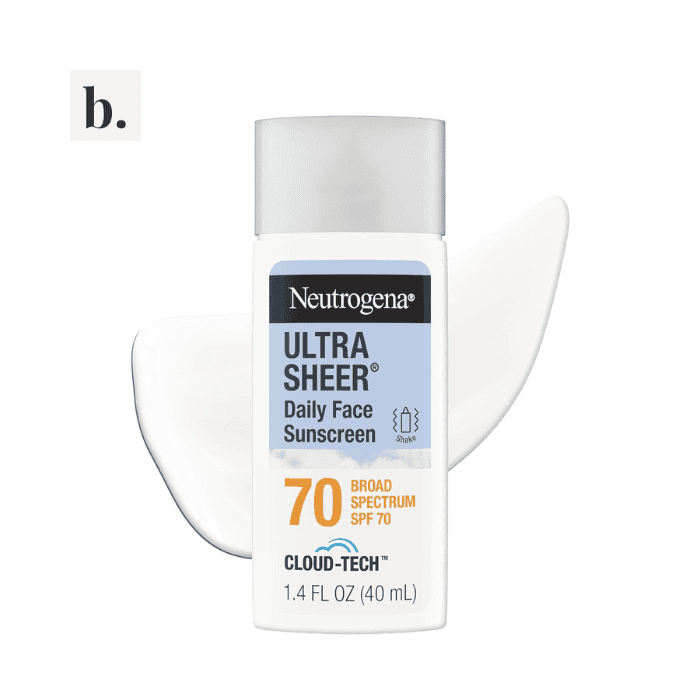
Neutrogena Hydro Boost Hyaluronic Acid Water Cream Fragrance Free Facial Moisturizer Review
BeautyBrief™
Brand
Neutrogena
Product
Hydro Boost Hyaluronic Acid Water Cream Fragrance Free Facial Moisturizer
Claims check
You get a moisture-rich humectant and lipid formula with brand-reported hydration and 40-person consumer testing, but the published methods do not independently establish every duration claim.
Shopper fit
- Dry
- Normal
- Sensitive
- Acne-Prone
Formula flags
- Silicones
Shopper preferences
- Non-Comedogenic
- Dermatologist-Tested
Key ingredients
| Glycerin | Provides the main humectant backbone near the top of the formula. |
|---|---|
| Ceramide NP | Adds one named barrier lipid within the broader lipid-support system. |
| Sodium Hyaluronate | Adds hyaluronic-acid-based water binding. |
| Sodium PCA | Contributes to the natural-moisturizing-factor-style humectant system. |
| Urea | Adds additional water-binding support within the broader NMF blend. |
Price tier
$$ Mid-Range
Value check
At the Mid-Range tier, you pay for a broad water-binding and emollient system with exact-product hydration testing and a water-like finish.
Where to buy
We may earn a commission through these links at no additional cost to you. This does not affect our BeautyBrief.
Bottom line
If your skin is dry and prefers a hydrating cream with a fresh finish, Hydro Boost offers useful Mid-Range value. If you need a simpler or lighter product, compare other fragrance-free moisturizers.
If your skin is dry and you want a hydrating cream that settles into a water-like finish, Neutrogena Hydro Boost Hyaluronic Acid Water Cream Fragrance Free Facial Moisturizer combines glycerin, Ceramide NP, sodium hyaluronate and multiple natural moisturizing factor ingredients.

What it claims
Neutrogena advertises clinically tested hydration for up to 72 hours, a plumper-looking surface and a fragrance-free, non-comedogenic formula for dry to extra-dry skin. Its 40-person home-use test reports that 95% felt smoother and 90% found it absorbed quickly after four weeks. Instrumental hydration claims and consumer perception are different endpoints, and the public page does not disclose complete protocols for every figure.
Claims vs. formula
Glycerin appears second and supports the water-binding system along with sodium hyaluronate, sodium PCA, urea, amino acids, sugars and betaine. Isopropyl palmitate, cetyl alcohol, lipid esters, fatty acids and dimethicone provide complementary emollience, making the formulation richer than the word “water” may suggest. Ceramide NP and cholesterol/lanosterol esters add barrier-related lipid context. Independent review evidence emphasizes the role of complete lipid organization rather than assuming one ceramide guarantees repair.
Ingredients that matter
Glycerin, sodium hyaluronate and sodium PCA form a coherent humectant system. Urea contributes to the natural moisturizing factor approach at an undisclosed concentration, while Ceramide NP and fatty lipids help soften and cushion the skin. Isopropyl palmitate and dimethicone affect texture, but their presence alone cannot negate the manufacturer’s exact-product non-comedogenic positioning.

Glycerin
If your skin feels dry or tight, glycerin helps your skin hold moisture. You don't need a high percentage or a separate serum when your moisturizer already works well.
Read the IngredientBrief
Hyaluronic Acid
If your skin feels dry or tight, hyaluronic acid helps your skin hold moisture. You don't need several HA forms or a separate serum when your moisturizer already hydrates well.
Read the IngredientBrief
Sodium PCA
Sodium PCA is a well-established humectant and component of skin's natural moisturizing system. It supports hydration inside a balanced formula but is highly replaceable and usually does not need a…
Read the IngredientBrief
Urea
Urea is a well-supported humectant for dry skin that becomes more keratolytic at higher strengths. The right concentration depends on whether you need hydration or targeted smoothing.
Read the IngredientBriefSafety and regulatory context
The brand identifies this exact water cream as fragrance-free, dermatologist-tested and non-comedogenic. Those attributes do not guarantee no sensitivity or breakout. It is not interchangeable with similarly named Hydro Boost Water Gel products, which can have different ingredients and a lighter feel.
What to expect in the short term
You get a creamy moisturizer that transitions toward a fresher, water-like feel. Immediate softness and visible plumping are compatible with hydration, rather than proof of deeper wrinkle remodeling.
What to expect over time
Regular use supports continued moisture; the brand reports 72-hour hydration and four-week improvements in participant comfort and appearance, but its public data do not establish a lasting treatment of eczema or age-related tissue change.
Who it fits
This works particularly well for normal-to-dry or extra-dry skin wanting substantial hydration without a thick balm finish. Sensitive and acne-prone shoppers can consider the explicit product claims while assessing their own reaction.
Compare before you buy
At the Mid-Range tier, choose it for a broad humectant-and-lipid system and product-reported hydration data. A simple fragrance-free cream may offer similar basic ingredients at lower cost, and a gel may feel better on oily skin.
Final Assessment
Neutrogena Hydro Boost Water Cream offers useful Mid-Range value when your skin needs sustained hydration and you like a cream that feels lighter on application. Its glycerin, sodium hyaluronate, urea and lipid blend credibly support moisture, while the published study details remain too limited to interpret every 72-hour and visible-plumping number as a guaranteed result.
Where to buy
Choose a retailer to view current pricing and availability.
We may earn a commission through these links at no additional cost to you.
Last reviewed: October 2026
Sources
- Neutrogena. Hydro Boost Water Cream Fragrance Free. Current U.S. formula, claims and published results. Accessed October 15, 2026. Return to citation.
- Ceramide formulation and skin-barrier research (2024). Read independent science; not an exact-product test. Return to citation.