

Can You Use Vitamin C Serum and Tretinoin at the Same Time?
At a glance
Vitamin C and tretinoin are often treated as a difficult skincare pairing, with rules about pH, waiting times, and which product has to go first. The evidence is much less dramatic. If you want both in your routine, the useful question is not whether they “cancel each other out,” but how to use them without making a prescription retinoid harder to tolerate.
Yes. Vitamin C serum and prescription tretinoin can be part of the same overall skincare routine.
What is less clear is whether there is any advantage to layering them in the same session. The research does not give us a clinically proven “best” sequence for a vitamin C serum plus tretinoin, and the popular idea that their different pH requirements make them deactivate each other is not supported by the classic vitamin C absorption study often used to explain that claim.
If you want both, vitamin C in the morning and tretinoin at night is the simplest setup. That is a practical tolerability strategy, not a chemical rule.
Do vitamin C and tretinoin cancel each other out?
There is no good evidence that an L-ascorbic acid serum automatically makes topical tretinoin stop working, or vice versa.
The pH argument usually comes from research on L-ascorbic acid, the form of vitamin C used in many serums. A classic delivery study found that L-ascorbic acid needed to be formulated below pH 3.5 to penetrate the tested skin model effectively.[1]
That study helps explain why the formulation of an L-ascorbic acid serum matters. It did not test tretinoin, simultaneous layering, or whether one product changes the effectiveness of the other on human facial skin.
You also do not need to adjust your skin’s pH before applying either product. Each comes in a finished formula designed to be used according to its own directions.
What is the simplest way to use vitamin C and tretinoin?
Use vitamin C in the morning and tretinoin at night.
This is not because vitamin C only works in daylight or because tretinoin cannot coexist with an acidic serum. It simply gives each product its own place and reduces the number of potentially irritating steps in your tretinoin routine.
A current U.S. tretinoin cream label directs once-daily application before bedtime. Its patient instructions also tell users to let freshly washed skin dry for 20 to 30 minutes before application because applying tretinoin to completely dry skin can reduce irritation.[2]
A simple setup is:
- Morning: Cleanse if needed, apply vitamin C serum, moisturize if needed, then apply sunscreen.
- Evening: Cleanse, follow the drying and application directions for your tretinoin prescription, then use moisturizer according to the routine your prescriber has recommended.
There is no evidence-based rule that every vitamin C serum needs to sit on your skin for 10, 20, or 30 minutes before the next cosmetic step. If your tretinoin directions include a waiting period after washing, follow that instruction because it belongs to the prescription product—not because vitamin C requires a special compatibility window.
Can you layer vitamin C and tretinoin in the same evening routine?
You may see routines that use both in the same session, but there is little reason to force that setup if morning and evening separation works for you.
Some L-ascorbic acid serums are acidic enough to sting, feel drying, or make already-irritated skin uncomfortable. Tretinoin itself commonly causes redness, peeling, dryness, stinging, and burning. The current U.S. label cautions that other drying or irritating topical products can worsen tolerability.[2]
That is the more useful concern than a theoretical pH conflict.
If your vitamin C serum already tingles or leaves your skin tight, adding it to the same evening session as tretinoin introduces another irritation variable without a clear demonstrated benefit.
You also do not need to mix the two products together in your hand. Use each finished formula as directed.
What should you do if your skin gets irritated?
Simplify the routine.
Persistent burning, peeling, marked redness, swelling, blistering, or crusting is not evidence that the products are working better. The current tretinoin label specifically warns about local irritation and advises contacting a clinician when reactions become severe or persistent.[2]
If tretinoin was prescribed for you, do not redesign the prescription schedule based on a skincare article. The optional cosmetic product is usually the easier variable to remove while you and your prescriber determine what your skin tolerates.
Keep the rest of the routine simple. A moisturizer with ingredients such as glycerin and ceramides can help with dryness and discomfort. Also look for other potential irritation sources such as exfoliating acids, scrubs, drying acne products, or several new active products introduced at once.
What if you are new to tretinoin?
Do not make the adjustment period harder than it needs to be.
Tretinoin has a strong evidence base for visible photoaging. A 2025 systematic review and meta-analysis of randomized trials found improvement in both fine and coarse facial wrinkles caused by photodamage compared with vehicle treatments.[3]
It also has a well-established irritation tradeoff. Starting prescription tretinoin and a strong vitamin C serum at the same time makes it harder to tell which product is responsible if your skin becomes uncomfortable.
If vitamin C was already part of your routine and you tolerate it well, you do not automatically need to stop using it. Moving it to the morning while keeping tretinoin at night gives you a cleaner routine and makes troubleshooting easier.
Your own prescription directions still come first. Tretinoin formulations and treatment plans are not identical.
Do you actually need both vitamin C and tretinoin?
No. Compatibility does not create a reason to buy another active.
If tretinoin, moisturizer, and sunscreen already give you a routine that works for your goals, vitamin C is optional. It can earn a place when you specifically want a vitamin C step, the formula is well made, and your skin tolerates it without making the rest of your routine harder to use.
This matters especially when your skin is easily irritated or your budget is limited. Another serum is not automatically an upgrade if it duplicates a goal you already address or makes a more important treatment less comfortable.
If you are shopping for vitamin C, judge the complete product rather than the ingredient name alone. The form of vitamin C, concentration, stability, packaging, supporting ingredients, and how the formula feels on your skin all matter.
Before adding another serum to a tretinoin routine, use BB’s How to Choose Vitamin C Serum Without Wasting Money to weigh formula evidence, tolerance, and value.
What changes during pregnancy?
Pregnancy changes the tretinoin part of the routine.
The American College of Obstetricians and Gynecologists states that although systemic absorption from topical retinoids is low, their use is generally recommended to be avoided during pregnancy.[4] The American Academy of Dermatology likewise advises avoiding retinoids, including tretinoin, during pregnancy.[5]
If you are pregnant, trying to become pregnant, or become pregnant while using tretinoin, contact the clinician who prescribes it and your obstetric clinician. Changing the time of day you apply tretinoin does not address the pregnancy recommendation.
The BB Perspective
Vitamin C and tretinoin do not need a complicated compatibility routine. The evidence does not support the common claim that different pH requirements automatically make the two ingredients cancel each other out.
If you want both, morning vitamin C and nighttime tretinoin is the cleanest setup—not because it is the only chemically valid order, but because it keeps a prescription retinoid routine simpler and makes irritation easier to troubleshoot.
Do not add vitamin C just because the pairing is popular. Tretinoin is already a meaningful treatment step. A vitamin C serum should earn its place by adding a benefit you want without making the routine harder to tolerate.
Last reviewed: October 2026
Sources
Pinnell SR, Yang H, Omar M, et al. Topical L-Ascorbic Acid: Percutaneous Absorption Studies. Dermatologic Surgery. 2001;27(2):137-142. doi:10.1046/j.1524-4725.2001.00264.x. PMID: 11207686.
This study tested L-ascorbic acid and several derivatives in pig skin and found that L-ascorbic acid delivery depended strongly on the finished formulation, including a pH below 3.5 in the tested system. It did not study tretinoin or simultaneous use of vitamin C and tretinoin, so it does not support the claim that the two products deactivate each other. The published paper disclosed commercial relationships: Sheldon Pinnell was a consultant for SkinCeuticals, and coauthor Mostafa Omar was president of PhytoCeuticals. These disclosures provide context for the formulation research without changing what the experiment directly measured. Return to citation.
DailyMed, U.S. National Library of Medicine. Tretinoin Cream, USP Prescribing Information. Updated June 26, 2026. Accessed September 2026.
This current U.S. label directs once-daily bedtime use for the listed tretinoin cream formulations. Patient instructions advise allowing washed skin to dry for 20 to 30 minutes before application to reduce irritation, and the label cautions about combining tretinoin with products that are strongly drying or irritating. It also advises medical guidance for severe or persistent irritation. Directions can differ by formulation, so a person’s own prescription instructions take priority. Return to citation.
Huang HY, Lee LTJ. Tretinoin for Photodamaged Facial Skin: Systematic Review and Meta-Analysis of Randomized Controlled Trials. Dermatology Practical & Conceptual. 2025;15(4):e20255172. doi:10.5826/dpc.1504a5172. PMID: 41236273.
The review included eight randomized trials with 1,361 participants and found that topical tretinoin improved fine and coarse facial wrinkles caused by photodamage compared with vehicle. The trials varied in formulation, strength, duration, and outcome measures, so the findings support tretinoin’s broader evidence base for photodamaged wrinkles rather than any individual prescription schedule. Return to citation.
American College of Obstetricians and Gynecologists. Skin Conditions During Pregnancy. Accessed September 2026.
ACOG states that although topical retinoids have low systemic absorption, their use is generally recommended to be avoided during pregnancy. This is pregnancy guidance and does not address vitamin C compatibility with tretinoin outside pregnancy. Return to citation.
American Academy of Dermatology Association. Dermatologist-Approved Pregnancy Skin Care. Accessed September 2026.
AAD advises avoiding retinoids, including tretinoin, during pregnancy and recommends discussing prescription skincare with an obstetrician and dermatologist when pregnant or trying to become pregnant. Return to citation.
Related product BeautyBriefs
These BeautyBriefs cover products relevant to the needs discussed in this Beauty Briefing. Inclusion here reflects topic relevance, not a rating or endorsement.

Allies of Skin
Allies of Skin The Lab Drop 10/10/10 Multi GF Exo Advanced Recovery Ampoules
If you are considering Allies of Skin Lab Drop 10/10/10 Ampoules for visible aging, its growth-factor and exosome-themed complexes make an ambitious treatment story. The brand's reported improvements do not establish biological…
Read the BeautyBrief
Schaf
Schaf Moisturizer 3.0
If you prefer a fragrance-free cream, Schaf Moisturizer 3.0 offers rich emollience alongside niacinamide and bakuchiol. Its Premium value rests on how the texture and ingredient blend suit you, not established retinoid-level…
Read the BeautyBrief
Oak Essentials
Oak Essentials Antioxidant Hand Serum
If your hands look dry, Oak Essentials Hand Serum offers humectants and emollients for softness. Its Premium value depends on the scented finish, not unproven cellular regeneration.
Read the BeautyBrief
Neutrogena
Neutrogena Rapid Wrinkle Repair Retinol Regenerating Cream
If your skin tolerates retinol and fragrance, Rapid Wrinkle Repair offers a moisturizing format for gradual fine-line care. Its Mid-Range value rests on texture and convenience rather than a disclosed retinol concentration.
Read the BeautyBrief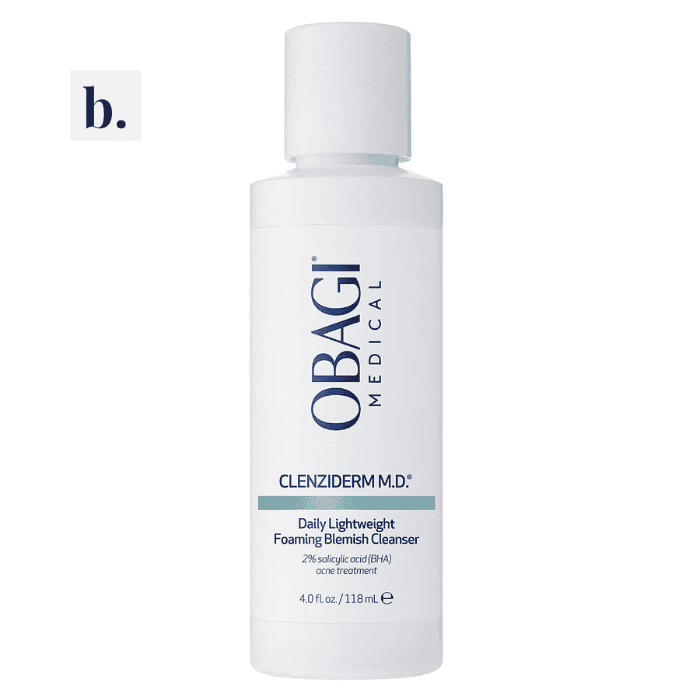
Obagi
Obagi CLENZIderm M.D.® Daily Lightweight Foaming Blemish Cleanser
If your oily or acne-prone skin tolerates high-foam cleansing, this wash offers a legitimate 2% salicylic-acid acne-treatment step. Menthol, fragrance, sulfates and a dryness warning limit its fit for reactive skin, and…
Read the BeautyBrief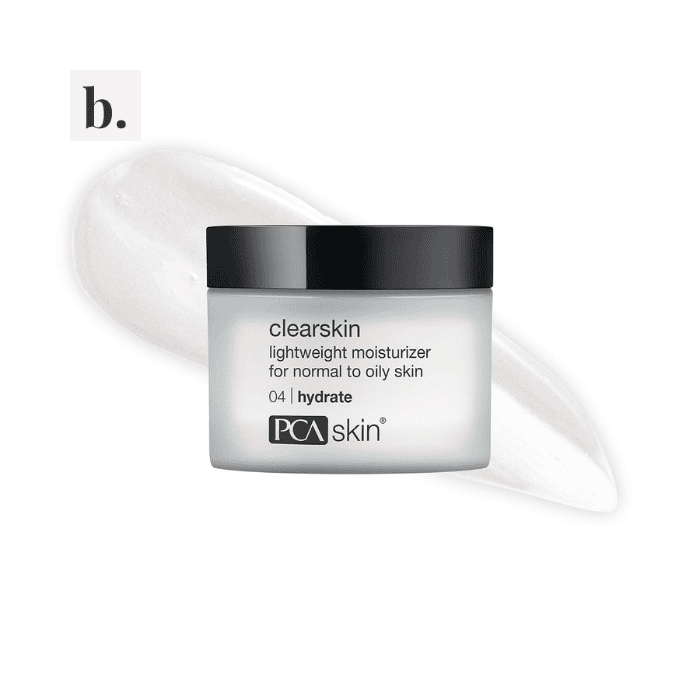
PCA SKIN
PCA SKIN Clearskin
If your skin is oily or breakout-prone and you want a light moisturizer, Clearskin offers a useful Premium formula with disclosed 4% niacinamide. Its post-breakout tone benefits are plausible rather than proven…
Read the BeautyBrief