
Cocamidopropyl Betaine in Skincare
Cocamidopropyl Betaine is an established cleansing surfactant and foam booster. Irritation and contact allergy depend on the formula and may involve manufacturing impurities such as amidoamine or DMAPA.
- Aliases
- CAPB, Cocamidopropylbetaine
- Ingredient category
- Cleansing Agent, Surfactant
- Evidence strength
- Well Supported for Supporting skin cleansing and foam in rinse-off surfactant formulas
- Formula matters
- CAPB concentration, pH, companion surfactants, rinse-off contact time, raw-material purity, fragrance and the finished cleanser determine tolerability; coconut-derived or sulfate-free labeling does not prove mildness.
- Separate product needed?
- Usually No. CAPB is one way to build a cleanser, not an ingredient shoppers need to seek out separately.
BB takeaway
CAPB is a useful cleansing surfactant, not a treatment active or an automatic problem ingredient. Judge the entire cleanser by cleaning performance and after-wash comfort.
Ingredient evidence does not prove the performance of every finished product containing it.
What is cocamidopropyl betaine?
Cocamidopropyl Betaine, often shortened to CAPB, is an amphoteric cleansing surfactant commonly made from coconut-derived fatty acids. In cosmetics, it is used to cleanse, support foam, help control viscosity, and condition hair.[1]
CAPB is not coconut oil, and it is not the same INCI ingredient as Coco-Betaine.[2]
What does cocamidopropyl betaine do for skin?
CAPB helps water mix with oil, sebum, sunscreen residue, and other material so they can be rinsed away. It is usually part of a broader surfactant system rather than the only cleanser in a formula.
Its value is therefore formula-level: it can support cleansing, foam quality, and a milder feel when balanced well with other surfactants.
CAPB is not a treatment ingredient for acne, dryness, pigmentation, wrinkles, or barrier repair.
What the evidence says about cocamidopropyl betaine skincare
CAPB’s cleansing function is well established. For your cleanser, the more important question is tolerability.
The Cosmetic Ingredient Review Expert Panel concluded that CAPB and related amidopropyl betaines are safe in cosmetics when formulated to be non-sensitizing. The assessment also notes that irritation can occur and that manufacturing impurities, particularly dimethylaminopropylamine (DMAPA) and amidoamine, are important sensitization concerns.[3]
In a 1997 study of 10 people previously positive to CAPB, six of nine later reacted to amidoamine, while none reacted to a higher-purity CAPB sample free of amidoamine.[4]
A separate small study similarly found no reactions to purified CAPB among the six participants retested with it, again pointing toward residual manufacturing intermediates as an important explanation for some reactions.[5]
In a North American Contact Dermatitis Group analysis of 10,877 patients patch tested because contact dermatitis was suspected, 1.4% reacted to CAPB. That is a selected dermatitis population and should not be treated as a general-population reaction rate.[6]
How cocamidopropyl betaine form and formulation affect results
CAPB is usually part of a surfactant blend, so concentration, pH, other surfactants, contact time, fragrance, solvents, and rinse-off all influence how a cleanser feels.
Purity also matters because residual amidoamine and DMAPA can contribute to contact allergy. Those impurities are not listed separately on consumer ingredient labels.
“Coconut-derived” is not a mildness score, and “sulfate-free” does not guarantee a gentler cleanser.
Who may benefit from cocamidopropyl betaine skincare?
CAPB can be a useful part of a cleanser for any skin type when the finished formula cleans effectively without leaving skin tight or uncomfortable.
If you have a documented allergy to CAPB-related impurities or repeated dermatitis from products containing CAPB, avoiding those products may be sensible. Everyone else does not need to treat it as a universal problem ingredient.
Cocamidopropyl betaine side effects and irritation risk
The two main concerns are irritant reactions and allergic contact dermatitis.
Irritation is not the same as allergy. Any cleansing system can become irritating if it removes too much surface oil, is used too often, or is applied to already irritated skin.
Allergic contact dermatitis is less common and may involve manufacturing impurities rather than purified CAPB itself.[4][5]
How to use cocamidopropyl betaine in your skincare routine
There is no special way to use CAPB. It is usually built into a cleanser, so use the finished product as directed and rinse thoroughly.
If skin feels tight, squeaky, hot, or persistently dry after washing, the formula or frequency may be too aggressive even if CAPB is part of a relatively mild surfactant system.
How long does cocamidopropyl betaine take to work?
Its cleansing effect is immediate. There is no multi-week treatment timeline because CAPB is not being used to remodel skin or treat a skin condition.
What can you use with cocamidopropyl betaine?
Because CAPB is mainly used in rinse-off cleansers, it can fit into routines with retinoids, vitamin C, exfoliating acids, benzoyl peroxide, moisturizers, and sunscreen.
The practical question is whether the cleanser is too stripping for the rest of the routine.
How to choose a cocamidopropyl betaine cleanser
Do not choose a cleanser just because CAPB appears on the ingredient list. Judge the entire surfactant system and how your skin feels after rinsing.
Do not use “sulfate-free” as a shortcut for mildness. A sulfate-free cleanser can still be drying, while a well-formulated cleanser containing stronger surfactants can still be comfortable.
CAPB alone does not justify Premium pricing.
Do you need a separate cocamidopropyl betaine cleanser?
Usually, no.
CAPB is one way to build a cleansing system, not an ingredient you need to seek out by name. If your current cleanser removes what you need it to remove and leaves skin comfortable, there is no reason to replace it simply to add CAPB.
The BB Perspective
Cocamidopropyl Betaine is a useful, established cleansing surfactant rather than a hero skincare active or an ingredient that deserves an automatic blacklist.
The contact-allergy story is real but nuanced. Purity, manufacturing impurities, concentration, and the full surfactant system matter more than the CAPB name alone.
Judge the cleanser by cleaning performance and after-wash comfort, not by whether CAPB is present.
Last reviewed: September 2026
Sources
COSMILE Europe. Cocamidopropyl Betaine.
This source identifies CAPB as a cleansing and foam-boosting surfactant and supports its standard cosmetic function. Return to citation.
This separate ingredient record confirms that Coco-Betaine and Cocamidopropyl Betaine are different INCI materials. Return to citation.
Burnett CL, Bergfeld WF, Belsito DV, et al. Safety Assessment of Cocamidopropyl Betaine. International Journal of Toxicology. 2012;31(4 Suppl):77S-111S. doi:10.1177/1091581812447202.
The CIR assessment concluded CAPB is safe when formulated to be non-sensitizing and highlighted DMAPA and amidoamine as important impurity concerns. Cosmetic Ingredient Review is funded by the Personal Care Products Council, a cosmetics-industry trade association. Return to citation.
Fowler JF, Fowler LM, Hunter JE. Allergy to cocamidopropyl betaine may be due to amidoamine. Contact Dermatitis. 1997;37(6):276-281. PMID:9455630.
This small selected-patient study supports amidoamine as an important contributor to some CAPB-associated reactions. Return to citation.
McFadden JP, Ross JS, White IR, Basketter DA. Clinical allergy to cocamidopropyl betaine. Contact Dermatitis. 2001;45(2):72-74. PMID:11553115.
This small study found no reactions to purified CAPB among the subset retested and reinforces the role of manufacturing intermediates. Return to citation.
Fowler JF Jr, Shaughnessy CN, Belsito DV, et al. Cutaneous Delayed-Type Hypersensitivity to Surfactants. Dermatitis. 2015;26(6):268-270. PMID:26551605.
This analysis reviewed 10,877 patients with suspected contact dermatitis; 1.4% tested positive to CAPB. Because the sample was selected for patch testing, the result is not a general-population allergy rate. Return to citation.
Products featuring Cocamidopropyl Betaine
These evaluated products list Cocamidopropyl Betaine among the Key Ingredients that meaningfully shape the formula. Inclusion here reflects ingredient relevance, not an endorsement or rating.
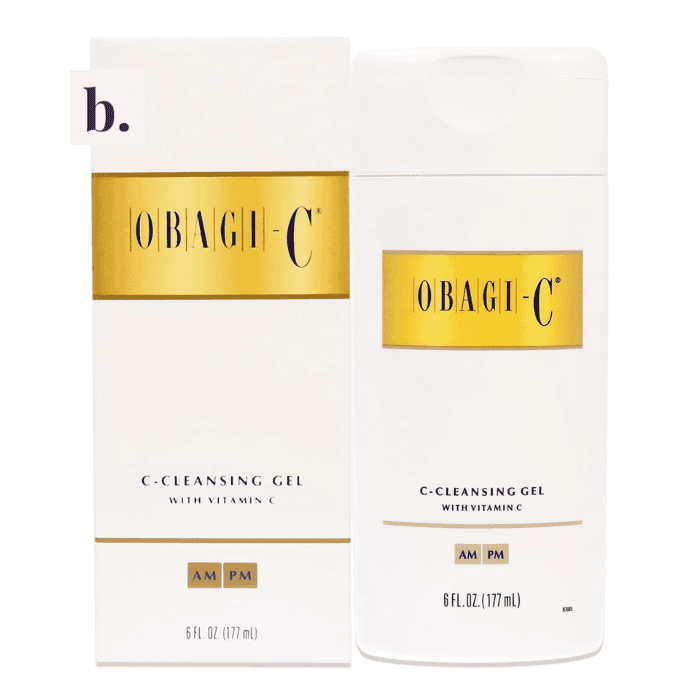
Obagi
C® Fx C-Cleansing Gel
If you want a traditional foaming cleanser, Obagi-C Fx C-Cleansing Gel provides useful everyday washing for oil and residue. Its vitamin C does not establish the results of a leave-on treatment, while…
Read the BeautyBrief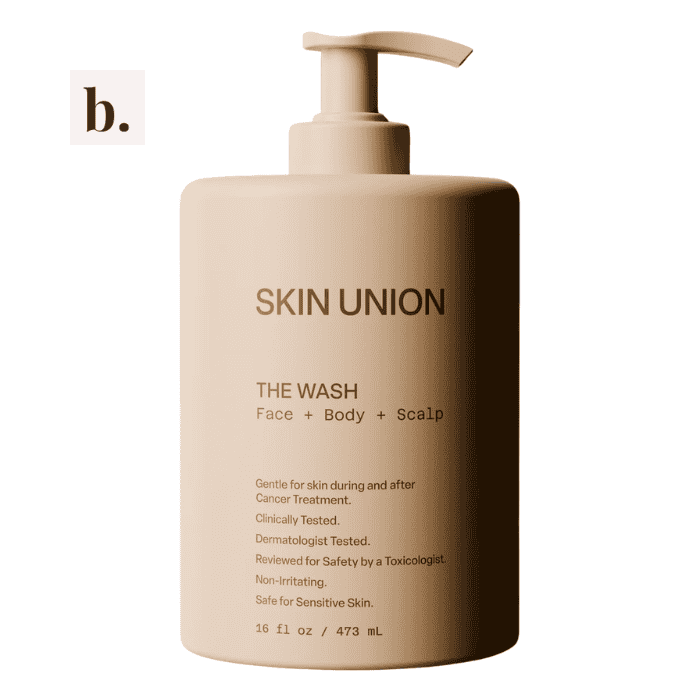
Skin Union
The Wash
If your skin prefers fragrance-free cleansing, Skin Union The Wash adds aloe and glycerin to a mild surfactant system. Its value depends on tolerability and the convenience of face-and-body use, not results…
Read the BeautyBrief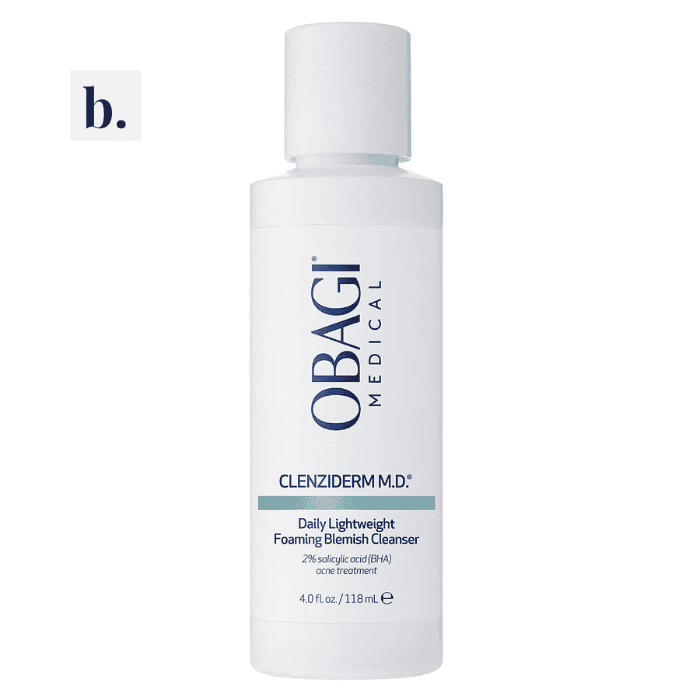
Obagi
CLENZIderm M.D.® Daily Lightweight Foaming Blemish Cleanser
If your oily or acne-prone skin tolerates high-foam cleansing, this wash offers a legitimate 2% salicylic-acid acne-treatment step. Menthol, fragrance, sulfates and a dryness warning limit its fit for reactive skin, and…
Read the BeautyBrief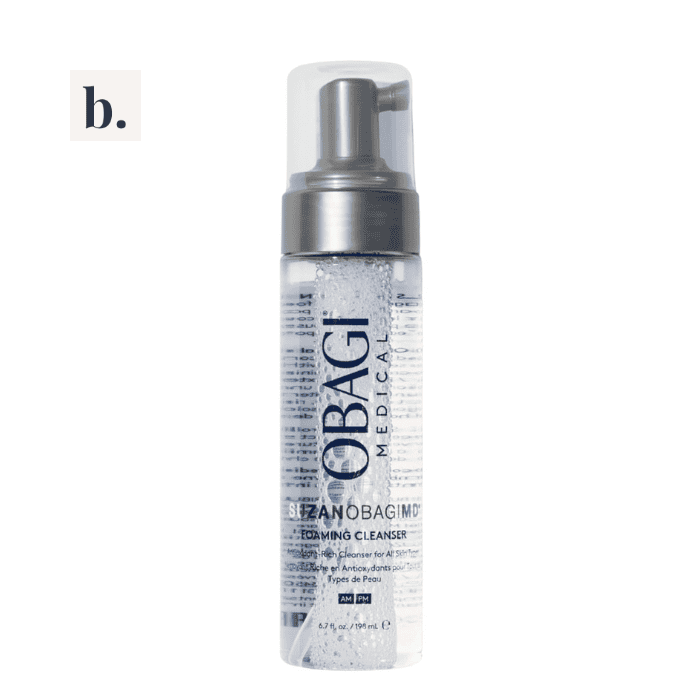
Obagi
SUZANOBAGIMD® Foaming Cleanser
If you prefer substantial sulfate-free foam, this cleanser offers a capable cleansing blend with added humectants. Grapefruit oil and isothiazolinone preservatives remain relevant if your skin is reactive, so the Premium price…
Read the BeautyBrief
amika
The Protector Color Protect + Strengthen Conditioner
If you want a rinse-out conditioner for color-treated hair, The Protector offers relevant brand-reported fade and breakage results. Its ingredient panel currently matches the companion shampoo, so confirm your actual bottle's INCI…
Read the BeautyBrief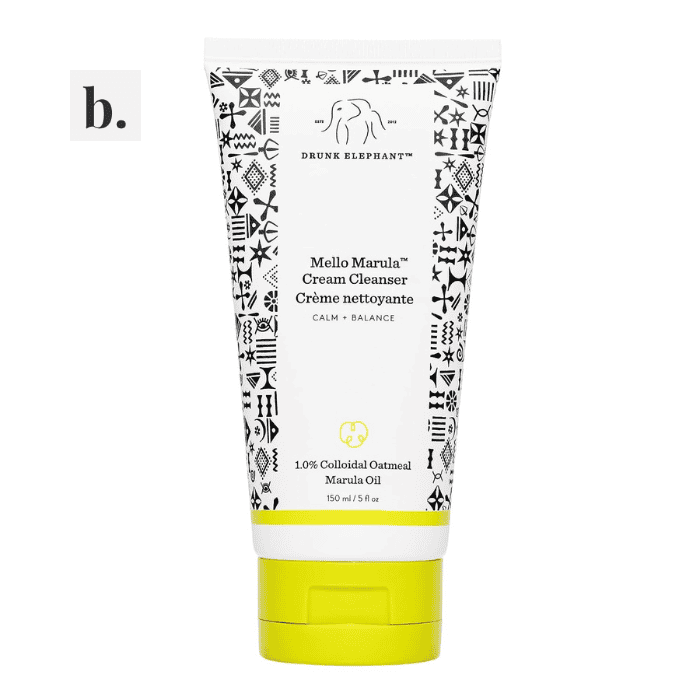
Drunk Elephant
Mello Marula Cream Cleanser
If you want a low-lather cleanser that removes sunscreen and makeup without a tight after-feel, Drunk Elephant Mello Marula combines a mild-leaning surfactant system with emollients and 1% colloidal oatmeal. Its Mid-Range…
Read the BeautyBrief