
Allantoin in Skincare
Allantoin is a well-supported skin-conditioning and skin-protectant ingredient when used in the right formula. Its OTC skin-protectant role does not prove that every cosmetic containing allantoin heals or repairs skin.
- Aliases
- Glyoxyldiureide, 5-Ureidohydantoin
- Ingredient category
- Conditioning Agent, Skin-Soothing Ingredient
- Most relevant for
- Dryness
- Evidence strength
- Well Supported for Temporarily protecting injured or exposed skin in qualifying 0.5% to 2% OTC skin-protectant formulas
- Formula matters
- Concentration, OTC drug versus cosmetic status, vehicle, and supporting humectants, emollients, and occlusives shape results. Ordinary cosmetics do not inherit qualifying OTC skin-protectant claims.
- Separate product needed?
- Usually No. You usually do not need a separate allantoin product when your moisturizer or balm already keeps your skin comfortable.
BB takeaway
Allantoin is useful for comfort and has a real skin-protectant role in qualifying formulas. Choose the complete product for the job rather than chasing allantoin percentage or broad healing claims.
Ingredient evidence does not prove the performance of every finished product containing it.
What is allantoin?
Allantoin is a small compound used in cosmetics mainly for skin conditioning and comfort. It is also known as glyoxyldiureide and 5-ureidohydantoin.
Cosmetic allantoin can be manufactured as a purified ingredient. It is not the same thing as comfrey extract or another plant extract that happens to contain allantoin, so evidence or safety concerns for a whole botanical should not automatically be transferred to purified allantoin.
In the United States, allantoin at 0.5% to 2% can also serve as an active ingredient in qualifying over-the-counter skin-protectant products.[1] That regulatory role applies only when the finished drug meets the applicable monograph requirements.
What does allantoin do for skin?
Allantoin mainly supports softness, conditioning, and skin comfort.
In qualifying OTC skin-protectant formulas, it can temporarily protect injured or exposed skin from irritating or harmful stimuli.[1]
In ordinary cosmetics, that does not mean allantoin by itself repairs a damaged skin barrier, heals wounds, treats rosacea, or replaces a complete moisturizer.
Ingredients such as glycerin, ceramides, dimethicone, squalane, and petrolatum often do more of the heavy lifting for hydration and moisture retention.
Allantoin is also not an exfoliating acid. It may help rough-feeling skin feel smoother within a finished formula, but it does not perform the same job as urea, glycolic acid, or salicylic acid.
What the evidence says about allantoin skincare
Allantoin is well supported for temporary skin protection when used at 0.5% to 2% in qualifying OTC skin-protectant formulas.
FDA OTC Monograph M016 lists allantoin at 0.5% to 2% as an active skin-protectant ingredient. The monograph defines skin protectants as products that temporarily protect injured or exposed skin or mucous membrane surfaces from harmful or annoying stimuli and may help provide relief.[1]
That is a narrow regulatory role. It does not prove that every cosmetic serum, moisturizer, cleanser, or balm containing allantoin provides the same level of protection or that allantoin alone heals damaged skin.
Human treatment studies reinforce that boundary. In a phase 3 randomized vehicle-controlled trial involving 169 people with epidermolysis bullosa, a medical cream containing 6% allantoin did not outperform the matching vehicle on the primary wound-closure outcomes.[2]
A 2025 randomized rosacea study also reported improvement with a compound heparin-sodium/allantoin gel, but that treatment contained other active components and was used alongside traditional therapy.[3] The results cannot be credited to allantoin alone and do not establish ordinary allantoin cosmetics as rosacea treatments.
For your routine, treat allantoin as a conditioning ingredient; its regulated skin-protectant role applies to qualifying OTC products, not every cosmetic.
How allantoin form and formulation affect results
The complete product matters more than the allantoin callout.
A lightweight serum with allantoin may feel comfortable but still be too light for very dry skin. A richer moisturizer that combines allantoin with humectants, emollients, lipids, silicones, or stronger occlusive ingredients can provide more complete dryness support.
In a cleanser, allantoin may add to the conditioning profile, but it cannot rescue a formula that consistently leaves skin tight or irritated.
In a qualifying skin-protectant drug product, the 0.5% to 2% concentration range has a specific regulatory meaning. In an ordinary cosmetic, a disclosed allantoin percentage does not carry the same implication.
Do not treat a large allantoin percentage as a quality score. Finished-product performance, texture, tolerability, and the ingredients doing the main moisturizing or treatment work matter more.
Who may benefit from allantoin skincare?
Allantoin can be useful in moisturizers, balms, cleansers, and recovery-focused products when mild dryness, rough surface feel, or comfort is part of the concern.
It can also be a useful supporting ingredient when stronger actives make a routine feel dry, provided the finished moisturizer actually gives the skin enough hydration and protection.
You do not need to seek out allantoin if your current moisturizer already keeps skin comfortable.
If skin is cracked, injured, or significantly irritated, choose a product designed for that purpose rather than assuming any cosmetic containing allantoin functions as an OTC skin protectant.
Allantoin side effects and irritation risk
Allantoin has a favorable cosmetic safety record.
Cosmetic Ingredient Review concluded that allantoin and the related complexes it assessed were safe as used in cosmetics under the conditions reviewed.[4]
That does not guarantee every allantoin-containing product will suit every person. Fragrance, preservatives, exfoliating acids, retinoids, plant extracts, or another part of the formula may still cause stinging, dryness, itching, swelling, or a rash.
Stop using a product that causes persistent burning, itching, swelling, blistering, or worsening irritation.
How to use allantoin in your skincare routine
Allantoin does not require a special routine. Use the finished product according to its main purpose.
A serum usually goes after cleansing and before moisturizer. A moisturizer or balm can serve as the moisturizing step. A cleanser should be rinsed off as directed.
If the same product also contains an exfoliating acid, retinoid, benzoyl peroxide, or another stronger active, base frequency on that ingredient and your skin’s tolerance rather than on the allantoin.
There is usually no reason to layer several allantoin products just to increase exposure.
How long does allantoin take to work?
A well-formulated product containing allantoin can make skin feel softer or more comfortable soon after application.
That immediate result belongs to the complete formula and cannot usually be credited to allantoin alone.
There is no dependable allantoin-specific timeline for barrier repair, scar fading, chronic redness, or wound healing in ordinary skincare.
If a brand gives a precise healing or repair timeline, look for testing on the finished product rather than evidence on allantoin alone.
What can you use with allantoin?
Allantoin fits easily into most skincare routines.
It can appear alongside glycerin, hyaluronic acid, ceramides, squalane, dimethicone, petrolatum, and panthenol.
It can also be formulated with vitamin C, niacinamide, acne treatments, retinoids, or exfoliating acids.
The main practical limit is total irritation. Allantoin cannot cancel out an overly aggressive routine, so reducing irritating steps is usually more useful than adding another soothing serum.
How to choose an allantoin product
Start with the product’s main job rather than the allantoin claim.
For dryness, choose a moisturizer with a complete hydration and moisture-retention system. For reactive skin, prioritize a simple, comfortable formula. For a cleanser, judge whether skin feels clean without feeling stripped.
If the product is marketed as an OTC skin protectant in the U.S., check that allantoin is listed as an active ingredient at 0.5% to 2% and that the product follows the applicable drug labeling.
Be cautious with “healing,” “barrier rescue,” “scar repair,” or post-procedure claims when a cosmetic relies mainly on the presence or percentage of allantoin.
Allantoin alone does not justify Premium pricing. Pay more only when the complete product offers a meaningful advantage in texture, formulation, packaging, tolerability, or credible finished-product testing.
Do you need a separate allantoin product?
Usually, no.
Allantoin works best as a supporting ingredient inside a product you already need.
A dedicated skin-protectant product containing allantoin can make sense when you specifically need the protective role the finished product is designed and labeled to provide.
For ordinary facial skincare, there is little reason to add a separate allantoin serum simply to increase exposure.
The BB Perspective
Allantoin is a useful, low-drama ingredient with a real skin-protectant role in the right formulas.
The mistake is turning that role into a universal healing or barrier-repair claim. A qualifying 0.5% to 2% OTC skin protectant and an ordinary cosmetic containing allantoin are not the same thing.
You usually do not need to seek out allantoin or pay extra for it. Choose the moisturizer, balm, cleanser, or skin-protectant product that best addresses your concern, then treat allantoin as a useful supporting feature when the rest of the formula earns its place.
Last reviewed: September 2026
Sources
The current monograph lists allantoin at 0.5% to 2% as a skin-protectant active ingredient and defines skin protectants as products that temporarily protect injured or exposed skin from harmful or annoying stimuli and may help provide relief. This regulatory role applies to qualifying finished drugs and does not establish an ideal concentration or healing claim for ordinary cosmetics. Return to citation.
Paller AS, Browning J, Nikolic M, et al. Efficacy and tolerability of the investigational topical cream SD-101 (6% allantoin) in patients with epidermolysis bullosa: A phase 3, randomized, double-blind, vehicle-controlled trial. Orphanet Journal of Rare Diseases. 2020;15(1):158. doi:10.1186/s13023-020-01419-3. PMID:32576219.
This trial compared a 6% allantoin medical cream with the same vehicle without allantoin in 169 people with epidermolysis bullosa. The allantoin cream did not outperform vehicle on the primary wound-closure outcomes. The disease and medical product differ substantially from ordinary skincare, but the study is useful evidence against assuming that more allantoin automatically means stronger healing. Multiple investigators reported relationships with Amicus Therapeutics, and several authors were Amicus employees or stockholders. Amicus Therapeutics funded the study and third-party medical-writing support and participated in study design, management, and analysis alongside external investigators. Return to citation.
Xu Z, Yu B, Qing Y, et al. Efficacy and Safety of Topical Compound Heparin Sodium Allantoin Gel (Main Components: Onion Extract Quercetin) for the Treatment of Rosacea. Journal of Cosmetic Dermatology. 2025;24(4):e70129. doi:10.1111/jocd.70129. PMID:40177799.
This randomized controlled study involved 82 people with papulopustular rosacea and found improvement with a compound heparin-sodium/allantoin gel used alongside traditional therapy. Because the treatment contained multiple components, the findings do not isolate allantoin and should not be used to claim that ordinary allantoin cosmetics treat rosacea. Both groups received oral doxycycline; the comparison was an onion-extract/heparin-sodium/allantoin gel versus a hyaluronic-acid emulsion, and 65 of 82 randomized patients completed follow-up. Funding came from Xi’an Jiaotong University’s Free Exploration Project and Zhejiang Medical Technology Development Company; the authors reported no funder role in study design, analysis, or publication decisions. Return to citation.
Becker LC, Bergfeld WF, Belsito DV, et al. Final Report of the Safety Assessment of Allantoin and Its Related Complexes. International Journal of Toxicology. 2010;29(3 Suppl):84S-97S. doi:10.1177/1091581810362805. PMID:20448269.
The Cosmetic Ingredient Review Expert Panel evaluated irritation, sensitization, exposure, and other safety information and concluded that allantoin and the related ingredients reviewed were safe as used in cosmetics under the conditions assessed. This report addresses cosmetic safety rather than the efficacy of finished skincare products. CIR is funded by the Personal Care Products Council, while its expert panel states that it operates independently. Return to citation.
Products featuring Allantoin
These evaluated products list Allantoin among the Key Ingredients that meaningfully shape the formula. Inclusion here reflects ingredient relevance, not an endorsement or rating.
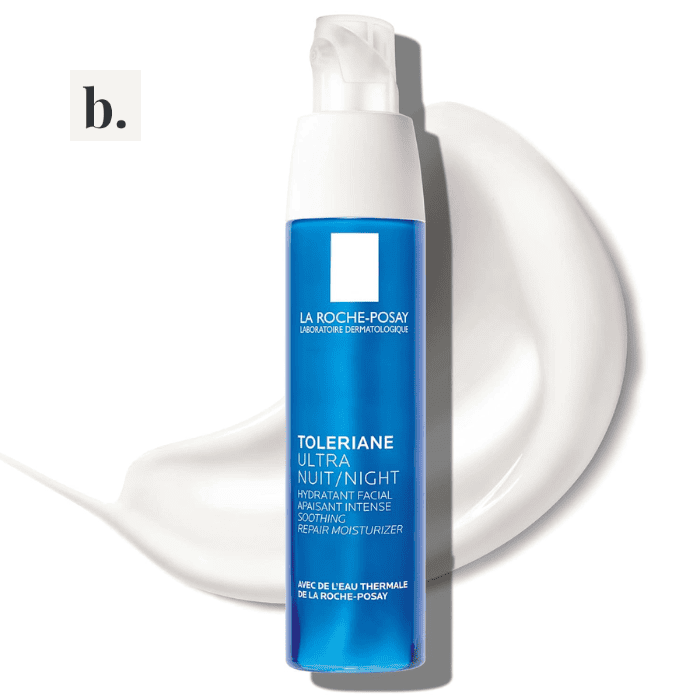
La Roche-Posay
Toleriane Dermallergo Night Moisturizer
If your skin is easily unsettled by fragranced products, Dermallergo Night offers a useful Mid-Range moisturizing option with gentle-feeling texture and protective packaging. Its four-week consumer test supports reported comfort, not treatment…
Read the BeautyBrief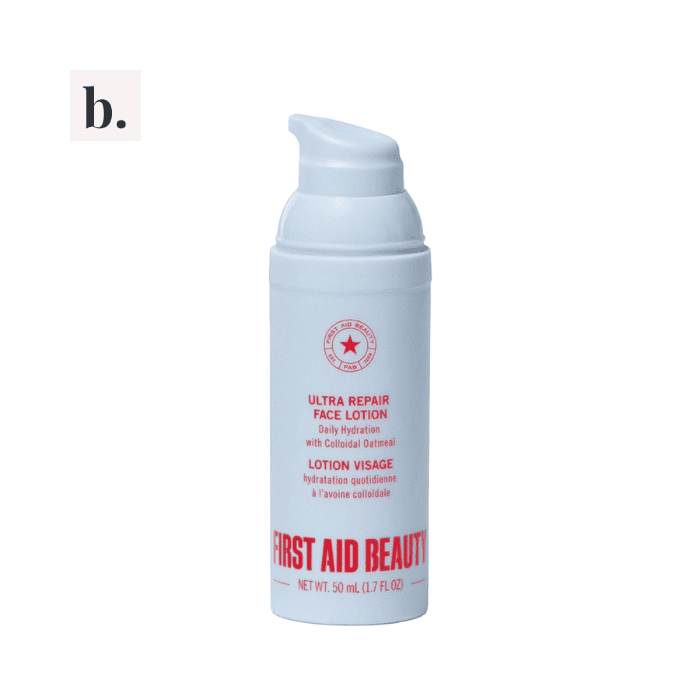
First Aid Beauty
Ultra Repair Face Lotion with Colloidal Oatmeal
If you prefer a lighter daily moisturizer, Ultra Repair Face Lotion combines humectants, emollients and colloidal oatmeal for softness and hydration. Its ingredients provide a barrier-support rationale but do not establish treatment…
Read the BeautyBrief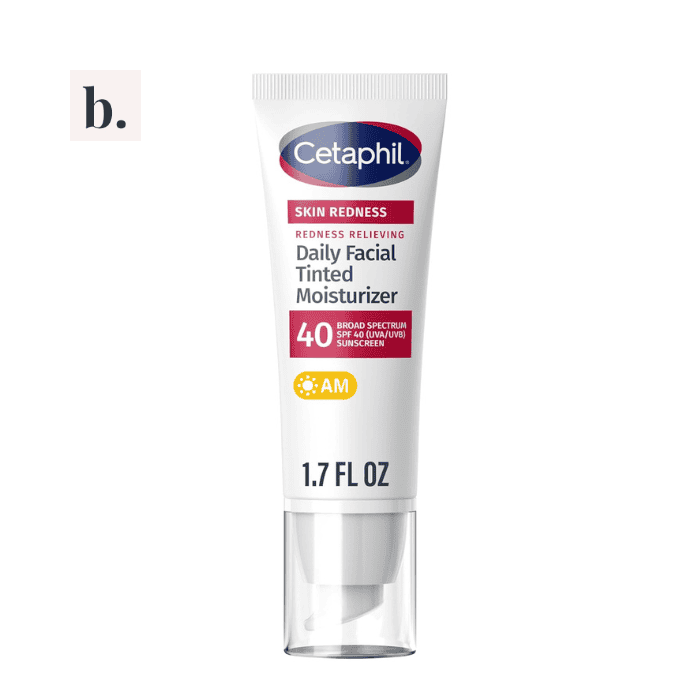
Cetaphil
Redness Relieving Daily Facial Tinted Moisturizer SPF 40
If you want mineral SPF 40 with cosmetic redness coverage, Cetaphil's tinted moisturizer combines zinc oxide, titanium dioxide and color pigments. The tint can make redness less visible without treating its cause,…
Read the BeautyBrief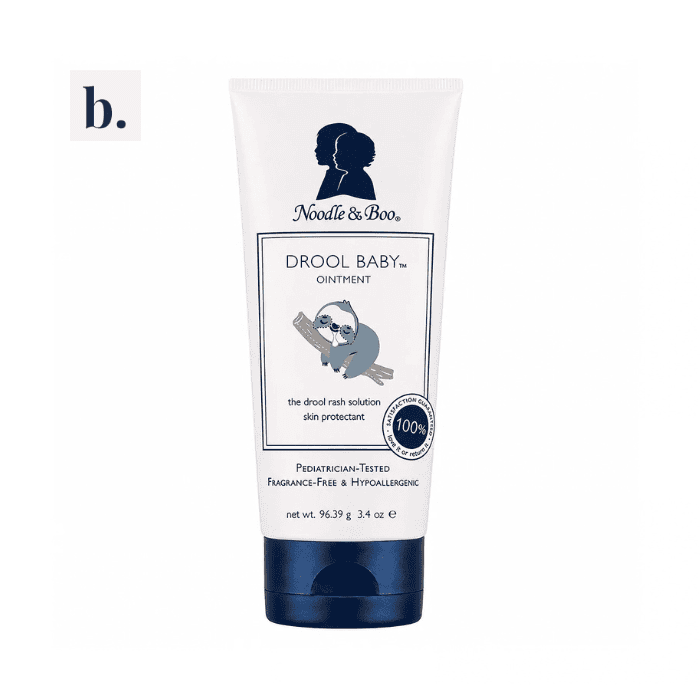
Noodle & Boo
Drool Baby
If your baby's cheeks or chin need a moisture-resistant barrier from repeated drool, Noodle & Boo Drool Baby uses 2% zinc oxide with occlusive ingredients. Its fragrance-free formula suits protective care, but…
Read the BeautyBrief
Obagi
Hydrate® Hydrating Facial Moisturizer
If you prefer a medium-rich cream, Obagi Hydrate provides a practical combination of humectants, butters and silicones for everyday dryness. Its Premium price is most defensible when its texture suits your skin…
Read the BeautyBrief
Obagi
SUZANOBAGIMD® Intensive Daily Repair
If you want a combined moisturizer and exfoliant, Intensive Daily Repair offers two PHAs and a substantial conditioning base. Its Premium price makes sense when that combination simplifies your routine, while very…
Read the BeautyBrief