
Shea Butter in Skincare
Shea butter is a well-established emollient and occlusive used to soften dry-feeling skin and add richness to moisturizers. Its value depends on the complete formula, not the ingredient name alone.
- Aliases
- Butyrospermum Parkii Butter
- Ingredient category
- Emollient, Occlusive, Texture & Thickening Agent
- Most relevant for
- Dryness
- Evidence strength
- Well Supported for Softening and conditioning dry-feeling skin in leave-on moisturizing formulas
- Formula matters
- The amount used, product format, and surrounding humectants, emollients, and occlusives determine how rich, comfortable, and moisture-supportive the finished product feels.
- Separate product needed?
- Usually No. Usually unnecessary if your current moisturizer already controls dryness and keeps skin comfortable.
BB takeaway
Shea butter is a dependable emollient and occlusive, but it is highly replaceable. Choose it for the complete formula and texture, not because the ingredient sounds natural or luxurious.
Ingredient evidence does not prove the performance of every finished product containing it.
What is shea butter?
Shea butter is a plant-derived fat obtained from the fruit of the shea tree. On an ingredient list, it appears as Butyrospermum Parkii Butter. In skincare, its main roles are conditioning the skin, helping reduce moisture loss, and adding richness and body to a formula.[1][2]
Its rich texture makes it common in creams, body moisturizers, balms, lip products, and some cleansers. “Natural” does not make shea butter automatically gentler or more effective than other emollients; the finished formula still determines how the product feels and performs.
What does shea butter do for skin?
Shea butter mainly softens dry, rough-feeling skin and adds an occlusive, cushiony layer that helps reduce moisture loss. That makes it useful in formulas designed for dryness or a richer finish.[2]
Those are established cosmetic functions, not proof that shea butter treats eczema, scars, wrinkles, inflammation, or barrier disease. A complete moisturizer can reach the same practical goal with many different combinations of humectants, emollients, occlusives, and barrier-supporting ingredients.
What the evidence says about shea butter skincare
Shea butter is well supported for its basic cosmetic role as a skin-conditioning, occlusive ingredient. COSMILE lists Butyrospermum Parkii Butter as a skin-conditioning and viscosity-controlling ingredient, while the Cosmetic Ingredient Review assessment lists skin-conditioning, occlusive, and viscosity-increasing functions.[1][2]
That level of evidence is enough to support softness and moisture-retention claims as established cosmetic functions. It is not enough to turn broader botanical claims into proven treatment benefits. Claims about healing eczema, reversing wrinkles, treating acne, or repairing damaged skin require evidence beyond the presence of shea butter.
How shea butter form and formulation affect results
The amount used and the product format matter. A shea-heavy balm feels very different from a lotion where shea butter is one of several emollients, and a rinse-off cleanser gives the ingredient much less contact time than a leave-on cream.
The surrounding formula matters too. Humectants add water-binding support, other emollients affect softness and spread, and occlusive ingredients influence how much moisture loss the formula helps reduce. Waxes, silicones, esters, and thickeners also change whether the finished product feels plush, waxy, greasy, or lightweight.
Ingredient-list position does not reveal the exact shea butter percentage, so a high position alone does not prove better moisturization.
Who may benefit from shea butter skincare?
Shea butter is most relevant for dry or rough-feeling skin that prefers richer creams, body moisturizers, or balms. It also works as a supporting emollient in formulas designed to leave a softer after-feel.
If your skin is oily or acne-prone, you do not need to avoid shea butter automatically. A rich balm may feel excessive, but a lighter finished formula containing shea butter may suit you. Texture and individual response matter more than ingredient fear lists.
Shea butter side effects and irritation risk
The Cosmetic Ingredient Review Expert Panel assessed 13 shea-derived cosmetic ingredients and concluded they are safe in the present practices of use and concentration described in the assessment when formulated to be non-sensitizing.[2]
That conclusion does not make every shea-containing product reaction-proof. Fragrance, preservatives, other botanicals, active ingredients, or the finished formula can still cause irritation or allergy.
If a product causes persistent burning, swelling, itching, or a worsening rash, stop using the product rather than assuming shea butter is automatically the cause.
How to use shea butter in your skincare routine
Use shea butter through the finished product. A moisturizer containing it serves as your moisturizing step; a richer balm makes more sense on dry areas or when a lighter lotion does not provide enough comfort.
During the day, shea butter does not replace broad-spectrum sunscreen. In a cleanser, it remains a supporting rinse-off ingredient rather than a separate moisturizing treatment.
How long does shea butter take to work?
The main cosmetic effect is immediate. A shea-containing formula makes the skin surface feel softer and smoother as part of the product’s emollient and occlusive system.
How well dryness stays controlled over time depends on the complete moisturizer, how often it is used, the environment, cleansing habits, and the reason the skin is dry. Shea butter does not have a universal treatment timeline for skin disease or visible aging.
What can you use with shea butter?
Shea butter fits easily into moisturizing formulas with glycerin, hyaluronic acid, ceramides, and petrolatum. These ingredients do different jobs within a moisturizing system rather than competing with shea butter.
It also fits into routines that use retinoids, vitamin C, benzoyl peroxide, or exfoliating acids. Its role is supportive moisturization; it does not neutralize irritation from an overly aggressive routine.
How to choose a shea butter product
Choose by the texture and moisture support you actually need. Very dry skin often benefits from a richer cream or balm that combines humectants, emollients, and occlusives. Normal, combination, or oily skin may prefer a lighter lotion where shea butter is only part of the emollient system.
Do not choose a product because shea butter is marketed as natural, healing, or luxurious. Those descriptions do not establish better performance.
Shea butter alone does not justify Premium pricing. Pay more only when the complete formula, texture, tolerability, packaging, testing, or finished-product performance provides a meaningful advantage.
Do you need a separate shea butter moisturizer?
Usually, no.
If your current moisturizer already controls dryness and keeps skin comfortable, a dedicated shea product is unnecessary. A richer shea butter formula makes sense only when it fills a real moisture or texture gap in the routine.
The BB Perspective
Shea butter is a dependable emollient and occlusive for softness, richness, and moisture support, especially in dry-skin and body-care formulas.
It is also highly replaceable. Choose shea butter because the complete product suits your skin and texture preferences, not because the ingredient sounds more natural, therapeutic, or luxurious.
Last reviewed: September 2026
Sources
COSMILE Europe. Butyrospermum Parkii Butter.
COSMILE identifies Butyrospermum Parkii Butter as a plant-derived cosmetic ingredient used for skin conditioning and viscosity control. This source is used for ingredient identity and established cosmetic function, not as evidence for broad treatment claims. Return to citation.
Burnett CL, Bergfeld WF, Belsito DV, et al. Safety Assessment of Butyrospermum parkii (Shea)-Derived Ingredients as Used in Cosmetics. International Journal of Toxicology. 2024;43(1 Suppl):82S-95S. doi:10.1177/10915818231224230.
The Expert Panel reviewed 13 shea-derived cosmetic ingredients and found them safe under the reviewed conditions when formulated to be non-sensitizing. It documents shea butter’s emollient and occlusive functions, not proof that shea alone treats eczema, acne, or wrinkles. Cosmetic Ingredient Review is funded by the Personal Care Products Council, a cosmetics-industry trade association. Return to citation.
Products featuring Shea Butter
These evaluated products list Shea Butter among the Key Ingredients that meaningfully shape the formula. Inclusion here reflects ingredient relevance, not an endorsement or rating.
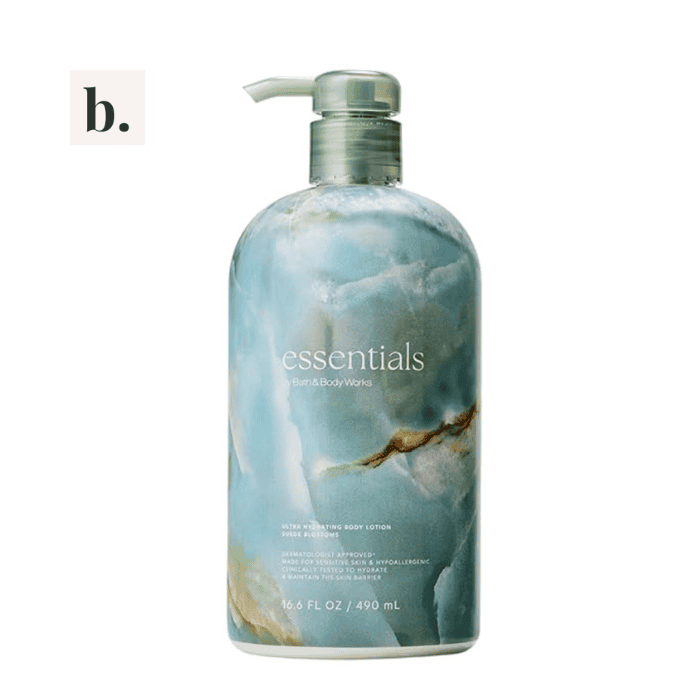
Bath & Body Works
Suede Blossoms Ultra Hydrating Body Lotion
If your body skin is normal or dry and you enjoy scented lotion, Suede Blossoms offers familiar humectants and emollients for everyday softness. Its hypoallergenic label does not guarantee fragrance tolerance, and…
Read the BeautyBrief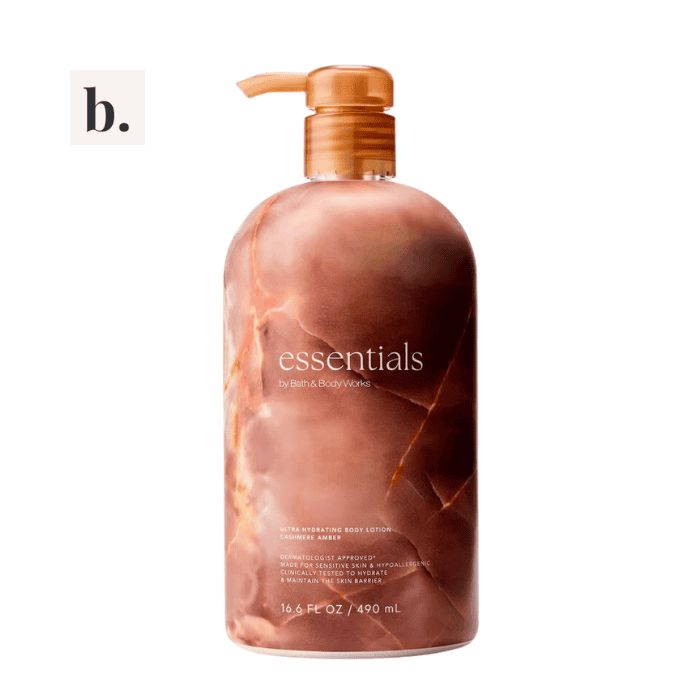
Bath & Body Works
Cashmere Amber Ultra Hydrating Body Lotion
If your body skin is normal or dry and you enjoy an amber fragrance, Cashmere Amber offers familiar humectants and emollients for everyday softness. Its hypoallergenic label does not guarantee fragrance tolerance,…
Read the BeautyBrief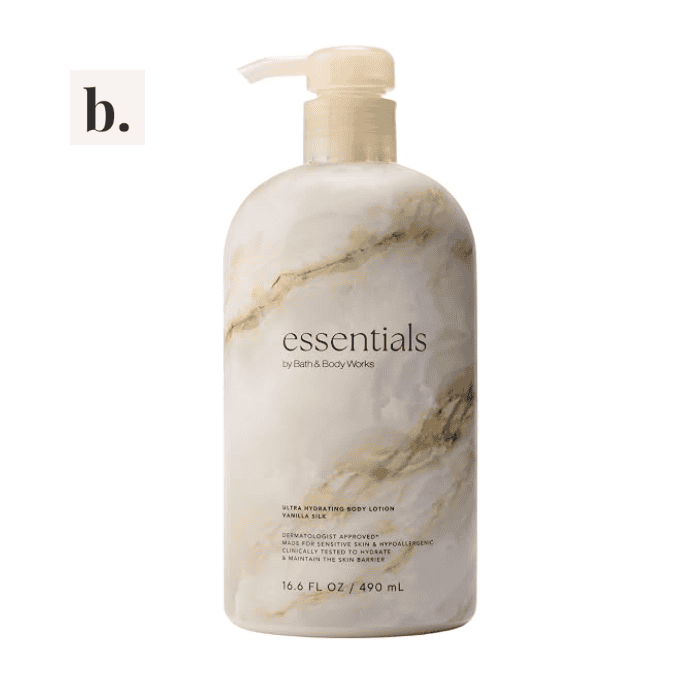
Bath & Body Works
Vanilla Silk Ultra Hydrating Body Lotion
If your body skin is normal or dry and you enjoy vanilla fragrance, Vanilla Silk combines humectants and emollients for everyday softness. Its hypoallergenic claim does not guarantee fragrance tolerance, and the…
Read the BeautyBrief
Schaf
Moisturizer 3.0
If you prefer a fragrance-free cream, Schaf Moisturizer 3.0 offers rich emollience alongside niacinamide and bakuchiol. Its Premium value rests on how the texture and ingredient blend suit you, not established retinoid-level…
Read the BeautyBrief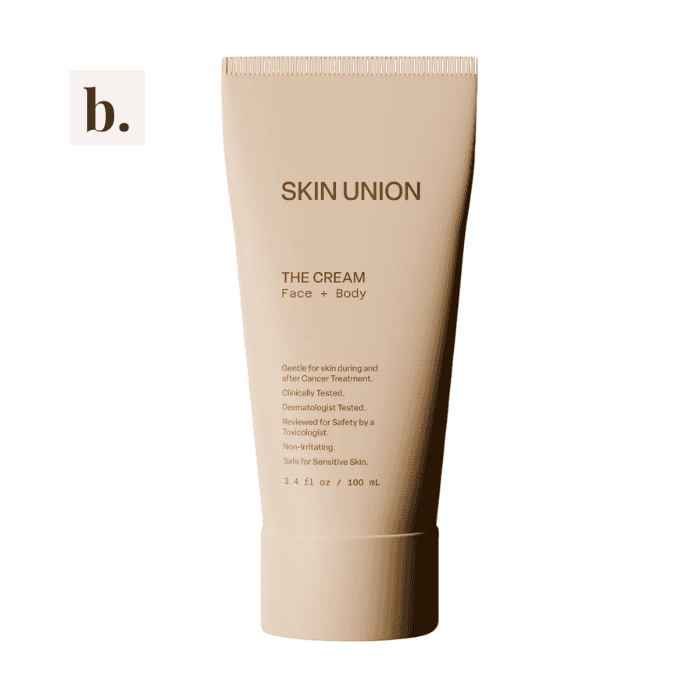
Skin Union
The Cream
If your face or body needs moisture without fragrance, The Cream combines plant oils, oat beta-glucan and a ceramide. Its value rests on that moisturizing system, while sensitive-skin clinical outcomes remain unreported.
Read the BeautyBrief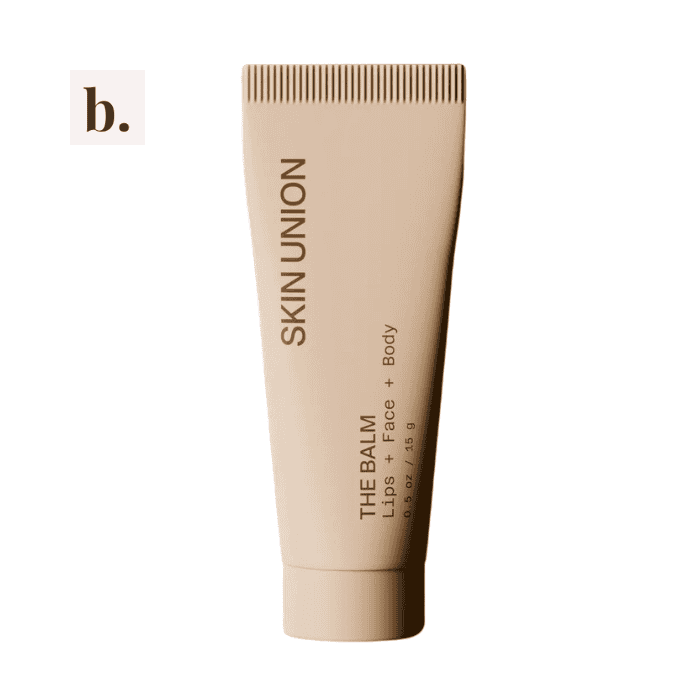
Skin Union
The Balm
If your lips or dry patches need extra protection, The Balm supplies a rich sunflower-and-shea base with lanolin. It is not vegan, and its clinical healing claims remain unestablished while testing is…
Read the BeautyBrief