
Caprylic/Capric Triglyceride in Skincare
Caprylic/Capric Triglyceride is a common emollient and occlusive that adds softness, slip, and moisture support to skincare formulas. Its value depends on the complete product, not the ingredient name alone.
- Ingredient category
- Emollient, Occlusive
- Most relevant for
- Dryness
- Evidence strength
- Well Supported for Softening and conditioning dry-feeling skin in leave-on moisturizing formulas
- Formula matters
- The amount used, product format, and surrounding emollients, humectants, occlusives, emulsifiers, and surfactants determine how soft, rich, or easy to rinse the finished product feels.
- Separate product needed?
- Usually No. You usually get its benefits in moisturizers, sunscreens, serums, or cleansers, so a separate product is unnecessary unless you need more emollience.
BB takeaway
Caprylic/Capric Triglyceride is a dependable formula workhorse for softness and slip, but it is highly replaceable. Judge the complete product rather than chasing or avoiding the ingredient by name.
Ingredient evidence does not prove the performance of every finished product containing it.
What is caprylic/capric triglyceride?
Caprylic/Capric Triglyceride is a mixed triester of glycerin with caprylic and capric fatty acids. In skincare, it is used mainly as a skin-conditioning ingredient that adds slip, softness, and an oil-like feel to formulas.[1][2]
It is often made from fatty acids derived from coconut oil, but it is not the same material as coconut oil. It is a distinct triglyceride ingredient with a different composition from whole coconut oil.
What does caprylic/capric triglyceride do for skin?
Its main skincare role is emollience. Caprylic/Capric Triglyceride helps smooth rough-feeling skin and adds softness and spread to moisturizers, serums, sunscreens, and balms.[1]
CIR also lists it as a skin-conditioning occlusive and solvent.[2] In practical terms, it helps reduce moisture loss as part of a moisturizing system and acts as a solvent for oil-soluble materials inside a formula.
Those are useful supporting functions, but they do not make Caprylic/Capric Triglyceride a treatment for acne, eczema, wrinkles, or barrier damage.
What the evidence says about caprylic/capric triglyceride skincare
The evidence is strongest for its established cosmetic function rather than for a stand-alone treatment effect. COSMILE describes Caprylic/Capric Triglyceride as a skin-conditioning ingredient with smoothing and refattening properties, while CIR identifies skin-conditioning, occlusive, and solvent functions.[1][2]
CIR’s 2022 amended safety assessment reviewed 51 triglycerides, including Caprylic/Capric Triglyceride, and concluded that the group is safe in cosmetics in the present practices of use and concentration described in the assessment.[2]
For your routine, Caprylic/Capric Triglyceride is a reliable ingredient for softness, slip, and moisture support. Its presence alone does not prove that a finished product will moisturize better, remove makeup better, or suit acne-prone skin better than another formula.
How caprylic/capric triglyceride form and formulation affect results
The product format determines what the ingredient contributes. In a moisturizer, it adds softness, slip, and part of the oil phase. In an oil cleanser or balm, its solvent-like role helps support removal of oil-soluble residue. In a sunscreen or serum, it supports spread and the handling of oil-soluble ingredients.
The surrounding formula matters more than the ingredient name alone. Other emollients, emulsifiers, humectants, occlusives, surfactants, film formers, and thickeners determine whether the finished product feels light, silky, rich, greasy, or easy to rinse.
Ingredient-list position does not reveal the exact percentage, so a high position does not by itself establish better moisturization or cleansing.
Who may benefit from caprylic/capric triglyceride skincare?
Caprylic/Capric Triglyceride is most relevant in formulas for dry or rough-feeling skin that need added emollience and a smoother oil phase.
It also appears frequently in sunscreens, serums, cleansing oils, and balms because it helps create a smooth, spreadable oil phase.
Oily or acne-prone skin does not need to avoid it automatically. The complete formula, product format, and individual response matter more than ingredient-level pore-clogging lists.
Caprylic/capric triglyceride side effects and irritation risk
CIR concluded that Caprylic/Capric Triglyceride and the other triglycerides in its 2022 amended assessment are safe in cosmetics in the present practices of use and concentration described in the report.[2]
That conclusion does not make every finished product universally compatible. Fragrance, preservatives, active ingredients, surfactants, and the rest of the formula remain relevant when a product causes stinging, itching, irritation, or breakouts.
If a product repeatedly causes problems, judge the complete formula rather than assuming Caprylic/Capric Triglyceride is the cause from the ingredient list alone.
How to use caprylic/capric triglyceride in your skincare routine
Use it through the finished product. A moisturizer containing Caprylic/Capric Triglyceride serves as your moisturizing step, while a cleansing oil or balm is used and rinsed according to its directions.
There is no reason to add a separate Caprylic/Capric Triglyceride product when your routine already provides enough softness and moisture support.
How long does caprylic/capric triglyceride take to work?
Its main cosmetic effects are immediate. In a leave-on formula, it contributes to softness and smoother spread as the product is applied. In an oil cleanser or balm, it performs its formula role during the cleansing step.
Longer-term control of dryness depends on the complete moisturizing routine and the reason the skin is dry, not on Caprylic/Capric Triglyceride building up in the skin over time.
What can you use with caprylic/capric triglyceride?
Caprylic/Capric Triglyceride fits easily into moisturizing formulas with glycerin, hyaluronic acid, ceramides, and petrolatum.
Those ingredients perform different jobs within a moisturizing system. Caprylic/Capric Triglyceride mainly contributes emollience, slip, and part of the oil phase rather than acting as a treatment active with special compatibility rules.
How to choose a caprylic/capric triglyceride product
Choose the product for the job you need rather than looking for this ingredient specifically.
For a moisturizer, judge the complete moisturizing system: humectants, emollients, occlusives, texture, and how the product wears. For a cleansing oil or balm, judge makeup and sunscreen removal, emulsification, rinsing, and residue.
Caprylic/Capric Triglyceride alone does not justify Premium pricing. Pay more only when the finished formula, texture, tolerability, packaging, testing, or performance provides a meaningful advantage.
Do you need a separate caprylic/capric triglyceride product?
Usually, no.
You already get its practical benefits if your moisturizers, sunscreens, serums, or cleansers contain it. A separate oil-like step only makes sense when the routine genuinely needs more emollience.
The BB Perspective
Caprylic/Capric Triglyceride is a dependable formula workhorse for softness, slip, and moisture support. It is common because those functions are useful, not because it is a specialized treatment active.
It is also highly replaceable. Judge the complete product rather than choosing or rejecting it because Caprylic/Capric Triglyceride appears on the ingredient list.
Last reviewed: September 2026
Sources
COSMILE Europe. Caprylic/Capric Triglyceride.
COSMILE identifies Caprylic/Capric Triglyceride as an ester of caprylic and capric acids with glycerin and describes it as a skin-conditioning ingredient with smoothing and refattening properties. This source supports ingredient identity and established cosmetic function rather than stand-alone treatment claims. Return to citation.
Fiume MM, Bergfeld WF, Belsito DV, et al. Amended Safety Assessment of Triglycerides as Used in Cosmetics. International Journal of Toxicology. 2022;41(3 Suppl):22S-68S. doi:10.1177/10915818221123790. PMID:36189772.
The Expert Panel assessed 51 triglycerides, including Caprylic/Capric Triglyceride, and concluded they are safe under the reviewed cosmetic conditions. It identifies the ingredient as a skin-conditioning occlusive and solvent, but does not establish that every finished formula is non-comedogenic. Cosmetic Ingredient Review is funded by the Personal Care Products Council, a cosmetics-industry trade association. Return to citation.
Products featuring Caprylic/Capric Triglyceride
These evaluated products list Caprylic/Capric Triglyceride among the Key Ingredients that meaningfully shape the formula. Inclusion here reflects ingredient relevance, not an endorsement or rating.
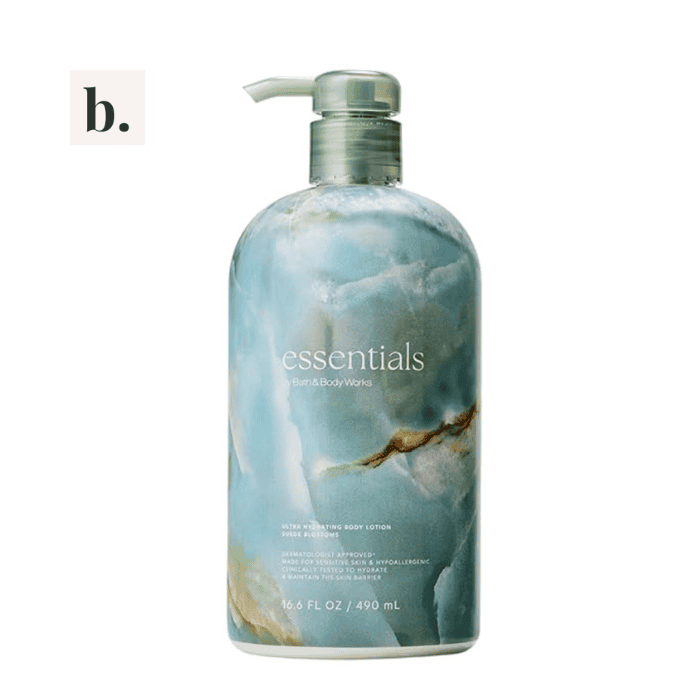
Bath & Body Works
Suede Blossoms Ultra Hydrating Body Lotion
If your body skin is normal or dry and you enjoy scented lotion, Suede Blossoms offers familiar humectants and emollients for everyday softness. Its hypoallergenic label does not guarantee fragrance tolerance, and…
Read the BeautyBrief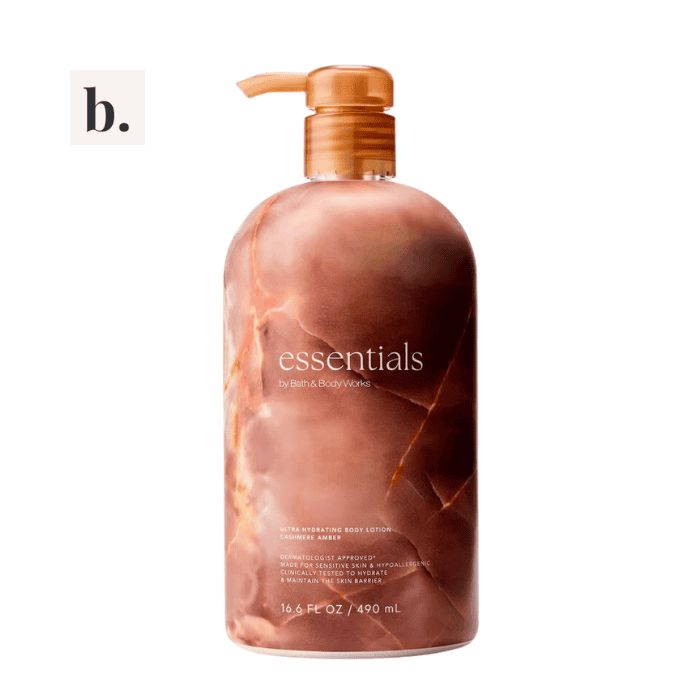
Bath & Body Works
Cashmere Amber Ultra Hydrating Body Lotion
If your body skin is normal or dry and you enjoy an amber fragrance, Cashmere Amber offers familiar humectants and emollients for everyday softness. Its hypoallergenic label does not guarantee fragrance tolerance,…
Read the BeautyBrief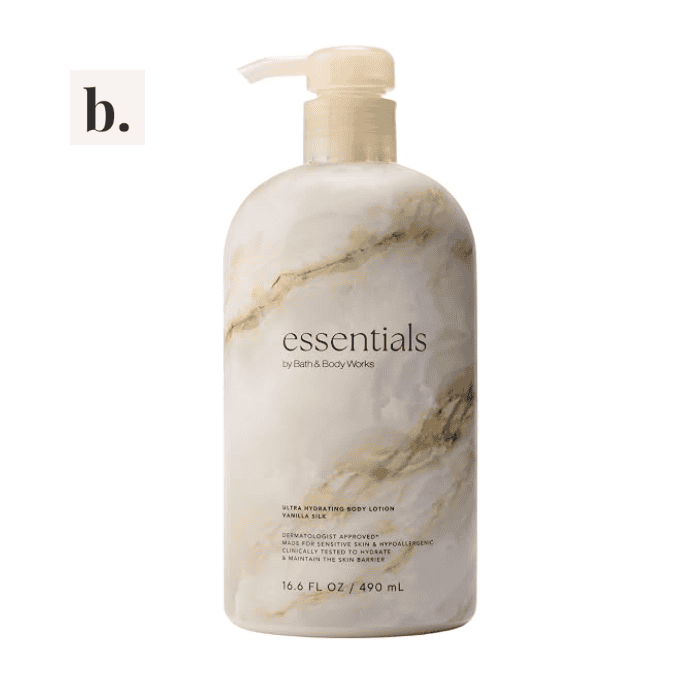
Bath & Body Works
Vanilla Silk Ultra Hydrating Body Lotion
If your body skin is normal or dry and you enjoy vanilla fragrance, Vanilla Silk combines humectants and emollients for everyday softness. Its hypoallergenic claim does not guarantee fragrance tolerance, and the…
Read the BeautyBrief
e.l.f. Cosmetics
e.l.f. Spicy Bundt Nice Silky Body Cream – POP Tromsø Collection
If you like a spice-and-orange scented body cream, this formula combines glycerin, emollients, silicones and petrolatum. Its Budget value rests on scent and texture, while perfume and aromatic oils limit its fit…
Read the BeautyBrief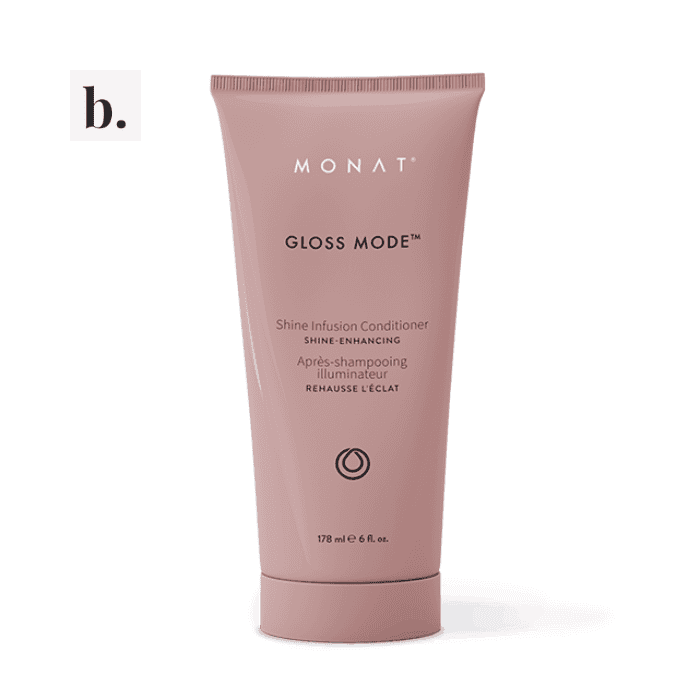
MONAT
GLOSS MODE Shine Infusion Conditioner
If your hair is dry, frizz-prone or hard to detangle, MONAT Shine Infusion Conditioner has a credible rich conditioning base for softer, smoother lengths. Its 32-person consumer study is limited evidence for…
Read the BeautyBrief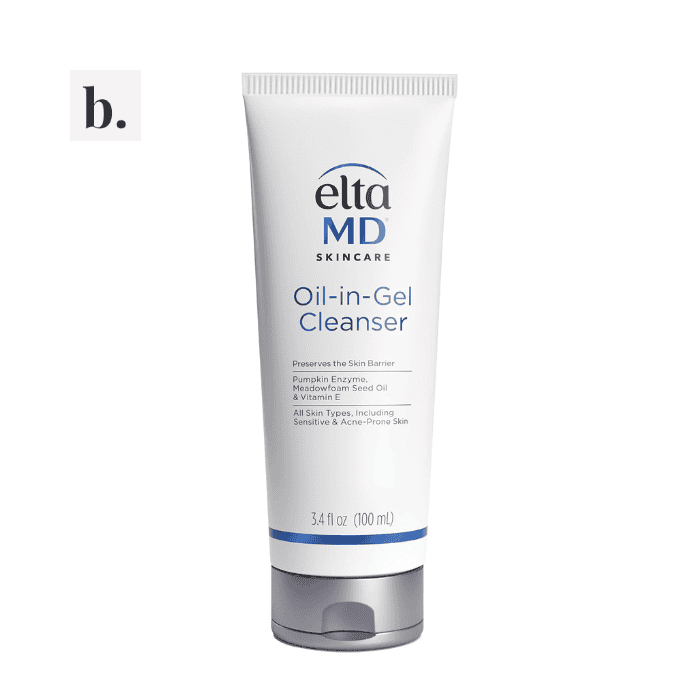
EltaMD
Oil-in-Gel Cleanser
If you wear resistant sunscreen or long-wear makeup, EltaMD Oil-in-Gel offers a practical first-cleansing format. Its Mid-Range value rests on the easy milky rinse and skin feel rather than a unique antioxidant…
Read the BeautyBrief