
Glycerin in Skincare
If your skin feels dry or tight, glycerin helps your skin hold moisture. You don't need a high percentage or a separate serum when your moisturizer already works well.
- Aliases
- Glycerol, Glycerine, 1,2,3-Propanetriol
- Ingredient category
- Humectant
- Most relevant for
- Dryness
- Evidence strength
- Well Supported for Increasing skin hydration in leave-on moisturizing formulas
- Formula matters
- Concentration, water content, product format, and supporting emollients and occlusives determine lasting hydration and texture; more glycerin is not automatically better.
- Separate product needed?
- Usually No. A separate glycerin serum is usually unnecessary when your moisturizer already keeps skin comfortably hydrated.
BB takeaway
Glycerin is a dependable hydration ingredient. Choose the complete formula that controls dryness rather than paying more for a high percentage.
Ingredient evidence does not prove the performance of every finished product containing it.
What is glycerin?
Glycerin is a small, water-soluble humectant used widely in skincare. It is also known as glycerol, glycerine, and 1,2,3-propanetriol.[1]
Its main job is to help the outer layer of skin hold water. It appears in cleansers, toners, serums, lotions, creams, sunscreens, and ointments.
Glycerin can be made from plant or animal fats and oils or through synthetic manufacturing. The INCI name alone usually does not tell you the original source.
What does glycerin do for skin?
Glycerin supports hydration.
By helping the stratum corneum retain water, it can make dry or dehydrated skin feel softer, smoother, and less tight.
It can also contribute to a moisturizer designed to support the skin barrier, but glycerin is not a complete barrier-repair system by itself. Very dry skin may still need emollients, lipids, silicones, or occlusives to slow water loss.
Glycerin does not exfoliate, treat acne or pigmentation, erase wrinkles, or provide sunscreen protection.
What the evidence says about glycerin skincare
Glycerin is well supported as a moisturizing humectant.
A 2024 randomized, double-blind crossover trial in 32 workers with occupational hand dermatitis compared a 20% glycerin moisturizer with a 20% glycerin moisturizer plus coconut oil. Both improved dermatitis severity, skin hydration, and transepidermal water loss over two weeks, with no clear advantage from adding coconut oil.[2]
A larger 2024 randomized phase 3 study in 235 people with moderate-to-severe uremic xerosis found that a cream containing 15% glycerol plus 10% paraffin improved dry-skin response and scaling more than its vehicle after 28 days.[3] Because glycerol and paraffin were tested together, the study supports the complete hydrating-and-occlusive formula rather than glycerin alone.
A dermatology review of glycerol research also describes consistent effects on stratum-corneum hydration and skin function across experimental and clinical settings.[4]
For you, the conclusion is simple: glycerin is a dependable hydration ingredient. The complete product still determines how long that hydration lasts and how comfortable the formula feels.
How glycerin form and formulation affect results
There is no single glycerin percentage you need to seek.
Higher concentrations can increase water-binding capacity, but they can also make a product feel tackier or heavier. Water content, emollients, occlusives, polymers, silicones, and the rest of the base all affect performance and texture.
Glycerin also does not work only by pulling water from the air. Water already present in the formula and skin, local humidity, and ingredients that reduce evaporation all influence the result. You do not need to avoid glycerin automatically in a dry climate.
Format matters too. A cleanser has short contact time, while a leave-on lotion or cream gives glycerin more opportunity to support hydration.
Do not treat ingredient-list position or a large front-label percentage as a quality score.
Who may benefit from glycerin skincare?
Glycerin can suit nearly any skin type when the finished formula suits your skin.
It is especially useful when skin feels dry or tight, when frequent cleansing reduces comfort, or when acne treatments, exfoliating acids, cold weather, or low humidity make skin feel drier than usual.
Oily or combination skin may prefer glycerin in a lighter lotion or gel-cream. Very dry skin may do better with a richer moisturizer that combines glycerin with ceramides, emollients, or petrolatum.
If your current moisturizer already keeps your skin comfortable, you do not need to seek out glycerin specifically.
Glycerin side effects and irritation risk
Glycerin has a favorable cosmetic safety record.
The Expert Panel for Cosmetic Ingredient Safety concluded that glycerin is safe under the cosmetic practices of use and concentrations it reviewed.[5]
That does not guarantee every glycerin-containing product will suit every person. Fragrance, preservatives, exfoliating ingredients, surfactants, or an already irritated skin barrier may be the real reason a product stings or causes redness.
Stickiness, residue, heaviness, and pilling are usually texture or layering problems rather than safety problems.
Stop using a product that causes persistent burning, swelling, severe itching, blistering, or a worsening rash.
How to use glycerin in your skincare routine
Glycerin does not require its own routine step. Use the finished product according to its format.
A glycerin serum or toner usually goes before moisturizer. A lotion or cream containing glycerin can simply serve as the moisturizing step.
You can apply glycerin products to damp or dry skin unless the product directions say otherwise. There is no need to follow a rigid damp-skin rule for every glycerin formula.
In the morning, finish with broad-spectrum sunscreen.
How long does glycerin take to work?
A well-formulated glycerin product can make skin feel softer and less tight soon after application.
More durable improvement in dryness depends on repeated use and the rest of the moisturizing system. In the 2024 occupational-hand trial, changes were measured after two weeks, while the uremic-xerosis trial measured its controlled treatment phase over 28 days.[2][3]
Those timelines belong to the tested formulas and populations. They are not a universal two- or four-week promise for every glycerin product.
What can you use with glycerin?
Glycerin fits easily with almost every common skincare ingredient.
It often appears with hyaluronic acid, urea, panthenol, ceramides, cholesterol, squalane, dimethicone, and petrolatum.
Glycerin also fits into routines containing retinoids, exfoliating acids, benzoyl peroxide, vitamin C, or niacinamide.
A hydrating ingredient cannot make an overly irritating routine harmless. If skin is persistently burning, peeling, or inflamed, reducing the irritating treatment may matter more than adding another humectant.
How to choose a glycerin product
Choose the product for its main job rather than for the glycerin marketing.
If you need lightweight hydration, a serum, lotion, or gel-cream may fit. If dryness persists, look for a moisturizer that also contains enough emollient and occlusive support to keep water from escaping too quickly.
Judge texture, fragrance, layering, sunscreen compatibility, package size, price, and whether the product remains comfortable after several hours.
Be cautious with claims such as “deep hydration,” “moisture magnet,” “barrier repair,” or “72-hour hydration” when the only evidence offered is that the product contains glycerin. Those are finished-product claims and need finished-product evidence.
Glycerin alone does not justify Premium or Luxury pricing. It is common, inexpensive, and effective. Pay more only when the complete formula gives you a meaningful advantage in comfort, texture, tolerability, packaging, or credible product-level testing.
Do you need a separate glycerin serum?
Usually, no.
Glycerin is already common in moisturizers, cleansers, sunscreens, and hydrating serums.
A separate glycerin-focused serum can make sense when you specifically want a lightweight hydration layer and it solves a real texture or routine problem.
You can leave out the extra step when your moisturizer already keeps your skin comfortable.
The BB Perspective
Glycerin is one of skincare’s most useful ordinary ingredients.
It has a well-supported role in hydration, is easy to formulate into many product types, and does not need an elaborate ingredient story to be valuable.
You usually do not need to chase a high glycerin percentage or pay extra for it. Choose the complete product that solves your dryness problem, then treat glycerin as a dependable supporting ingredient when the rest of the formula earns its place.
Last reviewed: September 2026
Sources
National Library of Medicine PubChem. Glycerol.
PubChem identifies glycerol as 1,2,3-propanetriol and lists glycerin and glycerine as recognized synonyms. This source supports ingredient identity and chemistry rather than finished-product efficacy. Return to citation.
Budianti WK, Soebaryo RW, Mansyur M, et al. Cocos nucifera and glycerine afterwork moisturizers for secondary prevention of hand dermatitis among fabric worker: a randomized, double-blind, cross over trial. Scientific Reports. 2024;14(1):20702. doi:10.1038/s41598-024-72010-0. PMID: 39237662. PMCID: PMC11377436.
This randomized double-blind crossover trial included 32 batik workers with mild-to-moderate occupational hand dermatitis. A 20% glycerin cream and a 20% glycerin plus 30% coconut-oil cream both improved clinical severity, skin hydration, and transepidermal water loss over two weeks, with no clear difference between treatments. It supports the tested glycerin moisturizer rather than proving that a higher glycerin percentage is better. The study was funded by a Universitas Indonesia doctoral research grant, and the authors declared no competing interests. The participants were workers with mild-to-moderate occupational hand dermatitis, so the result supports the tested moisturizer in that population rather than establishing an ideal glycerin concentration for ordinary facial skincare. Return to citation.
Szepietowski JC, Kemeny L, Mettang T, Arenberger P. Long-Term Efficacy and Tolerability of an Emollient Containing Glycerol and Paraffin for Moderate-to-Severe Uremic Xerosis: A Randomized Phase 3 Study. Dermatology and Therapy. 2024;14(11):3033-3046. doi:10.1007/s13555-024-01287-w. PMID: 39422853. PMCID: PMC11557774.
This randomized phase 3 study included 235 people with moderate-to-severe uremic xerosis. A cream containing 15% glycerol plus 10% paraffin improved dry-skin response and scaling more than vehicle over 28 days and was generally well tolerated during longer use. Because glycerol and paraffin were tested together, the study supports the complete hydrating-and-occlusive formula rather than isolated glycerin. The population had moderate-to-severe uremic xerosis, so the findings are not a direct test of ordinary cosmetic dry skin. Study sponsorship, medical-writing support, and publication fees were funded by Pierre Fabre, the manufacturer of the tested product; two authors also disclosed relationships with Pierre Fabre among other companies. Return to citation.
Fluhr JW, Darlenski R, Surber C. Glycerol and the skin: holistic approach to its origin and functions. British Journal of Dermatology. 2008;159(1):23-34. doi:10.1111/j.1365-2133.2008.08643.x. PMID: 18510666.
This review summarizes experimental and clinical evidence on glycerol’s effects on stratum-corneum hydration, barrier function, and skin mechanics. It supports glycerol’s established moisturizing role but does not test one modern retail formula or establish an ideal consumer concentration. Return to citation.
Becker LC, Bergfeld WF, Belsito DV, et al. Safety Assessment of Glycerin as Used in Cosmetics. International Journal of Toxicology. 2019;38(3 Suppl):6S-22S. doi:10.1177/1091581819883820. PMID: 31840548.
The Expert Panel for Cosmetic Ingredient Safety reviewed glycerin’s cosmetic uses and safety data and concluded that it is safe under the practices of use and concentrations assessed. This source addresses ingredient safety rather than the effectiveness of finished moisturizers. Return to citation.
Products featuring Glycerin
These evaluated products list Glycerin among the Key Ingredients that meaningfully shape the formula. Inclusion here reflects ingredient relevance, not an endorsement or rating.

Allies of Skin
The Lab Drop 10/10/10 Multi GF Exo Advanced Recovery Ampoules
If you are considering Allies of Skin Lab Drop 10/10/10 Ampoules for visible aging, its growth-factor and exosome-themed complexes make an ambitious treatment story. The brand's reported improvements do not establish biological…
Read the BeautyBrief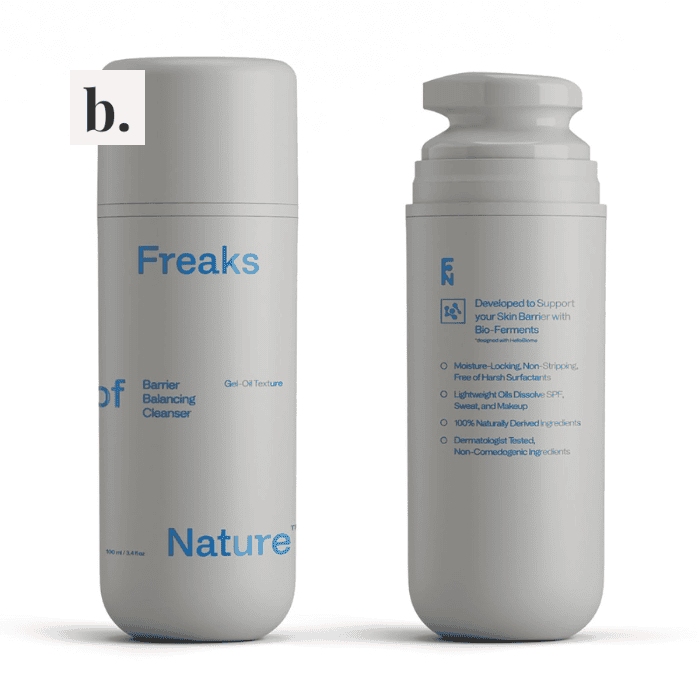
Freaks of Nature
Barrier Balancing Face Wash
If you want a gel-to-oil face wash for sunscreen and daily buildup, this Mid-Range cleanser offers a distinctive milky texture with supportive oils and humectants. Its consumer survey does not establish measured…
Read the BeautyBrief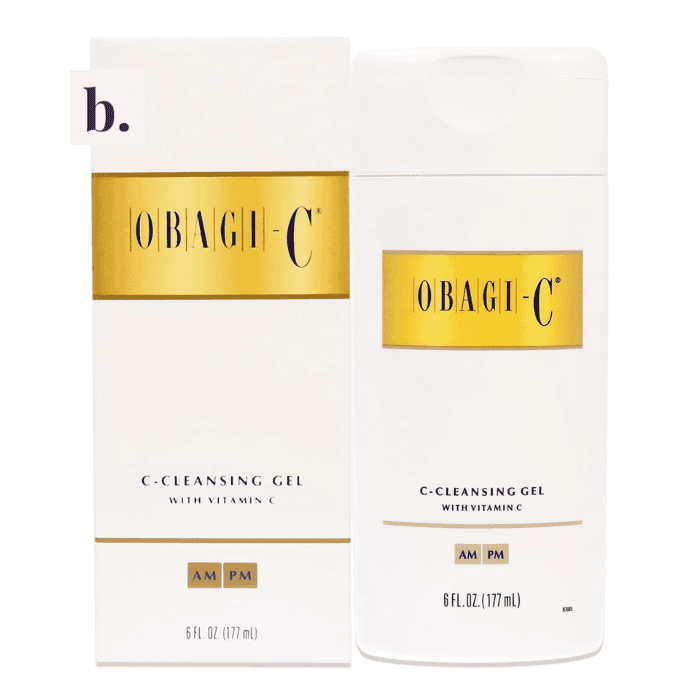
Obagi
C® Fx C-Cleansing Gel
If you want a traditional foaming cleanser, Obagi-C Fx C-Cleansing Gel provides useful everyday washing for oil and residue. Its vitamin C does not establish the results of a leave-on treatment, while…
Read the BeautyBrief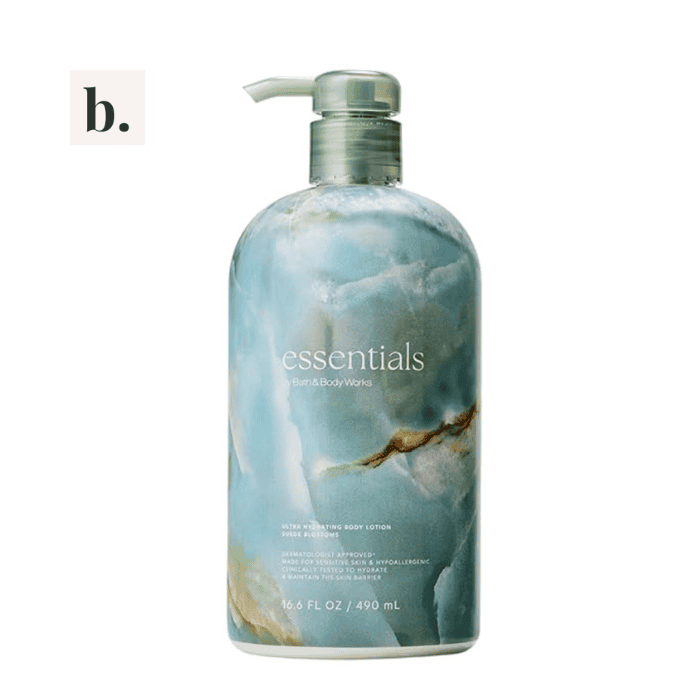
Bath & Body Works
Suede Blossoms Ultra Hydrating Body Lotion
If your body skin is normal or dry and you enjoy scented lotion, Suede Blossoms offers familiar humectants and emollients for everyday softness. Its hypoallergenic label does not guarantee fragrance tolerance, and…
Read the BeautyBrief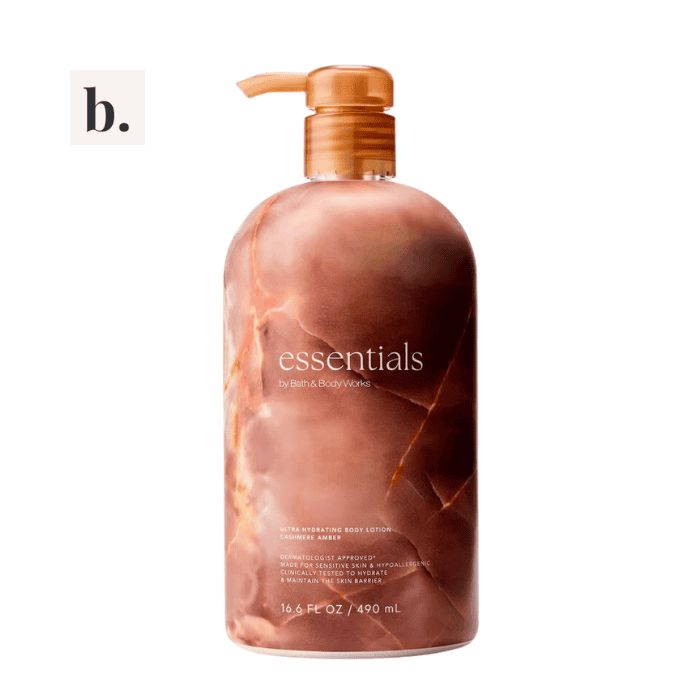
Bath & Body Works
Cashmere Amber Ultra Hydrating Body Lotion
If your body skin is normal or dry and you enjoy an amber fragrance, Cashmere Amber offers familiar humectants and emollients for everyday softness. Its hypoallergenic label does not guarantee fragrance tolerance,…
Read the BeautyBrief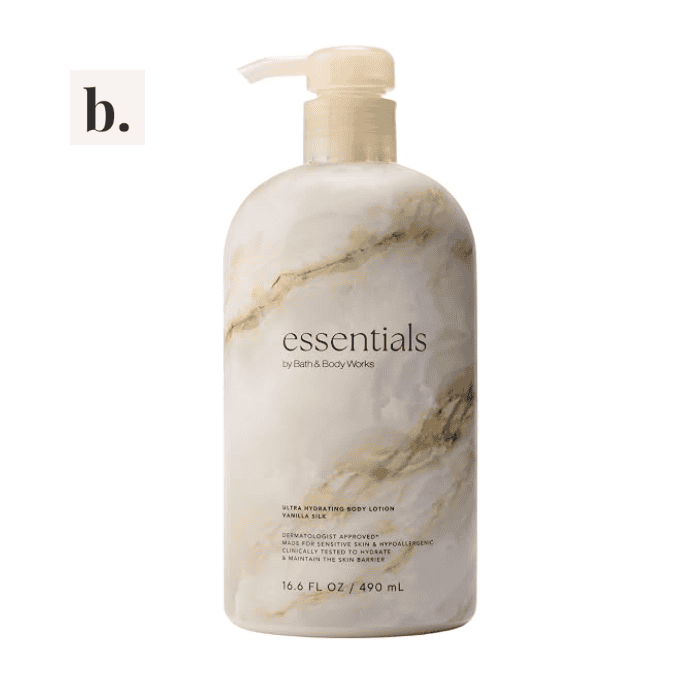
Bath & Body Works
Vanilla Silk Ultra Hydrating Body Lotion
If your body skin is normal or dry and you enjoy vanilla fragrance, Vanilla Silk combines humectants and emollients for everyday softness. Its hypoallergenic claim does not guarantee fragrance tolerance, and the…
Read the BeautyBrief