
Panthenol in Skincare
Panthenol is a well-supported humectant and conditioning ingredient that improves hydration and helps reduce water loss. The complete moisturizer matters more than a high percentage or broad barrier-repair marketing.
- Aliases
- Provitamin B5, Pantothenol
- Ingredient category
- Conditioning Agent, Humectant
- Most relevant for
- Dryness, Skin Barrier Support
- Evidence strength
- Well Supported for Improving hydration and reducing water loss in tested panthenol/dexpanthenol leave-on formulas
- Formula matters
- Form, concentration, vehicle, contact time, and supporting humectants, emollients, and occlusives shape results. Dexpanthenol findings do not automatically apply to every panthenol product.
- Separate product needed?
- Usually No. Most routines do not need a separate panthenol serum when the existing moisturizer already controls dryness and tightness.
BB takeaway
Panthenol is dependable moisturizing support, but percentage is not a quality score. Choose the finished formula that best manages dryness rather than adding another B5 serum by default.
Ingredient evidence does not prove the performance of every finished product containing it.
What is panthenol?
Panthenol is an alcohol derivative of pantothenic acid and is commonly called provitamin B5. The biologically active D-form, dexpanthenol or D-panthenol, can be converted in the skin to pantothenic acid, which is vitamin B5.[1]
Panthenol and vitamin B5 are related, but they are not the same ingredient. Dexpanthenol is one specific form of panthenol and appears often in dermatologic research.
In cosmetics, panthenol is used mainly as a humectant and skin-conditioning ingredient. It helps formulas support hydration and softness without acting as a stand-alone treatment active.
What does panthenol do for skin?
Panthenol helps skin hold water and can reduce transepidermal water loss, which is the water that escapes through the outer skin layer.
That makes it useful in moisturizers, serums, creams, and balms designed for dry, tight, or uncomfortable skin.
Panthenol can support skin-barrier function, but it is not a complete moisturizer by itself. Very dry skin usually benefits from humectants, emollients, barrier lipids, and occlusive ingredients working together.
It also does not prove that a product treats eczema, rosacea, dermatitis, or damaged skin simply because panthenol appears on the label.
What the evidence says about panthenol skincare
Panthenol is well supported for improving skin hydration and reducing transepidermal water loss in topical leave-on formulas.
In a randomized, double-blind, vehicle-controlled human study, seven days of topical dexpanthenol in two moisturizing bases improved stratum-corneum hydration and reduced transepidermal water loss compared with the matching vehicle controls.[2]
A separate controlled study compared otherwise similar formulas containing 0%, 0.5%, 1%, or 5% panthenol. After 30 days, the 1% and 5% formulas significantly reduced transepidermal water loss, while the study also found short-term protective effects after detergent washing.[3]
Those results show that useful effects are possible below 5%. They do not establish a universal ideal percentage or prove that a 5% product is automatically better than a 1% product.
Newer human studies continue to support panthenol-containing moisturizers, but the formula-first limitation still matters. A 2026 randomized split-leg trial found that a moisturizer containing panthenol, niacinamide, and dipotassium glycyrrhizate improved hydration and reduced water loss in people with xerosis.[4] The authors specifically noted that the absence of a vehicle control prevented the effects from being attributed to the individual active ingredients.
For your routine, panthenol offers dependable moisturizing support, but the complete formula determines how well a product manages dryness.
How panthenol form and formulation affect results
Panthenol performance depends on form, concentration, vehicle, contact time, and the rest of the formula.
Research often uses dexpanthenol, the D-form. A retail ingredient list may simply say Panthenol, so you cannot always assume that evidence for a specific dexpanthenol preparation applies exactly to every product.
A lightweight serum can add hydration but may not give very dry skin enough moisture retention. A cream or balm that combines panthenol with glycerin, ceramides, dimethicone, squalane, or petrolatum can provide more complete support.
Leave-on products make more sense when hydration and reduced water loss are the goal because they stay on the skin. Panthenol in a cleanser may improve the conditioning profile, but rinse-off contact limits what you should expect.
Percentage is not a quality score. Human studies support useful effects at more than one concentration, and the surrounding formula often matters more than whether the label says 1%, 2%, 5%, or another number.
Who may benefit from panthenol skincare?
Panthenol can be useful for dry, tight, or mildly uncomfortable skin, especially inside a leave-on moisturizer or serum.
It can also be a helpful supporting ingredient when treatments such as retinoids, exfoliating acids, or acne medications make a routine feel drier than usual.
A lightweight panthenol serum can make sense when you want an extra hydration layer without a rich finish. Drier skin usually gets more value from a cream or balm with a fuller moisturizing system.
You do not need to seek out panthenol if your current moisturizer already keeps your skin comfortable.
Panthenol side effects and irritation risk
Panthenol has a strong cosmetic safety record.
Cosmetic Ingredient Review identifies panthenol as a skin-conditioning humectant and concluded that panthenol, pantothenic acid, and the related derivatives it assessed are safe in cosmetics under the reviewed conditions of use.[5]
That does not guarantee every panthenol-containing product will feel gentle. Fragrance, preservatives, plant extracts, acids, retinoids, or another part of the formula can still cause stinging, dryness, itching, swelling, or a rash.
Allergic contact reactions to dexpanthenol have been documented in patients referred for contact-allergy testing. Their frequency among everyday skincare users is not established.[6]
Stop using a product that causes persistent burning, itching, swelling, blistering, or worsening redness.
How to use panthenol in your skincare routine
Panthenol does not need a special routine. Use the finished product according to its format.
A serum usually goes after cleansing and before moisturizer. A cream or balm can simply serve as the moisturizing step.
If the same product also contains an exfoliating acid, retinoid, benzoyl peroxide, or another stronger active, base frequency on that ingredient and your skin’s tolerance rather than on the panthenol.
There is usually no reason to layer several panthenol products just to increase exposure.
How long does panthenol take to work?
A well-formulated panthenol product can make skin feel softer or less tight within the first several uses.
Controlled human studies have measured hydration and water-loss changes after about seven days and after several weeks of repeated use.[2][3]
Those timelines belong to the tested formulas. They do not prove that every panthenol serum repairs a damaged barrier within a fixed number of days.
What can you use with panthenol?
Panthenol fits easily into most skincare routines.
It can complement glycerin and hyaluronic acid for hydration and can sit alongside ceramides, squalane, dimethicone, oils, or petrolatum for stronger moisture retention.
Panthenol can also appear with vitamin C, niacinamide, acne treatments, exfoliating acids, and retinoids.
The main practical limit is total irritation. Panthenol can improve comfort, but it cannot undo an overly aggressive routine.
How to choose a panthenol product
Start with the format and the actual dryness problem you need the product to solve.
Choose a serum when you genuinely want lightweight hydration. Choose a cream or balm when you need stronger moisture retention. For very dry skin, the supporting emollients and occlusives usually matter more than the headline panthenol percentage.
Look beyond “provitamin B5,” “barrier rescue,” and “recovery” marketing. A disclosed percentage is useful context, but the complete formula, tolerability, and finished-product evidence matter more.
Do not assume 5% is automatically better than 1%. The human evidence supports useful effects at multiple concentrations and does not establish a simple dose-response ladder.
Panthenol alone does not justify Premium pricing. Pay more only when the complete product offers a meaningful advantage in texture, formula design, packaging, tolerability, or credible product-level testing.
Do you need a separate panthenol serum?
Usually, no.
Panthenol works well as a supporting ingredient inside a moisturizer or other product you already need.
A separate serum can make sense when you specifically want another lightweight hydration layer and it fills a real gap that your moisturizer does not cover.
If your current moisturizer already controls dryness, another panthenol serum is more likely to add complexity than a meaningful benefit.
The BB Perspective
Panthenol is a well-supported moisturizing ingredient with direct human evidence for improving hydration and reducing water loss.
The mistake is turning that evidence into a percentage contest or giving panthenol all the credit for a multi-ingredient barrier-repair formula.
You usually do not need to seek out panthenol or pay extra for it. Choose the moisturizer or serum that best solves your dryness problem, then treat panthenol as a useful supporting ingredient when the rest of the formula already earns its place.
Last reviewed: September 2026
Sources
National Library of Medicine PubChem. Panthenol.
PubChem identifies panthenol as an alcohol derivative of pantothenic acid and distinguishes panthenol from dexpanthenol, the biologically active D-form. This source supports ingredient identity rather than finished-product efficacy. Return to citation.
Gehring W, Gloor M. Effect of topically applied dexpanthenol on epidermal barrier function and stratum corneum hydration: Results of a human in vivo study. Arzneimittelforschung. 2000;50(7):659-663. doi:10.1055/s-0031-1300268. PMID:10965426.
This randomized, double-blind, placebo-controlled human study tested dexpanthenol in two lipophilic moisturizing vehicles. After seven days, dexpanthenol improved stratum-corneum hydration and reduced transepidermal water loss compared with the matching vehicle controls. The findings support dexpanthenol in the tested leave-on formulas rather than every panthenol product. Return to citation.
Camargo FB Jr, Gaspar LR, Maia Campos PMBG. Skin moisturizing effects of panthenol-based formulations. Journal of Cosmetic Science. 2011;62(4):361-370. PMID:21982351.
This controlled human study compared formulas containing 0%, 0.5%, 1%, or 5% panthenol. The 1% and 5% formulas significantly reduced transepidermal water loss after 30 days, and panthenol-containing formulas also reduced water loss after detergent washing. The study supports a moisturizing and protective role without establishing one universal ideal concentration. Return to citation.
Morgado-Carrasco D, Balado-Simó P, Vivancos Cuadras F, Furmanczyk M, Delgado Ojeda J. Efficacy of a Topical Formulation on Skin Hydration and Barrier Function in Individuals With Xerosis: A 28-Day Randomized, Split-Leg, Untreated-Controlled Trial. Journal of Cosmetic Dermatology. 2026;25(5):e70898. doi:10.1111/jocd.70898. PMID:42108609.
Thirty-five participants with xerosis used a moisturizer containing panthenol, niacinamide, and dipotassium glycyrrhizate twice daily for 28 days. Hydration improved and transepidermal water loss decreased versus the untreated leg. Because there was no vehicle control, the authors stated that the effects could not be attributed specifically to the individual active ingredients. Three of the five authors were affiliated with Lacer S.A., which funded the study. Return to citation.
Scott LN, Fiume M, Bergfeld WF, et al. Safety Assessment of Panthenol, Pantothenic Acid, and Derivatives as Used in Cosmetics. International Journal of Toxicology. 2022;41(Suppl 3):77S-128S. doi:10.1177/10915818221124809. PMID:36177798.
The Cosmetic Ingredient Review Expert Panel identifies panthenol as a skin-conditioning humectant and concluded that the seven reviewed ingredients are safe in cosmetics under the present practices of use and concentration described in the assessment. This source supports cosmetic function and safety rather than product efficacy. The report was sponsored by Cosmetic Ingredient Review, which is financially supported by the Personal Care Products Council. Return to citation.
Fernandes RA, Santiago L, Gouveia M, Gonçalo M. Allergic contact dermatitis caused by dexpanthenol—Probably a frequent allergen. Contact Dermatitis. 2018;79(5):276-280. doi:10.1111/cod.13054. PMID:30009460.
This study reviewed patients referred for allergy patch testing and found positive dexpanthenol reactions in 26 of 2,171 patients. Because the participants already had suspected contact allergy, the result should not be treated as the reaction rate among ordinary skincare users. Return to citation.
Products featuring Panthenol
These evaluated products list Panthenol among the Key Ingredients that meaningfully shape the formula. Inclusion here reflects ingredient relevance, not an endorsement or rating.
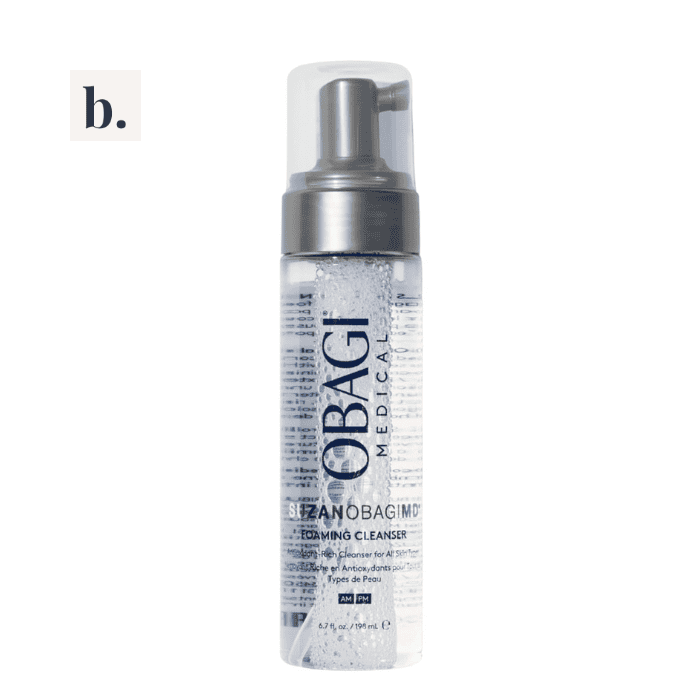
Obagi
SUZANOBAGIMD® Foaming Cleanser
If you prefer substantial sulfate-free foam, this cleanser offers a capable cleansing blend with added humectants. Grapefruit oil and isothiazolinone preservatives remain relevant if your skin is reactive, so the Premium price…
Read the BeautyBrief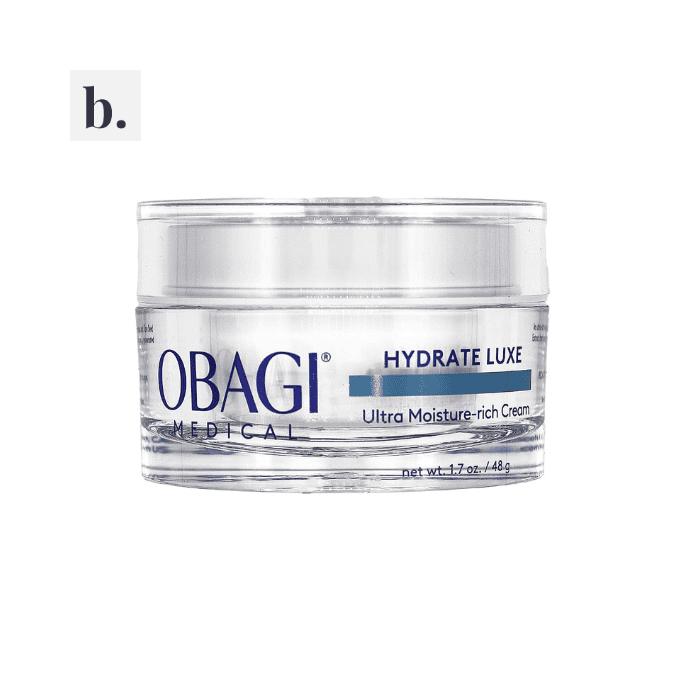
Obagi
Hydrate Luxe® Ultra Moisture-Rich Cream
If your skin needs a rich night cream, Hydrate Luxe delivers moisturizing comfort from glycerin, shea butter and emollients. Its Premium value depends on your preferred texture and fragrance tolerance rather than…
Read the BeautyBrief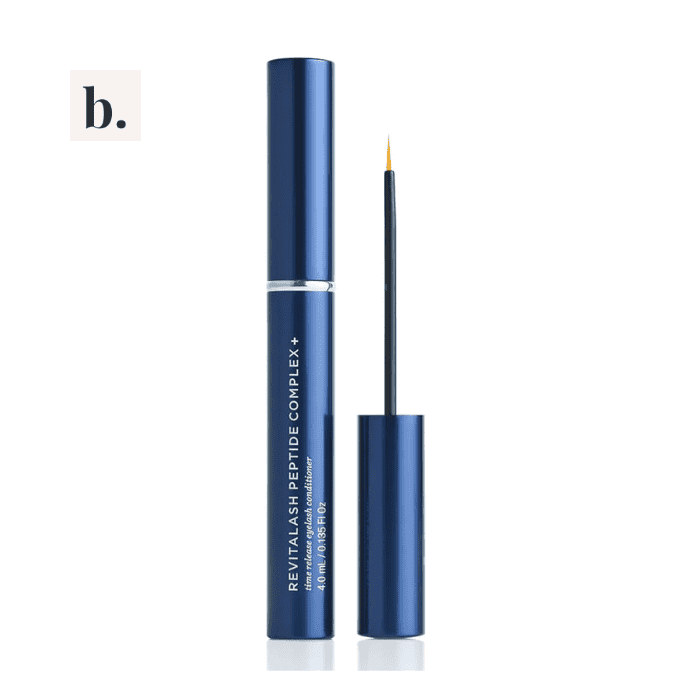
RevitaLash Cosmetics
RevitaLash Peptide Complex+ Time Release Eyelash Conditioner
If you want healthier-looking existing lashes without prostaglandin analogues, RevitaLash Peptide Complex+ offers a peptide-based conditioning option. Its Premium value depends on that benefit, while brand-directed eye and pregnancy precautions matter for…
Read the BeautyBrief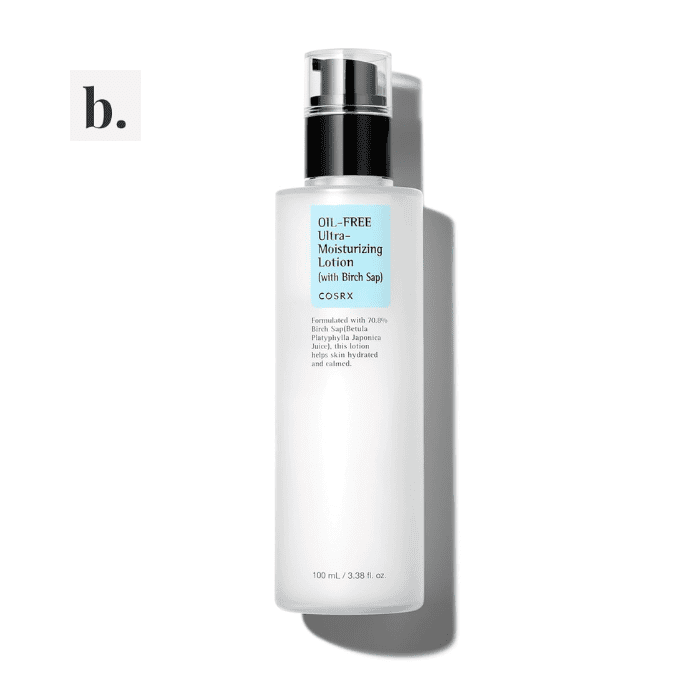
COSRX
Oil-Free Ultra-Moisturizing Lotion with Birch Sap
If you have oily or combination skin and want lightweight hydration, COSRX Birch Sap Lotion combines humectants with dimethicone and other emollients. The 70% birch sap claim does not prove superior hydration,…
Read the BeautyBrief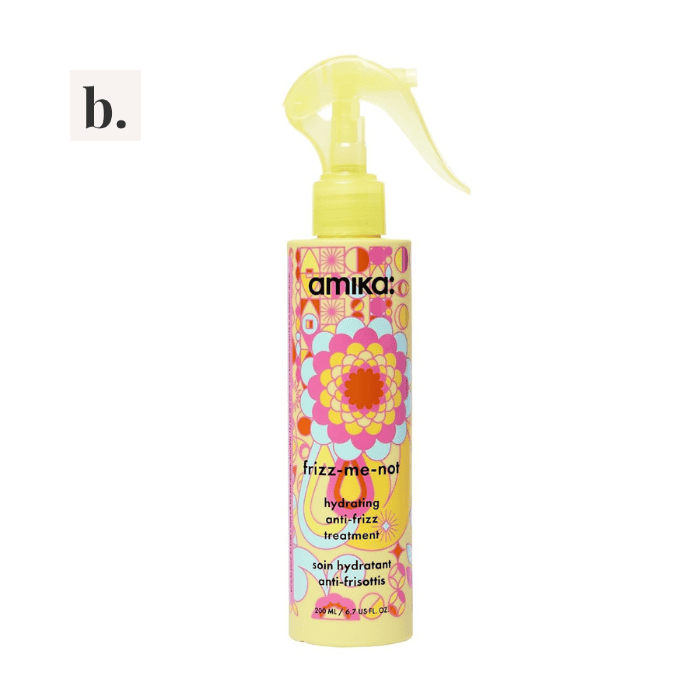
amika
Frizz-Me-Not Hydrating Anti-Frizz Treatment
If you blow-dry or diffuse medium-to-coarse hair, Frizz-Me-Not offers a strong conditioning and humidity-control system. Its brand-reported three-day and thermal claims depend on heat activation, making the Mid-Range price harder to justify…
Read the BeautyBrief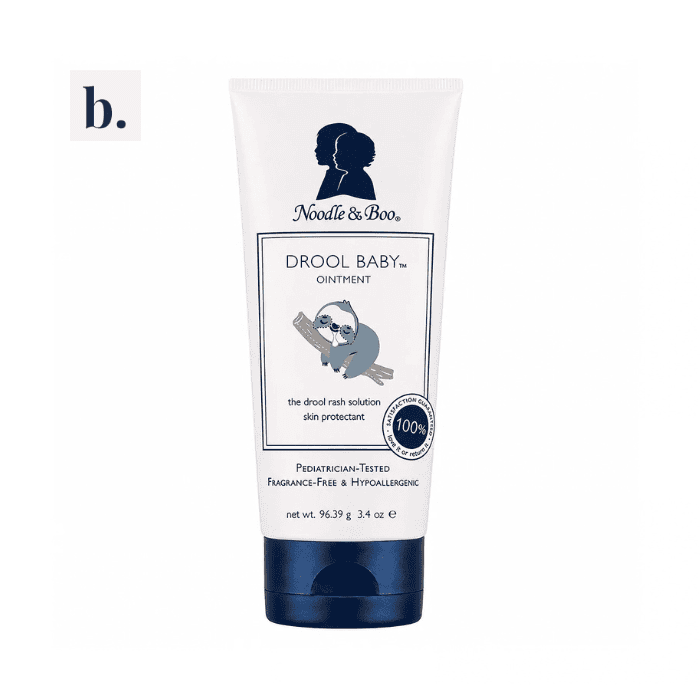
Noodle & Boo
Drool Baby
If your baby's cheeks or chin need a moisture-resistant barrier from repeated drool, Noodle & Boo Drool Baby uses 2% zinc oxide with occlusive ingredients. Its fragrance-free formula suits protective care, but…
Read the BeautyBrief