
Squalane in Skincare
If your skin feels dry or rough, squalane can make it feel softer and smoother. You don't need a separate oil when your moisturizer already keeps your skin comfortable.
- Aliases
- Perhydrosqualene, Dodecahydrosqualene, 2,6,10,15,19,23-Hexamethyltetracosane
- Ingredient category
- Emollient
- Most relevant for
- Dryness
- Evidence strength
- Well Supported for Softening and smoothing dry, rough-feeling skin
- Formula matters
- Product format and the balance of water, humectants, emollients, silicones, lipids, and occlusives determine how useful the finished product is; pure squalane is not automatically a better moisturizer.
- Separate product needed?
- Usually No. A separate squalane oil is usually unnecessary when your moisturizer already keeps skin soft and comfortable.
BB takeaway
Squalane is a dependable softening ingredient, not a treatment active. Choose the complete moisturizer that solves dryness rather than paying more for source or concentration marketing.
Ingredient evidence does not prove the performance of every finished product containing it.
What is squalane?
Squalane is a stable saturated hydrocarbon used widely as a skin-conditioning emollient. Recognized names include perhydrosqualene, dodecahydrosqualene, and 2,6,10,15,19,23-hexamethyltetracosane.[1]
Squalane is closely related to squalene, a lipid found naturally in human sebum. The two are not interchangeable: squalene contains multiple double bonds and oxidizes more readily, while squalane is the more saturated, oxidation-resistant material commonly used in skincare.[2]
You can find squalane in moisturizers, facial oils, serums, cleansers, lip products, eye creams, sunscreens, and makeup. Its main cosmetic role is to soften and smooth the skin rather than act as a targeted treatment.
What does squalane do for skin?
Squalane is an emollient. Its practical job is to make dry, rough-feeling skin feel softer and smoother.
Cosmetic ingredient references classify squalane as a skin-conditioning emollient that softens and smooths the skin.[3]
It can also improve slip and spreadability, which can make a moisturizer, oil, cleanser, or makeup product feel more comfortable to use.
Squalane does not attract water the way glycerin or hyaluronic acid does. It is also not a substitute for the stronger water-sealing role of petrolatum or for the broader lipid system found in some barrier-focused moisturizers.
It is not an acne medicine, exfoliant, brightening ingredient, sunscreen filter, or proven wrinkle treatment.
What the evidence says about squalane skincare
Squalane is well supported for its basic cosmetic role as an emollient that softens and smooths dry, rough-feeling skin.
The evidence is stronger for that established cosmetic function than for the more ambitious claims often attached to squalane. Direct modern human trials that isolate squalane as the only meaningful variable are limited.
A 2024 double-blind randomized study in 32 adults with mild-to-moderate atopic dermatitis compared two complete moisturizers. Both formulas contained squalane along with dimethicone, glycerin, hyaluronic acid, shea butter, and other moisturizing ingredients; the experimental formula added several anti-inflammatory ingredients and performed better on hydration and disease-severity measures.[4]
Because both groups received squalane, that trial does not show that squalane caused the improvement or that pure squalane oil treats eczema.
A 2025 laboratory study in human dermal fibroblasts found that squalane altered several changes associated with UVA-induced oxidative stress, inflammation, and collagen disruption.[5] A second 2025 fibroblast study reported antioxidant and anti-apoptotic effects after UVA exposure.[6] Both are mechanistic cell studies, not clinical evidence that topical squalane prevents photoaging, rebuilds collagen, heals wounds, or provides sun protection in people.
For you, the evidence-backed takeaway is simple: squalane is a dependable softening ingredient. Claims about wrinkle correction, collagen stimulation, UV protection, or eczema treatment need finished-product or clinical evidence beyond squalane’s basic emollient role.
How squalane form and formulation affect results
A nearly pure squalane oil and a moisturizer containing squalane do different jobs.
A facial oil mainly adds emollience and slip. A complete moisturizer can combine squalane with water, humectants, silicones, physiological lipids, and occlusives so it can address hydration, softness, and water loss at the same time.[7]
That is why a moisturizer containing less squalane can be more useful for persistent dryness than a bottle labeled 100% squalane.
Source does not establish performance. Squalane can be produced from plant, synthetic, biotechnology, or animal-derived feedstocks.[3] “Olive-derived,” “sugarcane-derived,” “vegan,” or “sustainably sourced” can be meaningful sourcing information, but those claims do not prove better skin results.
The INCI name Squalane does not tell you the feedstock. If vegan sourcing matters, verify it with the brand rather than inferring it from the ingredient list.
Ingredient-list position is not a quality score. A product with squalane farther down the list can still be the better moisturizer if the complete formula does more for your dryness and feels better to use.
Who may benefit from squalane skincare?
Squalane can be useful when skin feels dry, rough, tight, or uncomfortable and you want more softness without a very heavy finish.
It may also make routines containing retinoids or exfoliating acids feel more comfortable when the underlying routine is otherwise tolerable.
Oily or acne-prone skin can use squalane too, but the ingredient does not guarantee that a finished product is non-comedogenic or breakout-proof.
If dehydration is the main problem, a water-based moisturizer containing humectants is usually more useful than adding oil alone.
Squalane side effects and irritation risk
Squalane has a favorable cosmetic safety record.
In its 2023 re-review, the Expert Panel for Cosmetic Ingredient Safety confirmed that squalane and squalene are safe under the cosmetic practices of use and concentrations reviewed.[2]
That safety conclusion does not guarantee that every finished product will suit you. Fragrance, botanical ingredients, preservatives, another active, or simply an overly rich formula may be the real reason a product stings, causes a rash, or feels breakout-prone.
Stop using a product that causes persistent burning, swelling, severe itching, blistering, or a worsening rash.
How to use squalane in your skincare routine
Use the product according to its format. A moisturizer containing squalane can simply serve as your moisturizing step.
If you use a separate squalane oil, apply a small amount after water-based serums or moisturizer when you want more softness. You can also use it only on dry areas rather than over the entire face.
More oil is not necessarily better. Too much can feel greasy, interfere with makeup or sunscreen, or make an already-rich routine less comfortable.
Squalane can be used morning or night. During the day, it does not replace broad-spectrum sunscreen.
How long does squalane take to work?
The main cosmetic effect can be immediate. Skin may feel softer, smoother, and less tight soon after application because squalane changes the feel of the surface.
Longer-lasting relief from dryness depends on the complete moisturizing system and the reason your skin is dry.
There is not strong evidence for a specific squalane timeline for barrier repair, acne, pigmentation, wrinkle reduction, or collagen improvement.
If a separate squalane oil adds no meaningful comfort after regular use, there is little reason to keep the extra step.
What can you use with squalane?
Squalane fits easily with most skincare ingredients.
It pairs well with glycerin, hyaluronic acid, ceramides, cholesterol, fatty acids, panthenol, dimethicone, and petrolatum. These ingredients do different jobs within a moisturizing system.
Squalane can also be used with retinoids, vitamin C, benzoyl peroxide, salicylic acid, and exfoliating acids when the routine remains comfortable.
An emollient cannot make an overly irritating routine harmless. If skin keeps burning, peeling, or becoming inflamed, reducing the irritating treatment matters more than adding more oil.
How to choose a squalane product
Choose the product based on the problem you need to solve.
If your skin is dehydrated as well as dry, look for a moisturizer containing water and humectants in addition to squalane. If your moisturizer already hydrates well but your skin still feels rough or tight, a richer cream or a small amount of squalane oil may help.
Judge texture, fragrance, packaging, layering, sunscreen compatibility, and whether the product actually improves comfort for several hours.
Do not assume “100% squalane,” “plant-derived,” “sugarcane-derived,” “olive-derived,” or “bio-identical” means better skincare performance. Those claims describe concentration, source, or positioning—not proven superiority.
Squalane alone does not justify Premium or Luxury pricing. Pay more only when the finished product gives you a meaningful advantage in texture, sourcing transparency, tolerability, packaging, or credible product-level testing.
Do you need a separate squalane oil?
Usually, no.
A well-formulated moisturizer already provides emollient support and may include squalane along with ingredients that hydrate and slow water loss.
A separate oil can make sense when your moisturizer leaves your skin comfortable but not quite soft enough, when you want an adjustable finishing layer for dry areas, or when you prefer a very simple oil product.
You can leave it out when your current moisturizer already solves the problem. Squalane is highly replaceable by other well-tolerated emollients, so it should earn the extra step rather than become a routine requirement.
The BB Perspective
Squalane is a useful, uncomplicated emollient—not a miracle active.
Its best-supported job is to make dry, rough-feeling skin feel softer and improve the sensory quality of a formula. Laboratory research suggesting antioxidant or collagen-related effects is interesting, but it does not justify selling a basic squalane oil as an anti-aging treatment.
For you, the smarter choice is usually a balanced moisturizer that happens to use squalane well. Add a separate oil only when it noticeably improves comfort or texture in a way the rest of the routine does not.
Last reviewed: September 2026
Sources
National Library of Medicine PubChem. Squalane.
PubChem identifies squalane as C30H62 and lists recognized synonyms including perhydrosqualene, dodecahydrosqualene, and 2,6,10,15,19,23-hexamethyltetracosane. This source supports ingredient identity rather than cosmetic efficacy. Return to citation.
Fiume M, Bergfeld WF, Belsito DV, et al. Squalane and Squalene. International Journal of Toxicology. 2023;42(3 Suppl):107S-109S. doi:10.1177/10915818231204276. PMID: 37752766.
The Expert Panel for Cosmetic Ingredient Safety reviewed updated use and safety data and confirmed that squalane and squalene are safe under the cosmetic practices of use and concentrations reviewed. This source also distinguishes the two materials. The assessment addresses cosmetic safety rather than anti-aging efficacy. Return to citation.
COSMILE Europe lists squalane as a skin-conditioning emollient that softens and smooths the skin and notes that it can have animal, synthetic, plant-biotechnology, or plant origin. This supports the established cosmetic function and the need to verify source-specific claims separately. Return to citation.
Prakoeswa CRS, et al. The Role of Moisturizer Containing Anti-inflammatory on Skin Hydration in Mild-Moderate Atopic Dermatitis Patients. Dermatology Research and Practice. 2024;2024:3586393. doi:10.1155/drp/3586393. PMID: 39741562. PMCID: PMC11685320.
This double-blind randomized trial included 32 adults with mild-to-moderate atopic dermatitis. Both study moisturizers contained squalane along with multiple humectants, emollients, and dimethicone; the experimental formula added several anti-inflammatory ingredients and performed better than the control. Because squalane was present in both formulas, the study does not isolate a squalane effect or establish pure squalane oil as an eczema treatment. The researchers acknowledged funding from Paragon Technology and Innovation and declared no conflicts of interest. Return to citation.
Wolosik K, Chalecka M, Gasiewska G, Palka J, Surazynski A. Squalane as a Promising Agent Protecting UV-Induced Inhibition of Collagen Biosynthesis and Wound Healing in Human Dermal Fibroblast. Molecules. 2025;30(9):1964. doi:10.3390/molecules30091964. PMID: 40363772. PMCID: PMC12073650.
This laboratory study exposed cultured human dermal fibroblasts to UVA and found that squalane altered several oxidative-stress, inflammatory, collagen-related, and signaling measures. It is mechanistic evidence and does not establish clinical wrinkle prevention, collagen improvement, wound healing, or photoprotection from topical squalane products in people. Return to citation.
Wolosik K, Chalecka M, Gasiewska G, Palka J, Surazynski A. The Mechanism of Protective Action of Plant-Derived Squalane (2,6,10,15,19,23-Hexamethyltetracosane) Against UVA Radiation-Induced Apoptosis in Human Dermal Fibroblasts. Antioxidants. 2025;14(7):853. doi:10.3390/antiox14070853. PMID: 40722956. PMCID: PMC12291772.
This laboratory study used UVA-exposed human dermal fibroblasts and reported changes in oxidative-stress, DNA-damage, apoptosis, and cell-survival pathways after squalane exposure. It provides additional mechanistic evidence but does not establish clinical photoprotection, anti-aging performance, or sunscreen activity from a topical squalane product. Return to citation.
Draelos ZD. The science behind skin care: Moisturizers. Journal of Cosmetic Dermatology. 2018;17(2):138-144. doi:10.1111/jocd.12490. PMID: 29319217.
This review explains the different roles of humectants, emollients, and occlusive ingredients in moisturizer design. It supports the formula-first distinction between a pure emollient oil and a more complete moisturizer rather than proving a unique treatment benefit for squalane alone. Return to citation.
Products featuring Squalane
These evaluated products list Squalane among the Key Ingredients that meaningfully shape the formula. Inclusion here reflects ingredient relevance, not an endorsement or rating.
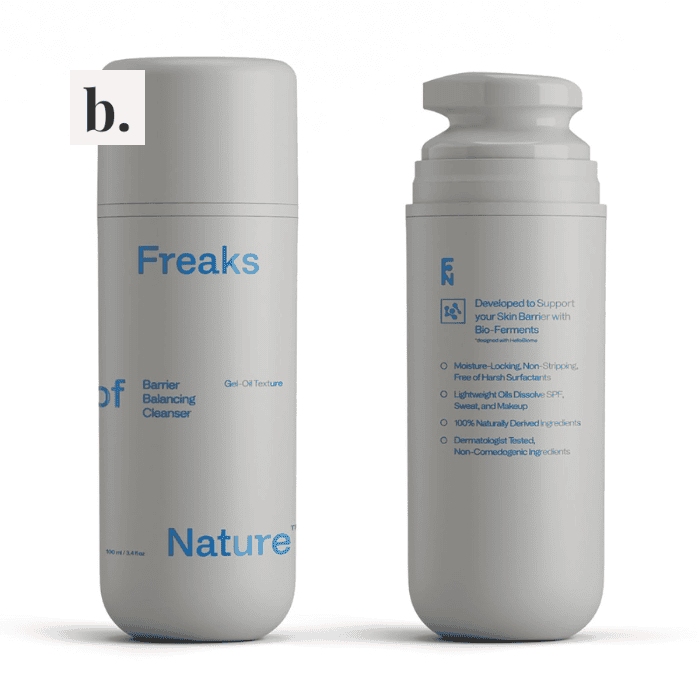
Freaks of Nature
Barrier Balancing Face Wash
If you want a gel-to-oil face wash for sunscreen and daily buildup, this Mid-Range cleanser offers a distinctive milky texture with supportive oils and humectants. Its consumer survey does not establish measured…
Read the BeautyBrief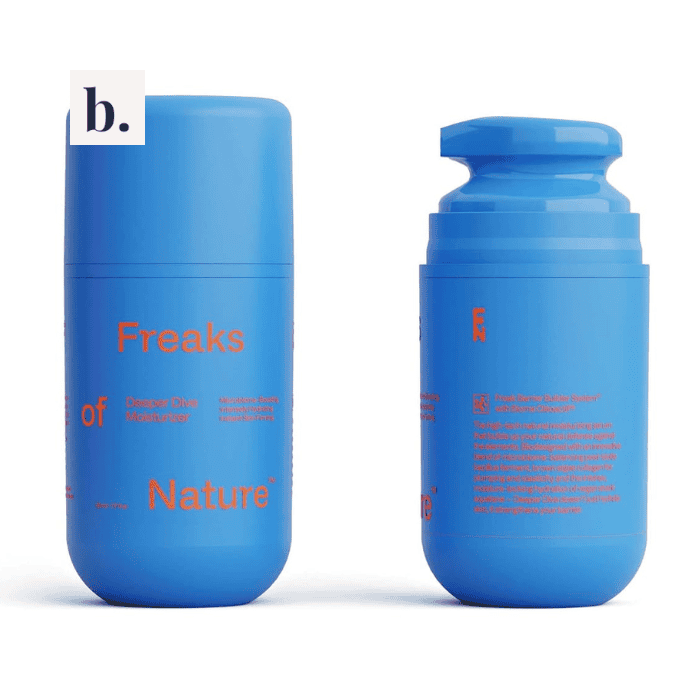
Freaks of Nature
Deeper Dive Hydrator
If you prefer an oil-based moisturizer, Deeper Dive offers a short squalane-and-plant-oil formula for surface softness. Its microbiome test does not establish clearer skin or repaired barrier function, so choose it for…
Read the BeautyBrief
Schaf
Moisturizer 3.0
If you prefer a fragrance-free cream, Schaf Moisturizer 3.0 offers rich emollience alongside niacinamide and bakuchiol. Its Premium value rests on how the texture and ingredient blend suit you, not established retinoid-level…
Read the BeautyBrief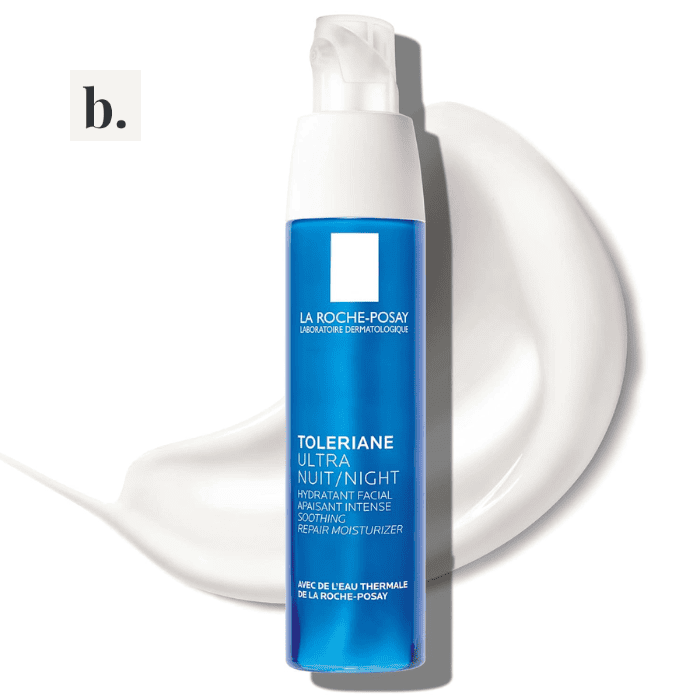
La Roche-Posay
Toleriane Dermallergo Night Moisturizer
If your skin is easily unsettled by fragranced products, Dermallergo Night offers a useful Mid-Range moisturizing option with gentle-feeling texture and protective packaging. Its four-week consumer test supports reported comfort, not treatment…
Read the BeautyBrief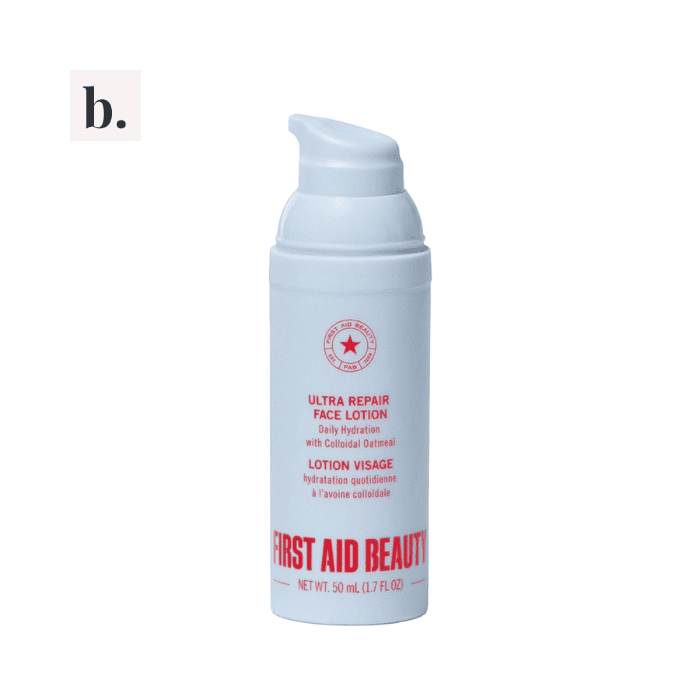
First Aid Beauty
Ultra Repair Face Lotion with Colloidal Oatmeal
If you prefer a lighter daily moisturizer, Ultra Repair Face Lotion combines humectants, emollients and colloidal oatmeal for softness and hydration. Its ingredients provide a barrier-support rationale but do not establish treatment…
Read the BeautyBrief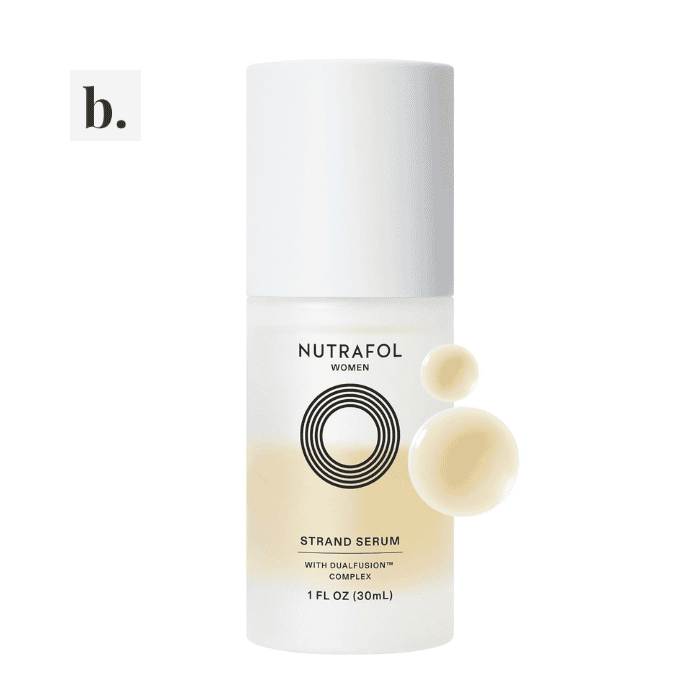
Nutrafol
Strand Serum
If your hair feels fragile, Nutrafol Strand Serum offers conditioning and film support that may help limit breakage. Its Premium value depends on smoothing and protection of existing lengths, while naturally scented…
Read the BeautyBrief