
Cocamidopropyl Hydroxysultaine in Skincare
Cocamidopropyl Hydroxysultaine is a well-established cleansing and foam-supporting surfactant used mainly in rinse-off formulas. The complete surfactant system determines cleansing strength and tolerability.
- Ingredient category
- Cleansing Agent, Surfactant
- Evidence strength
- Well Supported for Cleansing and foam support in rinse-off cosmetic formulas
- Formula matters
- The complete surfactant blend, concentration, pH, contact time, supporting ingredients, and manufacturing controls for impurities determine how the finished cleanser performs.
- Separate product needed?
- Usually No. Usually unnecessary if your current cleanser already removes what you need and leaves skin comfortable.
BB takeaway
Cocamidopropyl Hydroxysultaine is a useful cleansing surfactant, not a treatment active or automatic marker of mildness. Judge the complete cleanser rather than chasing or avoiding the ingredient by name.
Ingredient evidence does not prove the performance of every finished product containing it.
What is cocamidopropyl hydroxysultaine?
Cocamidopropyl Hydroxysultaine is a zwitterionic surfactant used mainly in rinse-off products. In skincare, it helps cleanse and supports foam as part of a broader surfactant system.[1]
It is related in use to Cocamidopropyl Betaine, but it is not the same ingredient. Do not treat the two names as interchangeable.
What does cocamidopropyl hydroxysultaine do for skin?
Its main job is cleansing. It helps the finished cleanser loosen oil, sweat, sunscreen residue, and daily buildup while also contributing to lather.
That makes it useful to formulators, but it does not make a cleanser automatically gentle. The complete surfactant blend, concentration, pH, contact time, and supporting ingredients determine cleansing strength and after-feel.
What the evidence says about cocamidopropyl hydroxysultaine skincare
The evidence is strong for its established cosmetic function as a surfactant used in cleansing systems. COSMILE identifies Cocamidopropyl Hydroxysultaine as a cleansing surfactant and foam-supporting ingredient.[1]
The Expert Panel for Cosmetic Ingredient Safety assessed 13 alkyl sultaines, including Cocamidopropyl Hydroxysultaine, and concluded that the group is safe in cosmetics in the present practices of use and concentration described in the 2024 assessment.[2]
That conclusion supports normal cosmetic use, but it does not establish that every cleanser containing the ingredient is non-irritating. The same assessment reports no sensitization in human repeated-insult patch testing at up to 4% solids, while one study at 2.5% reported slight to moderate irritation after repeated induction patches.[2]
How cocamidopropyl hydroxysultaine form and formulation affect results
Cocamidopropyl Hydroxysultaine usually works as one part of a blended cleansing system. A formula built with stronger co-surfactants behaves differently from one designed for gentler daily cleansing, even when both contain this ingredient.
Manufacturing quality matters too. CIR notes trace amine impurities such as DMAPA in amidopropyl hydroxysultaines and urges manufacturers to minimize DMAPA and related sensitizing impurities through current good manufacturing practices.[2]
The Panel also cautions against formulation conditions that allow N-nitroso compounds to form. Those are manufacturing and formulation-control issues, not evidence that ordinary finished cleansers containing the ingredient are inherently unsafe.[2]
Who may benefit from cocamidopropyl hydroxysultaine skincare?
Cocamidopropyl Hydroxysultaine is relevant in rinse-off cleansers designed to remove daily buildup while providing noticeable foam.
The ingredient itself does not define skin-type fit. Dry, oily, sensitive, and acne-focused cleansers all use surfactant systems differently, so formulas containing it still behave very differently.
If your current cleanser already removes what you need without persistent tightness, stinging, or residue, there is little reason to seek out this surfactant by name.
Cocamidopropyl hydroxysultaine side effects and irritation risk
CIR’s 2024 assessment concluded that the reviewed alkyl sultaines are safe in current cosmetic use and concentrations.[2] Human testing summarized in that assessment did not show Cocamidopropyl Hydroxysultaine acting as a routine sensitizer under the tested conditions, although repeated exposure produced slight to moderate irritation in one patch study.
Allergic contact dermatitis is possible. A published case report described a patient with a positive patch-test reaction to Cocamidopropyl Hydroxysultaine, while control subjects tested negative.[3] A single case establishes possibility, not a population allergy rate.
If a cleanser repeatedly causes burning, swelling, itching, or an eczema-like rash, stop using the finished product. Ingredient-list guessing cannot identify the trigger reliably when a cleanser contains multiple surfactants, preservatives, fragrance materials, and other potential irritants or allergens.
How to use cocamidopropyl hydroxysultaine in your skincare routine
Use the finished cleanser as directed and rinse thoroughly. There is no special application method required because Cocamidopropyl Hydroxysultaine appears on the ingredient list.
If your routine already includes salicylic acid, retinoids, benzoyl peroxide, or leave-on exfoliating acids, pay attention to total irritation rather than judging this surfactant in isolation.
How long does cocamidopropyl hydroxysultaine take to work?
Its cleansing effect happens during washing. It contributes to the finished cleanser’s ability to remove oil and residue and to produce lather during use.
There is no meaningful multi-week treatment timeline for the ingredient itself. Longer-term changes in comfort or dryness reflect repeated use of the complete cleanser and the rest of the routine.
What can you use with cocamidopropyl hydroxysultaine?
It is commonly formulated with other surfactants and moisture-supporting ingredients. Ingredients such as glycerin and ceramides help shape the overall formula, but they do not make an overly aggressive cleansing system gentle.
For your routine, the useful question is whether the finished cleanser fits your other products rather than whether this surfactant has a special compatibility rule.
How to choose a cocamidopropyl hydroxysultaine product
Judge the cleanser, not the surfactant name. Look at the complete surfactant blend, fragrance, treatment actives, product pH when known, rinse feel, and how much oil, sunscreen, or makeup you actually need to remove.
Foam level is a sensory feature, not proof that a cleanser is more effective or gentler.
Cocamidopropyl Hydroxysultaine alone does not justify Premium pricing. Pay more only when the complete cleanser provides a meaningful advantage in formula, tolerability, usability, packaging, testing, or finished-product performance.
Do you need a separate cocamidopropyl hydroxysultaine cleanser?
Usually, no.
This is a functional cleansing ingredient, not a treatment active. If another cleanser already removes what you need and leaves skin comfortable, there is no routine gap that requires Cocamidopropyl Hydroxysultaine.
The BB Perspective
Cocamidopropyl Hydroxysultaine is a useful, well-established surfactant for cleansing and foam support. Its value comes from how it performs inside a complete cleanser.
Do not treat the ingredient as proof that a wash is gentle, and do not avoid it by default because isolated irritation or allergy is possible. Choose the cleanser by cleansing level, comfort, and routine fit.
Last reviewed: September 2026
Sources
COSMILE Europe. Cocamidopropyl Hydroxysultaine.
COSMILE identifies Cocamidopropyl Hydroxysultaine as a cleansing surfactant and foam-supporting ingredient. This source supports established cosmetic function rather than finished-product mildness or treatment claims. Return to citation.
Burnett CL, Bergfeld WF, Belsito DV, et al. Safety Assessment of Alkyl Sultaines as Used in Cosmetics. International Journal of Toxicology. 2024;43(1 Suppl):30S-49S. doi:10.1177/10915818231221791. PMID:38127844.
The Expert Panel for Cosmetic Ingredient Safety assessed 13 alkyl sultaines, including Cocamidopropyl Hydroxysultaine, and concluded that the group is safe in cosmetics in the present practices of use and concentration described in the assessment. The report includes human irritation and sensitization data and discusses DMAPA and N-nitrosation controls. The article discloses that the supplement was sponsored by Cosmetic Ingredient Review and that CIR is financially supported by the Personal Care Products Council. This source supports safety conditions, formulation controls, and use context rather than a claim that every finished cleanser is non-irritating. Return to citation.
Guin JD. Reaction to Cocamidopropyl Hydroxysultaine, an Amphoteric Surfactant and Conditioner. Contact Dermatitis. 2000;42(5):284. PMID:10789849.
This case report describes a patient with a positive patch-test reaction to Cocamidopropyl Hydroxysultaine. Five control subjects tested with the ingredient were negative. The report establishes that allergic contact dermatitis is possible but does not establish how often it occurs in ordinary cosmetic users. Return to citation.
Products featuring Cocamidopropyl Hydroxysultaine
These evaluated products list Cocamidopropyl Hydroxysultaine among the Key Ingredients that meaningfully shape the formula. Inclusion here reflects ingredient relevance, not an endorsement or rating.
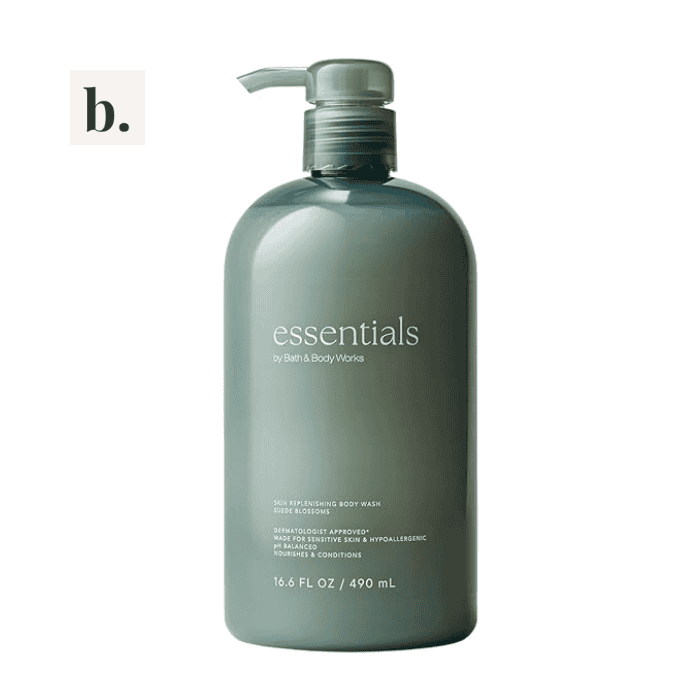
Bath & Body Works
Suede Blossoms Skin Replenishing Body Wash
If you enjoy sueded-jasmine fragrance and tolerate scented cleansers, this wash pairs a sulfate-free cleansing system with glycerin for comfort-focused daily use. Its hypoallergenic and dermatologist-approved positioning does not guarantee fragrance tolerance…
Read the BeautyBrief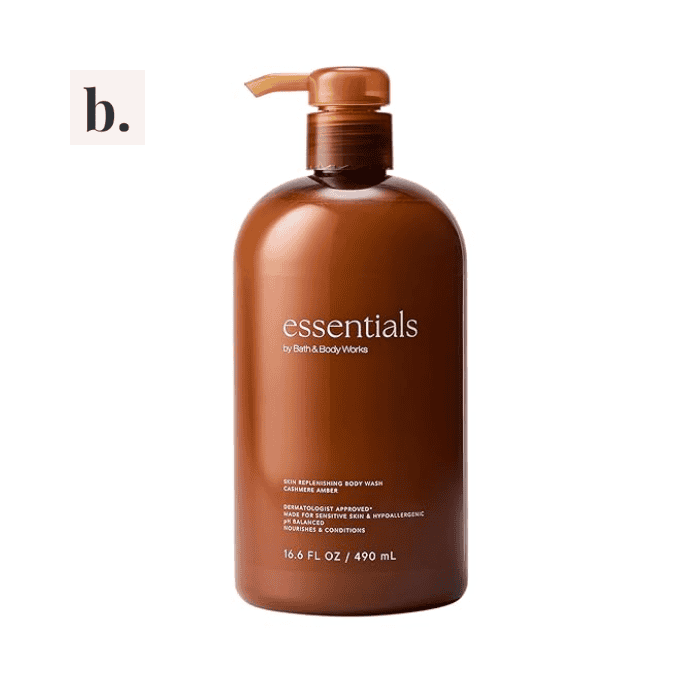
Bath & Body Works
Cashmere Amber Skin Replenishing Body Wash
If you enjoy citrus-amber fragrance and tolerate scented cleansers, this wash pairs a sulfate-free cleansing system with glycerin for comfort-focused daily use. Its hypoallergenic and dermatologist-approved positioning does not guarantee fragrance tolerance…
Read the BeautyBrief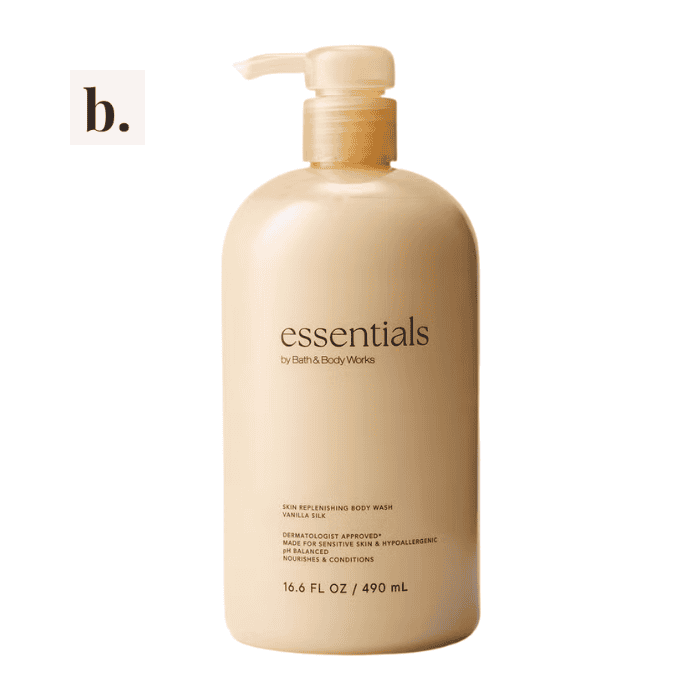
Bath & Body Works
Vanilla Silk Skin Replenishing Body Wash
If you enjoy vanilla fragrance and tolerate scented cleansers, this wash pairs a sulfate-free cleansing system with glycerin for comfort-focused daily use. Its hypoallergenic and dermatologist-approved positioning does not guarantee fragrance tolerance…
Read the BeautyBrief
Dermalogica
Daily Glycolic Cleanser
If you want glycolic acid built into cleansing, this is a Premium gel wash with a conditioning base and a disclosed 3% concentration. If your skin reacts to citrus oils or you…
Read the BeautyBrief
Beauty of Joseon
Green Plum Refreshing Cleanser
If you prefer a lightweight daily gel cleanser, you get a straightforward formula with glycerin, plum water and gentle foaming agents. The brand reports no sensitization in a small four-week test, but…
Read the BeautyBrief
Skinfix
Hydrating Foaming Oil Cleanser
If your dry skin wants foam without added scent, Skinfix offers a glycerin-led conditioning wash. Its current ectoin marketing conflicts with the published INCI, so that ingredient benefit is unverified. At the…
Read the BeautyBrief