

Tatcha The Dewy Skin Cream Review
BeautyBrief™
Brand
Tatcha
Product
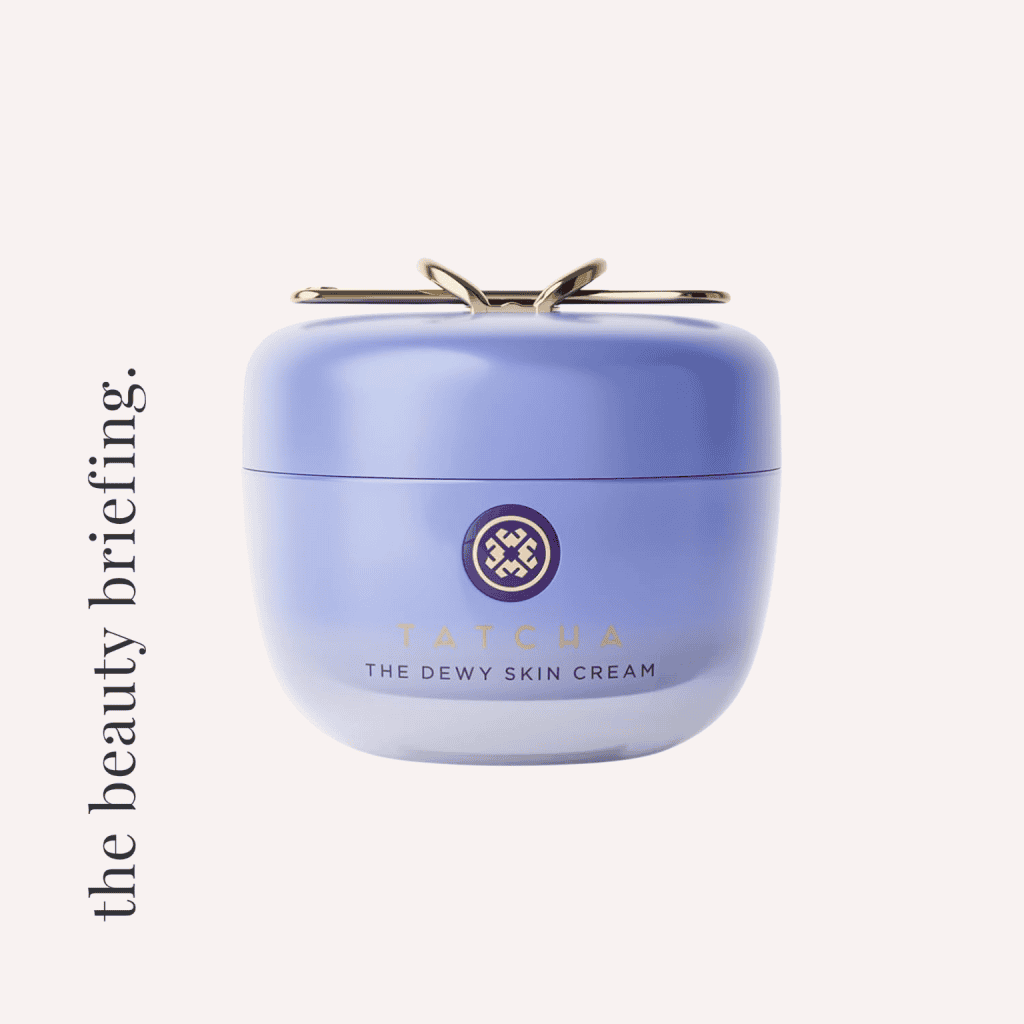
The Dewy Skin Cream
Claims check
You get documented brand-reported finished-product hydration and dry-line results, but the small published study summaries do not establish permanent wrinkle correction or superiority over simpler moisturizers.
Shopper fit
- Dry
- Normal
- Combination
Formula flags
- Fragrance
- Drying alcohols
- Silicones
- Added color
Shopper preferences
- Cruelty-Free
- Non-Comedogenic
- Dermatologist-Tested
Key ingredients
| Glycerin | Provides core humectant support for immediate and sustained hydration. |
|---|---|
| Squalane | Adds emollient softness and supports moisture retention in dry and dry-leaning skin. |
| Sodium Hyaluronate | Adds further water-binding support within the richer moisturizing system. |
| Dimethicone | Supports slip, surface smoothing, and moisture retention in the cream base. |
| Saccharomyces/Rice Ferment Filtrate | A high-listed fermented-rice ingredient in the blend; its separate contribution to skin appearance is not established by the published product study. |
Price tier
$$$ Premium
Value check
At the Premium tier, you pay for rich moisture, a dewy cosmetic finish, refillable packaging and finished-product hydration data; the best value depends on how much those features matter to you.
Where to buy
We may earn a commission through these links at no additional cost to you. This does not affect our BeautyBrief.
Bottom line
If your skin is dry or dry-leaning and you like a luminous finish, this offers a rich Premium moisturizer with relevant hydration testing. If you avoid fragrance or prefer a minimalist cream, simpler options offer dependable moisture without the additional sensory ingredients.
If you have dry or dry-leaning skin and want a distinctly luminous finish, Tatcha The Dewy Skin Cream combines glycerin, squalane, sodium hyaluronate, rich emollients and dimethicone in a cushioned moisturizer. It also has brand-reported clinical and instrumental hydration results, giving you more product-specific information than ingredient claims alone.
At the Premium tier, your main purchase decision is whether you value the rich dewy finish enough to pay more. Its added fragrance, alcohol, silicones and decorative color ingredients are relevant to your preferences and tolerance, though their presence does not cancel the measured hydration results.
What it claims
Tatcha calls The Dewy Skin Cream a rich, line-plumping moisturizer for dry and combination-to-dry skin, promising improved hydration, luminosity, the appearance of dry fine lines and skin-barrier comfort. It describes a refillable format and explicitly identifies the finished product as dermatologist tested, non-comedogenic and cruelty-free.[1]
The brand reports a 225% increase in skin moisturization after one application, immediate improvements in the appearance of plumpness, suppleness and radiance among study participants, and an 88% improvement response for the look of dry fine lines after two weeks. Tatcha attributes results to clinical testing with 36 panelists and bio-instrumentation with 30 panelists; its online presentation does not provide the full protocols, controls or individual effect sizes. You should read the percentages as brand-reported findings for specific study endpoints, not a prediction of how much your own wrinkles or pigmentation will change.[1]
Claims vs. formula
Glycerin and sodium hyaluronate provide water-binding support, while squalane, diisostearyl malate, myristyl myristate, behenyl alcohol and dimethicone contribute the richer emollient texture and help soften the appearance of surface dryness. This blend makes the formula’s moisturizing role credible without depending on the botanical story.
Independent moisturizer science distinguishes humectants, emollients and occlusives as complementary ways of managing dry skin. A more hydrated outer layer can temporarily make fine lines look softer, but that appearance change is not the same as restructuring deep wrinkles or reversing skin aging. The scientific review did not test Tatcha’s finished product.[2]
Saccharomyces/rice ferment filtrate appears second in the official ingredient list. Green tea, algae, rice bran and other botanicals help define Tatcha’s signature approach; tocopherol also has an antioxidant role in cosmetics. Their presence does not establish a clinical advantage over another well-formulated moisturizer or prove reversal of UV damage.
Tatcha’s finished-product data makes a stronger case for moisturization and the look of dryness-related fine lines than for long-term wrinkle correction. You are buying hydration and sensory finish first, with ingredient-level antioxidant context rather than a demonstrated substitute for sunscreen or other preventive care.
Ingredients that matter
Glycerin is an important humectant, and sodium hyaluronate adds another water-binding route. Squalane and other emollients make the cream feel richer, while dimethicone contributes slip and moisture retention. Those functions work as a system; none needs to be treated as a standalone anti-aging treatment.
Saccharomyces/rice ferment filtrate gives the product a distinctive fermented-rice component, but its high position on the label does not reveal the concentration or performance of every fermentation-derived compound. The finished product’s published results are more directly useful to your purchase decision than assumptions about a single ferment.
The full INCI lists parfum/fragrance, alcohol, citral, limonene and linalool. It also includes mica, tin oxide, titanium dioxide and Violet 2, which contribute to its cosmetic presentation. Alcohol appears well below the main emollients, so its mere presence does not establish that the cream is drying. The silk-derived ingredient sericin also means this is not a vegan formula.

Glycerin
If your skin feels dry or tight, glycerin helps your skin hold moisture. You don't need a high percentage or a separate serum when your moisturizer already works well.
Read the IngredientBrief
Squalane
If your skin feels dry or rough, squalane can make it feel softer and smoother. You don't need a separate oil when your moisturizer already keeps your skin comfortable.
Read the IngredientBrief
Hyaluronic Acid
If your skin feels dry or tight, hyaluronic acid helps your skin hold moisture. You don't need several HA forms or a separate serum when your moisturizer already hydrates well.
Read the IngredientBrief
Dimethicone
Dimethicone is a well-supported silicone emollient and skin-protecting ingredient that improves slip, smoothness, and surface comfort. Its real moisture benefit depends on the complete moisturizer or skin-protectant formula.
Read the IngredientBriefSafety and regulatory context
For shoppers with known fragrance sensitivity, the fragrance mixture and named scent components are a more concrete concern than the product’s luxury positioning. The U.S. Food and Drug Administration identifies fragrances among common cosmetic allergens and advises checking ingredient lists and avoiding known triggers.[3]
Added color and the presence of titanium dioxide in this cosmetic cream do not mean it provides sun protection. Use a labeled sunscreen when UV protection is the goal. Follow Tatcha’s directions to massage the cream over your face, neck and décolletage after other skincare, morning or night.[1]
What to expect in the short term
You get a richer moisturizer with a deliberately dewy finish, especially noticeable when your skin starts dry or dull from dehydration. Tatcha’s hydration data supports short-term moisturization and its reported immediate improvements in skin appearance, but your experience will depend on how your skin responds to the texture and formula.
What to expect over time
With consistent application, you can reasonably look for maintained moisture, a softer surface and a reduction in the appearance of fine lines associated with dryness. Tatcha reports improvement in dry fine lines after two weeks, but that endpoint does not establish permanent wrinkle correction, collagen rebuilding or a change in skin’s biological age.
If dryness persists despite regular use, compare your routine and moisturizer texture rather than assuming that adding more botanical ingredients will solve the problem.
Who it fits
This is most relevant if your skin is dry or dry-leaning combination and you enjoy a plush moisturizer that leaves visible radiance. Its rich feel and product-specific hydration testing can make it an appealing Premium purchase when finish and experience matter alongside moisture.
If your skin is very oily, fragrance-reactive, or you dislike a luminous finish under makeup, a lighter fragrance-free moisturizer is often a more natural fit. Tatcha’s dermatologist-tested and non-comedogenic statements are exact-product attributes, not a guarantee that every shopper will tolerate the formula.
Compare before you buy
Choose Tatcha if you want rich hydration, a noticeable dewy finish, a refillable option and publicly reported finished-product hydration results. These features distinguish it from a basic moisturizer, but they do not show that it is the only route to well-hydrated skin.
Choose a simpler fragrance-free cream if daily comfort and barrier maintenance matter more than finish, fragrance or luxury packaging. A lower-priced formula with effective humectants and emollients may be a better value when you do not specifically want Tatcha’s sensory profile.
Final Assessment
Tatcha The Dewy Skin Cream provides a rich Premium moisturizer with credible moisturizing ingredients and brand-reported study results for hydration and dryness-related fine lines. Its value is strongest when you want its dewy finish and refillable format; fragrance, lower-listed alcohol, silicones and added color are shopper-fit considerations, while the clinical summary does not establish permanent anti-aging effects.
Where to buy
Choose a retailer to view current pricing and availability.
We may earn a commission through these links at no additional cost to you.
Last reviewed: October 2026
Sources
- Tatcha. The Dewy Skin Cream. Official U.S. product page, full INCI, directions, shopper attributes and 36-person clinical/30-person bio-instrumentation summaries. Accessed October 14, 2026.
- Purnamawati S, Indrastuti N, Danarti R, Saefudin T. The Role of Moisturizers in Addressing Various Kinds of Dermatitis: A Review. Clinical Medicine & Research. 2017;15(3–4):75–87. doi:10.3121/cmr.2017.1363. General moisturizer science, not a study of this Tatcha cream.
- U.S. Food and Drug Administration. Allergens in Cosmetics. U.S. regulatory guidance on fragrance allergens and avoiding known triggers. Accessed October 14, 2026.

