
Snail Mucin in Skincare
Snail mucin is an animal-derived skin-conditioning ingredient with some human support for hydration and smoother-feeling skin. Species, processing, percentage, and the complete formula matter more than the snail claim alone.
- Aliases
- Snail Secretion Filtrate, Snail Mucus, Snail Slime
- Ingredient category
- Conditioning Agent
- Most relevant for
- Dryness
- Evidence strength
- Some Support for Improving skin hydration and comfort with specific topical snail-secretion formulas
- Formula matters
- Snail species, collection and processing, filtrate composition, percentage, vehicle, and supporting moisturizers all matter; a higher Snail Secretion Filtrate number does not guarantee better results.
- Separate product needed?
- Usually No. Most routines do not need a separate snail mucin serum; one makes sense only if it adds useful lightweight hydration beyond your current moisturizer.
BB takeaway
Snail mucin has credible but product-specific support for hydration and smoother-feeling skin. Choose the complete formula rather than paying more for high percentages or unproven regeneration, scar, acne, or wrinkle claims.
Ingredient evidence does not prove the performance of every finished product containing it.
What is snail mucin?
Snail mucin is the mucus produced by snails. In cosmetics, it is typically collected, filtered, and processed before being added to a formula; on an ingredient list, it commonly appears as Snail Secretion Filtrate.
It is not one standardized active. Snail mucus is a complex biological material, and its composition can vary with the snail species, diet, collection method, purification, and processing.[1]
That matters when you shop. Two products can both advertise snail mucin and still use meaningfully different raw materials.
Snail mucin is animal-derived, so it is not vegan. If animal-welfare sourcing matters to you, look for specific collection information rather than assuming a general cruelty-free claim explains how the secretion was obtained.
What does snail mucin do for skin?
Its most useful cosmetic role is lightweight skin conditioning and hydration support.
In a good essence, serum, or moisturizer, snail mucin can help skin feel less tight, softer, and smoother. Many snail formulas deliver that hydration in a light, slippery texture rather than a heavy cream.
That benefit is useful, but it is also replaceable. Glycerin, hyaluronic acid, panthenol, and other moisturizing ingredients can meet the same basic need.
Snail mucin should not be assumed to treat acne, fade established scars, rebuild collagen, heal wounds, or repair every damaged skin barrier simply because laboratory research describes regenerative activity.
What the evidence says about snail mucin skincare
Human evidence is encouraging, but it is still product-specific.
A 2023 systematic review included 10 human clinical studies of snail-derived products and reported improvements across measures including hydration, transepidermal water loss, texture, signs of aging, and recovery in some procedure or medical settings.[2] The studies used different snail materials, combination formulas, and treatment settings, so the findings do not create one universal result for Snail Secretion Filtrate.
In a three-month randomized vehicle-controlled study, 50 women with photoaged skin used either an active snail-derived regimen or matched vehicle products. The active regimen improved transepidermal water loss, roughness, firmness, and elasticity more than vehicle, while fine lines and wrinkles improved in both groups without a significant between-group difference.[3]
That regimen combined snail secretion filtrate, snail egg extract, and other active ingredients, so the result cannot be credited to snail mucin alone.
A smaller randomized split-face study in 25 adults with moderate-to-severe photoaging tested an 8% snail-secretion emulsion plus a 40% serum against placebo products for 12 weeks. The active side showed improvement in periocular wrinkles and texture, but the study was small and evaluated a specific two-product Cryptomphalus aspersa secretion regimen.[4]
For acne, a randomized placebo-controlled study of 66 people found fewer inflammatory mask-related acne lesions with a serum containing snail secretion filtrate plus calendula and licorice root extract.[5] Non-inflammatory lesions and measured skin-biophysics outcomes were not significantly different, and several active ingredients were tested together. That does not establish snail mucin as an acne treatment by itself.
For your routine, the most defensible expectation is hydration and smoother-feeling skin from specific snail-derived formulas. Anti-aging, acne, scar, and wound-healing claims need evidence from the exact finished product.
How snail mucin form and formulation affect results
Species, collection, purification, processing, and the finished formula all matter.
A claim such as “96% snail secretion filtrate” usually refers to the proportion of processed filtrate used in the formula. It does not mean the bottle contains 96% pure mucin protein, hyaluronic acid, glycolic acid, allantoin, or any other single constituent.
That makes percentage comparisons weak. A higher snail number does not prove better hydration, better sourcing, or stronger anti-aging performance.
The rest of the formula often matters more. A watery snail essence may add lightweight hydration but still need moisturizer over it. A cream that combines snail filtrate with glycerin, emollients, or ceramides may provide more lasting comfort for dry skin.
Give more weight to the finished product’s texture, supporting ingredients, tolerability, and human testing than to the biggest snail percentage on the label.
Who may benefit from snail mucin skincare?
Snail mucin makes the most sense if you want lightweight hydration and like essence or gel-serum textures.
It can fit dehydrated skin, combination or oily skin that dislikes rich creams, or routines that need an extra hydrating layer under moisturizer.
Dry skin can use it too, but a thin snail essence may not be enough by itself. If your skin stays tight, prioritize a more complete moisturizer.
Snail mucin is a lower-priority purchase if your main goal is treating acne, fading dark spots, improving scars, or correcting established wrinkles. Those concerns have better-supported options.
If your current moisturizer or serum already keeps your skin comfortable, you do not need snail mucin specifically.
Snail mucin side effects and irritation risk
Published human studies generally report good short-term tolerability, but the studies are too small and too product-specific to define a reliable reaction rate for the entire category.[2]
A finished product can still cause stinging, itching, redness, swelling, or breakouts. Preservatives, fragrance, botanical extracts, or other ingredients may be responsible.
If your skin is highly reactive or you have reacted to snail-derived cosmetics before, patch-test the complete formula first.
Stop using it if you develop persistent burning, hives, swelling, or a spreading rash.
Do not apply an ordinary cosmetic snail product to an open wound, burn, or fresh procedure site unless the clinician managing your care approves that exact product.
How to use snail mucin in your skincare routine
Use it according to the product format.
A thin essence or serum usually goes after cleansing and before moisturizer. A snail cream can serve as your moisturizer if it provides enough comfort.
You can use it morning or evening. During the day, finish with broad-spectrum sunscreen.
Snail mucin does not require a “purge.” If a new snail product triggers worsening breakouts, look at the complete formula rather than continuing because you expect an adjustment period.
How long does snail mucin take to work?
If the formula suits your skin, hydration and softness can improve within the first few uses.
You should be able to tell within a few weeks whether the product adds useful day-to-day comfort or simply duplicates another hydrating step.
Anti-aging studies measured changes over roughly eight to 12 weeks, but they tested specific products or multi-product regimens.[3][4] Those timelines should not be turned into a promise that any snail essence will improve wrinkles by week 12.
If the product does not improve comfort, causes breakouts, or adds no value to your routine, the snail-mucin label is not a reason to keep it.
What can you use with snail mucin?
Snail mucin fits easily with most common skincare ingredients.
It can be used alongside niacinamide, vitamin C, exfoliating acids, benzoyl peroxide, and retinoids when the complete routine remains comfortable.
A hydrating snail product may make a treatment routine feel less dry, but it does not neutralize irritation from overusing acids, retinoids, or acne treatments.
There is no established reason to separate snail mucin from common actives because of a specific ingredient incompatibility.
How to choose a snail mucin product
Start with the job the product needs to do.
If you want lightweight hydration, an essence or serum can make sense. If your skin is truly dry, a lotion or cream with emollients and moisture-sealing ingredients may offer better value.
Do not chase the highest snail percentage. The number does not tell you the composition, quality, sourcing, stability, or clinical performance of the filtrate.
If animal welfare matters to you, look for specific sourcing and collection information. “Cruelty-free” alone may not explain how the snail secretion was obtained.
Be skeptical of claims that snail mucin heals acne, fades established scars, rebuilds collagen, closes wounds, or replaces proven anti-aging treatment. Human cosmetic evidence does not support assuming those benefits from the ingredient name alone.
Snail mucin alone does not justify Premium pricing. Pay more only when the complete formula offers a meaningful advantage in texture, hydration, packaging, sourcing transparency, tolerability, or credible finished-product testing.
Do you need a separate snail mucin serum?
Usually, no.
A separate snail product can earn a place if you enjoy the texture, want an extra lightweight hydration step, and notice better comfort without irritation or breakouts.
Skip it if your moisturizer already works, your routine already has enough hydrating layers, or you are buying it mainly for unproven acne, scar, or anti-aging claims.
If you prefer to avoid animal-derived ingredients, glycerin, hyaluronic acid, panthenol, and other non-snail hydrators can meet the same practical need.
The BB Perspective
Snail mucin has more human evidence than its novelty might suggest, but it is still not one standardized active.
The strongest shopper case is hydration and smoother-feeling skin from a specific well-formulated product. The evidence becomes less transferable when brands move into scar repair, acne treatment, collagen rebuilding, or wrinkle-reversal claims.
Buy the formula for hydration, texture, tolerability, sourcing, and value. Do not buy the biggest snail percentage or pay extra for a regeneration story the finished product has not proven.
Last reviewed: September 2026
Sources
Rashad M, Sampò S, Cataldi A, Zara S. From Nature to Nurture: The Science and Applications of Snail Slime in Health and Beauty. Journal of Cosmetic Dermatology. 2025;24(2):e70002. doi:10.1111/jocd.70002. PMID:39973020. PMCID:PMC11840295.
This 2025 review describes snail slime as a complex biological material whose composition and properties can vary with species, environmental conditions, collection, and processing. It reviews cosmetic, biomedical, laboratory, and emerging uses, so not every biological effect applies to ordinary skincare. One author was affiliated with the International Institution of Heliciculture of Cherasco-Lumacheria Italiana Srl.; the authors declared no conflicts of interest. Return to citation.
Aflatooni S, Boby A, Natarelli N, Albers S. Snails and Skin: A Systematic Review on the Effects of Snail-based Products on Skin Health. Journal of Integrative Dermatology. Published online October 31, 2023. doi:10.64550/joid.my5hzr63.
This systematic review included 10 human clinical studies of snail-derived products. Reported benefits included hydration, reduced transepidermal water loss, signs of aging, antimicrobial outcomes, and recovery in some procedure or medical contexts. The studies varied substantially in product composition, study design, sample size, and use setting, so the review supports interest in snail-derived formulas rather than a universal claim for Snail Secretion Filtrate. The authors reported no funding or conflicts of interest. Return to citation.
Lim VZ, Yong AA, Tan WPM, Zhao X, Vitale M, Goh CL. Efficacy and Safety of a New Cosmeceutical Regimen Based on the Combination of Snail Secretion Filtrate and Snail Egg Extract to Improve Signs of Skin Aging. Journal of Clinical and Aesthetic Dermatology. 2020;13(3):31-36. PMID:32308795. PMCID:PMC7159309.
This double-blind randomized vehicle-controlled study enrolled 50 women ages 45 to 65. The active regimen improved transepidermal water loss, roughness, firmness, and elasticity, while both active and vehicle groups improved fine lines and wrinkles. The regimen combined snail secretion filtrate, snail egg extract, and other ingredients, so it does not isolate snail mucin. Cantabria Labs funded the study; one author was an employee and another served on its advisory board. Return to citation.
Fabi SG, Cohen JL, Peterson JD, Kiripolsky MG, Goldman MP. The Effects of Filtrate of the Secretion of the Cryptomphalus aspersa on Photoaged Skin. Journal of Drugs in Dermatology. 2013;12(4):453-457. PMID:23652894.
This double-blind randomized split-face study enrolled 25 adults with moderate-to-severe facial photodamage and tested an 8% secretion-containing emulsion plus a 40% serum against placebo products for 12 weeks. The active side showed improvement in periocular wrinkles and texture. The trial was small and evaluated one specific two-product Cryptomphalus aspersa secretion regimen rather than snail mucin as a broad cosmetic category. The accessible abstract does not identify a funding source or conflict-of-interest statement, so commercial involvement could not be independently assessed. Return to citation.
Puaratanaarunkon T, Washrawirul C, Chuenboonngarm N, Noppakun N, Asawanonda P, Kumtornrut C. Efficacy and Safety of a Facial Serum Containing Snail Secretion Filtrate, Calendula officinalis, and Glycyrrhiza glabra Root Extract in the Treatment of Maskne: A Randomized Placebo-Controlled Study. Journal of Cosmetic Dermatology. 2022;21(10):4470-4478. doi:10.1111/jocd.15190. PMID:35763437.
This randomized double-blind study enrolled 66 people with mild-to-moderate mask-related acne. The combination serum reduced inflammatory lesions more than placebo, while non-inflammatory lesions and measured skin-biophysics outcomes were not significantly different. Because snail secretion filtrate was tested with calendula and licorice root extract, the study does not establish snail mucin as an acne treatment by itself. The study received Program Management Unit Competitiveness (PMUC) Grant C10F640014; the authors reported no conflicts of interest. Return to citation.
Products featuring Snail Mucin
These evaluated products list Snail Mucin among the Key Ingredients that meaningfully shape the formula. Inclusion here reflects ingredient relevance, not an endorsement or rating.
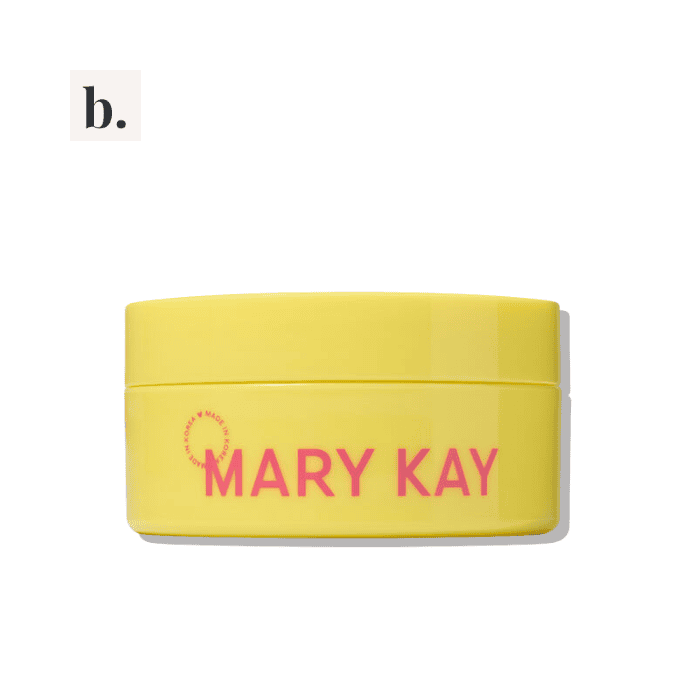
Mary Kay
Special-Edition Mary Kay Snail Gel Face Patches
If you want a short hydrogel mask step, Mary Kay Snail Gel Patches offer temporary hydration. Their animal-derived mucin excludes vegan fit, and their Mid-Range value rests on convenience rather than lasting…
Read the BeautyBrief
Peach Slices
Snail Rescue All-in-One Oil Free Moisturizer
If you like light snail-mucin hydration, this gel offers useful Budget value. If you avoid animal-derived ingredients or need clinical acne treatment, choose another moisturizer.
Read the BeautyBrief
COSRX
Advanced Snail 92 All in One Cream
If you enjoy an elastic gel-cream and want finished-product hydration data, COSRX offers a distinctive Mid-Range option. If you avoid snail-derived ingredients or silicones, or need richer moisture, another cream is a…
Read the BeautyBrief
Peach Slices
Snail Rescue Purifying Cleanser
If you like a hydrating gel wash, Peach Slices uses snail secretion filtrate and gentle-feeling surfactants. Rosemary essential oil matters to scent-reactive skin, and collection results should not be mistaken for cleanser…
Read the BeautyBrief
COSRX
Advanced Snail Mucin Gel Cleanser
If you prefer cleansing with snail filtrate, COSRX combines foam surfactants and 10,000 ppm snail mucin. Its fragrance may not suit reactive skin, and the wash is not a leave-on snail essence…
Read the BeautyBrief