

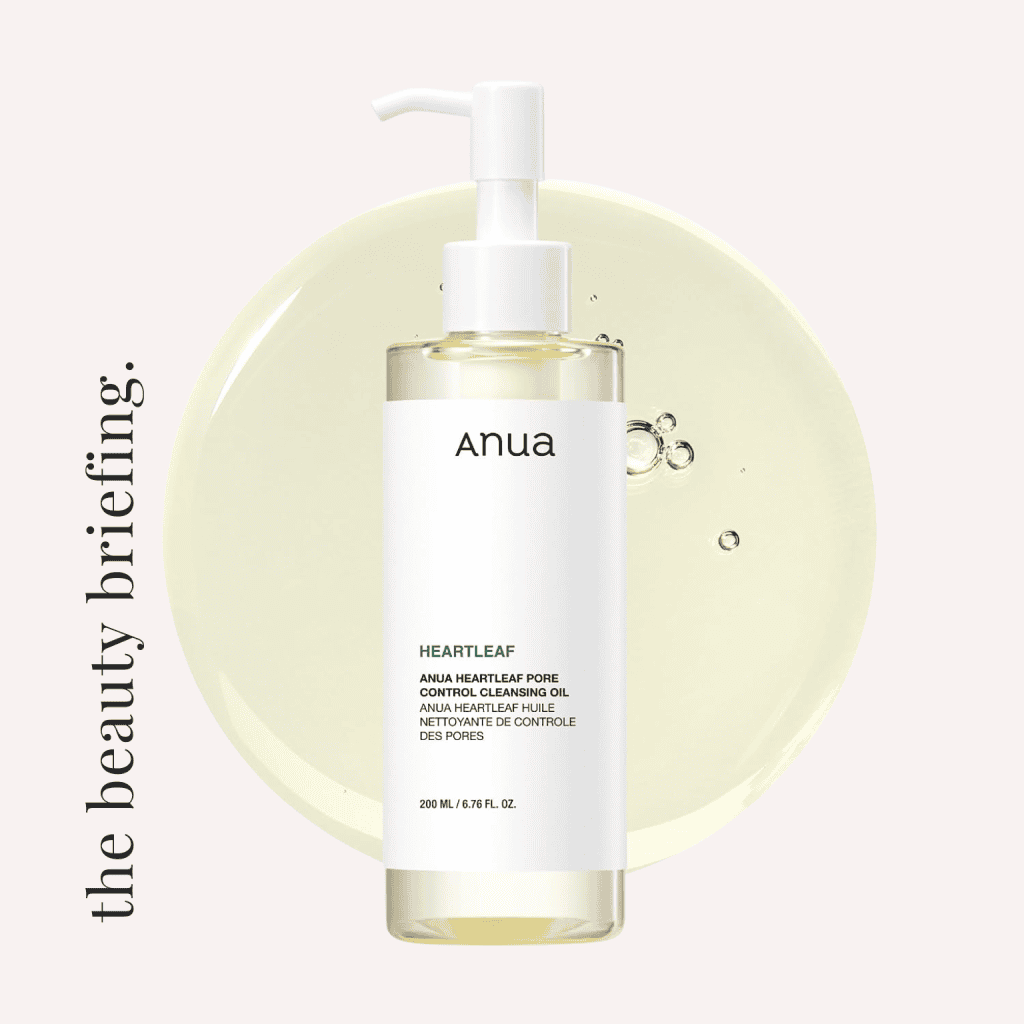
Anua Heartleaf Pore Control Cleansing Oil Review
BeautyBrief™
Brand
Anua
Product
Heartleaf Pore Control Cleansing Oil
Claims check
If you want an emulsifying cleansing oil, Anua supports makeup and sebum removal, but a short-term sebum result does not prove permanently clearer pores.
Shopper fit
- Dry
- Normal
- Combination
- Oily
Formula flags
- Fragrance
Shopper preferences
- Cruelty-Free
- Non-Comedogenic
- Hypoallergenic
Key ingredients
| Ethylhexyl Palmitate | Helps dissolve makeup, sunscreen, and oily residue. |
|---|---|
| Sorbeth-30 Tetraoleate | Helps the oil emulsify with water and rinse away cleanly. |
| Sorbitan Sesquioleate | Adds more rinse-off support. |
| Caprylic/Capric Triglyceride | Adds slip and helps dissolve oily residue. |
| Butyl Avocadate | Supports Anua's oil-control positioning without proving lasting sebum reduction. |
Price tier
$$ Mid-Range
Value check
At the Mid-Range tier, you pay for makeup removal and a fluid oil texture, not proven long-term sebum suppression.
Where to buy
We may earn a commission through these links at no additional cost to you. This does not affect our BeautyBrief.
Bottom line
If you wear makeup or sunscreen, Anua's emulsifying oil provides a convenient first cleanse. Added fragrance can limit sensitive-skin fit, and its short-term sebum result does not guarantee fewer clogged pores. At the Mid-Range tier, the value lies in rinse-off cleansing rather than treatment.
If you wear makeup or sunscreen and want a fluid first cleanser that emulsifies cleanly, Anua Heartleaf Pore Control Cleansing Oil gives you a Mid-Range option with strong removal performance. The main fit issue is fragrance: Anua markets it to sensitive skin even though the current U.S. formula still contains added fragrance.
What it claims
Anua says the cleansing oil dissolves makeup, sebum, impurities, and sunscreen in one step without leaving a greasy residue. The current U.S. page identifies it as non-comedogenic, hypoallergenic, low-irritation, cruelty-free, suitable for all skin types, and especially gentle for sensitive and breakout-prone skin.[1]
The brand also reports a 22.8% change in sebum amount from clinical testing. The public page does not provide enough protocol detail, participant information, comparison data, or duration to show how meaningful or lasting that change is.[1]
Claims vs. formula
Ethylhexyl palmitate and caprylic/capric triglyceride form the main oil-soluble cleansing base. They help dissolve foundation, sunscreen filters, sebum, and other oily residue without requiring aggressive rubbing.
Ethylhexyl palmitate carries a BB Comedogenic Concerns flag as an ingredient-level caution. That is not proof that the finished rinse-off cleanser clogs pores, especially because Anua identifies the finished product as non-comedogenic.
Sorbeth-30 tetraoleate and sorbitan sesquioleate help the oil turn milky with water and rinse away instead of behaving like a plain facial oil.
Butyl avocadate supports the oil-control story, while sunflower, macadamia, olive, jojoba, grape-seed, and moringa oils add slip. In a rinse-off formula, those oils mainly support cleansing feel rather than acting like leave-on treatments.
Heartleaf extract appears late in the stored formula. Fragrance is the more important fit limitation because FDA notes that some fragrance ingredients can trigger allergic reactions or sensitivities in susceptible people.[2]
Ingredients that matter
Ethylhexyl palmitate, caprylic/capric triglyceride and plant oils help dissolve sunscreen, sebum and makeup. Sorbeth-30 tetraoleate and sorbitan sesquioleate let the oil emulsify and rinse away rather than staying on your skin.
The heartleaf extract is late in the formula, while fragrance appears sixth. Anua reports a 22.8% change in sebum amount under its stated testing but does not establish lasting reduction of sebum production or independent clearing of clogged pores. An ingredient-level comedogenicity score cannot tell you whether the rinsed finished cleanser clogs your pores.

Ethylhexyl Palmitate
Ethylhexyl Palmitate is a silky emollient. Concentrated testing on the backs of selected men showed comedogenic potential, but that does not establish that every finished product containing it will clog…
Read the IngredientBrief
Caprylic/Capric Triglyceride
Caprylic/Capric Triglyceride is a common emollient and occlusive that adds softness, slip, and moisture support to skincare formulas. Its value depends on the complete product, not the ingredient name alone.
Read the IngredientBrief
Jojoba Oil
Jojoba oil is a well-established emollient that softens skin and improves formula slip. Its wax-ester composition is useful, but human evidence does not establish it as an acne treatment or…
Read the IngredientBrief
Fragrance
Fragrance is a scent blend added mainly for sensory appeal. Many shoppers tolerate it well, while specific fragrance materials can trigger irritation or allergic contact dermatitis in susceptible people.
Read the IngredientBriefSafety and regulatory context
Anua identifies this exact cleansing oil as non-comedogenic, hypoallergenic-tested and cruelty-free, supporting those shopper designations.[1] However, its full INCI lists Fragrance, making sensitive-skin compatibility dependent on individual tolerance.
Ethylhexyl palmitate is a useful oil solvent and an ingredient-level consideration for some clog-prone users, but its presence alone does not prove this finished rinse-off product causes acne. Use it as the brand directs on dry skin, emulsify with water, then rinse.
What to expect in the short term
Applied to dry skin, the oil loosens makeup, sunscreen, and oily residue. Adding water activates the emulsifiers so the formula turns milky and carries the dissolved residue away during rinsing.
Anua directs you to follow with a water-based cleanser, so the product is designed as the first step of a double-cleanse routine.[1]
What to expect over time
The repeat-use value is practical removal rather than treatment. It can make makeup and sunscreen removal easier and reduce the need for aggressive rubbing, but it does not permanently shrink pores or establish lasting sebum reduction.
At the Mid-Range tier, you are paying for a fluid oil texture, efficient emulsification, broad removal power, and a polished first-cleanse experience. Fragrance-sensitive shoppers can get the same core function from simpler alternatives.
Who it fits
This makes the most sense if your skin is dry, normal, combination, or oily and you want a dedicated first cleanse for makeup or sunscreen.
If your skin is fragrance-reactive or you are choosing it specifically because Anua calls it gentle for sensitive skin, a fragrance-free cleansing oil is easier to justify. Very clog-prone shoppers may also prefer a different emollient base even though the finished product is labeled non-comedogenic.
Compare before you buy
Choose Anua Heartleaf Pore Cleansing Oil Mild when fragrance-free cleansing is the priority.

Choose Neutrogena Ultra Light Cleansing Oil when you want a lower-priced first cleanse and already tolerate fragrance.
Read the BeautyBriefFinal Assessment
If you need an oil cleanser for makeup and sunscreen, Anua Heartleaf Pore Control combines emollients with rinse-off emulsifiers. Its sebum test and non-comedogenic label are useful but do not prove durable pore clearing, and fragrance matters for scent-reactive skin. At the Mid-Range tier, its value comes from makeup removal and oil texture rather than a treatment effect.
Where to buy
Choose a retailer to view current pricing and availability.
We may earn a commission through these links at no additional cost to you.
Last reviewed: October 2026
Sources
Anua. Heartleaf Pore Control Cleansing Oil. Official product page, accessed October 14, 2026; exact-product claims, directions and ingredient disclosure where available.
U.S. FDA. Fragrances in Cosmetics. Supplemental regulatory or company policy reference.
