
Sodium Cocoyl Glycinate in Skincare
Sodium cocoyl glycinate is a cleansing surfactant used in rinse-off formulas. The full surfactant blend determines mildness.
- Ingredient category
- Cleansing Agent, Conditioning Agent, Surfactant
- Evidence strength
- Well Supported for Cleansing function in rinse-off cosmetic formulations
- Formula matters
- What you experience depends on the complete cleansing system, including concentration, companion surfactants, pH, contact time, fragrance, treatment actives, and conditioning ingredients.
- Separate product needed?
- Usually No. You do not need a dedicated sodium cocoyl glycinate cleanser if another cleanser already cleans effectively and leaves your skin comfortable.
BB takeaway
You do not need to seek out or pay more for sodium cocoyl glycinate by itself. Judge the finished cleanser by how well it cleans and how your skin feels after rinsing.
Ingredient evidence does not prove the performance of every finished product containing it.
What is sodium cocoyl glycinate?
Sodium cocoyl glycinate is an amino-acid-derived surfactant used mainly in rinse-off cleansers. The name reflects a sodium salt built from glycine and fatty-acid components associated with coconut-oil-derived feedstocks.[1]
You may see it grouped with other amino-acid-derived cleansing ingredients, but it is not interchangeable with sodium cocoyl glutamate, sodium lauroyl glycinate, or other similarly named surfactants. The exact INCI and the finished formula still matter.
What does sodium cocoyl glycinate do for skin?
Its main role is cleansing. COSMILE Europe identifies sodium cocoyl glycinate as a cleansing surfactant and a skin-conditioning ingredient.[1] In practical terms, it helps a rinse-off cleanser do its basic job while also contributing to the overall feel of the formula.
It is not a treatment active. If you see sodium cocoyl glycinate on a label, that alone does not establish acne control, hydration, barrier repair, or sensitive-skin suitability.
What the evidence says about sodium cocoyl glycinate skincare
The strongest support is for its established cosmetic functions rather than a special treatment benefit. COSMILE Europe lists cleansing and skin-conditioning roles for sodium cocoyl glycinate.[1]
The Cosmetic Ingredient Review Expert Panel included sodium cocoyl glycinate in a safety assessment of 115 amino acid alkyl amides. The Panel concluded that the ingredients reviewed are safe in cosmetics under the assessed practices of use and concentration when formulated to be non-irritating.[2] For you, that supports ordinary cosmetic use, but it does not guarantee that every cleanser containing sodium cocoyl glycinate will feel mild on your skin.
How sodium cocoyl glycinate form and formulation affect results
You cannot judge a cleanser’s strength from sodium cocoyl glycinate alone. Concentration, companion surfactants, pH, contact time, fragrance, treatment actives, humectants, conditioning ingredients, and the rest of the formula all influence how the finished cleanser behaves.
Ingredient-list position also does not tell you the exact percentage or whether sodium cocoyl glycinate is the main reason a formula feels comfortable after rinsing. Judge the complete cleansing system rather than treating one surfactant name as a shortcut.
Who may benefit from sodium cocoyl glycinate skincare?
If you are choosing a rinse-off cleanser and want effective everyday cleansing without making maximum oil removal the goal, sodium cocoyl glycinate can be a useful formula detail. Its presence makes the most sense as part of a balanced cleansing system rather than as the reason to buy the product.
If your current cleanser already removes what you need it to remove and leaves your skin comfortable, you do not need to switch just to get sodium cocoyl glycinate.
Sodium cocoyl glycinate side effects and irritation risk
Sodium cocoyl glycinate is not irritation-proof. The CIR conclusion is tied to the assessed cosmetic uses and to formulas designed to be non-irritating.[2]
If cleansing repeatedly leaves your skin tight, stingy, or increasingly uncomfortable, judge the complete cleanser rather than assuming one surfactant is responsible. The full surfactant blend, pH, fragrance, treatment ingredients, wash frequency, and the rest of your routine can all affect tolerance.
How to use sodium cocoyl glycinate in your skincare routine
You do not need a special application method because sodium cocoyl glycinate appears on the ingredient list. Use the finished cleanser according to its directions and rinse thoroughly.
If washing repeatedly leaves your skin tight or stingy, reduce cleansing intensity or frequency rather than chasing a different surfactant name.
How long does sodium cocoyl glycinate take to work?
The cleansing effect happens during washing. Sodium cocoyl glycinate does not need weeks of use to build a separate treatment benefit.
If your skin becomes more or less dry or comfortable over time, look at the complete cleanser and the rest of your routine rather than crediting or blaming this ingredient alone.
What can you use with sodium cocoyl glycinate?
You do not need to plan ingredient pairings around sodium cocoyl glycinate. A cleanser containing it can fit into many routines as long as the finished cleansing step is comfortable for your skin.
If you also use retinoids, exfoliating acids, benzoyl peroxide, or other potentially irritating products, the practical question is whether your total routine remains tolerable. A conditioning surfactant does not cancel out over-cleansing or an overly aggressive routine.
How to choose a sodium cocoyl glycinate product
Do not choose a cleanser simply because sodium cocoyl glycinate is present. Compare the full surfactant blend, fragrance, treatment actives, texture, foam level, rinse, and how your skin feels afterward.
Sodium cocoyl glycinate does not justify Premium pricing by itself. Pay more only when the finished cleanser gives you a meaningful advantage in performance, tolerability, testing, texture, packaging, or usability.
Do you need a separate sodium cocoyl glycinate cleanser?
Usually no. You do not need a dedicated cleanser just to get sodium cocoyl glycinate. If another cleanser already cleans effectively and leaves your skin comfortable, there is no routine gap to fill.
The BB Perspective
Sodium cocoyl glycinate is a useful cleansing surfactant, but it is not an ingredient you need to chase. When you see it on a label, treat it as one part of the cleanser’s overall surfactant system.
Its reputation for gentler cleansing still needs formula context. Companion surfactants, pH, concentration, fragrance, treatment ingredients, and how often you cleanse all influence whether the finished product actually feels mild.
Choose the cleanser that cleans well without leaving your skin uncomfortably tight or stingy. Sodium cocoyl glycinate can be a positive supporting detail, but it is not a reason by itself to pay more.
Last reviewed: October 2026
Sources
COSMILE Europe. Sodium Cocoyl Glycinate.
Ingredient reference identifying sodium cocoyl glycinate as a cleansing surfactant and skin-conditioning ingredient. It supports the ingredient’s established cosmetic functions rather than finished-product mildness or treatment claims.
The CIR Expert Panel assessed 115 amino acid alkyl amides, including sodium cocoyl glycinate, and concluded they are safe in reviewed cosmetic uses when formulated to be non-irritating. This is a safety assessment, not a test of finished-cleanser mildness. The authors declared no conflicts; CIR sponsored the publication and is financially supported by the Personal Care Products Council, a cosmetics-industry trade association.
Products featuring Sodium Cocoyl Glycinate
These evaluated products list Sodium Cocoyl Glycinate among the Key Ingredients that meaningfully shape the formula. Inclusion here reflects ingredient relevance, not an endorsement or rating.
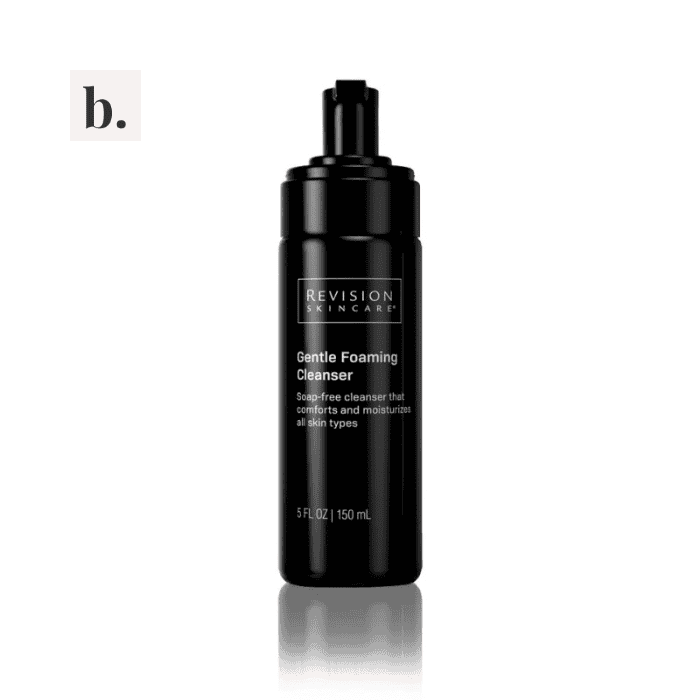
Revision Skincare
Gentle Foaming Cleanser
If you like a foamy cleanser without a tight after-feel, Revision provides an amino-acid-led option with conditioning ingredients. Its Premium value depends on texture and individual comfort rather than a uniquely proven…
Read the BeautyBrief
Neutrogena
Ultra Gentle Cream to Foam Cleanser
If you prefer foam but want a fragrance-free daily wash, Neutrogena offers useful Budget value. If lather still leaves your skin tight, compare a creamier cleanser.
Read the BeautyBrief
Kate Somerville
ExfoliKate® Cleanser Daily Foaming Wash
If you want exfoliation built into a cleanser, ExfoliKate combines AHAs and enzymes in a foaming wash. Its aromatic oils and overlapping actives deserve attention if your skin is easily irritated, and…
Read the BeautyBrief
Kiehl’s
Calendula Deep Cleansing Foaming Face Wash
If you prefer dense foam, Kiehl's provides daily cleansing with glycerin and calendula. Lemon and geranium oils may limit tolerance if you avoid aromatic ingredients. At the Premium tier, choose it for…
Read the BeautyBrief
Vanicream
Gentle Facial Cleanser
If you want a fragrance-free foaming wash, Vanicream combines straightforward surfactants with glycerin for everyday cleansing. Its dermatologist-tested and non-comedogenic claims do not guarantee a perfect fit or make the product an…
Read the BeautyBrief