

Tatcha The Matcha Foam Cleanse Review
BeautyBrief™
Brand
Tatcha
Product
The Matcha Foam Cleanse
Claims check
If you want dense foam for oily skin, Tatcha reports oil-control testing, but no lasting sebum or acne treatment is established.
Shopper fit
- Combination
- Oily
Formula flags
- Fragrance
- Essential oils
- Added color
- Alcohol is listed in the exact product INCI
Shopper preferences
- Cruelty-Free
- Non-Comedogenic
- Dermatologist-Tested
Key ingredients
| Glycerin | Helps the dense foaming cleanse feel less harsh. |
|---|---|
| Sodium Cocoamphoacetate | Provides major cleansing and foam support. |
| Potassium Cocoyl Glycinate | Adds amino-acid-based cleansing support. |
| Inulin | Supports the microbiome-oriented formula story without independently proving a broader skin-microbiome benefit. |
| Illite | Adds surface-oil absorption and supports the clarifying role. |
Price tier
$$$ Premium
Value check
At the Premium tier, you pay for a tested foaming experience, not guaranteed pore reduction or microbiome repair.
Where to buy
We may earn a commission through these links at no additional cost to you. This does not affect our BeautyBrief.
Bottom line
If your oily skin likes rich foam, Tatcha combines cleansing surfactants with clay and botanical ingredients. Added fragrance and citrus oils can be poor fits for reactive skin, while testing does not establish medical acne benefits. At the Premium tier, choose it for texture and tolerance.
If your skin is combination or oily and you like a dense foaming cleanse, Tatcha The Matcha Foam Cleanse gives you a well-tested Premium option for oil control and daily buildup removal. The main tradeoff is the fragranced formula, which also contains bergamot and lemon peel oils, alcohol, and added color.
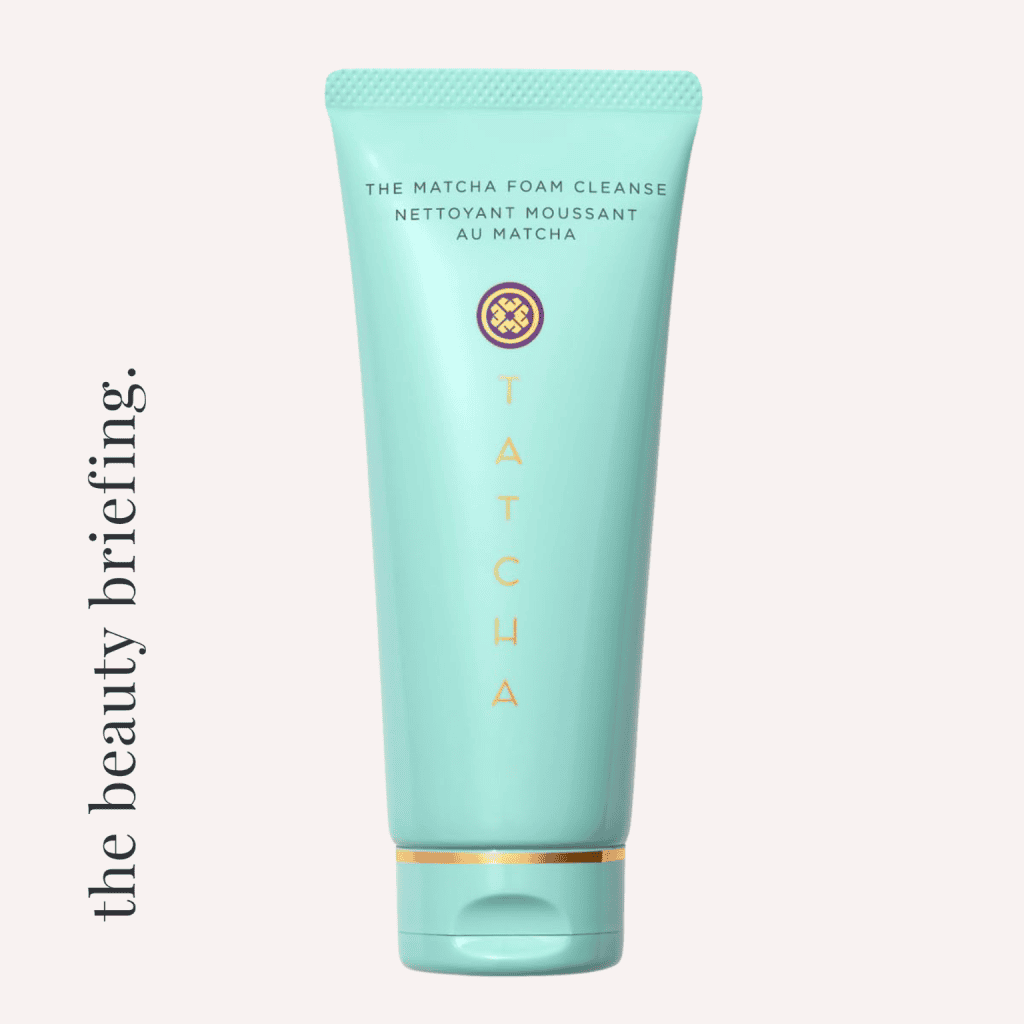
What it claims
Tatcha describes The Matcha Foam Cleanse as a clarifying gel cleanser for oily and combination skin that deeply cleanses, reduces excess oil, visibly refines pores, and supports blemish-prone skin. The current U.S. page identifies it as non-comedogenic, dermatologist-tested, and cruelty-free.[1]
Tatcha reports finished-product results from a 31-participant clinical study, including immediate excess-oil improvement and one-week improvements in excess oil and the look of pores, along with participant-reported comfort, cleansing, and softness.[1]
Claims vs. formula
Glycerin appears second, helping make the denser foaming base feel less harsh on your skin. Sodium cocoamphoacetate, potassium cocoyl glycinate, potassium cocoate, sodium methyl cocoyl taurate, and lauryl glucoside create the cleansing system.
Illite, or green clay, helps absorb surface oil, while inulin, rice ferment filtrate, Camellia sinensis leaf extract, and algae extract add supporting conditioning and microbiome-oriented formula features.
The finished-product testing gives you more useful support for the oil-control and cleansing story than ingredient marketing alone.
Fragrance, bergamot peel oil, lemon peel oil, and other aromatic components matter if fragranced cleansers bother your skin or you prefer a lower-sensory routine.
Ingredients that matter
Glycerin, sodium cocoamphoacetate, potassium cocoyl glycinate and potassium cocoate supply the cleanser’s dense foam and moisture-focused feel. Illite contributes some surface-oil absorption while matcha leaf extract and inulin support botanical and prebiotic ingredient messaging.
The brand describes finished-product oil-control and pore-appearance testing, but these results do not prove long-term sebum suppression or clinical microbiome treatment. Parfum, bergamot peel oil, lemon peel oil, several colorants and alcohol remain in the complete formula.

Glycerin
If your skin feels dry or tight, glycerin helps your skin hold moisture. You don't need a high percentage or a separate serum when your moisturizer already works well.
Read the IngredientBrief
Sodium Cocoamphoacetate
Sodium cocoamphoacetate is a cleansing surfactant used in rinse-off formulas. The full cleanser determines cleansing strength and mildness.
Read the IngredientBrief
Green Tea Extract
Green tea extract is a botanical antioxidant with some human evidence for inflammatory acne in specific topical green tea or EGCG formulas. Catechin content, stability, and finished formulation matter more…
Read the IngredientBrief
Fragrance
Fragrance is a scent blend added mainly for sensory appeal. Many shoppers tolerate it well, while specific fragrance materials can trigger irritation or allergic contact dermatitis in susceptible people.
Read the IngredientBriefSafety and regulatory context
Tatcha marks this exact formula non-comedogenic, dermatologist-tested and cruelty-free on its U.S. site.[1] The same product page discloses added Parfum, aromatic citrus oils, colorants and alcohol.
“Formulated without synthetic fragrances” does not mean fragrance-free when the full INCI lists Parfum and aromatic oils. If scent materials bother your skin, choose a lower-sensory cleanser.
What to expect in the short term
You get a dense, worked-up foam and noticeable oil removal. If your combination or oily skin tolerates fragranced cleansing well, the immediate experience fits the product’s positioning.
What to expect over time
You are buying consistent cleansing and oil control rather than a stand-alone acne treatment. The finished-product testing supports the product story, but if you have persistent breakouts, you still need appropriately targeted care.
At the Premium tier, you get the most value if you specifically want the dense-foam experience plus product-specific testing.
Who it fits
This makes the most sense if your skin is combination or oily and you enjoy substantial foam.
If your skin is dry, peeling, treatment-stressed, or fragrance-reactive, a gentler fragrance-free cleanser is easier to fit into your routine.
Compare before you buy

Choose Youth To The People Superfood Cleanser when you prefer its gel texture and formula profile.
Read the BeautyBrief
Choose Tatcha The Rice Wash when you want a softer, creamier in-brand cleansing experience.
Read the BeautyBriefFinal Assessment
If you have oily or combination skin and enjoy abundant foam, Tatcha Matcha Foam supplies cleansing with oil-absorbing clay and brand-reported testing. Its fragrance, citrus oils and colors complicate fit for reactive skin without adding proven medical acne treatment. At the Premium tier, value depends on the foaming experience and your preference for the formula.
Where to buy
Choose a retailer to view current pricing and availability.
We may earn a commission through these links at no additional cost to you.
Last reviewed: October 2026
Sources
Tatcha The Matcha Foam Cleanse. Official current U.S. product ingredients, usage and supported label claims; accessed October 14, 2026.

