
Sodium Cocoyl Isethionate in Skincare
Sodium Cocoyl Isethionate is a well-established cleansing surfactant often used in syndet bars and gentle washes. Comparative testing supports a relatively mild profile, but the complete surfactant system determines real-world tolerability.
- Aliases
- SCI, Sodium Isethionate Coconut Ester
- Ingredient category
- Cleansing Agent, Surfactant
- Evidence strength
- Well Supported for Cleansing skin in rinse-off formulations containing Sodium Cocoyl Isethionate
- Formula matters
- SCI concentration, companion surfactants, pH, product format, contact time, rinse-off, and conditioning ingredients determine cleansing strength and irritation; SCI presence alone does not guarantee a gentle cleanser.
- Separate product needed?
- Usually No. SCI is one way to build a cleanser, not an ingredient shoppers need to seek out separately.
BB takeaway
SCI is a useful relatively mild cleansing surfactant, not a treatment active. Judge the finished cleanser by cleaning performance and after-wash comfort rather than the surfactant name alone.
Ingredient evidence does not prove the performance of every finished product containing it.
What is sodium cocoyl isethionate?
Sodium Cocoyl Isethionate, often shortened to SCI, is an anionic surfactant made from isethionic-acid derivatives and fatty acids commonly sourced from coconut oil. It is used mainly as a cleansing surfactant.[1]
SCI is especially common in synthetic-detergent, or syndet, cleansing bars. It is not coconut oil and should not be given coconut oil’s skincare claims.
What does sodium cocoyl isethionate do for skin?
SCI helps water remove oils, sunscreen residue, sweat, and debris so they can be rinsed away.
It is valued because formulators can build effective cleansing systems with a relatively mild irritation profile compared with stronger anionic surfactants under some test conditions.
SCI is not a treatment ingredient for acne, pigmentation, wrinkles, or barrier repair.
What the evidence says about sodium cocoyl isethionate skincare
SCI’s cleansing function is well established, and comparative testing supports a relatively mild profile.
The Cosmetic Ingredient Review Expert Panel concluded that SCI and related isethionate salts are safe in current cosmetic uses when formulated to be nonirritating.[2]
In a clinical comparison involving 25 volunteers, 2.9% SCI was tested against Sodium Lauryl Sulfate, soap, and a sulfosuccinate surfactant. SLS ranked as more irritating than SCI in repeated tests, but SCI still produced measurable irritation.[3]
The CIR assessment also summarizes exaggerated occlusive testing in which 5% SCI caused erythema and temporarily increased transepidermal water loss, showing that a relatively mild surfactant can still disrupt skin under prolonged exposure.[2]
Laboratory research suggests SCI’s relatively large micelles may limit penetration compared with harsher surfactants, providing one plausible explanation for its mildness profile.[4]
How sodium cocoyl isethionate form and formulation affect results
The complete surfactant system matters more than SCI by itself. Concentration, other cleansing agents, product pH, contact time, rinse-off, and emollients all affect how the finished cleanser feels.
A higher SCI percentage is not automatically better. More surfactant can increase cleansing power and irritation potential.
Ingredient-list position is also a weak shortcut for mildness.
Who may benefit from sodium cocoyl isethionate skincare?
SCI can be a good fit if you want a foaming rinse-off cleanser without automatically choosing traditional soap or a harsher detergent system.
It often appears in products aimed at normal, dry, or sensitive-feeling skin, but the ingredient alone does not prove that a product is suitable for sensitive skin.
The useful test is whether the finished cleanser removes what you need it to remove without leaving skin persistently tight, rough, itchy, or irritated.
Sodium cocoyl isethionate side effects and irritation risk
SCI can irritate skin at sufficient concentration or exposure. The CIR conclusion specifically depends on products being formulated to be nonirritating.[2]
Patch-test conditions are much harsher than ordinary washing, so they are useful for comparing irritation potential rather than predicting exactly how a daily cleanser will feel.
How to use sodium cocoyl isethionate in your skincare routine
SCI is mainly a rinse-off cleansing ingredient, so use the cleanser as directed and rinse thoroughly.
Longer contact time is not automatically better. If you use retinoids, exfoliating acids, benzoyl peroxide, or other potentially irritating treatments, cleanser comfort matters even more.
How long does sodium cocoyl isethionate take to work?
SCI works during cleansing. There is no meaningful multi-week treatment timeline.
Repeated use tells you whether the cleanser fits your skin; persistent dryness or tightness suggests the overall cleansing system is too aggressive.
What can you use with sodium cocoyl isethionate?
SCI can be part of routines containing moisturizers, retinoids, exfoliating acids, benzoyl peroxide, vitamin C, and other common skincare ingredients.
The practical issue is total irritation rather than a chemical incompatibility.
How to choose a sodium cocoyl isethionate product
Start with the job of the cleanser rather than the surfactant name.
Judge the full surfactant blend and after-wash feel. Do not use “coconut-derived” as a mildness shortcut or chase a high SCI percentage.
Give finished-product tolerability testing more weight than the presence of SCI alone.
SCI itself does not justify Premium pricing.
Do you need a separate sodium cocoyl isethionate cleanser?
Usually, no.
SCI is one way to build a cleansing system, not an ingredient you need to seek out by name.
The BB Perspective
Sodium Cocoyl Isethionate deserves its reputation as a useful mild-cleansing surfactant, but the reputation needs context.
Human comparative testing supports a milder profile than SLS under some conditions, while exaggerated exposure studies show that SCI can still irritate skin.
Treat SCI as a positive formulation clue, not a guarantee. The complete cleanser determines real-world tolerability.
Last reviewed: September 2026
Sources
COSMILE Europe. Sodium Cocoyl Isethionate.
This source establishes SCI’s cleansing and surfactant functions. Return to citation.
Burnett CL, Heldreth B, Bergfeld WF, et al. Amended Safety Assessment of Isethionate Salts as Used in Cosmetics. International Journal of Toxicology. 2017;36(1 Suppl):5S-16S. PMID:28553736.
The CIR assessment supports safety when formulated to be nonirritating and summarizes human irritation and sensitization data. Cosmetic Ingredient Review is funded by the Personal Care Products Council, a cosmetics-industry trade association. Return to citation.
Tupker RA, Bunte EE, Fidler V, et al. Irritancy ranking of anionic detergents using one-time occlusive, repeated occlusive and repeated open tests. Contact Dermatitis. 1999;40(6):316-322. PMID:10385334.
This study compared SCI, SLS, soap, and a sulfosuccinate in 25 volunteers. SCI was less irritating than SLS in repeated tests but still caused measurable irritation. Coauthor J. W. Wiechers was affiliated with surfactant supplier Uniqema International; results varied by exposure method. Return to citation.
Ghosh S, Blankschtein D. Why is sodium cocoyl isethionate mild to the skin barrier? Journal of Cosmetic Science. 2007;58(3):229-244. PMID:17598025.
This laboratory study supports a plausible micelle-size mechanism for relative mildness but was not a finished-product human trial. Return to citation.
Products featuring Sodium Cocoyl Isethionate
These evaluated products list Sodium Cocoyl Isethionate among the Key Ingredients that meaningfully shape the formula. Inclusion here reflects ingredient relevance, not an endorsement or rating.
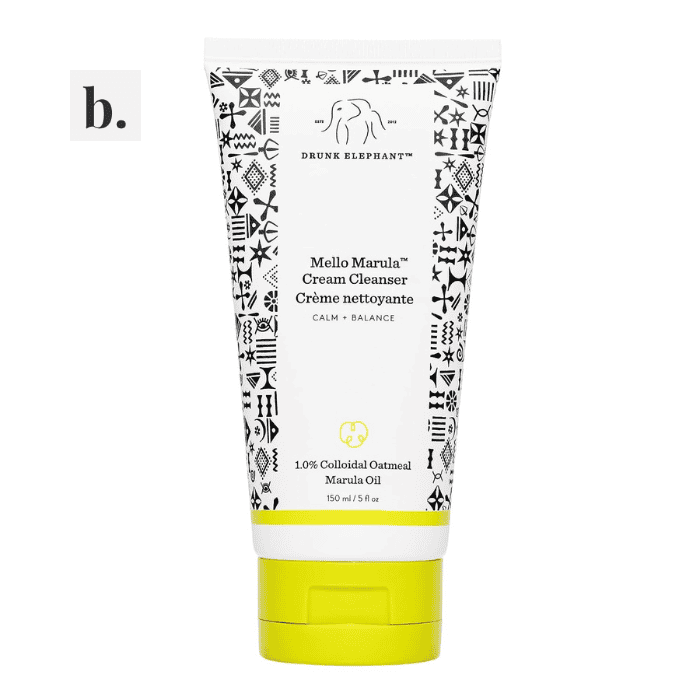
Drunk Elephant
Mello Marula Cream Cleanser
If you want a low-lather cleanser that removes sunscreen and makeup without a tight after-feel, Drunk Elephant Mello Marula combines a mild-leaning surfactant system with emollients and 1% colloidal oatmeal. Its Mid-Range…
Read the BeautyBrief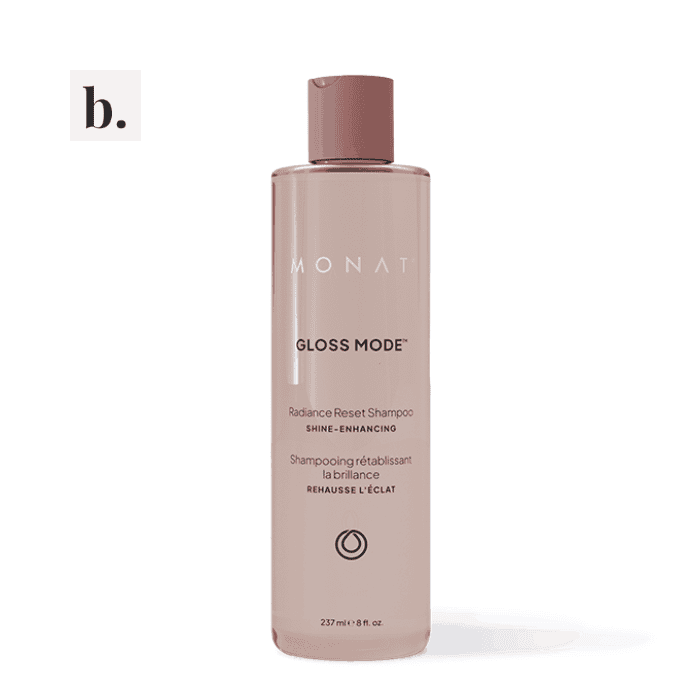
MONAT
GLOSS MODE Radiance Reset Shampoo
If you want a high-foam, sulfate-free shampoo with some surface smoothing, MONAT Radiance Reset suits your balanced or oily scalp and frizz-prone lengths. The 32-person consumer study does not establish permanent repair;…
Read the BeautyBrief
Neutrogena
Ultra Gentle Cream to Foam Cleanser
If you prefer foam but want a fragrance-free daily wash, Neutrogena offers useful Budget value. If lather still leaves your skin tight, compare a creamier cleanser.
Read the BeautyBrief
Beauty of Joseon
Green Plum Refreshing Cleanser
If you prefer a lightweight daily gel cleanser, you get a straightforward formula with glycerin, plum water and gentle foaming agents. The brand reports no sensitization in a small four-week test, but…
Read the BeautyBrief
Round Lab
1025 Dokdo Cleanser
If you like creamy foam, this cleanser offers a conditioning formula for everyday washing. Its added flower oil may affect your preference for a simpler formula. At the Budget tier, you are…
Read the BeautyBrief
COSRX
Advanced Snail Mucin Gel Cleanser
If you prefer cleansing with snail filtrate, COSRX combines foam surfactants and 10,000 ppm snail mucin. Its fragrance may not suit reactive skin, and the wash is not a leave-on snail essence…
Read the BeautyBrief