

What Actually Helps Skin Look Healthy as It Ages
At a glance
What actually makes a difference to your skin as it ages—and which products simply make your routine longer? The answer is less about collecting every celebrated ingredient and more about finding the few steps worth keeping. Some familiar products have strong evidence behind them; others sound essential without earning that status. Here’s how to tell the difference before you buy.
Skincare marketing can make aging feel like a list of problems that each need their own serum.
That is rarely the most useful way to build a routine.
Skin can become drier, more reactive, more uneven in tone, rougher in texture, or more visibly lined over time. You may notice several of those changes, one of them, or very few. No product becomes necessary simply because you reach a particular age.
A better goal is healthy-looking skin: skin that is protected from avoidable ultraviolet damage, kept comfortable and adequately moisturized, and treated selectively when a product has a realistic chance of improving something you care about.
In this Briefing
- Define what you actually want to change
- Put sun protection first
- Make moisturizer do enough work
- Consider a retinoid when it fits the concern
- Where vitamin C fits
- Where niacinamide fits
- When exfoliating acids are worth adding
- How much weight to give peptides
- Avoid routine overload
- Know what topical skincare cannot realistically change
- Build the shortest routine that does the job
- Decide what to buy first
Define what you actually want to change
“Anti-aging” is too broad to be a useful shopping goal.
You may want less dryness, care most about uneven pigmentation, or simply want to reduce additional sun-related damage. Your priorities do not need to match anyone else’s.
Before buying another treatment, name the concern:
- Dryness, tightness, or dehydration lines: improve the moisturizer and cleansing routine first.
- Preventing additional UV damage: make sunscreen easier to use consistently.
- Fine lines, rough texture, or established photoaging: consider whether a retinoid is appropriate.
- Uneven-looking tone: choose one targeted treatment rather than several overlapping brightening products.
- Persistent irritation: simplify before adding another active.
- Loose skin or lost facial volume: recognize that topical skincare has limited ability to change structural concerns.
AAD takes a similar approach in its current anti-aging shopping guidance: start with sunscreen and moisturizer, then focus on the one remaining sign of aging that bothers you most. It specifically notes that no single product treats every sign of skin aging and that using several anti-aging products in a short period can irritate the skin.[1]
That is a much better buying framework than trying to build a routine around every respected ingredient at once.
Put sun protection first
Cumulative ultraviolet exposure contributes to wrinkles, uneven pigmentation, changes in texture and elasticity, and skin-cancer risk.
Sunscreen cannot erase all existing photodamage. It can reduce additional UV exposure, which makes it one of the highest-value steps in a healthy-aging routine.
AAD recommends broad-spectrum, water-resistant sunscreen with SPF 30 or higher and reapplication during continued outdoor exposure.[1]
Do not make this purchase more complicated than it needs to be.
Once the protection requirements are met, compare sunscreens by the factors that determine whether you will actually use enough:
- comfort around the eyes;
- finish on your skin;
- white cast or tint;
- compatibility with your moisturizer;
- water resistance when you need it;
- ease of reapplication;
- package size and price.
The UV-filter category is not the whole product. Evaluate the finished formula whether it uses organic UV filters, zinc oxide, titanium dioxide, or a combination.
A sunscreen you ration, underapply, or avoid because you dislike the texture has poor practical value no matter how sophisticated the formula looks on paper.
Make moisturizer do enough work
Moisturizer is not glamorous, but it can visibly improve skin when dryness is making fine lines, roughness, or dullness more noticeable.
Moisturizers generally combine humectant, emollient, and occlusive functions. These can increase water in the outer skin, smooth the surface, and reduce moisture loss.[2]
That means you do not need an “anti-aging moisturizer” simply because your skin is older.
You need enough moisture for the skin you have now.
If a light gel leaves you comfortable all day, a richer cream is not automatically better. If your skin stays tight or flaky, moving to a cream or ointment can make more sense than adding another hydrating serum.
AAD’s current dry-skin guidance favors creams and ointments over lotions when skin is overly dry and lists ingredients such as glycerin, hyaluronic acid, dimethicone, mineral oil, petrolatum, and shea butter as useful options.[3]
Useful moisturizer ingredients exist at every price tier. Glycerin, ceramides, dimethicone, petrolatum, squalane, and hyaluronic acid can all contribute to a good formula.
Do not turn that into an ingredient checklist. A moisturizer with hyaluronic acid is not automatically more hydrating than one built around glycerin, and a product containing ceramides is not automatically the better barrier cream.
The complete formula, texture, tolerance, and price matter more than the hero ingredient.
Consider a retinoid when it fits the concern
Once sunscreen and moisturizer are working well, a retinoid is one of the more evidence-supported options to consider for visible photoaging.
The strongest evidence belongs to prescription tretinoin.
A 2025 systematic review and meta-analysis included eight randomized controlled trials with 1,361 participants and follow-up ranging from 16 weeks to two years. Compared with vehicle, topical tretinoin significantly improved both fine and coarse facial wrinkles caused by photodamage.[4]
That evidence does not transfer automatically to every over-the-counter retinol product.
Retinoids differ in chemical form, concentration, conversion steps, delivery, packaging, stability, irritation potential, and finished-product evidence.
When comparing options, consider:
- which retinoid the product uses;
- whether the formula is appropriate for your skin;
- how much irritation you can realistically tolerate;
- whether another retinoid is already in your routine;
- the packaging and stability of the finished product;
- whether you are comparing an OTC cosmetic with a prescription medication.
More irritation is not evidence of better anti-aging performance. A product you can use consistently can have more practical value than one that repeatedly forces you into recovery periods.
If you use prescription tretinoin or another prescription retinoid, follow the prescribed plan rather than changing it to accommodate cosmetic products.
Retinoids should also be avoided during pregnancy. AAD’s current pregnancy skincare guidance includes both prescription and over-the-counter retinoids among ingredients to avoid and recommends discussing treatment changes with a dermatologist and obstetrician.[5]
Where does vitamin C fit?
Vitamin C can be a useful optional treatment when antioxidant support or uneven-looking tone is a clear priority.
The evidence is encouraging but more limited than the popularity of the category suggests.
A 2023 systematic review of topical vitamin C for melasma and photoaging found only seven qualifying randomized publications with 139 participants. The review found improvement in pigmentation and skin topography but also substantial variation in formulas, concentrations, protocols, and combination treatments. The authors concluded that more research is needed, including work to establish an ideal concentration.[6]
So vitamin C is not a mandatory morning step, and 20% is not automatically better than 10% or 12%.
Judge the serum by:
- the form of vitamin C;
- the finished formula;
- stability and packaging;
- tolerability;
- finished-product evidence;
- whether it fills a gap in your routine.
If your routine is already difficult to tolerate, adding an acidic vitamin C serum may create less value than simply improving sunscreen and moisturizer consistency.
Where does niacinamide fit?
Niacinamide is a versatile supporting ingredient with evidence relevant to barrier function, pigmentation, texture, and other cosmetic skin concerns.
A 2024 review of topical niacinamide consolidated clinical and formulation evidence and emphasized that delivery and finished-formula design affect how the ingredient performs.[7]
That makes niacinamide useful without making a separate high-percentage niacinamide serum necessary.
It already appears in many moisturizers, sunscreens, cleansers, and treatment formulas.
Before buying another bottle, check whether you already use it elsewhere and whether the new product performs a distinct job.
A 10% or 20% headline percentage is not automatically an advantage when a lower-strength formula already gives you the result you need with better tolerance.
When are exfoliating acids worth adding?
Alpha hydroxy acids such as glycolic acid, lactic acid, and mandelic acid can be useful when rough surface texture or selected pigmentation concerns remain after the basics are working.
They are not required for healthy-looking skin.
FDA’s current AHA guidance notes that topically applied cosmetic AHAs can increase skin sensitivity to ultraviolet radiation while they are being used and for up to a week after stopping. FDA recommends sunscreen, protective clothing, and limiting sun exposure during that period.[8]
Acids can also add to the irritation burden when the routine already contains a retinoid, acne treatment, another exfoliant, or skin that is struggling with dryness.
Add one because it solves a defined problem—not because exfoliation has become a routine requirement.
How much weight should you give peptides?
Peptides are not one standardized anti-aging ingredient.
Different peptides are designed for different purposes, and their ability to remain stable, reach a useful target, and produce a visible result varies by molecule and formula.
A 2026 systematic review and meta-analysis included 19 randomized trials with 1,341 participants evaluating oral and topical peptides for skin-aging outcomes. The overall evidence suggested some improvements, but the pooled wrinkle benefit was largely driven by oral polypeptides, while effects on elasticity and density were inconsistent.[9]
That makes the paper useful for correcting a common leap in beauty marketing: evidence for “peptides” broadly does not prove that every topical peptide cream rebuilds collagen or meaningfully reduces wrinkles.
A topical peptide product can still be worth buying when the complete moisturizer or serum is strong, the specific peptide has relevant evidence, and the price is reasonable.
Do not pay a large premium for the word peptide alone.
The same formula-first standard applies to growth factors, exosome products, stem-cell language, collagen creams, NAD+ products, and proprietary rejuvenating complexes.
Avoid routine overload
Adding more active products can make a routine look sophisticated while making it harder to tolerate and harder to evaluate.
AAD currently advises starting with one anti-aging product because using several at the same time can irritate the skin and make signs of aging more noticeable.[10]
Signs that the routine may be doing too much include:
- persistent tightness;
- burning or stinging;
- visible flaking;
- redness that does not settle;
- new sensitivity to products that were previously comfortable;
- repeated cycles of aggressive treatment followed by “barrier recovery.”
Buying another barrier serum does not solve a routine that continues to create the irritation.
For over-the-counter products, simplify and remove unnecessary overlap. If a prescription treatment is involved, do not redesign the prescribed schedule on your own; ask the prescriber how to handle persistent irritation.
Before adding another treatment, ask:
- What exact concern will this address?
- Do I already use something for that purpose?
- Does the formula have credible support for the claim?
- Will it increase irritation or duplicate another active?
- Can I use it consistently enough to judge it fairly?
- What will it cost per month?
Use How to Calculate Skincare Value when you are deciding whether another step earns its place.
Know what topical skincare cannot realistically change
Topical products can improve hydration, surface smoothness, some pigmentation concerns, acne, and some visible signs of photoaging.
They cannot substantially restore lost facial volume, lift loose tissue, reposition facial structures, or reproduce the result of a medical procedure.
AAD’s current anti-aging guidance advises realistic expectations and specifically notes that creams cannot produce the result of a facelift.[1]
Be skeptical when a product promises to:
- lift or reshape facial contours;
- replace lost facial volume;
- reverse aging;
- work like an injectable;
- rebuild substantial collagen overnight;
- erase deep wrinkles quickly.
Some formulas can make skin look temporarily smoother or firmer through hydration, film formation, or light reflection. Those cosmetic effects can be useful. They simply should not be confused with structural remodeling.
Build the shortest routine that does the job
Your healthy-aging routine can stay simple.
Morning
- Cleanse gently if your skin needs it.
- Use one optional treatment if it addresses a defined concern.
- Apply moisturizer if your sunscreen does not provide enough comfort.
- Use broad-spectrum sunscreen with SPF 30 or higher.
Evening
- Remove sunscreen and daily buildup without leaving the skin tight.
- Use a retinoid or another targeted treatment when appropriate.
- Apply enough moisturizer to keep the skin comfortable.
Not every step needs a separate bottle.
Your sunscreen may provide enough daytime moisture. Your moisturizer may already contain niacinamide, peptides, antioxidants, or soothing ingredients. A retinoid routine may not benefit from several additional exfoliants.
And the routine can change. Colder weather, treatment irritation, hormonal changes, medications, illness, or simply changing preferences may alter what texture and treatment frequency work for you.
This is also the most useful version of skin longevity: protect what is working, treat what matters, and do not make the routine more difficult than the result requires.
What should you buy first?
Buy or replace sunscreen first when you do not have broad-spectrum SPF 30 or higher that you can use comfortably and consistently.
Improve the moisturizer next when dryness, tightness, or irritation is making the rest of the routine harder to tolerate.
Consider a retinoid when photoaging, acne, rough texture, or uneven tone is a priority and a retinoid is appropriate for your circumstances.
Add one optional treatment when a specific concern remains and the new product does not duplicate what you already use.
Do not add another serum when the promise is vague, the formula overlaps with your routine, or the price is justified mainly by anti-aging language.
The BB Perspective
Healthy-aging skincare is not about building the most complete active-ingredient collection.
The highest-value routine usually has a strong foundation and very few jobs: protect skin from additional UV exposure, keep it adequately moisturized, and use one evidence-supported treatment when there is something you genuinely want to improve.
Prescription tretinoin has much stronger controlled human evidence for photoaged skin than most cosmetic anti-aging ingredients. That does not make it necessary for everyone. Vitamin C, niacinamide, acids, peptides, and newer technologies can all have a place when they solve a specific problem and the finished product earns its cost.
Do not buy skincare simply because a birthday, trend, or “skin longevity” message says it belongs in your routine. Buy the product that does a useful job for the skin you have now. If your routine is already comfortable, protected, and addressing your priorities, adding less may be the better decision.
Last reviewed: October 2026
Sources
American Academy of Dermatology Association. How to Select Anti-Aging Skin Care Products. Current dermatologist-reviewed guidance. Accessed September 2026.
AAD recommends starting with sunscreen and moisturizer, then focusing on one remaining aging-skin concern. It recommends broad-spectrum, water-resistant SPF 30 or higher, notes that using several anti-aging products can increase irritation, and advises realistic expectations because topical products cannot reproduce the results of a facelift. BB uses this source for the Briefing’s decision hierarchy rather than as evidence that every product labeled “anti-aging” is necessary. Return to citation.
Rajkumar J, Chandan N, Lio P, Shi V. The Skin Barrier and Moisturization: Function, Disruption, and Mechanisms of Repair. Skin Pharmacology and Physiology. 2023;36(4):174-185. PMID: 37717558.
This narrative review describes humectant, emollient, and occlusive functions and several mechanisms through which moisturizers can improve hydration and reduce transepidermal water loss. Two authors disclosed relationships with dermatology and skincare companies. BB uses the review as a formula framework rather than proof that a particular commercial moisturizer is superior. Return to citation.
American Academy of Dermatology Association. Dermatologists’ Top Tips for Relieving Dry Skin. Last updated January 2, 2026. Accessed September 2026.
AAD recommends fragrance-free products for dry skin and favors creams or ointments over lotions when skin is overly dry. It lists several useful moisturizer ingredients, including dimethicone, glycerin, hyaluronic acid, mineral oil, petrolatum, and shea butter. BB uses this as practical dry-skin guidance, not as a requirement that every moisturizer contain those ingredients. Return to citation.
Huang HY, Lee LTJ. Tretinoin for Photodamaged Facial Skin: Systematic Review and Meta-Analysis of Randomized Controlled Trials. Dermatology Practical & Conceptual. 2025;15(4):e20255172. PMID: 41236273.
This systematic review and meta-analysis included eight randomized controlled trials with 1,361 participants and follow-up ranging from 16 weeks to two years. Topical tretinoin significantly improved both fine and coarse facial wrinkles compared with vehicle. BB uses this evidence for prescription tretinoin specifically and does not transfer the result automatically to over-the-counter retinol products. Return to citation.
American Academy of Dermatology Association. Dermatologist-Approved Pregnancy Skin Care. Current dermatologist-reviewed guidance. Accessed September 2026.
AAD advises avoiding prescription and over-the-counter retinoids during pregnancy, including tretinoin, tazarotene, retinol, and adapalene, and recommends discussing skincare medications with an obstetrician and dermatologist when pregnant or trying to become pregnant. BB includes this because a Briefing that discusses retinoids should also state the major pregnancy limitation. Return to citation.
Correia G, Magina S. Efficacy of Topical Vitamin C in Melasma and Photoaging: A Systematic Review. Journal of Cosmetic Dermatology. 2023;22(7):1938-1945. PMID: 37128827.
This systematic review included seven randomized publications with 139 participants. It found encouraging results for pigmentation and photoaging while noting substantial variation in formulas, concentrations, study methods, and treatment combinations. The authors concluded that more research is needed, including work to establish an ideal topical vitamin C concentration. BB uses this review to keep vitamin C useful but optional and to avoid treating higher percentages as automatically better. Return to citation.
Ong RR, Goh CF. Niacinamide: A Review on Dermal Delivery Strategies and Clinical Evidence. Drug Delivery and Translational Research. 2024;14(12):3512-3548. doi:10.1007/s13346-024-01593-y.
This review summarizes topical niacinamide’s dermal delivery, formulation considerations, and clinical evidence across cosmetic and dermatologic uses, including pigmentation, skin aging, and barrier-related applications. BB uses it to support niacinamide as a versatile ingredient while emphasizing that delivery and finished-formula design matter and that a separate high-percentage serum is not automatically necessary. Return to citation.
U.S. Food and Drug Administration. Alpha Hydroxy Acids. Current FDA guidance. Accessed September 2026.
FDA reports that cosmetic alpha hydroxy acids can increase skin sensitivity to ultraviolet radiation while they are used and for up to a week after use is discontinued. FDA recommends sunscreen, protective clothing, and limiting sun exposure while using AHA products and for a week afterward. BB uses this source to frame exfoliation as an optional treatment with a real tolerance and sun-sensitivity tradeoff. Return to citation.
Nukaly HY, Halawani IR, Irtaza HM, et al. Oral and Topical Peptides for Skin Aging: Systematic Review and Meta-Analysis of Randomized Controlled Trials. Frontiers in Medicine. 2026;13:1618306. doi:10.3389/fmed.2026.1618306.
This systematic review and meta-analysis included 19 randomized controlled trials with 1,341 participants evaluating oral and topical peptide interventions. It found some positive pooled outcomes, but wrinkle benefit was largely driven by oral polypeptide studies and effects on elasticity and density were inconsistent. BB uses this source to avoid treating evidence for the broad peptide category as proof that any particular topical peptide cream produces clinically meaningful anti-aging results. Return to citation.
American Academy of Dermatology Association. How to Maximize Results From Anti-Aging Skin Care Products. Current dermatologist-reviewed guidance. Accessed September 2026.
AAD recommends starting with one anti-aging product because using several at the same time can irritate skin and make visible signs of aging more noticeable. It also advises following product directions, allowing time for results, using moisturizer, and maintaining sun protection. For prescription products that sting or burn, AAD advises checking with the prescribing dermatologist rather than automatically stopping treatment. Return to citation.
Related product BeautyBriefs
These BeautyBriefs cover products relevant to the needs discussed in this Beauty Briefing. Inclusion here reflects topic relevance, not a rating or endorsement.
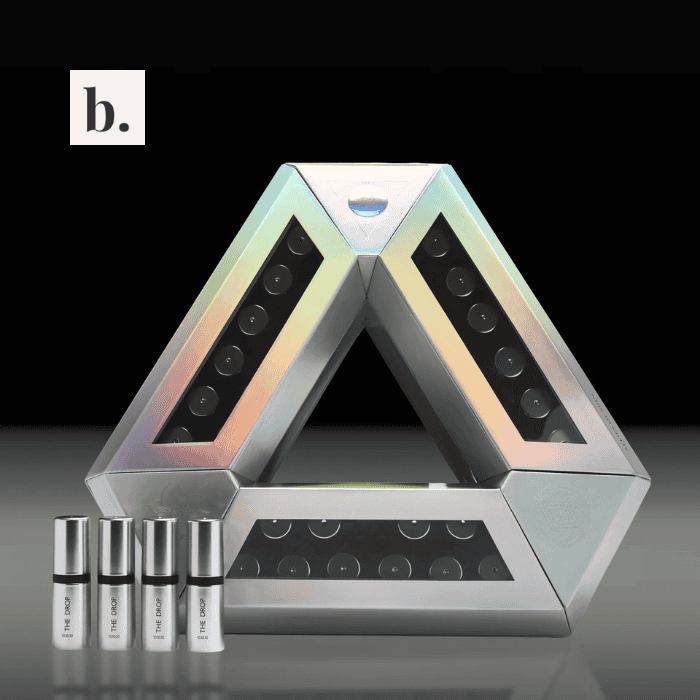
Allies of Skin
Allies of Skin The Lab Drop 10/10/10 Multi GF Exo Advanced Recovery Ampoules
If you want a specialized growth-factor and peptide serum, these ampoules combine hydrating ingredients with brand-reported visible-skin improvements. The four-week study does not prove biological age reversal, treatment-level repair or superiority to…
Read the BeautyBrief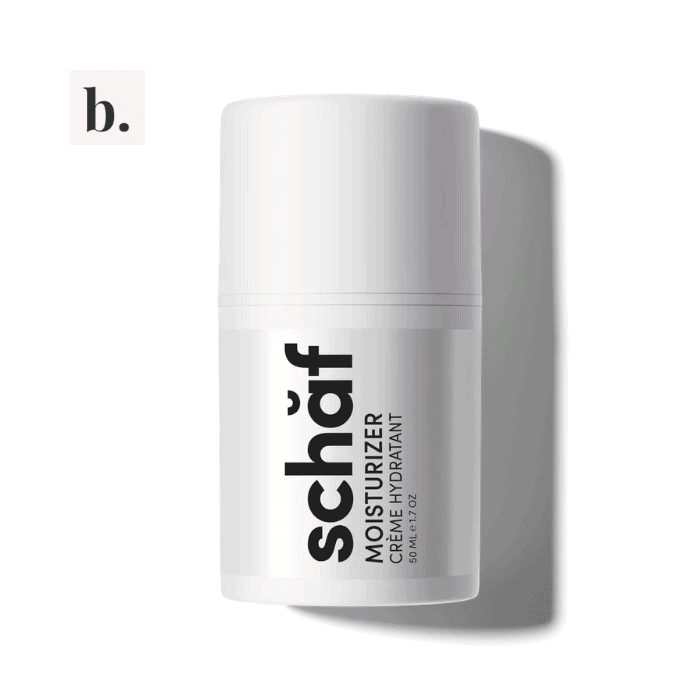
Schaf
Schaf Moisturizer 3.0
If you prefer a richer fragrance-free moisturizer, Schaf Moisturizer 3.0 combines humectants and emollients for daily comfort. Its reported 3% bakuchiol and 3% niacinamide do not independently establish the finished product's wrinkle…
Read the BeautyBrief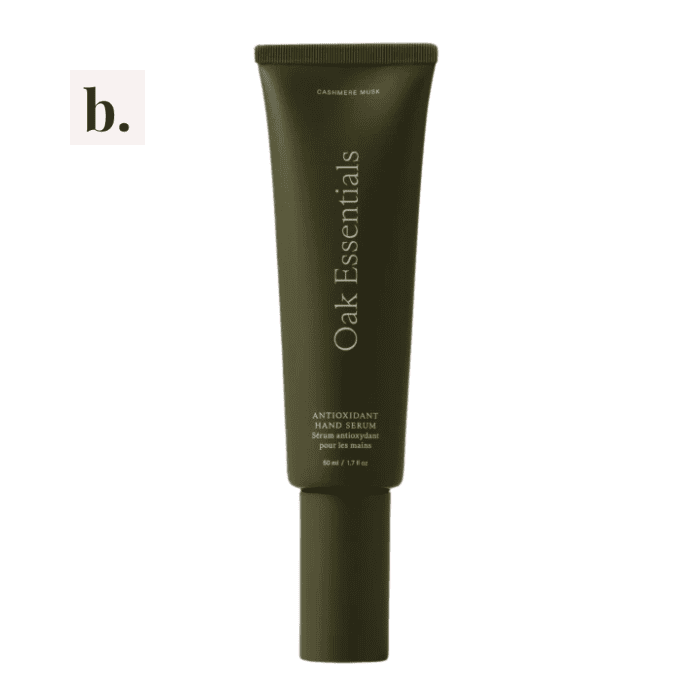
Oak Essentials
Oak Essentials Antioxidant Hand Serum
If you want a lightweight serum for dry hands, Oak Essentials combines humectants with conditioning ingredients and a Cashmere Musk scent. Its two-week consumer study supports reported comfort, not measured improvement in…
Read the BeautyBrief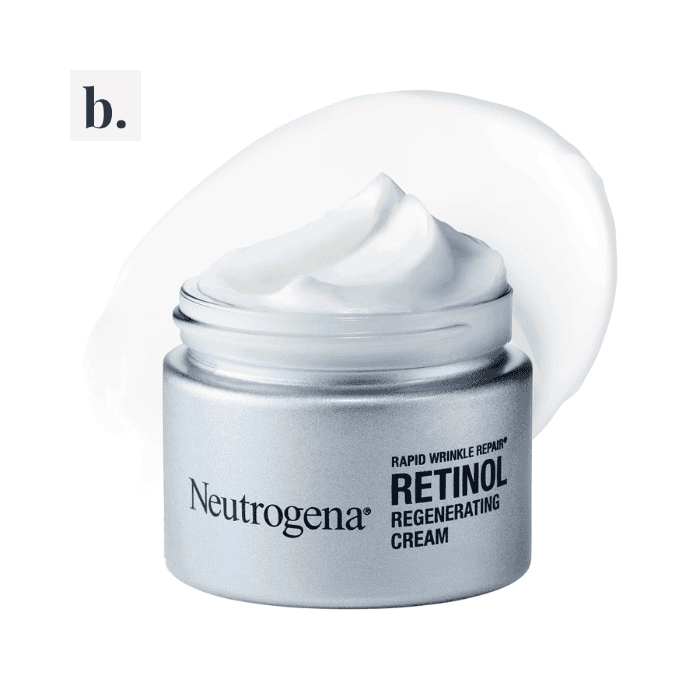
Neutrogena
Neutrogena Rapid Wrinkle Repair Retinol Regenerating Cream
If you prefer a rich retinol moisturizer and tolerate fragrance, Rapid Wrinkle Repair Regenerating Cream provides a plausible route to gradual fine-line improvement. Its retinol concentration is undisclosed, and separate retinol studies…
Read the BeautyBrief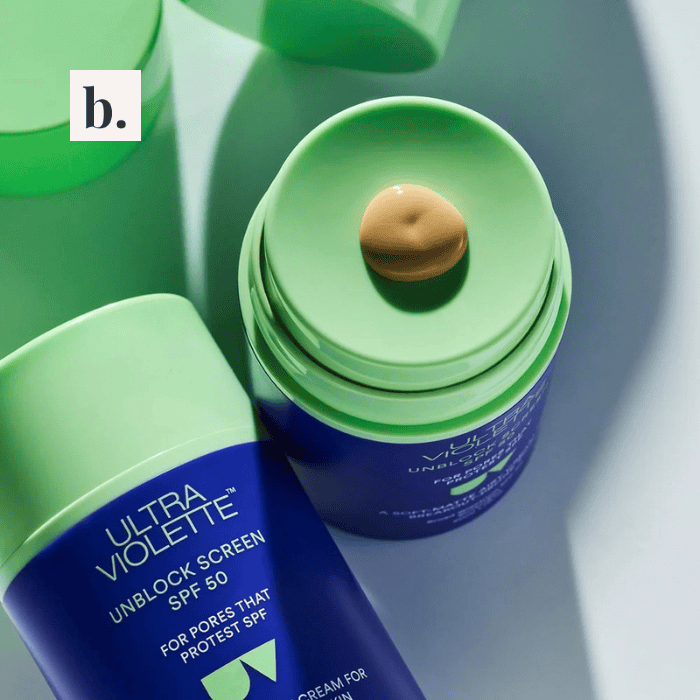
Ultra Violette
Ultra Violette Unblock Screen SPF50 Breakout-Friendly SKINSCREEN
If your skin is oily or breakout-prone, Unblock Screen combines broad-spectrum SPF 50 with a soft-matte hybrid formula. Its 21-person brand evaluation provides limited blemish and shine evidence, not proof of acne…
Read the BeautyBrief
Neutrogena
Neutrogena Clear Face Sunscreen Acne-Prone Skin Broad Spectrum SPF 60 with BEMT
If your skin is oily or acne-prone, Clear Face SPF 60 combines broad-spectrum filters with a non-comedogenic daily-wear design. The product is sunscreen, not acne medication, and the label directs you to…
Read the BeautyBrief