
Tocopherol in Skincare
Tocopherol is a form of vitamin E that helps protect oxidation-sensitive ingredients in your skincare. It can also condition skin, but a vitamin E label by itself doesn't establish scar-fading or wrinkle-reduction results.
- Aliases
- Vitamin E, alpha-Tocopherol
- Ingredient category
- Antioxidant, Conditioning Agent
- Evidence strength
- Well Supported for antioxidant protection of oxidation-sensitive cosmetic formula components
- Formula matters
- The specific vitamin E form, amount, surrounding oils and antioxidants, air exposure, and packaging shape its role; tocopherol is not the same ingredient as tocopheryl acetate.
- Separate product needed?
- Usually No. You usually do not need a separate tocopherol oil when your moisturizer already provides sufficient comfort and moisture.
BB takeaway
Tocopherol supports the stability of oxidation-sensitive formulas and contributes to skin conditioning. Its best value comes from a thoughtfully designed product that feels good and delivers the result you want.
Ingredient evidence does not prove the performance of every finished product containing it.
What is tocopherol?
Vitamin E has a familiar beauty reputation, but tocopherol has a particularly useful job you don’t always see. In facial oils, moisturizers, serums, and some sunscreens, it helps slow the oxidation of ingredients that could deteriorate during storage.[1]
One small detail matters when you’re browsing labels: tocopherol and tocopheryl acetate are different vitamin E forms. A front-label “vitamin E” claim doesn’t tell you which one is in the product or what benefit the finished formula delivers.
What does tocopherol do for skin?
One established role is protecting formula ingredients from oxidation.[1] In certain products it can also contribute to skin conditioning, but that role is different from a proven skin-treatment effect.
If you want wrinkle improvement, scar fading or protection from sunlight, the presence of tocopherol does not establish that the finished product performs those jobs.
What the evidence says about tocopherol skincare
COSMILE recognizes tocopherol’s antioxidant role in protecting cosmetics from oxidation.[1] The Cosmetic Ingredient Review Expert Panel concluded that the tocopherols and tocotrienols it assessed are safe under the cosmetic uses and concentrations reviewed.[2]
That evidence explains a real cosmetic function, not an automatic scar-fading or wrinkle-reduction result for every vitamin E serum. If a product promises visible improvements, look for research that actually addresses those outcomes.
How tocopherol form and formulation affect results
Think about tocopherol in the company it keeps. Its form and concentration, the oils and other antioxidants around it, and the packaging all affect what it contributes. Near the end of an ingredient list, it may be protecting the formula rather than serving as the main skincare active.
Air- and light-protective packaging can matter when oxidation-prone oils are present. You cannot judge antioxidant performance or exact concentration from the ingredient’s position alone.
Who may benefit from tocopherol skincare?
If you love an oil-rich moisturizer, tocopherol may be one reason its ingredients stay protected from oxidation. That doesn’t mean you need to find a bottle with “vitamin E” in big letters for your moisturizer to be effective.
If your existing product keeps your skin comfortable, another vitamin E bottle may simply duplicate emollient steps you already have.
Tocopherol side effects and irritation risk
CIR’s cosmetic safety review is reassuring for the assessed uses, but not every finished oil or cream is irritation-free.[2] If your skin develops swelling, persistent redness, itching or burning, stop the product and evaluate its complete ingredient blend.
Other ingredients, including extracts and treatment actives, can contribute to a reaction, so the label alone does not identify the cause.
How to use tocopherol in your skincare routine
Use the moisturizer, serum or facial oil as directed. You can place a tocopherol-containing cream in its normal moisturizing step without creating a dedicated vitamin E layer.
Tocopherol is not a sunscreen substitute. You still need broad-spectrum sunscreen for daylight UV protection.
How long does tocopherol take to work?
The antioxidant’s formula-stabilizing work occurs before you apply the product. You may feel softness immediately from the cream or oil base, but you cannot attribute that sensation specifically to tocopherol.
You should not expect a dependable timeline for scar fading, firmness or wrinkle change from tocopherol alone without research matching the finished product.
What can you use with tocopherol?
You can use tocopherol-containing products with niacinamide, vitamin C, ferulic acid, retinoids and moisturizers when the overall routine is comfortable. Specific antioxidant combinations have different formulation and stability requirements, so overlapping ingredients do not make products interchangeable.
If a routine is already meeting your needs, you do not need additional antioxidants just to create a longer list.
How to choose a tocopherol product
When choosing a formula, consider how the brand supports its claims, whether the packaging suits sensitive ingredients, and whether the texture makes sense for your skin. A vitamin E badge says little about the real concentration or clinical results.
You don’t have to pay a premium for tocopherol’s ordinary formula-support role. Compare actual product benefits instead.
Do you need a separate tocopherol product?
Usually no. You rarely need a separate tocopherol oil if your current moisturizer supplies enough softness and hydration.
You might choose a facial oil because you enjoy the feel, but that purchase should not be confused with an evidence-backed scar or wrinkle treatment.
The BB Perspective
Tocopherol has earned its place in many formulas, even when no one is advertising it as the star. Helping oxidation-sensitive ingredients stay in good condition is a meaningful job.
Its role in supporting oxidation-sensitive formulas is a practical benefit in its own right. You should keep tocopherol distinct from other vitamin E derivatives when comparing products.
When you’re choosing a product, let the finished formula, packaging, evidence, and your own routine needs lead. You don’t have to collect extra vitamin E products to appreciate this ingredient.
Last reviewed: October 2026
Sources
-
COSMILE Europe. Tocopherol ingredient profile.
Describes its antioxidant formula-protection and skin-conditioning functions, not finished-product scar or wrinkle efficacy.
-
Cosmetic Ingredient Review safety assessment concluding the evaluated tocopherols/tocotrienols are safe as used under assessed conditions; not a topical wrinkle treatment trial.
Products featuring Tocopherol
These evaluated products list Tocopherol among the Key Ingredients that meaningfully shape the formula. Inclusion here reflects ingredient relevance, not an endorsement or rating.
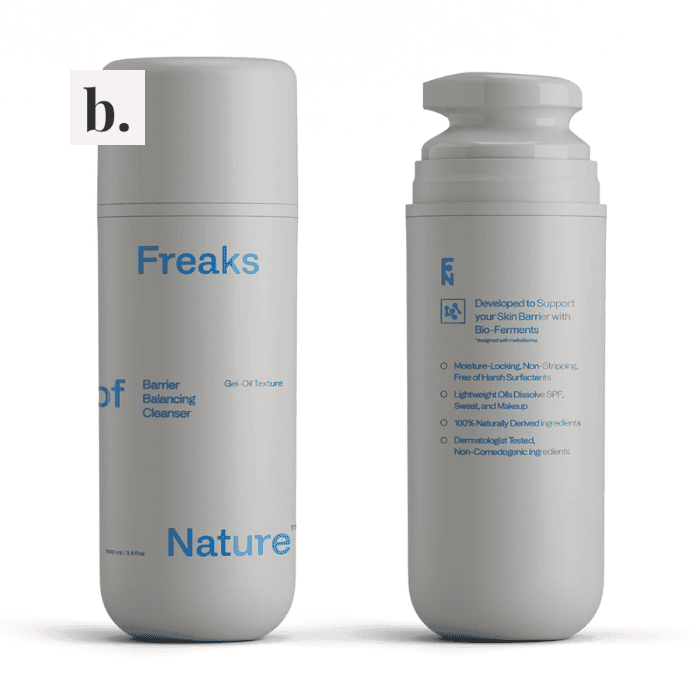
Freaks of Nature
Barrier Balancing Face Wash
If you enjoy a transforming wash, Freaks of Nature offers a silky gel-oil that turns frothy and milky with water. Its Mid-Range appeal is that tactile cleansing experience and brand-reported comfort feedback.
Read the BeautyBrief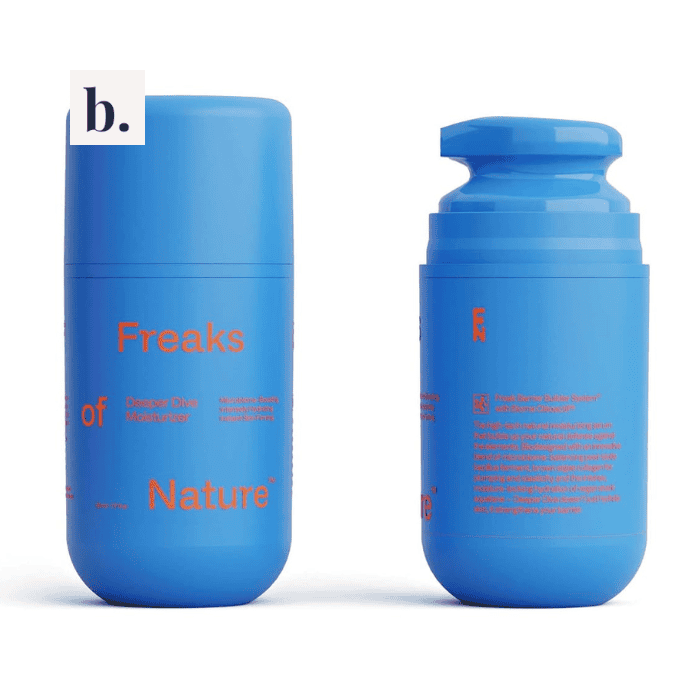
Freaks of Nature
Deeper Dive Hydrator
If you love the slip of a facial oil without a heavy finish, Deeper Dive combines squalane and plant oils for soft, comfortable skin. Its Premium appeal is a silky water-free formula…
Read the BeautyBrief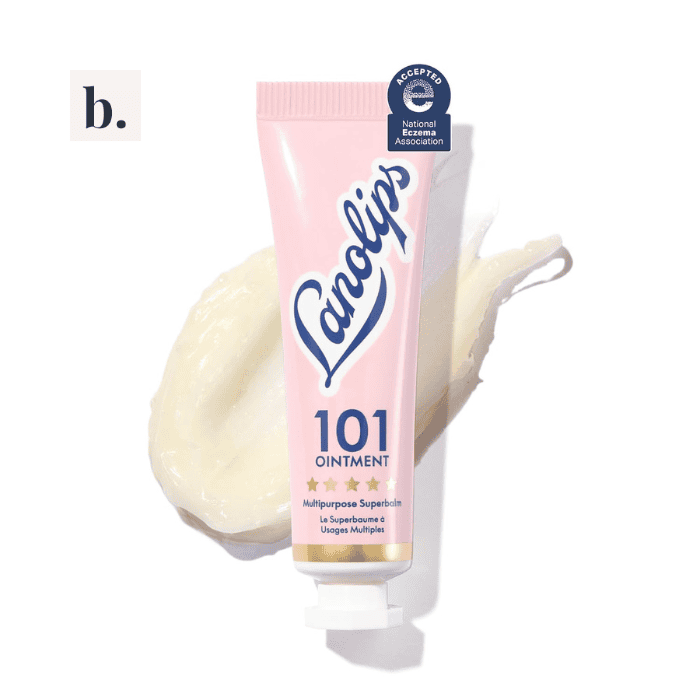
Lanolips
The Original 101 Ointment Multipurpose Superbalm
If you love a substantial multipurpose balm, Lanolips Original 101 offers concentrated lanolin comfort for dry lips, cuticles and patches. Its Budget appeal is a simple, richly protective texture.
Read the BeautyBrief
PCA SKIN
Creamy Cleanser
If you prefer cream to bubbles, PCA SKIN Creamy Cleanser combines conditioning oils with everyday makeup removal. Its Mid-Range appeal is a plush rinse and botanical scent, with lavender oil relevant if…
Read the BeautyBrief
Bubble
Slam Dunk Hydrating Moisturizer
If you love a comfortably rich moisturizer, Bubble Slam Dunk offers a cushioned, fragrance-free cream at a Budget price. Its hydration testing supports the everyday moisturizing benefit, especially if light gel creams…
Read the BeautyBrief
Neutrogena
Makeup Remover Melting Balm
If you enjoy a rich balm for stubborn makeup, Neutrogena Makeup Remover Melting Balm offers a silky, fragrance-free first cleanse with a generous conditioning oil blend. Its distinct formula is worth comparing…
Read the BeautyBrief