
Rice Starch in Skincare
Rice starch absorbs some surface oil and helps certain skincare formulas feel smoother and less shiny. That's a useful texture effect, not evidence that it treats acne or changes oil production.
- Aliases
- Oryza Sativa (Rice) Starch, Oryza Sativa Starch
- Ingredient category
- Texture & Thickening Agent
- Most relevant for
- Oiliness and Shine
- Evidence strength
- Well Supported for Absorbing oil and modifying the immediate feel of cosmetic powder and texture formulas
- Formula matters
- Particle properties and concentration, the product's oil phase and its format—powder, lotion or cream—determine the finish. Results from RiceSorb powder research do not establish all moisturizers.
- Separate product needed?
- Usually No. Rice starch absorbs oil and improves skincare texture. You don't need a separate product if your moisturizer already feels comfortable.
BB takeaway
Rice starch can help make a cream or other topical formula feel less greasy. Choose it for the full product's finish and comfort rather than expecting long-term oil control.
Ingredient evidence does not prove the performance of every finished product containing it.
What is rice starch?
Rice starch brings an appealingly simple idea to skincare: a finely milled plant ingredient that helps a formula absorb oil and feel less heavy. On a label you’ll usually see Oryza Sativa Starch or Oryza Sativa (Rice) Starch, derived from the rice plant.[1]
It isn’t the same as rice bran oil, rice extract, or rice water. Those ingredients start with related botanical material but have different compositions and cosmetic functions. Here, we’re talking about the starch used in creams, powders and other topical formulas.
What does rice starch do for skin?
Rice starch is primarily an absorbent and texture helper. It can take up some surface oil and help a formulation feel smooth, dry-touch or less shiny. COSMILE also lists binding, bulking and viscosity control among its roles.[1]
If your face looks less shiny shortly after application, that doesn’t mean your oil glands have slowed down. The ingredient works mainly through physical absorption and the way it changes product texture, not through a proven acne-treatment effect.
What the evidence says about rice starch skincare
The most dependable evidence is for rice starch’s established cosmetic role, not a medical skin benefit. A 2020 formulation study tested a rice-starch material called RiceSorb in loose face powders. The study examined powder texture, flow and storage behavior, supporting rice starch’s role in these products. It wasn’t a trial of long-term oil reduction on people’s skin.[2]
The Cosmetic Ingredient Review Expert Panel assessed rice-derived cosmetic ingredients, including Oryza Sativa Starch, and concluded they were safe in the practices of use and concentrations evaluated. This is useful safety context rather than evidence for clearing acne, fading pigment or improving the skin barrier.[3]
There’s an important shopper distinction: a surface-mattifying result is real and useful if you like the finish, even without a controlled wrinkle or acne study. Just keep the promise tied to what the ingredient actually does.
How rice starch form and formulation affect results
Particle size, how the starch is dispersed, the surrounding oils and silicones, and whether a product is a loose powder, lotion or cream all change the finish you feel. Modified rice-starch derivatives can also have different INCI names and are not automatically equivalent to ordinary Oryza Sativa Starch.
A formula with starch and a rich oil phase may feel very different from a lightweight gel-cream. The product’s packaging, dose and application method matter as much as seeing rice on the ingredient list.
Who may benefit from rice starch skincare?
If you enjoy a less shiny finish or a moisturizer that doesn’t feel greasy, rice starch is a useful texture ingredient to recognize. It can be particularly relevant when you’re comparing products intended for oiliness and shine.
If your skin is very dry and tight, a powdery finish might not be what you’re looking for. Rice starch also isn’t an acne treatment or a replacement for moisturizer and sunscreen.
Rice starch side effects and irritation risk
Rice-derived starch is used widely in cosmetics, and its cosmetic safety has been assessed under relevant use conditions.[3] Still, a formula can feel drying or uncomfortable if its overall absorbent load is too high for your skin.
Avoid breathing clouds of loose powder during application; choose formats that minimize airborne dust. If a product causes persistent irritation, stop using it and consider the whole formula rather than assuming the starch is necessarily responsible.
How to use rice starch in your skincare routine
Treat rice starch as a property of the product you’re already applying, not an active you need to layer separately. Follow the directions for a rice-starch-containing moisturizer, primer-like skincare texture product or rinse-off formula.
If you’re choosing a starch-based product, a finished cosmetic provides a defined texture and directions that ordinary kitchen starch doesn’t.
How long does rice starch take to work?
The smoother, less shiny finish is usually an immediate formula effect when it occurs. You shouldn’t need weeks of use to judge whether you like how the product feels.
Rice starch hasn’t been established as a treatment that progressively lowers oil production. If a product promises lasting control, look for finished-product testing over the specific hours claimed.
What can you use with rice starch?
Rice starch is compatible with many ordinary moisturizing and sunscreen formulas when it’s properly incorporated. It can help balance the feel of products containing emollients, humectants or other texture modifiers.
You don’t need to coordinate it with a particular acid or retinoid. What matters is whether the finished product stays comfortable alongside the rest of your routine.
How to choose a rice starch product
Start with the use experience: do you want a cream that absorbs quickly, a soft matte finish or less surface shine? Check whether rice starch is one part of a thoughtfully made formula rather than the basis for an oversized oil-control claim.
Consider texture, packaging, ingredients that support hydration and whether the product is comfortable throughout the day. If a product promises hours of shine control, look for testing of that finished formula; a starch ingredient alone doesn’t establish the duration.
Do you need a separate rice starch product?
Usually no. This is a supporting absorbent and texture ingredient, not a stand-alone treatment step.
If your existing skincare already gives you the finish you enjoy, adding a separate starch-focused product adds little. You can appreciate rice starch when it helps a finished formula feel better.
The BB Perspective
Rice starch is a small example of how clever formulation can change the way skincare feels. A softer, less shiny finish can be a very practical benefit.
Its absorbent function is established, while studies on specialized powder formulas shouldn’t be read as proof of long-term oil or acne treatment. The feel of the complete moisturizer or skin product is the result to judge.
If you enjoy a cream with a comfortable, soft-matte finish, rice starch may be one of the small formulation details that make it appealing. Its value is in how the complete product feels on your skin.
Last reviewed: October 2026
Sources
-
COSMILE Europe. Oryza Sativa Starch ingredient reference.
Lists rice starch’s absorbent, binding, bulking and viscosity functions. These are established formula roles, not evidence of long-term treatment of acne or sebum production.
-
RiceSorb as a Talcum Substitute for Loose Face Powders: Formulation and Characterization. 2020.
Siriwarin and colleagues tested RiceSorb, a rice-derived starch material, in loose powders, measuring powder properties and storage behavior. Their formulation work does not establish long-term sebum reduction or the performance of an ordinary moisturizer.
-
Includes Oryza Sativa (Rice) Starch and finds the assessed rice-derived cosmetic ingredients safe in the described uses and concentrations. This is a safety assessment, not an efficacy trial.
Products featuring Rice Starch
These evaluated products list Rice Starch among the Key Ingredients that meaningfully shape the formula. Inclusion here reflects ingredient relevance, not an endorsement or rating.

Mary Kay
Special-Edition Mary Kay Melt-In Cleansing Balm
If you enjoy a playful first-cleanse format, Mary Kay Melt-In Balm offers a twist-to-dispense experience that melts makeup and rinses milky. Its appeal is that satisfying transformation, with salmon-derived ingredients relevant to…
Read the BeautyBrief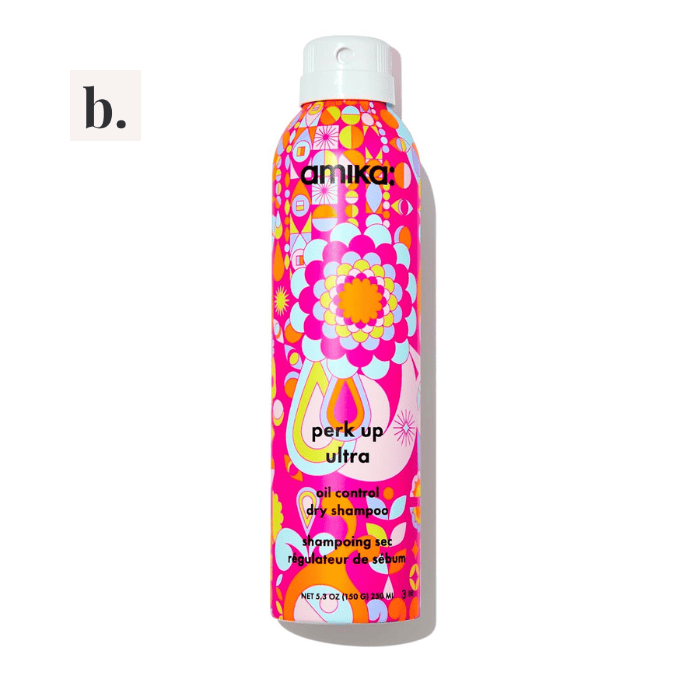
amika
Perk Up Ultra Oil Control Dry Shampoo
If your roots get oily between wash days, amika Perk Up Ultra uses starch and silica to refresh your style. Its Mid-Range appeal is stronger-feeling oil absorption and styling convenience, with aerosol…
Read the BeautyBrief
Beauty of Joseon
Radiance Cleansing Balm
If sunscreen or long-wear makeup is a regular part of your day, Beauty of Joseon Radiance offers a silky, fragrance-free balm-to-milk first cleanse. Its rice-inspired formula and easy rinse make this a…
Read the BeautyBrief
Shiseido
Clarifying Cleansing Foam
If you love a dense, creamy foam, Shiseido turns cleansing into an indulgent ritual. Its 106-person consumer study adds context to the soft-feeling finish, with fragrance a meaningful preference detail at its…
Read the BeautyBrief