

Do Menopause Skincare Products Work Better Than Regular Moisturizers and Retinoids?
At a glance
Menopause can change how skin feels and what it tolerates, which has created a growing category of creams, serums, and treatments made specifically for this life stage. Some are well designed. Before paying extra for the label, it helps to know which skin changes actually call for a different formula—and which can be handled just as well by regular skincare.
Skin can feel very different during the menopause transition. A moisturizer that once felt rich enough may stop lasting through the day. A retinoid you previously tolerated may suddenly leave your face tight, flaky, or uncomfortable. That can make a product labeled “menopause skincare” seem like the obvious next step.
Sometimes it is a good choice. But the useful part is the formula, not the life-stage label.
If a menopause cream is essentially a well-formulated moisturizer, compare it with other moisturizers that solve the same problem. If a menopause treatment is designed to be easier to tolerate, judge whether that formulation advantage is meaningful for your skin. The label itself does not establish that the product will outperform a regular moisturizer, sunscreen, or retinoid.
In this Briefing
- Why skin can change around menopause
- What menopause skincare products usually contain
- When a regular moisturizer is enough
- Where retinoids still fit
- When a menopause-specific product can make sense
- Which ingredients are worth looking for
- How to simplify the routine
- Which claims deserve more scrutiny
- How to make the buying decision
Why can skin change around menopause?
Declining estrogen is one part of the picture. A 2025 narrative review describes menopause-related changes in collagen, elasticity, hydration, sebum production, and skin-barrier function, with dryness, wrinkling, reduced firmness, and slower recovery becoming more noticeable for some people.[1]
The American Academy of Dermatology likewise notes that skin can become drier, thinner, and easier to irritate during menopause. Its practical advice centers on everyday measures such as mild cleansing, moisturizer, daily sunscreen, and targeted treatment when a specific concern needs more help.[2]
That is an important shopping clue. Your routine may need to change, but your entire shelf does not need to be replaced because your life stage changed.
The useful adjustment may simply be moving toward more comfortable formulas. A foaming cleanser may start feeling too stripping. A gel moisturizer may no longer be enough. A treatment routine that once felt easy may need to be reconsidered because your skin has become drier or more reactive.
Those are real changes. They still do not create a separate cosmetic ingredient universe called “menopause skincare.”
What do menopause skincare products usually contain?
Mostly familiar skincare ingredients.
Moisturizers may contain humectants such as glycerin or hyaluronic acid, emollients such as squalane and fatty alcohols, and more occlusive ingredients that help slow water loss.
Barrier-focused formulas may use ceramides, cholesterol, fatty acids, petrolatum, or dimethicone. Other products add niacinamide, peptides, antioxidants, or soothing ingredients such as colloidal oatmeal.
Those can all be useful. None belongs exclusively to menopause skincare.
A regular fragrance-free cream can therefore be a better match for your dry skin than a more expensive menopause-branded moisturizer. The reverse can also be true: a menopause cream may be worth choosing if its texture, richness, ingredient mix, packaging, and price suit you better.
The category is most useful when it helps you find the right kind of formula faster. It is least useful when the life-stage story is doing more work than the product itself.
When is a regular moisturizer enough?
If dryness, tightness, or roughness is your main complaint, start with moisturizer before adding another treatment serum.
AAD specifically recommends moisturizer for menopausal dryness and notes that formulas containing glycerin or hyaluronic acid can be helpful.[2]
For dry skin more broadly, AAD explains that cream is richer than lotion and ointment is more occlusive still. The useful choice depends on how dry your skin has become and which texture you will actually use consistently.[3]
That means a regular cream may be all you need if a lightweight moisturizer no longer lasts through the day. If dryness is substantial, moving from a lotion to a cream or ointment may matter more than finding a product with “menopause” printed on the front.
Fragrance-free formulas are also a sensible place to start when skin has become easier to irritate.
Price is not a reliable shortcut. AAD notes that effective anti-aging products exist across price ranges and recommends choosing products around skin type and the concern you actually want to address.[4]
Do retinoids still make sense during and after menopause?
Yes, when the concern fits and your skin tolerates them.
Retinoids remain among the better-supported topical options for visible photoaging. A 2025 systematic review and meta-analysis of eight randomized trials involving 1,361 participants found that topical tretinoin improved both fine and coarse facial wrinkles caused by photodamage compared with vehicle treatments.[5]
That evidence is not specific to menopause, and it does not mean every retinol serum performs like prescription tretinoin. It does show that menopause does not make the retinoid category obsolete.
Tolerability can become the more important issue. AAD notes that retinoids can worsen dryness and irritation and recommends a gradual approach when starting an over-the-counter retinoid.[6]
If you use prescription tretinoin and it becomes persistently uncomfortable, do not independently redesign your prescription schedule based on a skincare article. Ask the clinician who prescribes it whether the formulation, strength, frequency, moisturizer strategy, or another treatment option should change.
If you are shopping for an over-the-counter retinol, a less aggressive formula, more moisturizing base, or slower introduction may be more useful than buying a product simply because it is marketed for menopause.
If retinoids are no longer a good fit, our Briefing on affordable retinol alternatives compares options by the concern you actually want to address, including acne, uneven tone, surface roughness, and visible aging.
A menopause-focused retinoid product can still be a good purchase if its actual formulation solves a tolerability problem. The advantage is the formula—not a different form of retinoid biology.
When can a menopause-specific product make sense?
When it solves a real routine problem better than the alternatives you are comparing.
That might mean you need:
- a richer moisturizer that stays comfortable through the day;
- a fragrance-free formula that removes an irritation trigger;
- a treatment base that is easier to tolerate than a product you previously used;
- a cream that combines enough useful functions to replace several separate products;
- a texture or package that makes you more likely to use the product consistently.
Convenience and tolerability have real value. A product does not need a unique menopause-only ingredient to be the better purchase for you.
Research on menopause and skin biology is also growing. The 2025 narrative review found that hormone therapy has been associated with improvements in some skin-quality measures, including collagen, elasticity, and hydration, but results across studies have been inconsistent. The authors emphasized the lack of robust skin-specific clinical trials and noted that clinical guidelines do not support hormone therapy solely to treat estrogen-deficient skin.[1]
FDA likewise states that studies have not shown hormone therapy prevents aging and wrinkles.[7]
Those questions belong in medical decision-making, not in the marketing case for an over-the-counter face cream.
Which ingredients are worth looking for?
Shop by the concern you can see and feel.
- For dryness and tightness: Look for glycerin, hyaluronic acid, ceramides, petrolatum, dimethicone, squalane, fatty alcohols, and other emollient or occlusive ingredients.
- For easily irritated skin: Favor fragrance-free formulas and avoid introducing several new active products at once.
- For fine lines and uneven texture: Consider a tolerable retinoid along with daily sun protection.
- For uneven-looking tone: Depending on the concern, vitamin C, azelaic acid, niacinamide, or a retinoid may be more targeted than a generic “menopause glow” product.
- For a dry, uncomfortable barrier: Fix the moisturizing step first. Another treatment serum is rarely the most useful first response to skin that already feels overloaded.
You do not need every ingredient in one jar. A formula only needs to do its assigned job well.
How do you build a menopause-friendly routine without buying everything again?
Keep what still works and change the part that no longer does.
AAD’s menopause guidance emphasizes a mild cleanser, moisturizer as needed, and daily broad-spectrum SPF 30 or higher, with additional treatment based on the concern.[2]
A practical routine can remain very short:
- Morning: Gentle cleanse or rinse if that feels better, moisturizer as needed, then broad-spectrum SPF 30 or higher.
- Evening: Gentle cleanser, one targeted treatment if you use one, then moisturizer.
If dryness is the main problem, improve the moisturizer before buying another active. If irritation is the problem, simplify before adding another “soothing” serum. If wrinkles or uneven texture are your priority, make sure the routine around your treatment is comfortable enough that you can use it consistently.
AAD also recommends focusing on one main aging concern at a time because using several new treatment products together can increase irritation.[4]
That advice becomes particularly useful when your skin is changing. A routine you can troubleshoot is more valuable than a shelf where every product claims to address menopause.
Which menopause skincare claims deserve more scrutiny?
Be especially cautious when an over-the-counter cosmetic starts sounding as though it is treating hormones rather than moisturizing or improving appearance.
Claims such as “balances hormones,” “restores estrogen,” “reverses menopause,” or permanently “rebuilds” hormone-depleted skin require a very different level of evidence and regulatory context from a claim that a cream moisturizes dry skin or makes fine lines look softer.
FDA draws the legal line partly through intended use. A product marketed to treat or prevent disease or to affect the structure or function of the body can meet the definition of a drug even when it is presented as skincare.[8]
FDA also warns consumers to be skeptical of products making miracle claims about changes associated with menopause, including wrinkles.[7]
That does not mean every ambitious cosmetic claim is false. It means the evidence needs to match the promise.
A cream that moisturizes dry skin is doing something useful. It does not need a hormone-reset story to justify itself.
So, are menopause skincare products better?
Not as a category.
They can be better for you when the formula is richer, gentler, easier to use, or better matched to a concern that became more noticeable around menopause. But a regular moisturizer, sunscreen, or retinoid can do the same job when its formulation suits your skin.
Before paying more for a menopause-specific product, ask:
- What problem is this product solving?
- What in the formula is doing that work?
- Does the finished product have evidence for any unusually strong claim?
- Could a regular product give me the same practical benefit for less?
If the menopause product still wins after those questions, buy it for the formula. If the main difference is the story on the box, the life-stage label has not earned the premium.
The BB Perspective
Menopause can absolutely change what your skin needs. That does not mean menopausal skin requires a separate class of moisturizers, serums, or retinoids.
For many people, the smartest adjustment is less dramatic: a richer moisturizer, a gentler cleanser, more careful treatment use, and consistent sun protection. Those changes can come from a menopause-branded line or from ordinary skincare that happens to fit better now.
Judge menopause skincare the same way you would judge any premium category: by the finished formula, the evidence behind its claims, tolerability, fit, and value. A life-stage label can help you find a product. It should not be the reason you assume the product works better.
Last reviewed: October 2026
Sources
Viscomi B, Muniz M, Sattler S. Managing Menopausal Skin Changes: A Narrative Review of Skin Quality Changes, Their Aesthetic Impact, and the Actual Role of Hormone Replacement Therapy in Improvement. Journal of Cosmetic Dermatology. 2025;24(Suppl 4):e70393. doi:10.1111/jocd.70393. PMID: 40847905.
This narrative review describes menopause-related changes in collagen, elasticity, hydration, sebum, barrier function, and other aspects of skin quality. It reports that hormone therapy has been associated with improvements in some studies but that findings are inconsistent and robust skin-specific clinical trials remain limited. The authors note that clinical guidelines do not support hormone therapy solely for estrogen-deficient skin. Because this is a narrative rather than a systematic review, BB uses it for menopause-specific context rather than as proof that any cosmetic treatment is superior. The journal identifies Merz Aesthetics as the funder and acknowledges medical-writing assistance; the authors declare no conflicts of interest. Return to citation.
American Academy of Dermatology Association. Caring for Your Skin in Menopause. Last updated November 24, 2025. Accessed September 2026.
AAD describes dryness, thinning, easier irritation, wrinkles, and other changes that can become more noticeable around menopause. Its consumer advice includes mild cleansing, moisturizer, broad-spectrum SPF 30 or higher, and targeted dermatologic care when needed. AAD specifically mentions glycerin and hyaluronic acid as useful moisturizer ingredients for dryness. The page does not state that a menopause-branded cosmetic is necessary or superior to a regular formula. Return to citation.
American Academy of Dermatology Association. How to Pick the Right Moisturizer for Your Skin. Last updated January 25, 2022. Accessed September 2026.
AAD explains that lotions, creams, and ointments differ in richness and that the appropriate format depends on skin type and severity of dryness. The page specifically notes that drier and perimenopausal skin may benefit from cream-based moisturizers. This supports choosing texture around current dryness rather than assuming a special menopause product is required. Return to citation.
American Academy of Dermatology Association. How to Select Anti-Aging Skin Care Products. Accessed September 2026.
AAD recommends starting with sunscreen and moisturizer, focusing on one main concern, choosing products for skin type, keeping expectations realistic, and selecting products within a comfortable price range. It also cautions that adding multiple anti-aging treatments at once can irritate skin. This guidance supports comparing menopause-branded products with ordinary products that do the same job for your skin. Return to citation.
Huang HY, Lee LTJ. Tretinoin for Photodamaged Facial Skin: Systematic Review and Meta-Analysis of Randomized Controlled Trials. Dermatology Practical & Conceptual. 2025;15(4):e20255172. PMID: 41236273.
This systematic review and meta-analysis included eight randomized trials with 1,361 participants and found that topical tretinoin improved fine and coarse facial wrinkles caused by photodamage compared with vehicle. The studies varied in formulation, strength, duration, and outcome measurement. The review was not specific to menopausal skin and should not be used to set an individual prescription regimen. Return to citation.
American Academy of Dermatology Association. Retinoid or Retinol?. Last updated May 25, 2021. Accessed September 2026.
AAD describes retinoids as useful for mild fine lines, wrinkles, pigmentation irregularities, and acne while also noting that dryness, redness, and inflammation can make them difficult to tolerate. The page recommends beginning gradually when introducing an over-the-counter retinoid and seeking dermatologist guidance when the category is not well tolerated. BB does not use this general advice to alter an individual’s prescription tretinoin plan. Return to citation.
U.S. Food and Drug Administration, Office of Women’s Health. Menopause. Accessed September 2026.
FDA advises consumers to be skeptical of miracle claims for menopause-related changes, including wrinkles, and states that studies have not shown hormone therapy prevents aging and wrinkles. The page also directs medical treatment questions about menopause and hormone therapy to healthcare professionals. Return to citation.
U.S. Food and Drug Administration. Is It a Cosmetic, a Drug, or Both? (Or Is It Soap?). Accessed September 2026.
FDA explains that intended use determines whether a product is regulated as a cosmetic, drug, or both. Claims that a product treats or prevents disease or affects the structure or function of the body can make it a drug claim, even when the product is marketed as skincare. BB uses this regulatory framework to evaluate hormone-like or structural menopause skincare claims rather than ordinary moisturization claims. Return to citation.
Related product BeautyBriefs
These BeautyBriefs cover products relevant to the needs discussed in this Beauty Briefing. Inclusion here reflects topic relevance, not a rating or endorsement.
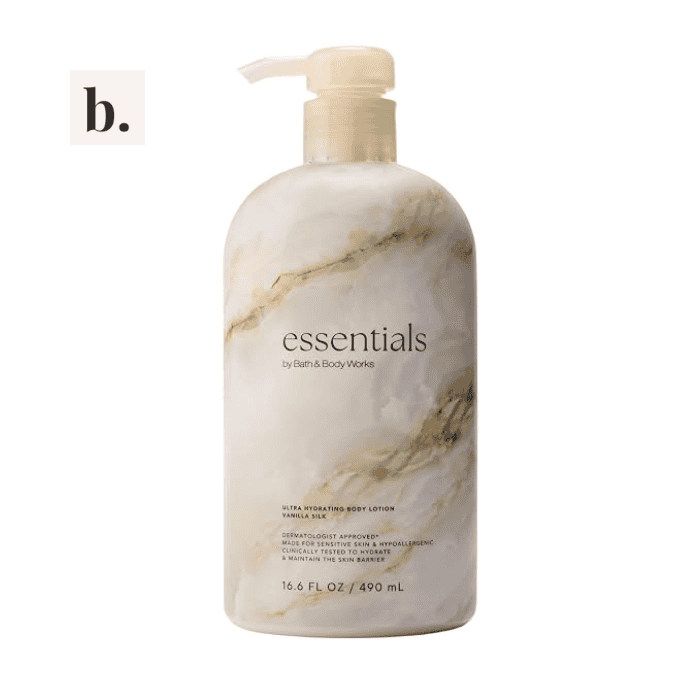
Bath & Body Works
Bath & Body Works Vanilla Silk Ultra Hydrating Body Lotion
If your body skin feels dry and you enjoy vanilla fragrance, this lotion offers a useful mix of humectants and emollients. Its hypoallergenic claim does not guarantee fragrance tolerance, and the 48-hour…
Read the BeautyBrief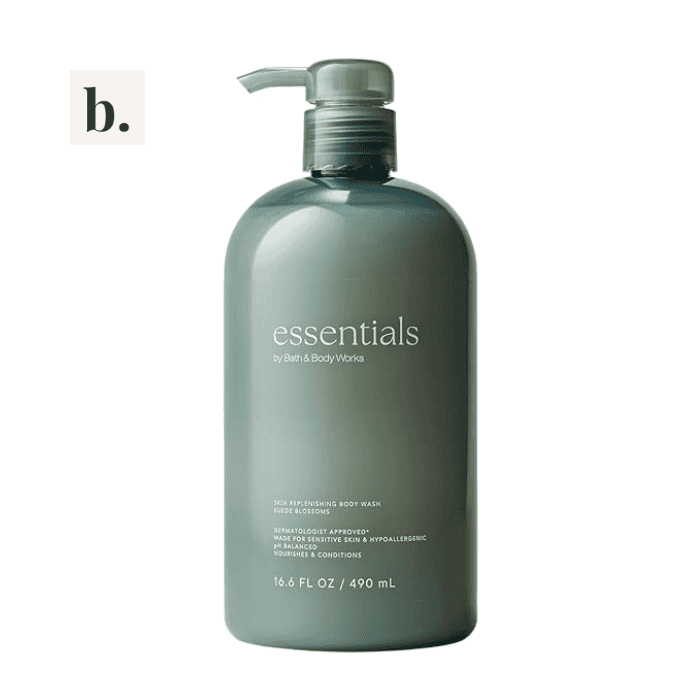
Bath & Body Works
Bath & Body Works Suede Blossoms Skin Replenishing Body Wash
If you enjoy a soft floral fragrance and tolerate scented cleansers, this body wash combines a sulfate-free cleansing system with high-placed glycerin. Its hypoallergenic and dermatologist-approved claims do not guarantee that your…
Read the BeautyBrief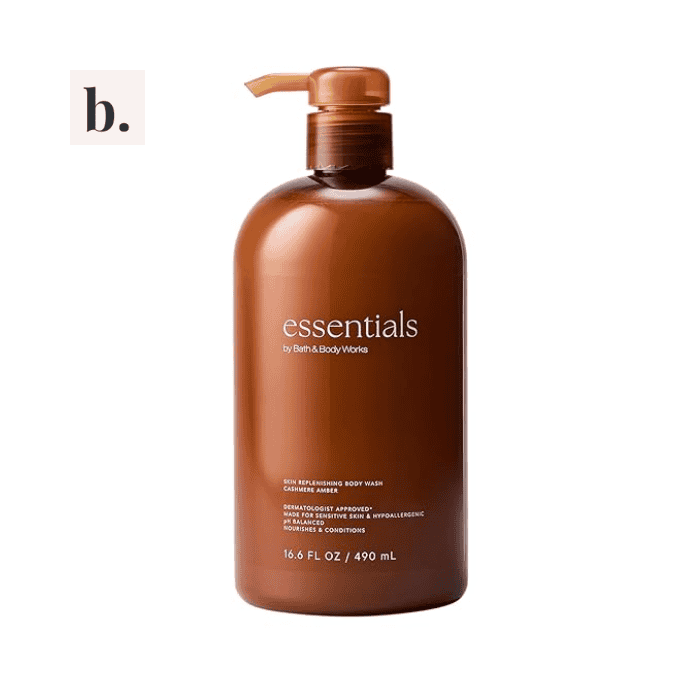
Bath & Body Works
Bath & Body Works Cashmere Amber Skin Replenishing Body Wash
If you enjoy a soft citrus-amber scent and tolerate fragrance, this body wash combines a sulfate-free cleansing base with high-placed glycerin. Its hypoallergenic and dermatologist-approved claims do not guarantee your skin will…
Read the BeautyBrief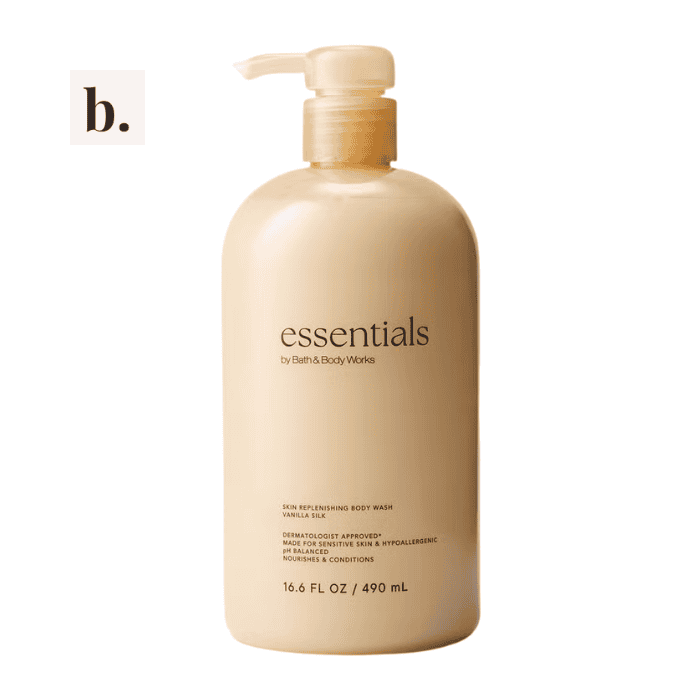
Bath & Body Works
Bath & Body Works Vanilla Silk Skin Replenishing Body Wash
If you enjoy vanilla scent and tolerate fragrance, this body wash combines a sulfate-free cleansing base with high-placed glycerin. Its hypoallergenic and dermatologist-approved claims do not guarantee your skin will tolerate the…
Read the BeautyBrief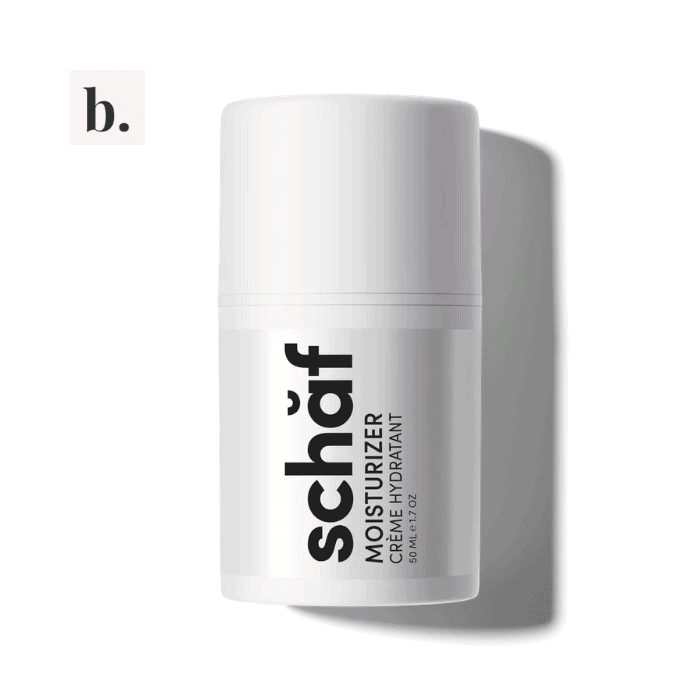
Schaf
Schaf Moisturizer 3.0
If you want fewer steps in your routine, Schaf Moisturizer 3.0 offers a rich, fragrance-free cream with credible hydration and barrier-supporting ingredients. Schaf now discloses 3% bakuchiol and 3% niacinamide, but no…
Read the BeautyBrief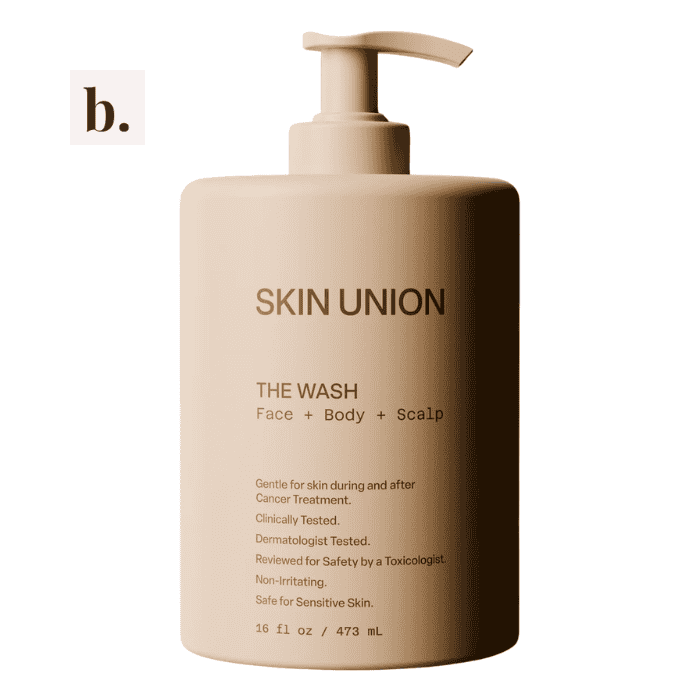
Skin Union
Skin Union The Wash
If your skin feels tight after washing, The Wash offers a plausible comfort-focused cleansing formula for your face and body. Its three disclosed moisturizing ingredients do not prove lasting hydration or barrier…
Read the BeautyBrief